
Lynas Rare Earths

Search documents
Power cuts hit Lynas; Canaccord flags fiscal-2026 earnings risk
MINING.COM· 2025-11-26 00:06
Core Viewpoint - Lynas Rare Earths is facing production shortfalls at its Kalgoorlie cracking-and-leaching plant due to repeated grid interruptions, which will impact its finished product output from the Malaysian refinery [1][2]. Production Impact - The company estimates a shortfall equivalent to one month's production this quarter, exacerbated by scheduled maintenance at its Malaysian kilns [2]. - Canaccord Genuity has revised its December-quarter neodymium-praseodymium (NdPr) output forecast to approximately 1,800 tonnes, projecting a 20% revenue drop to about A$220 million ($142 million) and a 35% decline in quarterly EBITDA to around A$77 million [3]. Market Reaction - Lynas shares in Sydney experienced a nearly 30% decline from late October to November 6, before slightly recovering to a closing price of A$15.02, with a market capitalization of A$15.1 billion ($9.7 billion) [4]. Operational Challenges - The Kalgoorlie facility operates under an interruptible supply scheme, leading to reliability issues and intensified shortages in November [5]. - The company is exploring short-term off-grid options while collaborating with the Western Australian government and Western Power, expecting to recover lost production within the financial year ending June 30 [5]. Long-term Considerations - Disruptions at the Kalgoorlie plant could have lasting effects, as it is Australia's first downstream rare earths processing plant with a capacity of about 9,000 tonnes per year of NdPr finished product [6]. - The Malaysian facility, the world's largest single separation facility, targets a capacity of approximately 12,000 tonnes per year of NdPr separation as part of its growth plan [6]. Inventory Management - Despite the disruptions, Lynas asserts it will still produce sufficient finished product to meet key customer needs this quarter, with inventories potentially mitigating immediate sales impacts [7].

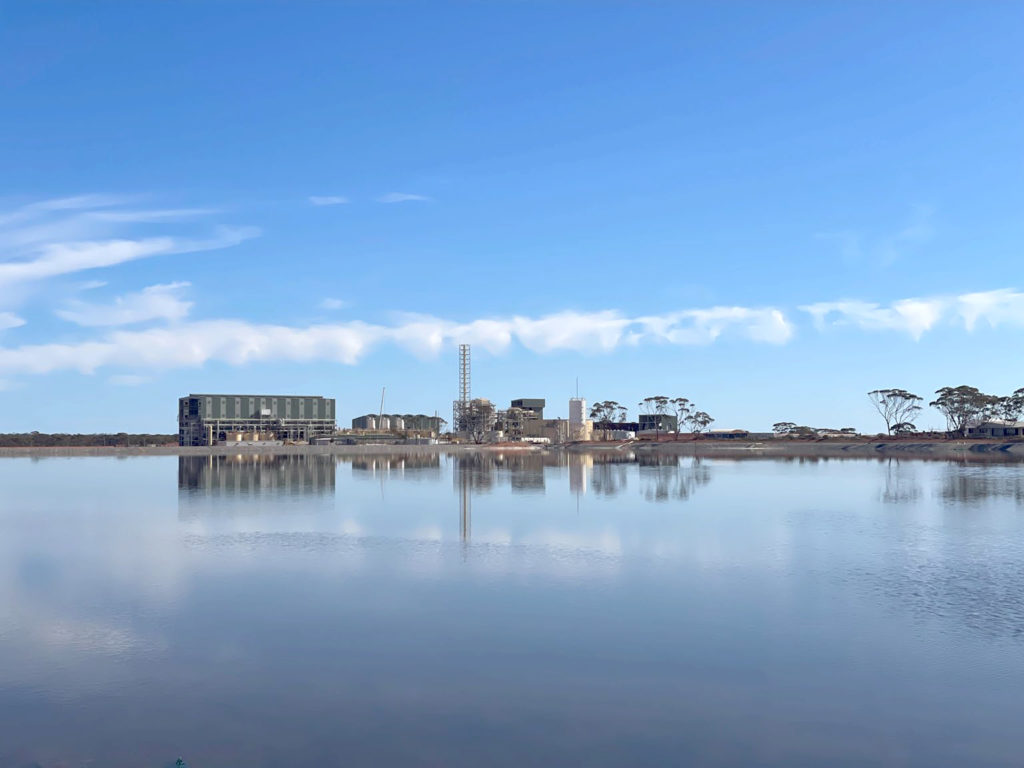
Australia's Lynas warns production shortfall at Kalgoorlie after power disruptions
Reuters· 2025-11-24 22:51
Core Viewpoint - Lynas Rare Earths estimates a potential shortfall equivalent to one month's production at its Kalgoorlie facility in Western Australia during the current quarter [1] Company Summary - Lynas Rare Earths is facing a production shortfall at its Kalgoorlie facility, which may impact its overall output for the quarter [1] Industry Summary - The rare earths industry may experience supply constraints due to Lynas's production issues, potentially affecting market dynamics and pricing [1]
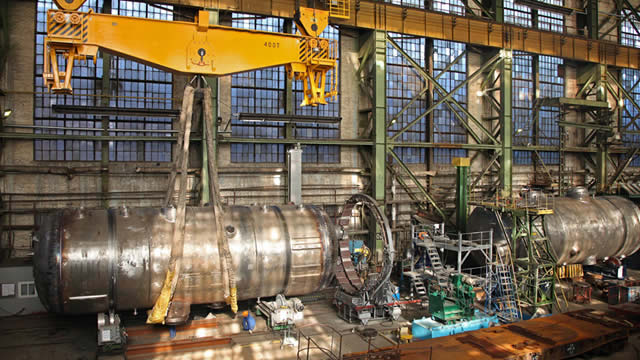
新股观察|从黄金到稀土与铀:Moonlight (ASX:ML8)IPO闪亮登场 双轮驱动战略迎接高光时刻
Sou Hu Cai Jing· 2025-11-13 10:57
Core Viewpoint - Moonlight Resources (ASX: ML8) is set to launch its IPO amid rising gold, rare earth, and uranium prices, positioning itself as a significant player in the mining sector with a diversified asset portfolio and a strong exploration strategy [1][3][28] Group 1: Company Overview - Moonlight Resources holds over ten exploration licenses covering more than 4,500 square kilometers, with assets in gold, rare earths, and uranium [1] - The company plans to issue 50 million shares at an IPO price of AUD 0.20, aiming to raise AUD 10 million, with 65.8% of the funds allocated for priority exploration areas [2][28] - The flagship Clermont gold project is strategically located near historical gold production areas, enhancing its exploration potential [6][28] Group 2: Market Context - The gold market is experiencing significant growth, with gold futures recently surpassing USD 4,000 per ounce, driven by inflation, interest rate changes, and geopolitical uncertainties [5] - In the ASX, eight out of the top ten performing companies in the previous fiscal year were related to gold exploration and mining [4] Group 3: Exploration Strategy - Moonlight's exploration strategy includes a 20,000-meter drilling plan aimed at defining its first JORC-compliant gold resource within 12-18 months [22][24] - The company has identified multiple high-priority targets within the Clermont project, including the Leo Grande mineralized zone, which shows promising historical drilling results [10][11][12] Group 4: Rare Earth and Uranium Assets - In addition to gold, Moonlight's portfolio includes significant rare earth and uranium projects, which are expected to provide long-term strategic value [13][14] - The MacDonnell Ranges project has shown strong uranium and rare earth mineralization, with plans for a 5,000-meter shallow drilling program post-IPO [15][18] Group 5: Management and Incentives - The company is led by a highly experienced team with a strong track record in mining and exploration, including key figures with extensive industry experience [19][20] - A performance equity mechanism aligns management incentives with shareholder value, focusing on resource growth and exploration progress [21]
Asia’s Power Businesswomen 2025
Forbes· 2025-11-03 21:45
Group 1 - The Asia's Power Businesswomen list features 20 influential leaders driving growth in various sectors across the region [1][2] - Many of these leaders are involved in the AI and advanced technology sectors, including data centers, semiconductors, and rare earths [2] - Over half of the featured women are high-performing managers with strong backgrounds in banking, consumer goods, and transportation [3] Group 2 - Mybelle V. Aragon-Gobio, the first woman CEO of Robinsons Land, has initiated a five-year expansion plan worth 125 billion pesos ($2.2 billion) [5][6] - Sarena Cheah, executive deputy chairman of Sunway, is leading the company's overseas expansion, with a significant acquisition of MCL Land for nearly S$740 million ($573 million) [8][9] - Chung Yoo-Kyung, chairman of Shinsegae Inc., is focusing on reviving growth amid a 40% drop in net income, with a strategic shift towards K-beauty products [10][11] Group 3 - Lani Darmawan, CEO of Bank CIMB Niaga, has achieved record net profits for four consecutive years, with a focus on small and midsized businesses [13][14] - Emily Hong, chair of Wiwynn, has driven a 166% revenue increase to NT$391.4 billion ($12.9 billion) in the first half of 2025, capitalizing on the AI server market [16][17] - Kattiya Indaravijaya, CEO of Kasikornbank, has led the bank to a market cap increase of over 100% since her appointment, despite a slight dip in net profit [19][20] Group 4 - Ruchi Kalra, CFO of Oxyzo Financial Services, has overseen the company's profitability and unicorn status, reporting after-tax profits of 3.4 billion rupees ($38.5 million) [22][23] - Margaret Kao, CEO of Marketech International, has seen sales rise 8% to NT$60.7 billion ($2 billion) amid strong demand for semiconductor manufacturing equipment [25][26] - Jamie Khoo, CEO of DayOne Data Centers, is expanding the company's capacity to over 800MW by early 2027, with significant funding raised for growth [27][28] Group 5 - Manasi Kirloskar Tata, vice chairperson of Toyota Kirloskar Motor, has led the company to record sales of 649 billion rupees ($7.4 billion), a 28% increase [30][31] - Kuok Hui Kwong, CEO of Shangri-La Asia, is expanding the hotel group's portfolio despite challenges in the Chinese market, which contributed nearly a third of its $2.2 billion revenue [33][34] - Amanda Lacaze, CEO of Lynas Rare Earths, is navigating opportunities in the rare earth industry, with shares tripling this year amid a 20% sales increase to A$556.5 million ($368 million) [36][38] Group 6 - Priya Nair, the first woman CEO of Hindustan Unilever, is driving a digital transformation strategy to boost sales growth in a slowing market [40][41] - Maggie Ng, CEO of HSBC Hong Kong, has led digital initiatives that contributed to a 6% revenue increase to $21 billion [42][43] - Png Chin Yee, incoming president of Temasek Singapore, will oversee a portfolio with a combined revenue of S$200 billion ($154 billion) [44][45] Group 7 - Jane Sun, CEO of Trip.com Group, has successfully navigated the company through the pandemic, achieving a market cap of over $45 billion [48][49] - Jeny Yeung, incoming CEO of MTR, will manage significant projects worth HK$140 billion ($18 billion) as the company continues to grow [51][53] - Alyssa Yoneyama, CEO of Yonex, has driven a 20% increase in revenue to ¥138.3 billion ($922 million) through strategic marketing and athlete endorsements [54][55] Group 8 - Zhou Chaonan, founder of Range Intelligent Computing Technology Group, has seen a 15% revenue increase to 2.5 billion yuan ($351 million) amid the AI boom [56][57] - Mariana Zobel de Ayala, managing director of Ayala Corp., is leading a $1.5 billion program to refresh the company's property portfolio [58][59]


Best ETF For The Critical Minerals Boom? Here Are Rare Earth Winners
Benzinga· 2025-10-31 17:22
Core Insights - A significant demand for critical minerals is emerging, essential for electric vehicles, batteries, and clean energy systems, with two U.S.-listed ETFs, VanEck Rare Earth And Strategic Metals ETF (REMX) and Amplify Lithium & Battery Technology ETF (BATT), positioned at the forefront of this trend [1][2] ETF Overview - REMX focuses on rare earth and strategic metal miners, tracking the MVIS Global Rare Earth/Strategic Metals Index, and includes companies like MP Materials Corp, Lynas Rare Earths, and Pilbara Minerals, which are crucial in the U.S.-China supply chain dynamics [3] - BATT tracks the EQM Lithium & Battery Technology Index, combining miners such as Albemarle Corp and Glencore with downstream manufacturers like Panasonic and Samsung SDI, thus capturing both extraction and downstream demand from the EV and energy storage sectors [4] Performance Metrics - Both ETFs have expense ratios between 0.58% and 0.59%, with REMX managing approximately $1.3 billion in assets and BATT around $91 million; REMX has shown a 79% year-to-date return, while BATT has returned 55% year-to-date, reflecting differing investor interests and market conditions [5] - REMX's performance is heavily influenced by Chinese policy risks, while BATT's broader focus ties its performance to EV adoption and battery margins [6] Investment Implications - For investors interested in mining geopolitics, REMX offers a concentrated investment in supply scarcity, while BATT may appeal to those seeking a more diversified exposure to the clean energy sector [7]

Ways To Cash In On Rare Earth Minerals Are In Plain Sight
Investors· 2025-10-30 12:00
Core Insights - The article discusses the rising interest in rare earth minerals and the performance of related ETFs, highlighting their importance in strategic industries like semiconductors and defense [1][4]. ETF Performance - VanEck Rare Earth and Strategic Metals ETF (REMX) has seen a 79% increase in 2025, significantly outperforming the S&P 500, which is up around 18% [2]. - Sprott Critical Materials ETF (SETM) has also performed well, with an 82% increase in the same period [11]. Global Diversification - Many companies within these ETFs are based outside the U.S., including markets in Australia, Canada, Chile, China, and Europe, which provides investors with international exposure [3][5]. - The VanEck ETF allocates 28% of its assets to China and 24% to Australia, with only 20% in U.S. stocks, emphasizing its global approach [6]. ETF Characteristics - The VanEck ETF has $1.3 billion in assets and charges an annual fee of 0.58%, while the Sprott ETF has $161 million in assets and charges 0.65% [7][11]. - Sprott's ETF has a broader focus on materials essential for clean energy, with 24% in uranium and 20% in lithium, compared to the more dedicated rare earth focus of VanEck [7][8]. Market Dynamics - The demand for rare earth minerals is currently high, influenced by geopolitical tensions, particularly between the U.S. and China, which are using these resources as bargaining chips [9][10]. - The volatility of these ETFs is notable, with significant fluctuations in past years due to changing supply and demand dynamics [10].
Australia's Lynas Rare Earths sees revenue surge 66% amid strong demand
Invezz· 2025-10-30 05:38
Core Insights - Lynas Rare Earths, an Australian company, reported a 66% increase in first-quarter revenue compared to the previous year, indicating strong growth in its operations [1] - Despite the significant revenue growth, the results fell short of market expectations, suggesting potential concerns regarding future performance or market conditions [1] Company Summary - Lynas Rare Earths experienced a substantial revenue increase of 66% in the first quarter [1] - The company's financial results did not align with market forecasts, raising questions about investor sentiment and future growth prospects [1] Industry Context - The performance of Lynas Rare Earths reflects broader trends in the rare earths sector, where demand may be increasing but market expectations can vary significantly [1]
X @Bloomberg
Bloomberg· 2025-10-30 04:54
Rare earths buyers around the world will have to accept premium prices to get secure and stable supplies from outside China, according to the head of Australia’s Lynas Rare Earths https://t.co/y7KUPrcgA6 ...
ASX Market Open: Hesitation to come as Oz traders wait for pivotal CPI print | Oct 29
The Market Online· 2025-10-28 21:51
Market Overview - Australian shares are showing minimal movement ahead of the crucial CPI print, with ASX 200 futures indicating a slight increase of 0.5 points [1] - The third-quarter consumer price index is expected to influence the Reserve Bank's cash rate decision, scheduled for Melbourne Cup day next week [2] Inflation Expectations - Core inflation is anticipated to rise from 2.7% in June, with implications for the Reserve Bank's monetary policy depending on the CPI results [3] Company News - WiseTech Global (ASX:WTC) is under scrutiny following a raid by the Australian Federal Police over alleged insider trading, resulting in a significant drop of 15.9% in its share price [5] - Lynas Rare Earths (ASX:LYC) is reducing its September capital raise by $180 million for a new heavy rare earth separation facility in Malaysia [5] - Woolworths (ASX:WOW) is set to release its first-quarter update, coinciding with its upcoming AGM [6] - Energy Minister Chris Bowen has stated that the government will not engage in blame games regarding the Tomago aluminium smelter, emphasizing the need for Rio Tinto (ASX:RIO) to keep the facility operational beyond 2028 [6] - CSL Ltd (ASX:CSL) has experienced a 13% reduction in target price from one broker [6] Commodity and Forex Update - The Australian dollar is trading at 65.8 U.S. cents [7] - Iron Ore prices have increased by 0.8% to $106 per tonne [7] - Brent Crude has decreased by 1.7% to $64.47 per barrel [7] - Gold is currently priced at $3,959 per ounce, failing to surpass the $4,000 mark [7] - U.S. natural gas futures have dropped by 5.5% to $3.25 per gigajoule [7]


从底层逻辑解析中国稀土-Australia Materials-Ground up China Rare Earths
2025-10-27 12:06
Summary of Key Points from the Conference Call Industry Overview - **Industry**: Rare Earths and NdFeB Magnet Markets - **Region**: China and Southeast Asia Core Insights and Arguments 1. **Policy Changes**: In August 2025, Beijing implemented new interim measures tightening controls on rare earth mining and processing, with production quotas no longer disclosed publicly. The first batch of 2025 quotas showed mining quotas up 2-5% YoY, with light rare earths comprising ~85% and medium/heavy rare earths ~15% [3][3][3] 2. **Feedstock Imports Decline**: China's rare earth feedstock imports fell by ~20% YoY from January to August 2025. Myanmar, a significant source, has mandated a halt to local rare earth mining from December 31, 2025, which could impact global NdPr supply [4][4][4] 3. **Price Trends**: NdPr prices are expected to soften into Q4 2025 from ~US$75/kg, influenced by eased export controls in Southeast Asia. However, there is potential upside risk for Dy and Tb prices due to thin spot markets and increasing European premiums [5][5][5] 4. **Export Recovery**: China's rare earth oxide exports rebounded significantly, with July exports at 6,422 tons (+69% YoY). Magnet exports also surged after a decline in May, indicating a recovery driven by backlogged orders and accelerated export license issuance [6][6][6] 5. **Capacity Utilization**: China's rare earth smelter operating rates decreased from ~40% in February to ~29% in July 2025, with leading enterprises maintaining higher rates due to scale and technology advantages [9][9][9] 6. **Magnet Price Stabilization**: N55 magnet blank prices rose sharply from ~US$23/kg in June to ~US$37–$38.50/kg in September 2025, with expectations for stabilization as order backlogs clear [10][10][10] 7. **Demand Drivers**: Strong demand is supported by electric vehicle sales, renewable energy, and automation/robotics. The introduction of humanoid robots is projected to add ~6,100 tons of NdFeB demand in 2025 [12][12][12] 8. **Supply Constraints**: Mined output remains stable under control quotas, but summer heat/power curbs and tighter governance are expected to lower mined supply in Q4 2025 [13][13][13] Additional Important Information - **Geopolitical Factors**: The geopolitical situation in Myanmar has led to a significant reduction in rare earth flows, which could have broader implications for global supply chains [4][4][4] - **Market Dynamics**: The interplay between domestic production and import reliance is critical, with a sourcing ratio of ~3:1 favoring domestic supply YTD [4][4][4] - **Future Projects**: Limited new mining projects are anticipated in the near term, although downstream expansions continue, such as a 10ktpa separation line under construction [11][11][11] This summary encapsulates the critical insights and trends affecting the rare earths and NdFeB magnet markets, highlighting both opportunities and risks for investors.
