XPeng

Search documents
汽车与共享出行:从马力到脑力-人工智能掌控方向-Autos & Shared Mobility_ From Horsepower to Brainpower – AI Takes the Wheel
2025-07-30 02:32
Summary of the Conference Call on Autonomous Driving and AI Integration Industry Overview - The report focuses on the **automotive industry** and its transition towards **autonomous driving** powered by **AI**. - A forecast of a **US$200 billion market** for self-driving vehicles by **2030** is presented, with significant implications for various stakeholders in the industry [1][5][43]. Key Forecasts and Market Dynamics - **Market Penetration**: Vehicles with **Level 2+** smart driving features are expected to reach **28%** of unit sales by **2030**, up from **8%** in **2024**. This translates to **26 million** unit sales annually by **2030** [5][43]. - The global **ADAS/AD hardware/software market** is projected to be **US$200 billion** by **2030** and could grow to **US$300-400 billion** by **2035** [5][43]. - **China** is anticipated to lead the market, with **60%** of passenger vehicles sold equipped with L2+ features by **2030**, accounting for half of the global market volume [51]. Adoption Drivers - **Technological Advancements**: Breakthroughs in **GenAI-powered simulation** and **cost deflation** through collaboration are expected to accelerate adoption [42][57]. - **Regulatory Support**: Progressive regulations in regions like Europe and the US are facilitating the deployment of smart driving technologies [59][60]. Competitive Landscape - The report discusses the concept of **'coopetition'**, where global OEMs may either compete or collaborate to lower costs and expedite the development of smart driving technologies [6][45]. - Key players identified include **Nvidia**, **Tesla**, **XPeng**, and **Li Auto**, among others, which are well-positioned to benefit from the smart driving trend [8][46]. Risks and Challenges - Key risks include rising hardware costs due to supply chain issues, inadequate regulatory frameworks, and ethical concerns surrounding autonomous driving [9][60]. - The report highlights the potential for slower adoption rates during the early stages of technology upgrades and stresses the importance of building consumer trust in autonomous systems [94]. Revenue Opportunities - The report estimates that the market value of L2+ smart driving will surpass **US$200 billion** by **2030**, with hardware and software providing distinct revenue streams [60][62]. - **Hardware** sales will initially drive revenue, while **software** sales are expected to generate recurring revenue through licensing and updates [63][64]. Conclusion - The automotive industry is at a pivotal moment, with AI integration poised to reshape mobility. The report emphasizes the importance of collaboration among global players to navigate the evolving landscape and capitalize on emerging opportunities [42][85].
比亚迪 - 关于最新 10C 超快充技术的六大关键问题
2025-03-23 15:39
Summary of BYD Co Ltd Conference Call Company Overview - **Company**: BYD Co Ltd - **Industry**: Electric Vehicles (EVs) - **Rating**: Outperform - **Price Targets**: - 1211.HK: HK$460.00 - 002594.CH: RMB 420.00 - **Analysts**: Eunice Lee, Neil Beveridge, Brian Ho, Mika Fu Key Points 1. Introduction of 10C Ultra-Fast Charging Technology - BYD announced its 10C fast-charging technology, capable of delivering 1,000kW power output, extending driving range by 400km with a 5-minute charge, comparable to refueling at a gas station [1][2] 2. Core Questions Addressed - **How was 10C ultra-fast charging achieved?** - Achieved through advancements in materials, engineering, and system integration [10] - **Battery Chemistry and Degradation Concerns** - Utilizes high-speed Li-ion channel technology and redesigned blade battery architecture, reducing internal resistance by 50% [12] - LFP batteries have a longer lifecycle, with BYD's redesigned blade battery boasting a lifecycle 35% longer than previous generations [14] - **Competitive Positioning** - BYD leads with 10C charging, while competitors like CATL are at 6C technology [17][18] 3. Charging Infrastructure Plans - BYD plans to build 4,000 1MW charging stations, targeting long-distance travel needs [20] - Estimated cost for a 1,000kW charger is around US$200/kW, with a total station cost of approximately US$950k [20][23] - Timeline for rollout is estimated at 2 years, leveraging existing infrastructure [21] 4. Industry Implications - BYD's advancements may alleviate driving range anxiety, a significant concern for EV buyers [27][30] - Other battery manufacturers are expected to accelerate fast-charging technology deployment in response [28] 5. Implications for BYD - The new technology will debut in the Han L sedan and Tang L SUV in April 2025, laying a foundation for future model launches [33] - Shift in competitive focus from price to advanced technologies, enhancing BYD's market position [34] 6. Financial Projections - **Revenue Growth**: Projected CAGR of 29.6% from 2023 to 2025, with revenues expected to reach CNY 1,012 billion by 2025 [4] - **Earnings Growth**: Net earnings projected to grow at a CAGR of 40.1%, reaching CNY 61,496 million by 2025 [4] 7. Performance Metrics - **Current Price**: 1211.HK at HK$417.00, with a 10% upside to the target price [5] - **Market Cap**: HKD 1,284.87 billion [5] 8. Valuation Metrics - Reported P/E for 2025E is 19.2x, with EV/Sales at 1.1x [8] Additional Insights - The introduction of ultra-fast charging technology may reduce the appeal of battery swapping for individual consumers, favoring fast charging solutions instead [29] - BYD's strong R&D capabilities are highlighted, indicating a strategic shift towards advanced technology in the EV market [34]

EU tariffs not a deterrent, says Chinese EV maker XPeng
TechXplore· 2025-03-21 14:12
Core Viewpoint - XPeng, a Chinese electric vehicle maker, acknowledges the significant economic impact of EU tariffs on Chinese EVs but remains committed to expanding in European markets [2][3]. Group 1: EU Tariffs and Market Strategy - The European Union has imposed tariffs of up to 35.3% on imports of Chinese electric cars, citing unfair subsidies as the reason [2]. - Despite the tariffs, XPeng's vice chairman Brian Gu stated that the company will continue to pursue opportunities in Europe, emphasizing the importance of the market [3]. - Gu mentioned that establishing a local presence is a strategy to mitigate the effects of tariffs and protectionism [3]. Group 2: Global Expansion Plans - XPeng aims to double its presence to 60 countries and regions in 2025, reflecting a broader trend of globalization among Chinese EV manufacturers [3]. - The company recently opened its second flagship store in Hong Kong, indicating its commitment to expanding its footprint in international markets [1][5]. Group 3: Technological Advancements - The competition among Chinese EV manufacturers is intensifying, particularly in self-driving technology, with advancements in AI and chip technology driving rapid progress [5]. - Gu indicated that Level 4 (L4) autonomous vehicles could enter mass production as early as next year, showcasing the company's focus on innovation [5]. Group 4: Competitive Landscape - XPeng faces stiff competition in Hong Kong from both local Chinese brands and established players like Tesla, with nearly 500 XPeng vehicles registered in the region last year [6]. - The company plans to introduce its luxury seven-seater X9 model to the Hong Kong market, aiming to enhance its competitive position [7].


How NVIDIA is Powering the Future of Smart Mobility
ZACKS· 2025-03-19 16:30
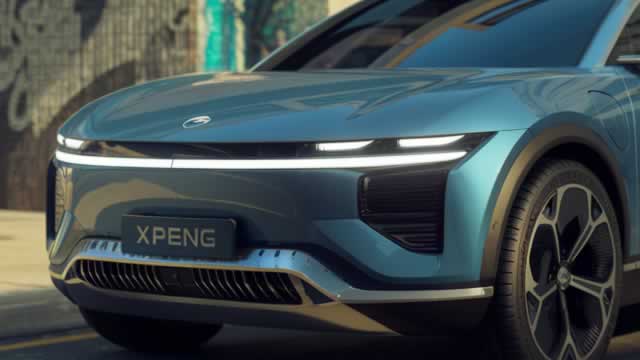
Core Insights - The auto industry is transitioning into the autonomous driving era, with NVIDIA positioned as a leader in AI and computing technologies for automakers [1] - General Motors has deepened its partnership with NVIDIA to integrate advanced computing and AI technologies across vehicle design, production, and driver-assistance systems [2][3] NVIDIA's Technology and Platforms - NVIDIA provides three key platforms: DGX Systems for AI model training, Omniverse for digital simulations, and DRIVE AGX for real-time data processing in vehicles [4][5] - The integration of NVIDIA's DRIVE AGX into GM's next-generation vehicles enhances safety and driver-assistance capabilities, marking a significant advancement from previous GPU usage [3] Collaborations with Other Automakers - Toyota is utilizing NVIDIA's DRIVE AGX Orin platform and DriveOS to enhance its advanced driving assistance technologies [7] - Volvo Cars integrates NVIDIA's DRIVE AGX into electric vehicle models, while Zenseact uses NVIDIA DGX for sensor data analysis [8] - Other automakers like Lucid Motors, Polestar, and Rivian are also aligning with NVIDIA to improve vehicle intelligence [9] Expansion in China - BYD has expanded its collaboration with NVIDIA, now utilizing cloud infrastructure for AI application development and factory planning [10] - Li Auto employs NVIDIA DRIVE processors to enhance its autonomous driving capabilities, moving towards fully autonomous vehicles [11] - XPeng has developed its advanced driving assistance system, XNGP, using NVIDIA's DRIVE platform [12] - NIO has integrated NVIDIA technology since 2014, evolving from basic infotainment to advanced autonomous driving solutions [13] Industry Trends - The partnerships indicate a growing recognition among automakers of the need to integrate advanced computing platforms to remain competitive in a rapidly evolving market [14] - NVIDIA is driving the next wave of mobility by transforming in-car experiences and manufacturing processes, leading to safer and smarter vehicles [15]

XPEV Q4 Loss Narrows Y/Y, Revenues Rise on Strong Vehicle Delivery
ZACKS· 2025-03-19 16:06
Core Insights - XPeng reported a narrower loss of 19 cents per share in Q4 2024 compared to a loss of 21 cents in the same quarter last year, with revenues increasing to $2.21 billion from $1.84 billion, driven by a 52.1% year-over-year increase in vehicle deliveries [1][2] Financial Performance - Vehicle deliveries reached 91,507 units in Q4 2024, with vehicle sales revenues at $2.01 billion, marking a 20% increase year-over-year [2][3] - Gross margin from vehicle sales improved to 10% in Q4 2024 from 4.1% in Q4 2023, while revenues from services and others were $200 million, up 74.4% year-over-year, with a gross margin of 59.6% compared to 38.2% in the prior-year quarter [3] - Total gross margin for Q4 2024 was 14.4%, up from 6.2% in the same quarter of the previous year [3] Expenses and Cash Position - Research and development expenses rose by 53.4% year-over-year to $270 million, while selling, general, and administrative expenses increased by 17.5% to $310 million [4] - As of December 31, 2024, cash and cash equivalents were RMB18.59 billion, down from RMB21.13 billion a year earlier, with long-term borrowings slightly increasing to RMB5.67 billion [4] Q1 2025 Outlook - For Q1 2025, XPeng anticipates vehicle deliveries between 91,000 and 93,000, indicating a year-over-year increase of 317-326.2%, with total revenues expected to be between $2.07 billion and $2.17 billion, reflecting a year-over-year growth of 129.1-139.8% [5]
NIO's Next-Level Battery Swap Push: Time to Buy the Stock Now?
ZACKS· 2025-03-19 15:50
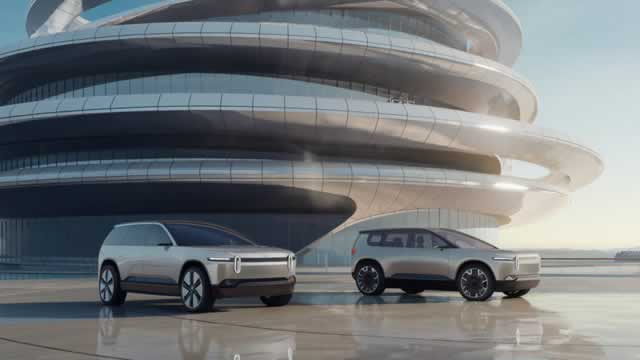
Core Viewpoint - China's electric vehicle (EV) industry is rapidly evolving, with battery swapping emerging as a significant solution to charging challenges, led by NIO Inc. through a partnership with CATL to enhance its battery swap network [1][2]. Battery Swapping Technology - Battery swapping allows drivers to replace depleted batteries with fully charged ones in minutes, addressing the long charging wait times that hinder EV adoption [3]. - China aims to establish over 16,000 battery swap stations by 2025, with projections suggesting battery swapping could represent up to 10% of the global EV market by 2030 [4]. NIO's Position and Growth - NIO operates the largest battery swap network with 3,172 stations and is expected to benefit significantly from the anticipated hundreds of millions of battery swaps annually [4]. - The partnership with CATL is seen as a pivotal moment for NIO, enhancing its leadership in battery swapping and expanding the deployment of CATL's Choco-Swap technology [5][6]. Vehicle Lineup and Delivery Growth - NIO offers nine premium electric models and has launched a more affordable ONVO brand, with the first product, L60, commencing deliveries in September [7]. - NIO delivered 221,970 units in 2024, marking a 30.7% year-over-year increase, with cumulative deliveries reaching 698,619 vehicles as of February 28, 2025 [8]. Financial Performance and Margins - NIO's vehicle margin has improved from 9.2% in Q1 2024 to 13.1% in Q3 2024, with a target of reaching 15% in Q4 2024 [9]. - The company expects to narrow its losses in 2025 and aims for breakeven by 2026, with potential for earlier profitability if execution aligns with expectations [10]. Challenges and Competitive Landscape - NIO's cash reserves have decreased from RMB 32.9 billion in December 2023 to RMB 23.7 billion in September 2024, amid high R&D and expansion costs [11]. - The company faces competition from rivals like XPeng, Li Auto, and BYD, with price wars in the EV sector potentially impacting margins [12]. Stock Performance and Valuation - NIO's stock has increased by 19% year-to-date, outperforming some competitors but underperforming others [13]. - Currently trading at a forward sales multiple of 0.72, NIO appears relatively undervalued compared to peers [16][17]. Future Outlook - The Zacks Consensus Estimate for NIO's 2025 revenue and earnings implies improvements of 46.3% and 28.2%, respectively, with an average brokerage recommendation of 2.72 [20].


LI Q4 Earnings Fall Y/Y, Revenues Rise on Increased Vehicle Delivery
ZACKS· 2025-03-17 15:50
Core Viewpoint - Li Auto reported a decline in earnings per share (EPS) for Q4 2024, despite an increase in revenues driven by higher vehicle deliveries Financial Performance - Q4 2024 EPS was 52 cents, down from 60 cents in the prior-year quarter [1] - Revenues increased to $6.1 billion from $5.9 billion year-over-year, primarily due to a 20.4% increase in vehicle deliveries [1][2] - Vehicle sales amounted to $5.8 billion, reflecting a 5.6% year-over-year increase [3] - Gross profit for Q4 was $1.2 billion, down 8.3% year-over-year, with a gross margin of 20.3%, compared to 23.5% in the prior-year quarter [3] Operating Metrics - Operating expenses decreased by 22% to $721.6 million [4] - Income from operations rose by 22% year-over-year to $507.4 million, with an operating margin of 8.4% [4] - Non-GAAP net income for the quarter was $553.4 million, down 12% year-over-year [4] Cash Flow and Financial Position - Net cash provided by operating activities was $1.2 billion, a significant decrease of 49.8% from the previous year [5] - Free cash flow fell 58.6% to $830.1 million [5] - As of December 31, 2024, cash and cash equivalents were $9.03 billion, down from $12.86 billion a year earlier [5] - Long-term borrowings increased to $1.12 billion from $246 million year-over-year [5] Q1 2025 Outlook - For Q1 2025, Li Auto expects vehicle deliveries between 88,000 and 93,000, indicating year-over-year growth of 9.5% to 15.7% [6] - Total revenues are projected to be between $3.2 billion and $3.4 billion, suggesting a year-over-year decrease of 8.7% to 3.5% [6]


Analysts revise Li Auto stock price target
Finbold· 2025-03-17 15:12
Core Viewpoint - Chinese electric vehicle (EV) companies, particularly Li Auto, have shown strong performance in 2025, contrasting with struggles faced by Western EV makers [1] Company Performance - Li Auto delivered 13,192 vehicles in February 2025, marking a 29.7% year-over-year increase [2] - The stock price peaked at $32.92 following the delivery figures but fell to $26.59 by March 17, resulting in a year-to-date return of 10.82% [2] Analyst Ratings and Forecasts - Jefferies maintained a 'Buy' rating on Li Auto and raised its 12-month price target from $31 to $37.20, indicating a potential upside of 39.9% from current prices [4] - Nomura downgraded Li Auto from 'Buy' to 'Neutral' but increased its price target from $27 to $31, citing uncertainty in near-term shipments [7] - Macquarie also downgraded Li Auto from 'Outperform' to 'Neutral', expressing concerns about sustaining growth outside its EREV niche [8] Market Context - The Chinese EV sector is becoming increasingly attractive amid U.S. recession concerns, but competition is intensifying, with XPeng surpassing Li Auto in deliveries for the first time since 2022 [9] - Recent stimulus measures in China are expected to benefit the entire EV sector, but a detailed comparison between Li Auto and its competitors is necessary [9] Strategic Insights - Jefferies noted that Li Auto has significant potential in the second half of the year, particularly regarding its artificial intelligence initiatives and the deployment of supercharging stations [6]

NIO Before Q4 Earnings: Buy the Stock Now or Wait for the Results?
ZACKS· 2025-03-17 12:51
China-based EV company NIO Inc. (NIO) is slated to release fourth-quarter 2024 results on March 21, before the opening bell. The Zacks Consensus Estimate for the to-be-reported quarter is pegged at a loss of 42 cents a share on revenues of $2.85 billion. Find the latest EPS estimates and surprises on Zacks Earnings Calendar.The loss estimate for the fourth quarter of 2024 has widened by 2 cents a share over the past 60 days. However, the bottom-line projection indicates an improvement from a loss of 45 cent ...
Wall Street Brunch: Is The Force Still Strong With Nvidia?
Seeking Alpha· 2025-03-16 19:20
Group 1: Nvidia and AI Market - Nvidia's GPU Technology Conference (GTC) is anticipated to provide positive updates on demand and production, potentially attracting investors back to tech stocks [2][3] - The iShares Future AI & Tech ETF (ARTY) has seen a decline of 18% from its recent market high, indicating a bearish trend in the AI sector [3] - BofA analyst Vivek Arya expects updates on Nvidia's pipeline, particularly the Blackwell Ultra and Rubin, and its competitive position in China [4] Group 2: Federal Reserve and Economic Projections - Fed Chairman Jerome Powell is expected to face questions regarding the impact of tariffs on growth and inflation during his upcoming press conference [6][7] - Economists from Wells Fargo predict a modest downgrade to economic projections for 2025, with real GDP growth expected to dip below 2.0% [10] - The latest consumer sentiment report shows a rise in inflation expectations, with year-ahead expectations increasing to 4.9% from 4.3% [8] Group 3: Earnings Reports and Market Sentiment - FedEx is projected to report earnings of $4.67 per share on revenue of $21.91 billion, with expectations of improved efficiency and higher margins in FY26 [11] - Other companies reporting earnings include KE Holdings, XPeng, Tencent Music, and ZTO Express, indicating a busy earnings calendar [11][12] - Bill Gross comments on the current market volatility and the potential impact of tariffs on global economies, suggesting a bearish outlook [15][16]