
雷鸟创新

Search documents
博士眼镜:公司已与业内头部智能眼镜厂商阿里夸克等品牌开展合作
Zheng Quan Ri Bao Wang· 2026-01-15 13:44
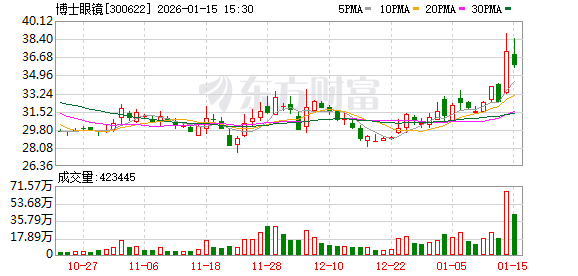
证券日报网讯1月15日,博士眼镜(300622)在互动平台回答投资者提问时表示,公司致力于智能眼 镜"最后一公里"的验配服务,目前,公司已与业内头部智能眼镜厂商阿里夸克、星纪魅族、雷鸟创新、 XREAL、界环、李未可、小米mijia等品牌开展合作。公司将充分发挥自身在品牌、渠道、产品、服务 等方面的优势,为消费者创造舒适清晰视界、助力美好生活。目前公司智能眼镜业务的相关营收占比极 小,请注意投资风险。 ...

博士眼镜(300622.SZ):目前公司智能眼镜业务的相关营收占比极小
Ge Long Hui A P P· 2026-01-15 12:42
格隆汇1月15日丨博士眼镜(300622.SZ)在互动平台表示,公司致力于智能眼镜"最后一公里"的验配服 务,目前,公司已与业内头部智能眼镜厂商阿里夸克、星纪魅族、雷鸟创新、XREAL、界环、李未 可、小米mijia等品牌开展合作。公司将充分发挥自身在品牌、渠道、产品、服务等方面的优势,为消 费者创造舒适清晰视界、助力美好生活。目前公司智能眼镜业务的相关营收占比极小。 ...
博士眼镜:目前公司智能眼镜业务的相关营收占比极小
Mei Ri Jing Ji Xin Wen· 2026-01-15 12:15
(文章来源:每日经济新闻) 每经AI快讯,有投资者在投资者互动平台提问:请问,能不能详细介绍一下贵公司的A眼镜业务?A眼 镜这个赛道,贵公司核心竞争力在哪里? 博士眼镜(300622.SZ)1月15日在投资者互动平台表示,公司致力于智能眼镜"最后一公里"的验配服 务,目前,公司已与业内头部智能眼镜厂商阿里夸克、星纪魅族、雷鸟创新、XREAL、界环、李未 可、小米mijia等品牌开展合作。公司将充分发挥自身在品牌、渠道、产品、服务等方面的优势,为消 费者创造舒适清晰视界、助力美好生活。目前公司智能眼镜业务的相关营收占比极小,请注意投资风 险。 ...

博士眼镜:公司已与业内头部智能眼镜厂商阿里夸克、小米mijia等品牌开展合作
Ge Long Hui A P P· 2026-01-15 11:41
格隆汇1月15日|博士眼镜在互动平台表示,公司已与业内头部智能眼镜厂商阿里夸克、星纪魅族、雷 鸟创新、XREAL、界环、李未可、小米mijia等品牌开展合作,目前公司智能眼镜业务的相关营收占比 极小。 ...
博士眼镜:已与业内头部智能眼镜厂商阿里夸克、小米mijia等品牌开展合作
Di Yi Cai Jing· 2026-01-15 11:34
博士眼镜在互动平台表示,目前,公司已与业内头部智能眼镜厂商阿里夸克、星纪魅族、雷鸟创新、 XREAL、界环、李未可、小米mijia等品牌开展合作。目前公司智能眼镜业务的相关营收占比极小,请 注意投资风险。 ...
博士眼镜:目前公司智能眼镜业务相关营收占比极小
Zheng Quan Shi Bao Wang· 2026-01-15 11:25
人民财讯1月15日电,博士眼镜(300622)1月15日在互动平台表示,公司致力于智能眼镜"最后一公里"的 验配服务,目前,公司已与业内头部智能眼镜厂商阿里夸克、星纪魅族、雷鸟创新、XREAL、界环、 李未可、小米mijia等品牌开展合作。目前公司智能眼镜业务的相关营收占比极小。 转自:证券时报 ...
CES“含深量”9% 全球智能硬件版图重塑两大原因
2 1 Shi Ji Jing Ji Bao Dao· 2026-01-15 11:17
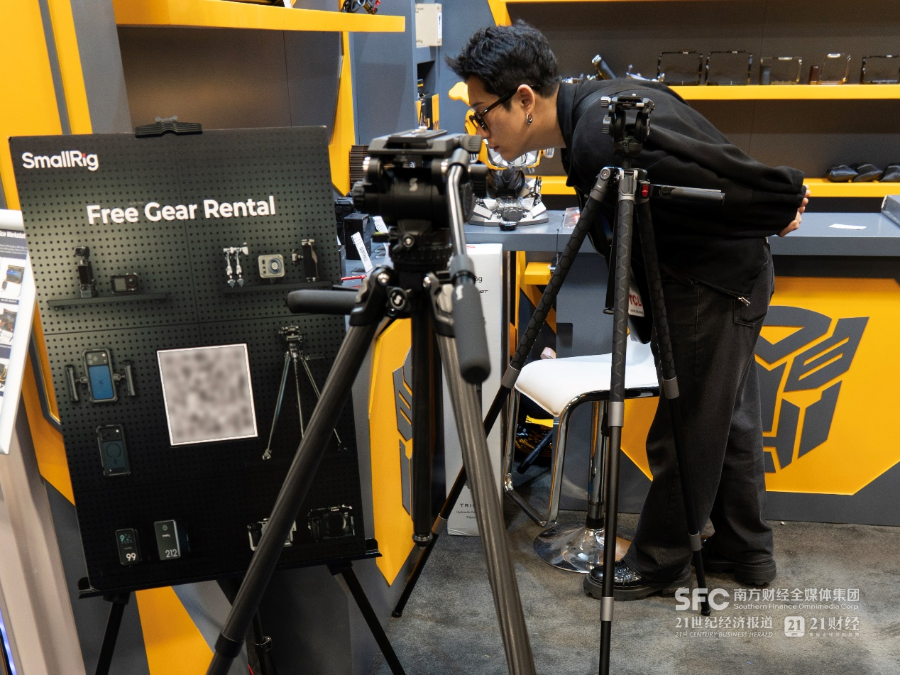
Core Insights - The CES 2026 showcased a significant shift in focus from traditional international brands to the emerging strength of Shenzhen's smart hardware companies, with 370 exhibitors from Shenzhen among over 4100 global participants [4][18] - Shenzhen enterprises are moving towards the ends of the "smile curve," actively defining products and user experiences rather than merely responding to manufacturing demands [6][7] - The event highlighted the importance of user co-creation in product development, with companies like SmallRig and追觅 demonstrating innovative approaches to engage with users and enhance product offerings [8][9] Industry Trends - Shenzhen's smart hardware companies are establishing global influence by not only exporting products but also setting technical standards and creating entire innovation ecosystems [14][15] - The trend of "born global" companies indicates a strategic shift from product sales to value output, emphasizing the importance of core technology and local market integration [15][16] - The focus on localization in overseas markets is becoming crucial, with companies investing in service systems and community ecosystems to build brand recognition and customer loyalty [16][17] Technological Advancements - Shenzhen enterprises have made significant breakthroughs in core technologies, such as robotics and AI, allowing them to redefine hardware capabilities and enhance user interaction [9][11] - Innovations showcased at CES 2026 included advanced robotics with tactile sensing and AI integration, demonstrating the potential of physical AI in real-world applications [11][12] - The introduction of products like雷鸟创新's AR glasses and影石创新's 8K drones illustrates the convergence of AI and hardware, pushing the boundaries of user experience and interaction [12][18]
AI新纪元 谁在制造爆款新广货?
2 1 Shi Ji Jing Ji Bao Dao· 2026-01-14 23:08
Core Insights - The global consumer market is expected to see a strong start in 2026, with various events and product launches highlighting the resilience and innovation of Guangdong manufacturing in the AI era [1][2]. Group 1: Guangdong Manufacturing Evolution - Guangdong has transitioned from traditional manufacturing to high-tech products, with a focus on AI and smart technologies, exemplified by products like AI TVs and AR glasses [1][2]. - The "Guangdong goods" brand has evolved over decades, showcasing a diverse range of products from textiles to electric vehicles, reflecting the region's robust industrial ecosystem [1][2][3]. - The region's manufacturing capabilities have been enhanced by a complete industrial chain, allowing for rapid adaptation to global market trends [1][6]. Group 2: AI Integration and Market Expansion - The "Guangdong Goods Going Global" initiative is set to launch in January 2026, featuring nearly 30 key events and participation from over 6,000 enterprises, aimed at boosting sales and market presence [2]. - AI technology is reshaping the manufacturing landscape, with companies like TCL leading the charge in integrating AI into their product lines, resulting in significant revenue growth [4][5]. - The demand for innovative products, such as smart home devices and autonomous vehicles, is expected to rise, driven by advancements in AI and robotics [5][6]. Group 3: Global Market Presence - Guangdong is a major player in the global manufacturing sector, producing a significant portion of the world's smartphones and drones, with brands like DJI and TCL leading in market share [7][12]. - The region's companies are increasingly focusing on global expansion, moving beyond simple product exports to comprehensive business models and supply chain solutions [12]. - Innovative pharmaceutical companies in Guangdong are gaining international recognition, with products like PD-1/VEGF dual antibodies making strides in the global market [8][9].
巨头加速入局,AI眼镜2026年打响新一轮排位赛
2 1 Shi Ji Jing Ji Bao Dao· 2026-01-14 13:13
Core Insights - The Chinese AI glasses market is entering a new phase after the "Hundred Glasses War" in 2025, with significant developments expected in 2026 as major players like Baidu and ByteDance join the competition [1][2] - Global market dynamics are shifting, with Meta maintaining a dominant position, while Google and Apple are also making strategic moves to capture market share [1][6] Investment and Financing - Companies like Thunderbird Innovation and Flash Technology have recently secured significant funding, indicating strong investor interest in the AI glasses sector [3][4] - Thunderbird Innovation raised over 1 billion yuan, while Flash Technology completed a financing round of nearly 100 million yuan to support the development of new AI glasses [3] Market Dynamics - The AI glasses market is expected to experience explosive growth in 2026, driven by successful commercialization efforts from companies like Ray-Ban Meta and the anticipated entry of tech giants like Apple and Samsung [5][6] - The global AI smart glasses market is projected to grow from 6 million units in 2025 to 20 million units in 2026, with revenue increasing from $1.2 billion to $5.6 billion [9] Competitive Landscape - The entry of major internet and mobile companies is intensifying competition, leading to potential market share erosion for existing players while also creating opportunities for startups [8][9] - The current consumer base for AI glasses primarily consists of early adopters, and the market has yet to establish a strong "must-have" demand [4][5] Technological Advancements - The introduction of eSIM technology is seen as a significant step towards making AI glasses independent devices, enhancing their functionality beyond being mere accessories [3] - Improvements in product quality and user experience are critical for retaining customers, as many users currently engage with AI glasses primarily out of curiosity [4][5] Ecosystem Development - Google is actively working on building an Android XR ecosystem through partnerships with companies like Qualcomm and Samsung, aiming to create a robust hardware ecosystem for smart glasses [6][7] - The ongoing development of the Android XR ecosystem is expected to foster innovation and application expansion in the smart glasses market, although widespread adoption may take time [7][8]




AI新纪元,谁在制造爆款新广货?
2 1 Shi Ji Jing Ji Bao Dao· 2026-01-14 12:42
Group 1 - The global consumer market is expected to see a strong start in 2026, with various events and innovations showcasing new consumption methods and products [1] - Guangdong's manufacturing, known for its high-quality products, continues to evolve with advancements in AI technology, leading to the emergence of new popular products [2][5] - The "Guangdong Goods" brand has a rich history, evolving from traditional products to high-tech innovations like electric vehicles and AI glasses, demonstrating resilience through economic cycles [1][2][6] Group 2 - The "Guangdong Goods Going Global" spring campaign will kick off on January 15, 2026, featuring nearly 30 key events and participation from over 6000 enterprises [2] - The transformation of Guangdong's manufacturing sector is highlighted by companies like TCL, which has successfully transitioned to smart technology and achieved significant revenue growth [4][5] - The integration of AI across various industries in Guangdong, including home appliances and textiles, is accelerating product innovation and market responsiveness [5][6] Group 3 - Guangdong has become a global manufacturing hub, producing a significant share of the world's smartphones and drones, with major brands like Huawei and OPPO leading the market [7] - The rise of innovative pharmaceuticals from Guangdong, such as the dual-target antibody developed by Kangfang Biotech, showcases the region's capabilities in high-tech industries [8][9] - The collaborative environment in innovation hubs like Guangzhou International Bio Island fosters rapid development and commercialization of new products [9][10] Group 4 - The rapid development of AI technology is reshaping global industry dynamics, with companies in Guangdong leveraging this to enhance their competitive edge [5][11] - The CES exhibition highlighted the global appeal of new Guangdong products, indicating a shift from simple product exports to comprehensive global strategies [12] - Companies like Raybird Innovation and others are achieving significant market shares in their respective fields, reflecting the successful globalization of Guangdong's manufacturing [12]