
Kimi

Search documents
从单打到团战,杨植麟又交新作业
3 6 Ke· 2026-01-27 23:51
Core Insights - Chinese AI companies are demonstrating their capabilities with significant model updates just weeks before the Chinese New Year, with DeepSeek, Qianwen, and Kimi leading the trends on social media [1] - Kimi's new model K2.5 has been released, showcasing advancements in visual understanding, coding aesthetics, and the introduction of an "Agent cluster" feature, marking a strategic shift towards deliverable outcomes [3][5] Group 1: Kimi's Model Release - Kimi's K2.5 model integrates visual understanding, text reasoning, deep thinking, and instant response into a unified architecture, addressing the fragmentation seen in existing AI systems [6] - The K2.5 model achieved a score of 76.8 in the SWE-bench Verified benchmark, indicating its competitive programming capabilities [6] - Kimi's focus on "Coding aesthetics" aims to simplify the coding process for users, allowing them to create sophisticated applications without extensive coding knowledge [8][10] Group 2: Agent Cluster Feature - The introduction of the "Agent cluster" capability allows K2.5 to manage complex tasks by dynamically creating and coordinating multiple AI agents, potentially reducing project completion times from days to minutes [12][13] - This feature is currently in Beta testing, with its success dependent on the stability and quality of task execution in real-world scenarios [13] Group 3: Strategic Goals and Market Positioning - Kimi aims to position K2.5 as the best "Agentic model" in the open-source landscape, emphasizing research and development while competing in the commercial market [14] - The long-term vision includes embedding K2.5 into everyday workplace software, enabling users to generate professional-level outputs through natural language requests [17][20] - The focus on enhancing agent capabilities is seen as crucial for deepening AI applications across various industries, shifting the evaluation of AI products from mere performance scores to their practical value in real-world workflows [21]

AI进化速递丨阿里发布千问旗舰推理模型Qwen3-Max-Thinking
Di Yi Cai Jing· 2026-01-27 13:22
Group 1 - Alibaba officially launched the Qwen3-Max-Thinking flagship reasoning model [1] - Kimi announced the release and open-sourcing of the Kimi K2.5 model [1] - MiniMax M2.1 × Clawdbot aims to create an open-source AI assistant to build a super-intelligent workflow [1] Group 2 - Microsoft introduced the next-generation AI chip, Maia 200 [1] - NVIDIA released the AI "Earth-2" system, designed to enhance weather forecasting accuracy [1]



AI进化速递丨DeepSeek发布DeepSeek-OCR 2模型
Di Yi Cai Jing· 2026-01-27 13:15
Core Insights - The article highlights significant advancements in AI technology with the release of new models and chips by various companies, indicating a competitive landscape in the AI sector. Group 1: AI Model Releases - DeepSeek has launched the DeepSeek-OCR 2 model, enhancing optical character recognition capabilities [1] - Alibaba has officially released its flagship reasoning model, Qwen3-Max-Thinking, marking a significant step in AI development [1] - Kimi announced the release and open-sourcing of the Kimi K2.5 model, contributing to the open-source AI community [1] - MiniMax introduced the MiniMax M2.1 × Clawdbot, aimed at creating an open-source AI assistant to build superintelligent workflows [1] Group 2: AI Hardware Developments - Microsoft has unveiled the next-generation AI chip, Maia 200, which is expected to improve AI processing capabilities [1] - NVIDIA has released the AI "Earth-2" system, designed to enhance the accuracy of weather forecasting [1]

对话长江商学院梅丹青:AI时代金融服务的核心特征在于“可规模化的定制化”
Xin Lang Cai Jing· 2026-01-27 02:17
Group 1 - The core viewpoint is that the financial system in China is at a historical juncture, with a focus on building a strong financial nation and enhancing the quality and resilience of the financial system during the "14th Five-Year Plan" period [1][17] - AI is expected to have a disruptive long-term impact on the financial industry, shifting the focus from process optimization to cognitive and decision-making intelligence enhancement [1][8] - The concept of the "impossible triangle" in finance—serving a large number of clients, providing highly customized services, and maintaining controllable costs—is becoming feasible in the AI era, characterized by "scalable customization" [1][8][24] Group 2 - The current phase is critical for integrating AI into the financial system, as the capabilities of large models are nearing a bottleneck, and the focus is shifting towards combining engineering capabilities with existing model capabilities for sustainable development [6][22] - Key investments in AI should focus on integrating business processes with AI, assessing AI's risk boundaries, and determining when human intervention is necessary, rather than merely investing in hardware or model training [6][22][23] - The financial industry emphasizes reliability and stability over rapid innovation, leading to a cautious approach in AI adoption, especially in the exploration phase before 2025 [9][25] Group 3 - Data security is a significant concern in the financial industry when integrating AI, as financial data is highly sensitive, necessitating careful handling and innovative solutions for model training [10][26] - A potential solution for data sensitivity is the local deployment of open-source large models, although this may pose higher costs for smaller institutions [10][26] - Financial institutions need to balance data security, model capabilities, and engineering feasibility to leverage AI effectively without compromising core assets [11][27] Group 4 - In the secondary market, AI applications are already widespread, with institutions using machine learning for investment decision-making, while the primary market is slower to adopt due to higher information asymmetry [12][28] - The future trend in the primary market is likely to be a "human-machine combination" model, where AI provides valuation benchmarks, but human judgment remains crucial for investment decisions [13][29] - The financial industry should focus on direct applications of AI rather than excessive investment in retraining large models, as the core task is to effectively utilize existing models [15][30]

B+轮融资刷新 AI 行业记录!这家大模型公司凭啥融这么多钱?
佩妮Penny的世界· 2026-01-26 04:05
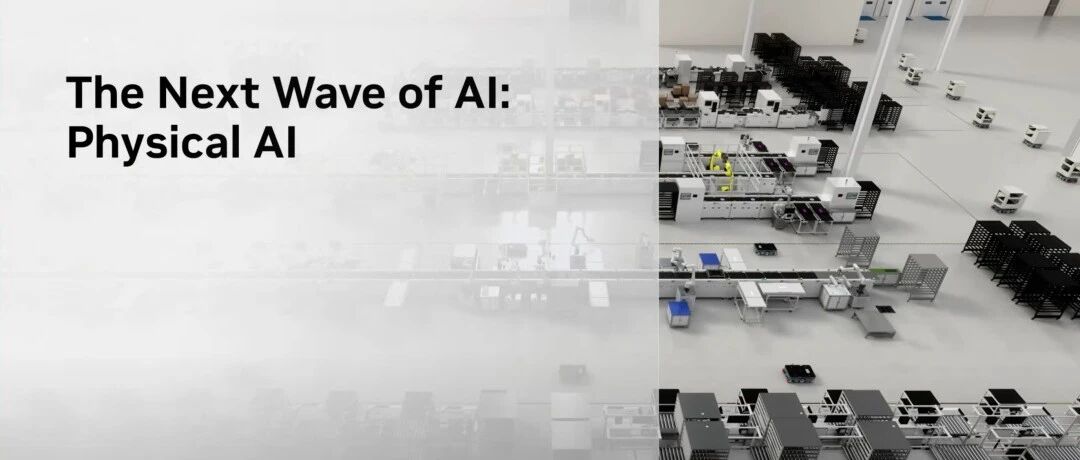
Core Viewpoint - The article discusses the current landscape of domestic AI companies, particularly focusing on the potential of the company "阶跃星辰" (Step O) in the AI and hardware integration space, highlighting its recent funding success and strategic positioning in the market [1][3][4]. Group 1: Company Overview - Currently, there are four notable domestic AI companies: 智谱 (Zhipu), Minimax, 月之暗面 (Moon's Dark Side), and 阶跃星辰 (Step O) [1]. - 阶跃星辰 has recently secured over 5 billion RMB in B+ round financing, marking the highest single financing record in the large model sector over the past 12 months [1][3]. - The company is perceived as a low-profile player, focusing on technology and industry rather than consumer-facing marketing [5]. Group 2: Investment Landscape - The investment landscape for 阶跃星辰 includes notable backers such as Tencent and Qiming Venture Partners, indicating strong support from both internet giants and professional financial investors [4]. - The funding round attracted a diverse range of investors, including industry leaders like 华勤技术 (Huaqin Technology) and state-owned enterprises, showcasing a blend of market-driven and state-backed investment [4]. Group 3: Industry Trends - The article emphasizes the shift towards "Physical AI," which integrates AI capabilities with physical hardware, as a significant trend in the industry [8][10]. - The focus on AI-enhanced hardware, particularly in smartphones and vehicles, is highlighted as a key area for growth, with predictions of substantial market expansion in AI-enabled devices [13][15]. Group 4: Business Model and Market Position - 阶跃星辰 aims to create a comprehensive AI + terminal solution, positioning itself similarly to Tesla's approach, targeting a multi-billion dollar market opportunity [7][15]. - The company has established partnerships with over 60% of domestic smartphone manufacturers, indicating a strong market presence and integration of its AI models into various devices [15][23]. - The business model is based on a combination of one-time engineering fees and API consumption, aligning incentives for both 阶跃星辰 and its partners to enhance user experience [23]. Group 5: Team and Leadership - 阶跃星辰's leadership team includes experienced professionals from major tech companies, enhancing its capability in AI and product development [24][27]. - The CEO, a former global vice president at Microsoft, brings significant expertise in natural language processing and product management, which is crucial for the company's growth [24]. - The team’s focus on Physical AI and deep integration with hardware sets 阶跃星辰 apart from other AI companies, positioning it as a leader in the domestic market [27][28].
38岁姚班天才,又有了新身份
3 6 Ke· 2026-01-26 02:22
Core Insights - The AI industry in China is witnessing a clear division among leading companies, particularly with the recent appointment of Yin Qi as chairman of the AI startup Jumpspace, while also leading Qianli Technology [1][6]. Group 1: Leadership and Strategic Moves - Yin Qi, co-founder of Megvii and now chairman of Qianli Technology, has taken on the role of chairman at Jumpspace, indicating a strategic focus on integrating AI with physical products [1][3]. - Jumpspace, founded in 2023, is recognized as a significant player in the AGI sector, attracting top talent and achieving notable success in international model evaluations [3][5]. Group 2: Company Developments and Collaborations - Qianli Technology has been actively collaborating with Geely and has launched the "Qianli Haohan" intelligent driving system, marking its entry into commercial solutions [5][6]. - The recent launch of the G-ASD brand at CES 2026 signifies Qianli's commitment to bringing its intelligent driving solutions to market [5]. Group 3: Industry Trends and Challenges - The AI model industry is facing challenges, including a lack of real-world applications and data, while terminal companies require advanced AI capabilities [7]. - The combination of Jumpspace's AI expertise and Qianli's engineering capabilities is expected to enhance the practical application of AI technologies in vehicles and robotics [7][6]. Group 4: Personal Background and Vision - Yin Qi's background in software and sensor research reflects a strong interest in the intersection of AI and the physical world, emphasizing a long-term vision for practical applications [7][8]. - Despite past commercial challenges, Yin Qi maintains a consistent judgment approach, focusing on delivering clear customer and business value [8].
深度|AI吞噬软件,AI构建AI,来自达沃斯的2026预测
Z Potentials· 2026-01-25 11:03
Core Concept - The article discusses the emerging concept of "Neural Spine," which represents a shift in how organizations perceive and integrate AI into their core operations, moving from AI as a tool to AI as the backbone of the organization [2]. Group 1: Defining AI-Native Companies - Traditional companies focus on optimizing existing workflows with AI, while AI-native companies start with the premise of "what can we create with unlimited intelligence" [3]. - A company is considered AI-driven when three to five core workflows across its business lines are fully executed by AI, moving beyond simple AI applications [3]. Group 2: Measuring Organizational Efficiency - A new metric, Human-to-Agent Ratio, is proposed to measure organizational efficiency, highlighting that some companies operate with a small number of human employees supported by numerous AI agents [4]. - The trend of "Bring Your Own AI" (BYOAI) indicates that individuals are increasingly using AI tools in their work, enhancing productivity and resonating with organizational changes [4][5]. Group 3: The Transformation of Software - The notion that "AI is consuming software" suggests a shift where software becomes less visible, with AI enabling natural language interactions to access software functionalities [8]. - The cost of AI capabilities has dramatically decreased, with the average cost of AI inference dropping by 100 times in the past year, leading to the concept of disposable software [9]. Group 4: Building Trust in AI - Trust is a significant barrier to integrating AI into core business processes, with compliance and governance being major concerns for large enterprises [11]. - Establishing transparency in AI processes is essential for building trust, requiring AI to provide traceable reasoning and decision-making processes [12]. Group 5: Future Predictions for AI - Predictions for the future include AI developing its own models and exhibiting continuous learning capabilities, which could revolutionize how AI is applied in business [13]. - The importance of agent orchestration and understanding the dynamics of multi-agent systems will be critical as AI becomes more integrated into business processes [14]. Group 6: Unique Aspects of China's AI Ecosystem - China's AI ecosystem is characterized by a focus on foundational research and innovation to achieve efficiency, leveraging market scale and user openness [15].
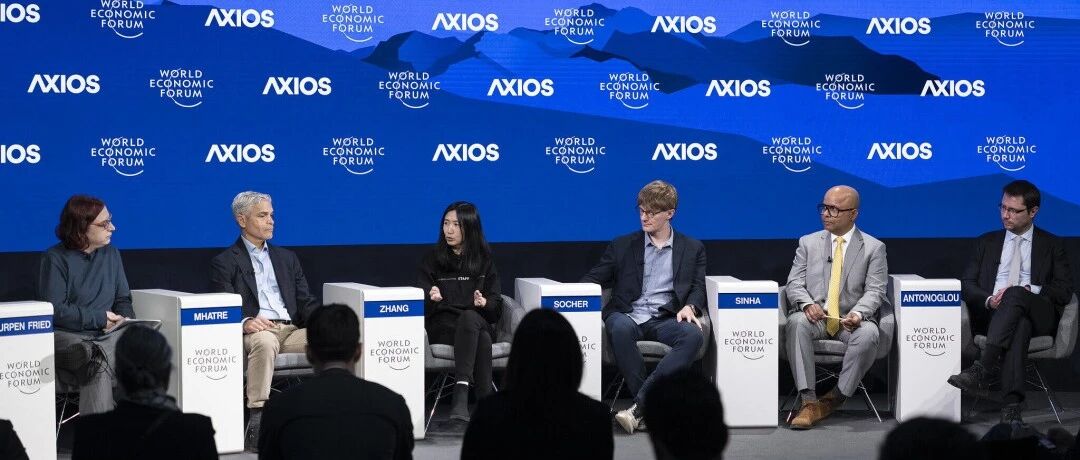
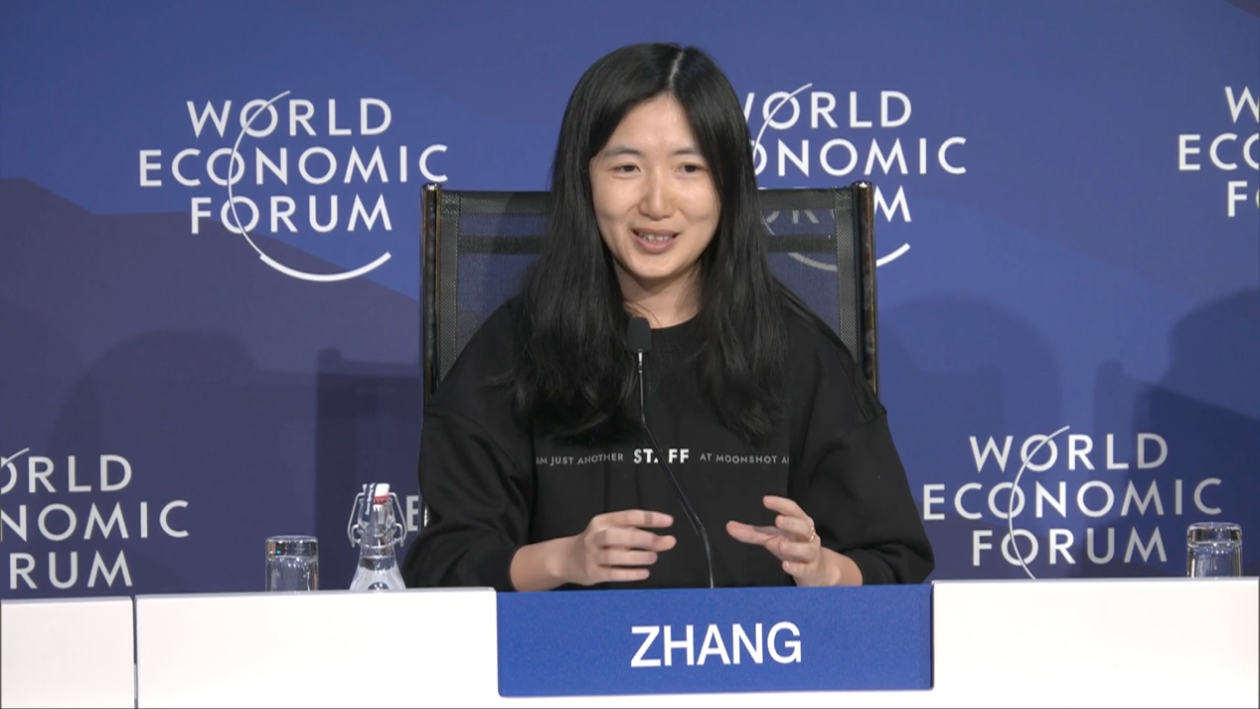
Kimi总裁张予彤:以1%资源对标全球领先者,解码中国AI的效率优势
Huan Qiu Wang· 2026-01-22 07:29
Core Insights - The article discusses the competitive advantages of China's AI industry as articulated by Zhang Yutong, President of Kimi, during the World Economic Forum in Davos [1] Group 1: China's AI Competitive Advantages - China's AI industry benefits from a large-scale market, with its vast manufacturing and retail sectors providing unique use cases for AI, enabling companies to create scalable systems that efficiently iterate technology in real-world applications [3] - The societal openness and acceptance of new technologies in China enhance the adoption of productivity tools, as evidenced by the rapid development of sectors like electric vehicles and solar energy [3] - China's investment in digital infrastructure, including power supply and data centers, reduces energy acquisition costs and supports technological innovation without energy constraints [3] Group 2: Asymmetric Competition with the U.S. - Kimi operates with only 1% of the resources available to top U.S. laboratories, yet has developed leading open-source models that outperform some proprietary models in specific performance metrics [3] - The company emphasizes engineering thinking in research to ensure algorithm innovations can be reliably scaled in production systems, achieving significant efficiency improvements [3] Group 3: Democratization of Skills through AI - AI is enabling a shift towards equalized productivity, allowing individuals without coding skills to showcase their talents through AI-generated web code [4] - The cost of AI inference has dramatically decreased over the past year, leading to the emergence of "intelligent" as a new universal language, transforming software interaction from complex GUIs to natural language commands [5] Group 4: Future of Work and Organizational Structure - Kimi's lean workforce of around 300 supports extensive model development and application operations for millions of users, demonstrating high operational leverage through the use of intelligent agents [5] - Future AI organizations will prioritize general intelligence and learning capabilities over traditional functional roles, reshaping labor markets and corporate structures [5] - A new model from Kimi is anticipated to be released soon, indicating ongoing innovation in the AI space [5]
未知机构:谷歌Gemini调用量增长140Kimi正敲定新一轮融资OpenAI202-20260121
未知机构· 2026-01-21 02:15
Summary of Key Points from Conference Call Records Industry and Company Overview - **Google**: Significant growth in API usage for the Gemini model, indicating strong demand in the AI sector - **Kimi**: In the process of securing new financing, reflecting ongoing investment interest in tech startups - **OpenAI**: Projected substantial revenue growth, highlighting the increasing monetization of AI technologies - **Feishu (Lark)**: Launch of new AI hardware, showcasing innovation in AI applications and integration Core Insights and Arguments - **Google Gemini Usage**: - API calls for the Gemini model increased from approximately 35 billion to about 85 billion, achieving over 140% growth since the release of version 2.5 in March 2025 [1] - The number of enterprise subscription users for Gemini has reached 8 million, indicating strong market adoption [1] - **Kimi Financing**: - Kimi is finalizing a new round of financing with a pre-money valuation of $4.8 billion, suggesting confidence in its business model and future prospects [2] - **OpenAI Revenue Projections**: - OpenAI's annual revenue is expected to exceed $20 billion in 2023, $60 billion in 2024, and over $200 billion in 2025, marking a tenfold increase over three years [3] - The company's computational capacity is projected to grow from 0.6 GW in 2024 to 1.9 GW in 2025, indicating significant investment in infrastructure [3] - Future focus areas include "intelligent agents" and workflow automation, with a priority on practical applications in healthcare, science, and enterprise by 2026 [3] - **Feishu AI Hardware Launch**: - Feishu, in collaboration with Anker Innovations, launched the Anker AI Recording Bean, which integrates AI capabilities with hardware [4] - The device supports direct recording into the Feishu ecosystem, enhancing productivity and document management [4] Other Important Insights - The rapid growth in API usage for Google's Gemini model reflects a broader trend in the AI industry towards increased adoption and reliance on AI technologies [1] - Kimi's valuation and financing efforts highlight the competitive landscape in the tech startup sector, where significant capital is being raised [2] - OpenAI's ambitious revenue targets and infrastructure expansion underscore the potential for AI to transform various industries and generate substantial economic value [3] - The collaboration between Feishu and Anker Innovations illustrates the convergence of software and hardware in the AI space, aiming to enhance user experience and functionality [4]


未知机构:基础模型厂商的价值依然被低估华泰计算机0120我-20260120
未知机构· 2026-01-20 02:10
Summary of Conference Call Notes Industry and Companies Involved - The discussion primarily revolves around the AI model industry, specifically focusing on companies such as Zhipu and MiniMax, which are involved in foundational model training and deployment [1][2]. Core Insights and Arguments - **Misunderstanding of Business Models**: Many leaders still perceive Zhipu as a company focused on B2B project deployment and MiniMax as a B2C internet application provider. The report argues that these applications are merely commercial representations to provide visible returns to investors, while the true core lies in their foundational model training capabilities, which are among the top tier globally in open-source models [1]. - **Valuation of Kimi**: Kimi, a pre-IPO company, completed a $500 million financing round at the end of December, achieving a valuation of $4.3 billion. Shortly after, Kimi initiated another financing round with a pre-investment valuation of $4.8 billion. This rapid increase indicates a fear of missing out (FOMO) in the primary market regarding investments in large models, suggesting a re-evaluation of the value of domestic large models [1]. - **Recognition of AI Model Companies**: MiniMax's founder, Yan Junjie, participated in a significant roundtable discussion, becoming the second representative from an AI large model company to do so, following DeepSeek's founder. This participation highlights the industry's acknowledgment of the position of large model manufacturers [2]. - **Differences in AI Development**: The current wave of AI differs fundamentally from the previous wave of computer vision. While computer vision primarily addressed single recognition tasks, general large models possess greater potential across various domains such as work, life, and scientific discovery. The report suggests that this time, there will not be a decline in technology premium due to control by terminal manufacturers [3]. - **Market Potential of Foundational Models**: The report emphasizes the need to evaluate the valuations of Zhipu and MiniMax from a higher perspective, considering the contribution of large models to global GDP and the market share they could capture in the future. It suggests that the commercialization of large models is still evolving, with many pathways yet to be explored [3]. Other Important but Potentially Overlooked Content - **Product Launches and Market Awareness**: The recent launch of Anthropic's CoWork Agent product, which was entirely coded using Cloud Code, quickly gained popularity, further highlighting the potential embedded within foundational model manufacturers [3].