佩妮Penny的世界

Search documents
AI 时代,只要你学得足够慢,就可以不用学?
佩妮Penny的世界· 2026-03-30 11:53
Core Viewpoint - The article discusses the rapid changes brought by AI in the workplace, emphasizing the necessity for individuals to adapt and present themselves as proficient in AI to remain relevant in their jobs [1][4]. Group 1: Impact of AI on Employment - Companies are increasingly requiring employees to integrate AI into their daily workflows, making it a key performance metric [4]. - There is a notable decline in the demand for entry-level positions, with companies preferring candidates who demonstrate strong AI skills over traditional qualifications [9][10]. - The hiring practices have shifted, with firms now favoring candidates who can effectively utilize AI tools, leading to a reduction in the hiring of interns and junior staff [12]. Group 2: AI's Role in Job Efficiency - AI tools are becoming more efficient than junior employees, with one junior analyst plus AI being able to support multiple senior analysts [12]. - The efficiency of AI in specific tasks is highlighted, with AI potentially outperforming individuals with less than three years of experience in certain fields [13]. - The reliance on AI has led to concerns about the quality of work produced, as many young professionals may lack the ability to critically assess AI-generated outputs [13]. Group 3: Job Market Trends - The article lists the top ten occupations at risk of being replaced by AI, including computer programmers (74.5% exposure) and customer service representatives (70.1% exposure) [18]. - There is a demographic trend where certain groups, such as women and individuals with graduate degrees, are more affected by AI's impact on job security [18]. - The shift in job requirements indicates that traditional educational qualifications are becoming less valuable compared to practical AI skills [19]. Group 4: Future of Work - The future workforce may see a division where AI handles tasks it excels at, while humans focus on areas requiring creativity and problem-solving [19]. - The article suggests that young professionals should embrace self-employment and flexible work arrangements as a response to the changing job landscape [21]. - The importance of retaining human qualities such as imagination and curiosity is emphasized as essential for navigating the evolving work environment [23].

中欧VC投资大对账:在欧洲做VC,工作生活是一种什么体验?
佩妮Penny的世界· 2026-03-26 07:51
Core Insights - The podcast industry is gaining popularity due to its flexibility and ability to provide in-depth discussions, making it suitable for various listening scenarios [3][5] - The content quality in the Chinese internet space is perceived to be highest in WeChat public accounts and podcasts, with long videos being less favored due to high production costs [3][5] - The podcast episode features a discussion between a Chinese host and a guest from Germany, focusing on the differences and similarities in the VC ecosystems of Europe and China [5][7] Group 1: VC Ecosystem Comparison - Both European and Chinese VCs are increasingly investing in full industry chain and self-sufficiency, with hard technology being a major focus in both regions [7] - There is a notable absence of a financial advisor (FA) ecosystem in Europe, as founders are more publicly engaged and often take on roles that would typically be filled by FAs in China [7] - The conversation highlighted the challenges faced by projects seeking funding from overseas institutions, particularly in avoiding investments in Chinese projects [7] Group 2: Investment Trends and Challenges - Key investment areas in Europe include defense, climate technology, robotics, and commercial aerospace, reflecting a trend towards hard technology and self-sufficiency [7][11] - The podcast discusses the high tax rates in Germany, which can impact innovation and investment dynamics, with taxes reaching up to 50% [11][12] - The episode also touches on the current state of Chinese dollar funds, which have ample capital but face challenges in new fundraising, with investment logic often aligned with national interests [12] Group 3: Professional Insights and Experiences - The experience of transitioning from consulting to VC is explored, emphasizing the differences in project sourcing and competition intensity between Europe and China [11] - The podcast discusses the work-life balance in the European VC environment, characterized by a structured work schedule and online networking [11][12] - The discussion includes insights on the integration of Asian professionals in the German workplace, highlighting both opportunities and challenges [12]

第一个把金融投研和 OpenClaw结合得这么好的产品,太强大了!
佩妮Penny的世界· 2026-03-12 09:31
Core Viewpoint - The article discusses the launch of AlphaClaw, a new desktop version of AlphaEngine, which significantly enhances the capabilities of AI tools in investment research and analysis, providing a more comprehensive and user-friendly experience for financial professionals [3][8][11]. Group 1: Product Features and Capabilities - AlphaClaw is designed for professional financial institutions, offering a user-friendly interface that requires minimal setup, making it accessible for users without extensive technical knowledge [10][11]. - The product leverages Claude Opus 4.6, a powerful coding model, combined with proprietary agents tailored for investment research, enhancing its functionality beyond traditional AI applications [10][11]. - It includes built-in financial analysis engines and skills, ensuring accurate and reliable data sources for investment decisions [11]. Group 2: Use Cases and Applications - Users can automate portfolio reviews and asset allocation analyses, integrating data from various markets, including A-shares, Hong Kong stocks, US stocks, and cryptocurrencies [12][14]. - The AI can assist in generating reports and analyses based on user-defined parameters, such as asset performance and market trends, streamlining the research process [14][19]. - AlphaClaw can also be used for new stock scanning and analysis, providing structured frameworks for evaluating investment opportunities in both A-shares and Hong Kong stocks [20][26]. Group 3: Security and Compliance - The desktop version allows for secure data handling, enabling users to analyze local reports without transmitting sensitive information to the cloud, thus addressing data privacy concerns [11]. - The product emphasizes the importance of using AI for research and analysis rather than executing trades directly, ensuring compliance with financial regulations [12]. Group 4: Industry Impact and Future Outlook - The rapid evolution of AI tools in finance is highlighted, with predictions of significant growth in token consumption and the emergence of new products that will benefit the entire financial ecosystem [43]. - The article suggests that AI's integration into financial services could lead to a high replacement rate for entry-level positions, emphasizing the need for professionals to adapt and leverage AI to enhance their skills [40][41].
如果你也有OpenClaw龙虾焦虑,看这里
佩妮Penny的世界· 2026-03-10 09:59
Core Viewpoint - The article discusses the emergence and potential of OpenClaw, an AI tool that enhances productivity and creativity, suggesting it could revolutionize various industries and personal workflows [15][23]. Group 1: OpenClaw's Impact and Functionality - OpenClaw addresses multiple needs, including the demand for new AI trends, enabling ordinary users to pay for tokens, and providing solutions for young people's employment challenges [11]. - The tool represents a shift from traditional automation to a more flexible, user-driven approach, allowing users to generate or find skills to solve their problems [15]. - OpenClaw's capabilities have evolved from handling 20% of tasks to potentially managing 80%, indicating a significant increase in AI's utility [15]. Group 2: User Engagement and Market Trends - The article highlights a growing trend of users engaging with AI tools, reflecting a broader societal shift towards automation and AI integration in daily tasks [4][18]. - There is a noted anxiety among users regarding the security and reliability of fully automated AI systems, as illustrated by humorous anecdotes about automated functions [9]. - The narrative emphasizes the importance of identifying productive needs rather than merely consumer-oriented tasks, suggesting that AI can significantly enhance productivity for creators and entrepreneurs [18][21]. Group 3: OpenClaw's Development and Future Prospects - OpenClaw was developed by Peter Steinberger, who quickly gained recognition for creating a highly successful open-source project, reflecting the potential for technology to change individual fortunes [23]. - The rapid adoption of AI-generated code in startups indicates a transformative trend in how businesses operate and innovate [23]. - The article anticipates that various industries will see new products leveraging AI capabilities, suggesting a continuous evolution in the market landscape [23].
美伊导弹打到我股票账户来了,怎么办?
佩妮Penny的世界· 2026-03-04 09:50
Core Viewpoint - The article discusses the impact of geopolitical conflicts, particularly the Israel-Iran situation, on global markets and investment strategies, emphasizing the importance of low entry costs and long-term trends in investment decisions [2][3][10]. Market Analysis - The Israeli stock market has shown resilience with significant gains across various indices, such as TA35 (+4.61%), TA125 (+4.75%), and TA90 (+5.14%) [1]. - The TASE VIX, a measure of market volatility, decreased by 18.12%, indicating reduced market fear despite geopolitical tensions [1]. Investment Strategy - The article highlights the importance of entering markets at low costs to maintain a favorable holding position, especially in volatile environments [2]. - It suggests that current geopolitical tensions may present opportunities for investment in certain sectors, provided that the situation does not escalate into a larger conflict [3]. Historical Context - A comparison is made to a previous Israel-Iran conflict in June 2025, which lasted 12 days, noting that commodities like gold and oil peaked during the conflict but returned to previous levels shortly after [10]. - The current conflict is deemed more severe, with no immediate signs of a ceasefire, which could lead to prolonged market impacts [10]. Commodity Insights - The article discusses the potential for significant price increases in oil and natural gas if the conflict persists beyond a month, marking it as a major supply-side shock since the Russia-Ukraine conflict in 2022 [15]. - It emphasizes the need to reassess resource stocks with a focus on fundamentals and the integration of AI and other technological advancements into the investment strategy [16][17]. Future Outlook - Predictions for 2026 suggest a differentiated market for resource stocks, driven by performance fundamentals and alignment with technological trends [16][17]. - The article advocates for a balanced investment approach, combining technology and resource sectors to hedge against market volatility [20].

打了两年,花了1000 万美金律师费的跨国官司赢了,还卖了一百亿
佩妮Penny的世界· 2026-02-27 11:07
Core Viewpoint - The article highlights the recent legal victory of Yingshi Innovation over GoPro, affirming the company's ability to innovate independently and removing compliance barriers in the North American market [1][3]. Group 1: Legal and Market Position - Yingshi Innovation won a two-year patent infringement lawsuit against GoPro, with the U.S. International Trade Commission ruling in favor of Yingshi, allowing unrestricted sales in the U.S. [1] - The victory is seen as a validation of Chinese companies' innovation capabilities, marking a shift from merely copying to genuine innovation and global expansion [3]. Group 2: Financial Performance - In 2025, Yingshi reported total revenue of 9.858 billion yuan, a year-on-year increase of 76.85%, with Q4 showing a growth rate of 92% [13][14]. - R&D investment reached 1.649 billion yuan in 2025, exceeding the total of the previous three years, with cumulative R&D spending over 3 billion yuan in the past seven years [13]. Group 3: Market Trends and Product Development - Yingshi's stock price doubled within a month after its IPO, reaching a peak of 37.7 yuan, with market capitalization soaring from 70 billion to 140 billion yuan [5]. - The company is expanding into the consumer drone market, with the launch of its first panoramic drone, "Yingling A1," achieving sales of 30 million yuan within 48 hours [21]. Group 4: Future Outlook - Yingshi plans to release new products, including a handheld gimbal camera with long-focus capabilities, targeting a rapidly growing market [18][21]. - The company is positioned to capture significant market share in the consumer drone and smart imaging sectors, which are projected to grow to 30-40 billion yuan annually [21].

恒生科技确实实惨,但是你先别慌
佩妮Penny的世界· 2026-02-26 10:51
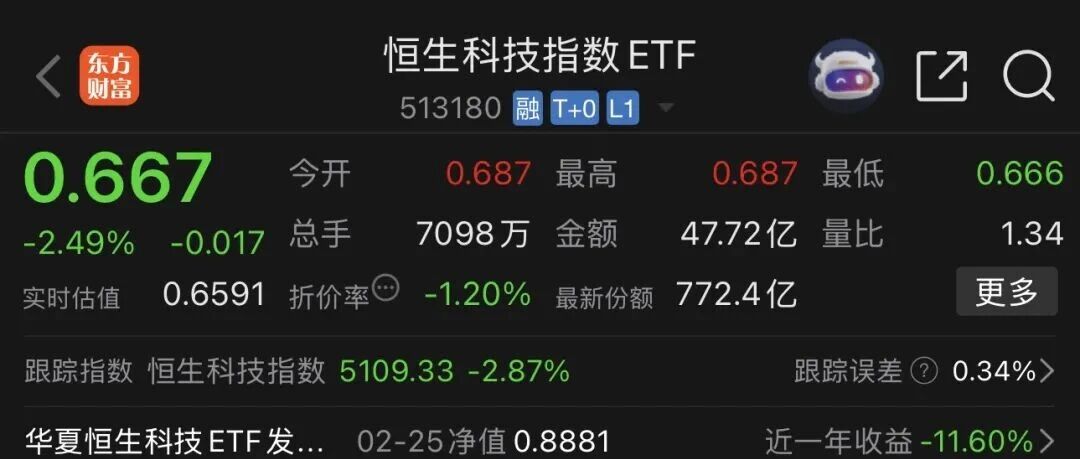
大家好,我是 Penny。 最近恒生科技实在是跌得太惨了,很多朋友都在鬼哭狼嚎。今年又跌了 2.49% ,绿油油的。 我其实没啥心理波动哈,不管你信不信,我现在恒生科技还有将近 30% 的盈利。 因为我是从港股最惨的那几年开始买的,而且我其实一直都还在保持定投,因为我一直觉得它始终都不贵。 整体的恒生 ETF 就不一样了,我 在高点已经 卖了一半 了。 但是我觉得还是很有必要给大家分析一下,先 稳住 。 你买指数大概也要知道你到底买的是一篮子什么股票:它为什么跌,跌到哪了,未来还有没有可能涨回来。 这样你才有可能拿得住。 (上一张真实交易记录镇楼) 首先,恒生科技指数是代表着经过筛选之后, 市值最大的 30 家跟科技主题最相关的香港股票。 我看了一下,每年会替换 2-5 只以内股票, 主要的筛选标准应该是科技含量。比如说 25 年就把众安在线、阅文集团 、东方甄选这种踢出去 了, 换了 零跑、比亚迪、地平线、腾讯音乐 这些进来 。 大概可以体会一下风格。 目前前十大成分股就是这些: | 证券代码 | 证券名称 | 权重 | 自由流通市值(亿元) | 申万一级行业 | | --- | --- | --- | - ...
关于这波软件股崩塌我的看法
佩妮Penny的世界· 2026-02-25 11:14
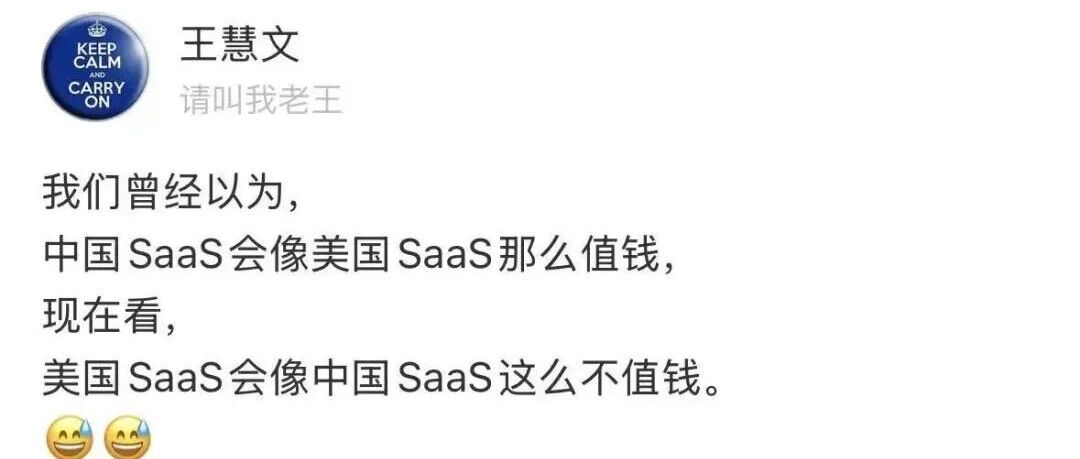
大家好,我是佩妮。 最近的鬼故事特别多,一二级市场的朋友肯定也都关注到了。比如: 1)首先是软件行业受到冲击,美股软件股近万亿美元的市值蒸发,被称为 "软件行业的 DeepSeek 时刻" 。 2)接着又来了一篇" 从 2028 年穿越回来" 的全球 AI 危机小作文,把美股都带崩了一点。 虽然那篇小作文我看着感觉也是 AI 生产的,那属实是 AI 做空 AI,感觉这 AI 还挺有正义感的,哈哈哈。 所以,坏消息:美股软件saas股都崩了。 好消息: 中国的软件股没有真正的saas。。。 作为之前看过一段时间软件的一级投资人,咱们不能纯吃瓜群众,还是要深入分析一下。 今天就先说软件了,如果全部一起说了,篇幅太 长。 我们先来总结一下海外关于这波软件股大抛售的核心观点,然后再看看这次崩塌到底是机会,还是真正危机的前兆。 首先,关于国内广为传播的那两篇"小作文",我觉得咱们尽量不要去管它背后是什么,主要讨论观点。因为我看到有人把那篇"2028 年穿越回 来"的宏观文章当成是研报,那显然不是,毕竟那个机构成立也没多久,其实并没有多大名气。 首先,关于软件股崩塌那篇,核心观点是: AI让软件从卖铲子到直接卖结果。以前 ...
2026央视科技(广告?)春晚股民吐槽大赏
佩妮Penny的世界· 2026-02-17 02:14
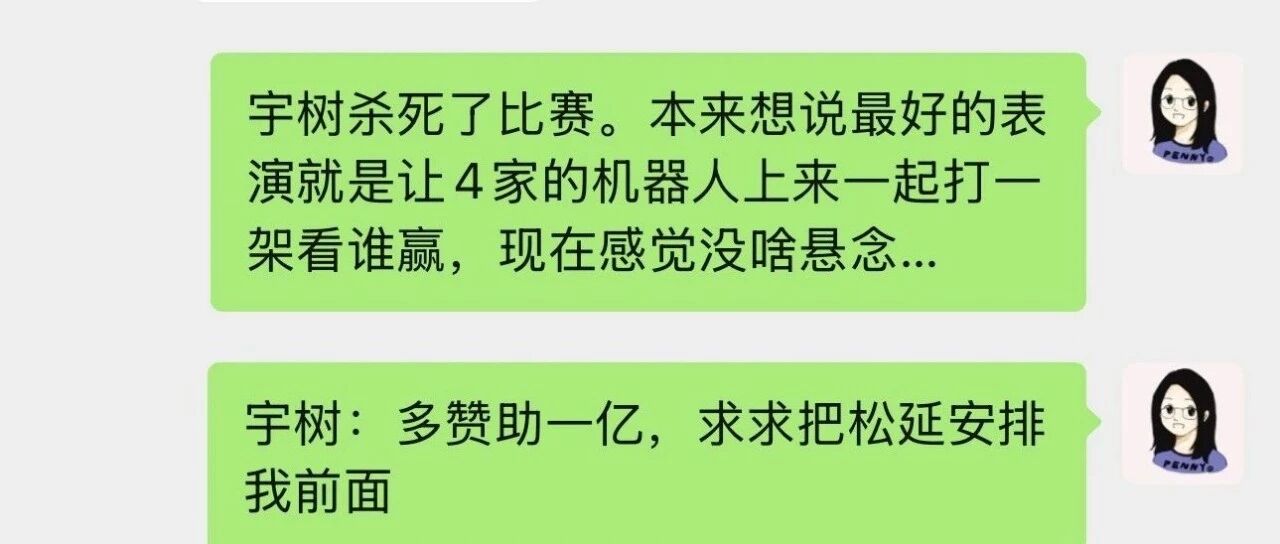
大家好,我是佩妮。 本来想休假纯躺平的,但是看着春晚,实在是忍不住我吐槽的洪荒之力(我知道是老梗),必须爬上来和大家一起唠嗑…… 今年这届春晚,是我 过去几年看得最认真的一届春晚 。无它,过去两年"科技"成为了一二级市场的主旋律,连带这届春晚也成了科技(广 告?)含量最高的一届,也成为了和资本市场关系最紧密的春晚。 这就叫: 过去的我嗤之以鼻,现在的我逐帧学习…… 被玩梗说春晚导演是不是提前上杠杆重仓了,承载了全国股民的希望的一台晚会…… 当然,大 A 很体贴,春节期间赌场不开门,除了一些年前就埋伏了的朋友,就只能看看港股的表现了。 好了,正片开始,主要列一下我感兴趣的点: 1)大家最关注的肯定是这次 春晚 4 家机器人大战 了。 一开始大家都在传,几家机器人公司为了上市重金砸了上亿上春晚,但是咱们仍未知道到底花了多少钱。 说真的,这种编排好的表演有啥意思,都说直接让这4家公司各派一个机器人上去直接格斗得了,更好看。哈哈哈。 结果吧,有目共睹, 宇树杀死了比赛。 就这个武术表演动作控制的 流畅度和稳定度 吧,绝了! 最后超大型人形机器人的出场也非常惊艳,进步太大了,比去年扭秧歌被人拎着后脖颈 下台强太多了。 ...
2026央视科技(广告?)春晚股民吐槽大赏
佩妮Penny的世界· 2026-02-16 15:32
Group 1 - The Spring Festival Gala this year featured a significant focus on technology, particularly robotics, reflecting the trends in the primary and secondary markets [1][2][3] - Four robot companies participated in a competition during the gala, with one company, Yushu, standing out and potentially boosting its stock value [2][5] - The performance quality of the robots, especially the large humanoid robot, was noted to have improved significantly compared to previous years [4][5] Group 2 - The gala included various performances that seemed to serve as advertisements, with a notable emphasis on brand presence and product placement [20][22][27] - ByteDance's involvement was highlighted, aiming to establish itself as a leader in AI applications, with impressive visual effects showcased during the event [23] - The gala's format appeared to cater more to advertising than traditional entertainment, with many performances perceived as hard advertisements [22][27] Group 3 - The event featured a segment on low-altitude economy and eVTOL water airports, indicating a growing interest in aviation technology [29] - The gala's setting in Yiwu, known as the global small commodity hub, suggests a continued trend towards international expansion in 2026 [32] - The inclusion of quantum computing references in the gala indicates a forward-looking approach towards emerging technologies [32]