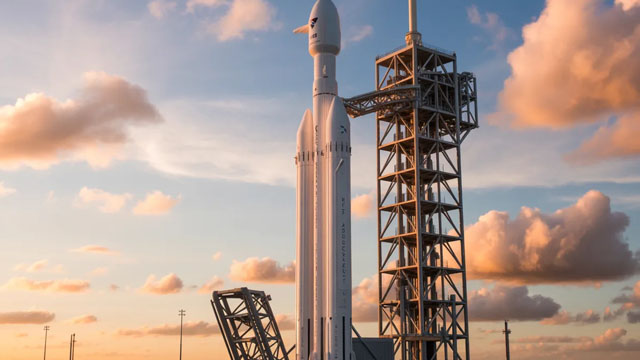
SpaceX

Search documents
财信证券晨会纪要-20260326
Caixin Securities· 2026-03-25 23:31
Market Overview - The A-share market experienced a broad rebound, with the Shanghai Composite Index rising by 1.30% to close at 3931.84 points, and the Shenzhen Component Index increasing by 1.95% to 13801.00 points [5][8] - The overall market saw 4871 companies rise and 559 decline, with a total trading volume of 21,928.53 billion yuan, an increase of 967.83 billion yuan from the previous trading day [9] Economic Insights - The People's Bank of China conducted a 7-day reverse repurchase operation of 785 billion yuan at an interest rate of 1.40%, resulting in a net injection of 580 billion yuan for the day [15][14] - As of the end of February, the total installed power generation capacity in China grew by 15.9% year-on-year, reaching 395 million kilowatts [20] Industry Dynamics - Kuaishou reported a revenue of 395.7 billion yuan for Q4 2025, marking an 11.8% year-on-year increase, with total revenue for the year reaching 1,428 billion yuan, up 12.5% [23][24] - SpaceX plans to submit its IPO application, aiming to raise over 75 billion USD, which would be the largest IPO in U.S. history [26][27] - China Resources Beer reported a revenue of 379.85 billion yuan for 2025, a decrease of 1.7%, while EBITDA increased by 9.9% [28][29] - Nongfu Spring's total revenue for 2025 was 525.53 billion yuan, a 22.5% increase year-on-year, with attributable profit rising by 30.9% [31][32] - The global VR market saw a 34% decline in sales in 2025, while AR sales doubled, indicating a shift in consumer interest [33][35] - OpenAI announced the termination of its Sora AI video application, focusing instead on its ChatGPT image generation capabilities [36][37] Company Tracking - RuYuchen reported a net profit growth of 84.03% for 2025, with total revenue reaching 3.432 billion yuan, a 94.35% increase [38][39] - Wuxin Tunnel Equipment's subsidiary won a nearly 100 million yuan order for port equipment, enhancing the company's market competitiveness [42][43]
This fund has jumped 1,200% on Anthropic and SpaceX hype. Retail investors should be cautious.
MarketWatch· 2026-03-25 22:11
Group 1 - The Fundrise Innovation Fund has experienced a significant increase in share prices as investors show interest in private AI companies [1] - Historical trends indicate that the high valuations currently seen in the market may not be sustainable [1]


Elon Musk calls for Delaware judge to recuse herself in lawsuits, alleging bias
CNBC· 2026-03-25 20:38
Core Viewpoint - Elon Musk's legal team is seeking the recusal of Judge Kathaleen McCormick from two Tesla lawsuits, citing perceived bias due to her support of a LinkedIn post critical of Musk [1][2]. Group 1: Legal Proceedings - Musk's attorneys argue that McCormick's public support of a LinkedIn post creates a perception of bias, necessitating her recusal and reassignment of the cases to another judge [2]. - The lawsuits involve significant financial implications, including a jury verdict that could cost Musk over $2 billion related to allegations of defrauding Twitter investors [2]. - McCormick previously ordered Tesla to rescind Musk's 2018 CEO pay package, valued at approximately $56 billion in options, which has fueled Musk's discontent towards her [4][5]. Group 2: Judge's Response - Judge McCormick has stated that she did not read the full LinkedIn post and did not intend to express support for it, claiming any emoji interaction was accidental [3]. - She reported "suspicious activity" on her LinkedIn account, indicating potential issues with her account's security [3]. Group 3: Ongoing Cases - Two cases remain active in Delaware courts under McCormick's jurisdiction: one regarding Tesla directors' compensation and another involving allegations that Musk breached fiduciary duties by starting a competing AI company, xAI [6]. - Earlier this year, Tesla invested $2 billion into xAI, which was subsequently acquired by Musk's SpaceX, converting Tesla's stock into SpaceX holdings [6].


Stocks Finish Higher on US Push to End Iran War
Yahoo Finance· 2026-03-25 20:35
Geopolitical Developments - Iran has continued missile and drone attacks on Israel and Arab Gulf states despite a US peace proposal, raising concerns about the potential escalation of conflict in the Middle East [1] - Iran has rejected the US ceasefire proposal, demanding a complete halt to aggression and reparations for war damages, along with international recognition of its rights over the Strait of Hormuz [2] Market Reactions - Stock index futures fell after Iran's rejection of the US ceasefire proposal, while crude oil prices rebounded from their lows [2] - The S&P 500 Index closed up +0.54%, the Dow Jones Industrial Average up +0.66%, and the Nasdaq 100 Index up +0.67% on the same day [4] Oil Market Impact - Crude oil prices remain high due to disruptions caused by the conflict, with the International Energy Agency reporting that the war is affecting 7.5% of global oil supply and could cut supply by 8 million barrels per day this month [6] - Goldman Sachs warns that crude prices could exceed the 2008 record high of nearly $150 per barrel if flows through the Strait of Hormuz remain depressed [6] Economic Indicators - The US MBA mortgage applications fell -10.5% in the week ended March 20, with the average 30-year fixed mortgage rate rising to 6.43% [5] - The US February import index excluding petroleum rose +1.2% month-over-month, marking the largest increase in four years [5] International Market Performance - Overseas stock markets showed positive performance, with the Euro Stoxx 50 up +1.22%, Shanghai Composite up +1.30%, and Japan's Nikkei Stock 225 up +2.87% [8]
Stocks Rise as Truce Prospects Weighed | Closing Bell
Youtube· 2026-03-25 20:26
Market Overview - The S&P 500 is currently up about half a percent, closing at 6591, with 322 names gaining and 180 declining [2][7][8] - The Dow Jones Industrial Average increased by 300 points or 0.7%, while the Nasdaq composite rose by approximately 0.8% [7] - The Russell 2000 outperformed, adding about 31 points or 1.2% [7] Commodity Market Insights - Oil prices have seen a pullback, with Brent crude falling as low as $97.15 per barrel before recovering to around $103 [4] - Prices at the pump have risen more than 30% since the onset of the war, indicating ongoing inflationary pressures in the energy sector [5] Company Performances - ARM Holdings experienced a significant gain of 16% after announcing plans to sell its own chips, with expected revenue from this new business projected at $15 billion annually within five years [10][11] - Space and satellite companies saw a boost following the SpaceX IPO filing, with EchoStar and Rocket Lab rising by 7.5% and 10% respectively [12] - JetBlue's shares surged by 13% as the airline considers a potential sale to a competitor, hiring advisors to explore options [16] Sector Performance - Consumer discretionary and materials sectors were the top performers, with materials up by about 2% [9] - Energy was the underperformer of the day, down about half a percent, influenced by geopolitical tensions and specific company issues like Valero's refinery fire [9][17] Notable Declines - GENERAC Holdings fell nearly 2% after disappointing investors during its Investor Day, despite reporting growth in backlog and guidance [19][20] - Shoes on Holdings dropped more than 11% following the announcement of a leadership change, which analysts believe could complicate decision-making [21][22]

EchoStar Stock Just Broke Above Its 50-Day Moving Average on SpaceX IPO Hype. Does That Make SATS a Buy?
Yahoo Finance· 2026-03-25 20:17
Core Viewpoint - EchoStar (SATS) stock experienced a significant rally of up to 12% following reports of SpaceX planning an initial public offering (IPO), indicating potential upward momentum for SATS shares in the near term despite being down nearly 10% from its year-to-date high in January [1][4]. Group 1: SpaceX IPO Impact - The surge in SATS shares is largely attributed to its strategic partnership with SpaceX, which includes a landmark agreement to sell approximately $20 billion in wireless spectrum to SpaceX, with up to $11 billion to be paid in common stock [4]. - SpaceX is reportedly seeking a valuation of up to $1.75 trillion and aims to raise $75 billion in its IPO, significantly increasing the "on-paper" value of EchoStar's equity stake in the aerospace firm [5]. Group 2: Financial Performance and Market Position - EchoStar's fundamental story is undergoing a transformation, highlighted by its recent inclusion in the S&P 500 Index, which is expected to enhance institutional buying and liquidity [6]. - In its fiscal Q4, EchoStar reported nearly $584 million in adjusted EBITDA, surpassing market estimates by 60%, despite challenges in the legacy satellite TV segment [6]. - The company is actively de-leveraging through a Restructuring Support Agreement (RSA) to streamline $1.6 billion in debt, positioning itself as relatively inexpensive compared to peers in the satellite and specialized media sectors [7]. Group 3: Market Sentiment and Consensus Rating - Wall Street maintains a positive outlook on EchoStar, with a consensus rating of "Moderate Buy" and price targets reaching as high as $147, suggesting a potential upside of over 20% from current levels [8][9].

Markets Rally on Middle East Peace Hopes and Falling Oil Prices
Stock Market News· 2026-03-25 20:07
Market Overview - U.S. equity markets experienced strong gains on March 25, 2026, driven by optimism over a potential diplomatic breakthrough in the Middle East, specifically a 15-point peace proposal delivered to Tehran [1] - Major benchmarks, including the S&P 500, Nasdaq Composite, and Dow Jones Industrial Average, all closed in positive territory, with the S&P 500 rising 0.84% to 6,611 points, the Nasdaq surging 1.27% to 21,761.89, and the Dow adding approximately 548 points or 1.20% to close at 46,124.06 [2] Commodities and Bonds - Geopolitical tensions easing led to a significant drop in energy prices, with Brent crude futures falling over 5% to around $94.78 per barrel and U.S. WTI dropping to approximately $88 per barrel [3] - The yield on the benchmark 10-year Treasury note retreated to 4.318%, providing relief for equity valuations affected by rising borrowing costs [3] Corporate News and Stock Movements - The technology sector saw notable gains, with Nvidia rising 1.84%, AMD jumping 7.25%, and Intel surging 6.85%, driven by a favorable inflation outlook [4] - Amazon gained 2.50% following a price target hike, Boeing rose 1.77% due to lower fuel costs, and General Motors saw an increase after an upgrade from Wolfe Research [5] - Speculation around SpaceX's potential IPO boosted sentiment in the space and defense sectors [6] Earnings and After-Hours Activity - Paysign's stock skyrocketed 35% after reporting fourth-quarter results that exceeded revenue expectations, while Chewy's stock jumped 13.3% due to record free cash flow and customer growth [7] - Latch released its quarterly earnings report, and Braze maintained upward momentum in after-hours trading following a strong earnings call [8] Upcoming Market Events - The market will focus on labor data, with the Department of Labor set to release the weekly Initial Jobless Claims report, expected at 211,000 [9] - Investors will also monitor a speech by Federal Reserve Governor Cook for insights on the central bank's next moves, particularly regarding the impact of falling oil prices on inflation [10]


SpaceX Maybe Largest US IPO, Iran War Reveals Gaps In Defense Spending | Bloomberg Deals 3/25/2026
Youtube· 2026-03-25 19:32
Group 1: Defense Industry Developments - The defense industry is planning to invest over $1 billion in defense technology, driven by ongoing global tensions and the need for innovation in military capabilities [1][5] - Advent International is specifically targeting next-generation defense technologies, having already invested $15 billion since 2020 and now committing an additional $1 billion to help innovators mature [5][6] - Demand for unmanned systems in defense is projected to reach $30 billion by 2030, highlighting the growing importance of drone technology in modern warfare [6] Group 2: M&A Activity and Market Trends - The M&A market is experiencing a dynamic environment, with large transactions exceeding $5 billion being the most active in history, while smaller transactions have seen a significant decline [2][3] - Valuations in the defense sector are showing a wide disparity, with large-cap companies trading in the mid-teens on forward EBITDA, while emerging defense tech companies are projected to grow at rates of 20-30% [8] - The pipeline for IPOs in the defense sector is at an all-time high, with three defense IPOs raising over $2 billion in North America last year [8] Group 3: Corporate Strategies and Challenges - Estee Lauder is in talks to acquire European perfume and fashion brands to enhance its competitive position against L'Oreal, despite facing challenges in executing its turnaround plan [2] - The defense sector is grappling with the need for faster procurement processes to keep pace with technological advancements and the urgency of modern warfare [5][7] - Companies are increasingly focused on building supply chains for critical materials, particularly rare earth minerals, to reduce reliance on overseas sources [7]

SpaceX IPO excitement sends space stocks soaring as Wall Street prepares for blockbuster offering
Business Insider· 2026-03-25 19:29
Core Viewpoint - SpaceX is expected to file for its IPO soon, potentially raising up to $75 billion and achieving a valuation of $1.75 trillion, which is generating excitement in the space sector and boosting other space-related stocks [1][3]. Group 1: SpaceX IPO Details - SpaceX could file a prospectus for its IPO within days, with initial expectations of raising $50 billion now revised to a potential $75 billion [1]. - The anticipated valuation for SpaceX could reach as high as $1.75 trillion [1]. Group 2: Market Reaction and Other Stocks - The excitement surrounding SpaceX's IPO is positively impacting other publicly traded space stocks, with significant gains observed in the market [2]. - EchoStar, while not a direct space exploration company, is benefiting from its $17 billion wireless spectrum deal with SpaceX, positioning it as a way to gain exposure to the upcoming IPO [2]. Group 3: Industry Outlook - Investors are optimistic that SpaceX's trading debut will signal a new growth era for the space sector, which has been viewed as speculative until now [3]. - The CEO of Seraphim Space believes that the IPO will not only benefit space stocks but also other tech companies involved in space transportation and infrastructure [3]. Group 4: SpaceX's Evolving Role - The IPO is expected to provide SpaceX with the resources to enhance its operations in infrastructure, connectivity, and AI-powered services, indicating its evolution beyond just a rocket and satellite company [4]. - SpaceX is becoming a vertically integrated ecosystem, combining Starlink connectivity, energy, transport infrastructure, and AI capabilities [4].
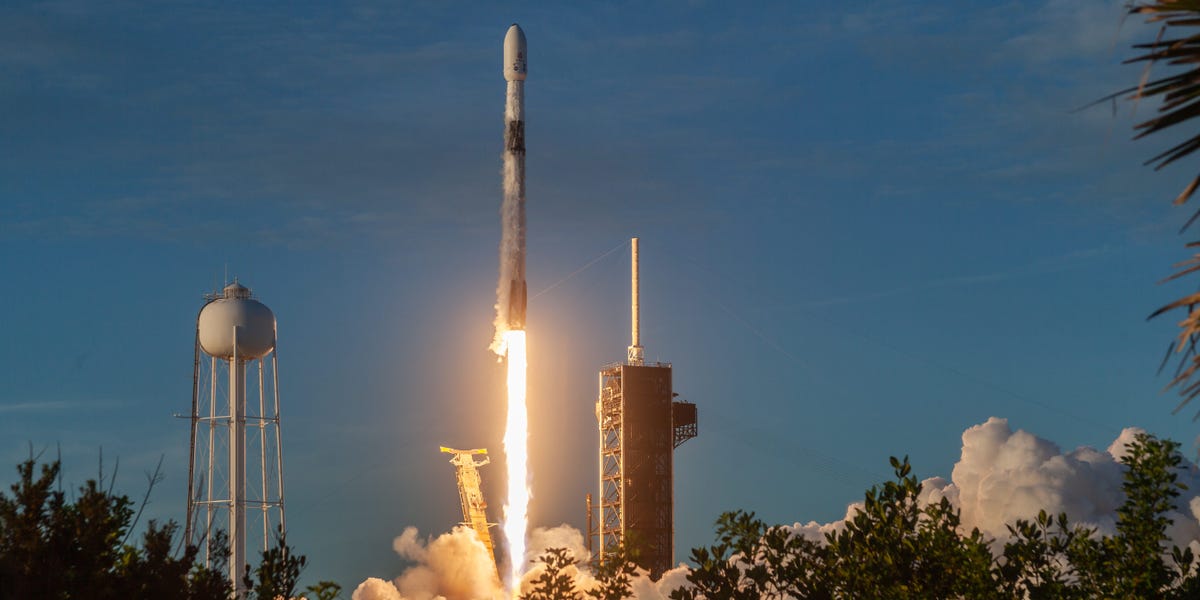
SpaceX Could File an IPO By End of the Week | Bloomberg Tech 3/25/2026
Youtube· 2026-03-25 19:29
Group 1: ARM and Chip Sales - ARM announces plans to sell its own chips, with Meta as the first major customer, marking a significant shift in its business model [17][18] - The CEO of ARM projects potential revenue from this new business stream could reach $100 billion by 2030, up from approximately $60 billion currently [19][20] Group 2: SpaceX IPO - SpaceX aims to file a prospectus for an IPO as soon as this week, potentially becoming the largest IPO of all time, with a valuation expected to be between $1.75 trillion and $2 trillion [11][12][75] - The IPO is anticipated to raise at least double the previous record held by Saudi Aramco, which raised around $29 billion [12] Group 3: Technology Market Trends - Technology stocks are experiencing a surge, driven by optimism surrounding potential ceasefire talks between the U.S. and Iran, despite ongoing geopolitical tensions [2][4] - The market is currently weighing the implications of these geopolitical developments on technology and defense sectors [52][53] Group 4: AI and Defense Technology - The use of AI in military operations is highlighted as a transformative factor, with Palantir's systems being utilized for mission control in U.S. combat operations [5][6] - There is a call for the U.S. government to accelerate procurement processes for defense technologies to keep pace with advancements in the private sector [8][9] Group 5: OpenAI Funding - OpenAI is nearing an $850 billion valuation as it seeks to raise an additional $10 billion in its latest funding round, bringing its total funding to $120 billion [85][86] - Microsoft continues to be a significant backer of OpenAI, indicating a strong ongoing partnership despite previous uncertainties [88]