
Neuralink

Search documents
脑机接口产业趋势解读
2025-10-19 15:58
Summary of Brain-Computer Interface Industry Trends Industry Overview - The brain-computer interface (BCI) industry in China is experiencing significant advancements, particularly in clinical applications, with the National Healthcare Security Administration including relevant neurological projects in medical insurance [1][3][12] - Major cities like Zhejiang, Shanghai, and Jiangsu have begun implementing these policies, encouraging researchers to explore innovative applications [1][4] Key Technological Advancements - China has made breakthroughs in BCI technology, achieving 1,024 electrical probe channels, a signal-to-noise ratio (SNR) exceeding 20 dB, and reducing chip power consumption to 3.8 milliwatts per channel, with single-channel costs around 800 yuan [1][4][25] - Research institutions such as Fudan University Huashan Hospital and Tsinghua University have made significant contributions, particularly in areas like deep brain stimulation and high-resolution signal acquisition [5][19] Future Development Directions - Future directions for BCI technology include increasing the number of channels to 30-50, improving SNR to 30-50 dB, reducing chip power consumption to below 2 milliwatts, and lowering single-channel costs to below 500 yuan [6][7] - The development of adaptive transfer recognition algorithms for various signals (EEG, MEG, fMRI) is also a critical area, especially for early intervention in Alzheimer's disease [7] Market Potential and Demand - The market demand for BCI technology is substantial, particularly for restoring limb function in paralyzed patients and non-invasive BCI products [1][13][23] - The clinical application market is vast, with approximately 30 million stroke patients annually in China, indicating a market space of at least 50 billion yuan [23] Policy Support and Government Initiatives - The year 2025 is anticipated to be a pivotal year for the BCI industry in China, with various government policies aimed at promoting innovation and development in this field [2][12] - Policies focus on medical applications but are expected to expand into areas like silicon and carbon integration, brain simulation, and military applications [2] Competitive Landscape - Internationally, institutions like Stanford University and MIT are leading in BCI research, focusing on areas such as neural signal decoding and flexible electronic materials [8] - Despite the competitive landscape, China's focus on medical applications provides a unique advantage, particularly in treating conditions like Parkinson's and Alzheimer's diseases [8][13] Commercial Models and Applications - BCI companies are exploring various business models, including direct-to-consumer (B2C) applications for conditions like Alzheimer's and children's attention issues, as well as business-to-business (B2B) models targeting hospitals [17] - Non-invasive BCI technology is expected to see significant breakthroughs in the next 1-2 years, with applications in monitoring mental states and cognitive functions [22] Challenges and Bottlenecks - The primary bottlenecks in the BCI industry include the stability and reliability of biocompatible materials and the need for breakthroughs in chip technology [14] - The market's vast potential is countered by the challenges of achieving long-term usability and effective signal processing [14] Conclusion - The BCI industry in China is poised for rapid growth, driven by technological advancements, strong market demand, and supportive government policies. The focus on both clinical and consumer applications presents a unique opportunity for innovation and investment in the coming years [1][10][21]
马斯克将把言语皮层变成新接口,“脑控”离我们还有多远?
Jing Ji Guan Cha Wang· 2025-10-19 09:27
Core Insights - The rapid development of brain-computer interface (BCI) technology is transforming the concept of "brain control" from science fiction to reality, with significant advancements expected by 2025 [2] Group 1: BCI Technology Developments - BCI technology establishes a direct communication channel between the biological brain and intelligent machines, enabling the decoding of brain signals and control of external devices [3] - Neuralink, a company backed by Elon Musk, plans to implant devices in the speech cortex by Q4 2025 to decode silent "intent speech," with further developments aimed at restoring vision for the blind by 2026 and achieving multi-device implants by 2027 [3] - Synchron, another leading BCI company, successfully completed a minimally invasive BCI procedure for 10 patients by the end of 2024, allowing them to control smart devices through thought [3] Group 2: China's BCI Progress - China has made significant strides in BCI technology, becoming the second country globally to enter the clinical trial phase for invasive BCI technology, with a successful trial involving a patient who regained functionality after an accident [4] - The Chinese government has set ambitious goals for BCI technology, aiming for breakthroughs in key technologies by 2027 and the establishment of industry standards for BCI medical devices [4] Group 3: Global Competitive Landscape - The BCI technology sector is highly concentrated in the U.S., with a few companies like Neuralink and Synchron leading the market, while China is rapidly catching up despite a later start [5] - Other countries, including those in the EU, Japan, South Korea, and Australia, are also accelerating their efforts in BCI technology to secure a competitive edge in global brain science [5] Group 4: Ethical and Regulatory Considerations - The rapid advancement of BCI technology has raised ethical concerns regarding privacy, "brain control," and equitable access to technology, prompting discussions among various stakeholders [6] - Guidelines have been established in China to ensure that BCI research focuses on enhancing human capabilities while minimizing potential harm and respecting individual autonomy [7]


Elon Musk Was Not Self-Made
Medium· 2025-10-18 10:52
Core Argument - The narrative of Elon Musk as a self-made billionaire is misleading, as it overlooks the systemic advantages and privileges that contributed to his success [2][3][44] Background and Privilege - Elon Musk was born into a wealthy family in apartheid South Africa, which provided him with significant advantages, including access to education and capital [5][7][8] - His father, Errol Musk, was a property developer and co-owner of an emerald mine, granting the family substantial wealth [7][11] - Musk's early life was marked by financial security and opportunities that were denied to the majority of South Africans during apartheid [8][32] Early Career and Initial Success - Musk co-founded Zip2 in 1995 with financial backing from family and friends, which is a privilege not available to most entrepreneurs [17][21] - The sale of Zip2 to Compaq in 1999 for $307 million provided Musk with $22 million, serving as a launchpad for his subsequent ventures [17] The Persistence of the "Self-Made" Narrative - The self-made narrative is perpetuated because it serves the interests of the wealthy, obscuring systemic barriers and promoting the idea that hard work alone leads to success [18][22][29] - This narrative sanitizes privilege into a personal success story, creating a cult of personality around billionaires [22][30] Implications of Privilege - Wealth provides a safety net that allows individuals to take risks and recover from failures, a luxury not afforded to most [26][37] - The systemic advantages enjoyed by Musk and other billionaires, such as access to elite education and networks, are often overlooked in discussions about their success [25][39] Lessons for Entrepreneurs - Understanding the role of privilege and systemic advantages can provide strategic insights for entrepreneurs [43] - Acknowledging these factors does not diminish individual achievements but contextualizes them within a broader societal framework [35][42]
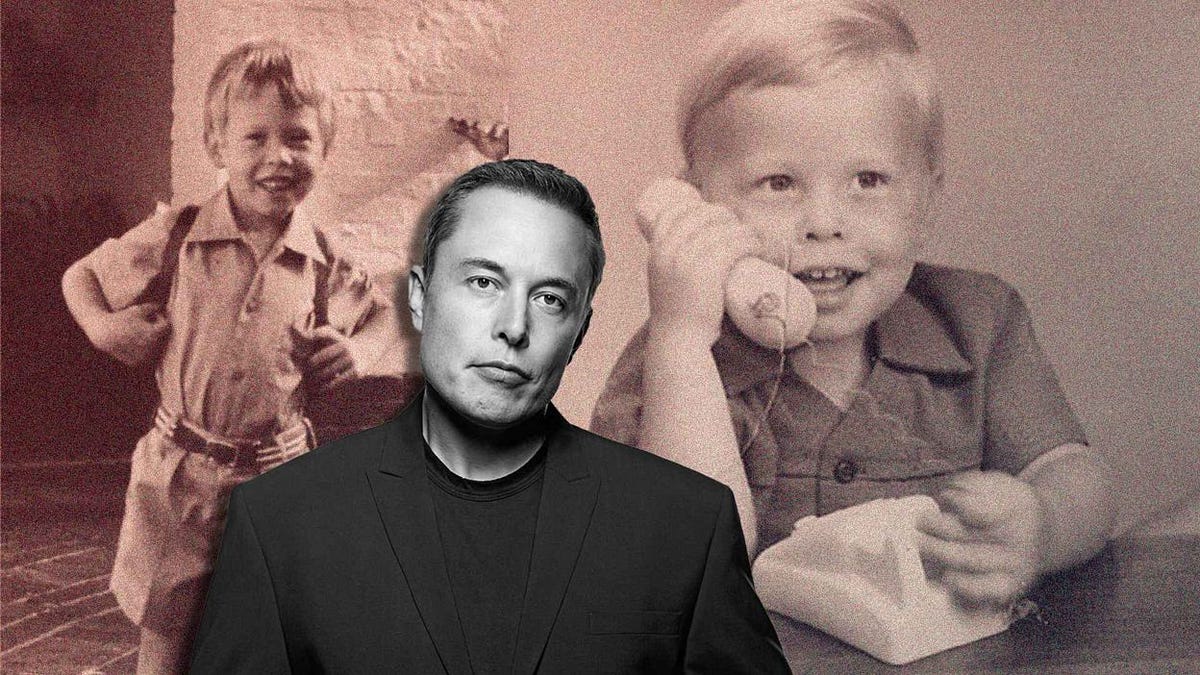
Tesla shareholders should reject Musk’s $1 trillion pay package, ISS advises
Fortune· 2025-10-17 20:56
Tesla Inc. shareholders are being urged by proxy adviser Institutional Shareholder Services to vote against Chief Executive Officer Elon Musk’s $1 trillion compensation plan, adding a potential obstacle as the board works to rally investor support.This marks the second year in a row that ISS urged shareholders to vote against a pay package for Musk. Musk oversees an overlapping empire of five companies: Tesla, SpaceX, xAI, Neuralink and the Boring Company.“Although one of the main reasons for this award is ...

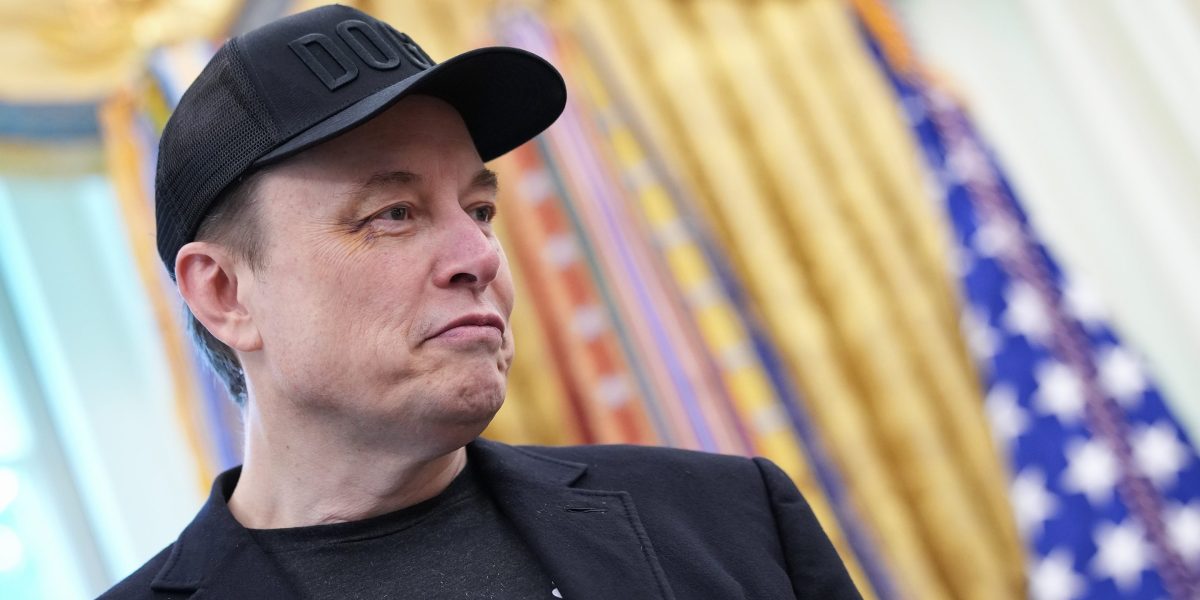
X @Tesla Owners Silicon Valley
Tesla Owners Silicon Valley· 2025-10-17 19:02
“Neuralink could soon make reaction times faster than the fastest esports pros. The future is closer than you think.”@elonmuskhttps://t.co/j6FdKyxAqL ...
挑战Neuralink,硅谷大佬争相涌入的超声脑机接口是什么?
3 6 Ke· 2025-10-17 00:55
Core Insights - The rise of Brain-Machine Interfaces (BMI) is becoming a competitive field in Silicon Valley, with companies like Merge Labs and Neuralink leading the charge in innovative technologies [1][40] - Merge Labs, co-founded by Sam Altman, aims to compete with Neuralink by utilizing gene editing and ultrasound technology for non-invasive brain activity decoding [1][40] - The ultrasound BMI technology offers a new approach by reading blood flow signals non-invasively, contrasting with Neuralink's invasive electrode method [1][40] Group 1: Industry Evolution - The concept of BMIs has been around since the 1970s, but significant advancements have occurred in the last decade, with companies like Neuralink emerging [4][12] - Traditional electrical BMIs require electrodes to be implanted in the brain, which can be invasive and limited in scope [4][12] - The complexity of the brain, with its 86 billion neurons, necessitates a more holistic approach to decoding brain activity rather than focusing on isolated regions [5][6] Group 2: Ultrasound BMI Advantages - Ultrasound BMIs can cover a larger area of the brain, potentially imaging 25% of the brain volume compared to Neuralink's 0.13% coverage [17][20] - The time resolution of ultrasound technology is significantly better than fMRI, allowing for near real-time monitoring of blood flow signals [21][22] - Ultrasound BMIs are considered safer as they can be non-invasive, avoiding the risks associated with breaking the dura mater [26][49] Group 3: Clinical Applications - Current applications for ultrasound BMIs include chronic pain management, stroke rehabilitation, and potentially Alzheimer's treatment [32][33] - The technology aims to modulate neural activity through focused ultrasound, which can suppress overactive neurons associated with pain [24][25] - Future applications may extend to mental health disorders, such as depression and anxiety, by targeting specific brain regions [36][38] Group 4: Competitive Landscape - Several companies are emerging in the ultrasound BMI space, including Spire, Nudge, and Forest Neurotech, each focusing on different clinical applications [40][41] - Merge Labs is positioned as a significant player, with a focus on integrating gene therapy with ultrasound technology [40][45] - The competitive landscape indicates a growing interest and investment in non-invasive brain technologies, with potential for rapid advancements in clinical applications [40][41]
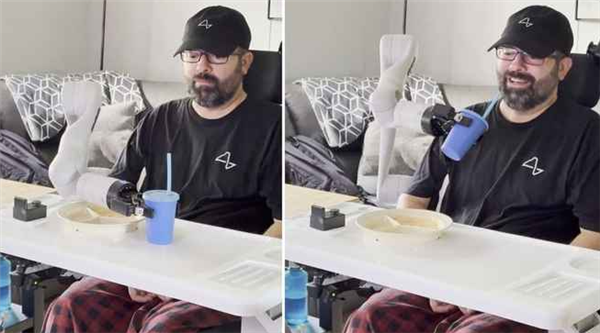
马斯克Neuralink新进展!渐冻症患者通过意念操控机械臂进食【附脑机接口行业市场分析】
Qian Zhan Wang· 2025-10-15 08:44
Core Insights - Brain-computer interface (BCI) technology has made significant advancements, exemplified by a video showing an ALS patient using a Neuralink chip to control a robotic arm to drink water independently for the first time in eight years [1][3]. Industry Overview - The BCI industry integrates neuroscience, artificial intelligence, and microelectronics, enabling direct interaction between thoughts and external devices [3]. - The Chinese government has prioritized BCI technology, including it in the "14th Five-Year Plan" and the 2035 vision as a key frontier technology project [3][8]. Market Dynamics - The healthcare sector is identified as the primary downstream application area for BCI technology, with 56% of companies in China focusing on medical applications [3]. - Clinical trials are underway in major hospitals, such as Shanghai Ruijin Hospital for Parkinson's disease and Beijing Tiantan Hospital for depression treatment [3]. Competitive Landscape - China leads the global BCI field with a patent application share of 55.62%, significantly surpassing the United States, which has 402 applications [6]. Regulatory Environment - The National Healthcare Security Administration in China has established pricing guidelines for BCI services, indicating a structured path for clinical application and reimbursement once the technology matures [8]. Research and Development - Advances in bidirectional BCI technology could potentially treat various neurological disorders, including epilepsy, Parkinson's disease, Alzheimer's disease, and mental health issues, while also aiding in spinal cord injury rehabilitation [9].
X @Tesla Owners Silicon Valley
Tesla Owners Silicon Valley· 2025-10-14 23:12
🚨Neuralink Breakthrough- “It’s Physically Possible to Restore Full Body Functionality” — Elon Musk https://t.co/gwmWL6nQMq ...
Here’s How Much Elon Musk Has Made From Every Company That He’s Started
Yahoo Finance· 2025-10-14 12:14
Core Insights - Elon Musk, a serial entrepreneur, has a net worth of $485.5 billion as of October 13, according to Forbes [1] Company Summaries - **Zip2**: Founded in 1995 with $28,000 from Musk's father, Zip2 generated online city guides and was sold to Compaq for $307 million in 1999, netting Musk $22 million [3] - **PayPal**: Musk co-founded X.com with Zip2 profits, which merged with Confinity to become PayPal. eBay acquired PayPal in 2002 for $1.5 billion in stock, resulting in Musk receiving $165 million [4] - **SpaceX**: Founded in 2002, SpaceX has completed 555 space missions and is valued at $400 billion, with Starlink as a subsidiary providing global high-speed internet [5] - **Tesla**: Co-founded in 2003, Tesla went public in 2010 at $17 per share, which has risen to $435.90 per share as of October 13 [6] - **Neuralink**: Established in 2016, Neuralink focuses on brain-computer interfaces for individuals with disabilities and was valued at $9 billion in May 2025 [7] - **The Boring Company**: Founded in 2017, this civil engineering firm has completed projects including the Las Vegas Convention Center Loop, a 1.7-mile transport system [8]
X @Elon Musk
Elon Musk· 2025-10-14 03:12
RT Colene Copeland-Kruszynski👾 (@aerocopz)Elon Musk @elonmusk on Neuralink:“So, when I emphasized the purpose of Neuralink, like what do we, what's our goal, our goal is to solve important spine and brain problems with a seamlessly implanted device. So, you wanna have a device that you can basically put in your head and feel and look totally normal, but it solves some important problem in your brain or spine. And the reality is that almost everyone, over time, will develop brain and spine problems. These ra ...