Biogen

Search documents
Biogen shares could climb on Leqembi uptake – Jefferies
Proactiveinvestors NA· 2025-11-28 14:46
Group 1 - Proactive provides fast, accessible, informative, and actionable business and finance news content to a global investment audience [2] - The news team covers medium and small-cap markets, as well as blue-chip companies, commodities, and broader investment stories [3] - Proactive's content includes insights across various sectors such as biotech, pharma, mining, natural resources, battery metals, oil and gas, crypto, and emerging technologies [3] Group 2 - Proactive is committed to adopting technology to enhance workflows and content production [4] - The company utilizes automation and software tools, including generative AI, while ensuring all content is edited and authored by humans [5]



Eisai Submits New Drug Application for Subcutaneous Formulation of “LEQEMBI®” for the Treatment of Early Alzheimer’s Disease in Japan
Globenewswire· 2025-11-28 00:30
Core Viewpoint - The announcement highlights Eisai and Biogen's application for lecanemab's subcutaneous formulation in Japan, which, if approved, would be the first at-home injection treatment for Alzheimer's disease in the country [1][2]. Group 1: Product Development and Approval - Eisai has filed a new drug application for lecanemab seeking approval for a subcutaneous autoinjector (SC-AI) in Japan [1]. - The application is based on Phase 3 Clarity AD open-label extension data, confirming that the once-weekly SC-AI 500mg administration is equivalent to the intravenous (IV) administration every two weeks [2]. - If approved, the SC-AI would allow patients to receive treatment at home, reducing the need for hospital visits for IV administration [3]. Group 2: Clinical Efficacy and Safety - Lecanemab targets both protofibrils and amyloid plaques, addressing the underlying neurotoxic processes in Alzheimer's disease [4]. - The safety profile of subcutaneous administration is similar to IV administration, with less than 2% incidence of systemic injection-related reactions [2]. Group 3: Market Presence and Regulatory Status - Lecanemab is currently approved in 51 countries and regions and is under regulatory review in 9 countries [4][9]. - The drug received manufacturing and marketing approval in Japan in September 2023 for treating mild cognitive impairment and mild dementia due to Alzheimer's disease [9]. Group 4: Collaboration and Strategic Alliances - Eisai leads the global development and regulatory submissions for lecanemab, with Biogen co-commercializing and co-promoting the product [5][11]. - The collaboration between Eisai and BioArctic for the development of lecanemab has been ongoing since 2005, with Eisai obtaining global rights for its commercialization [12].
Biogen Inks Research Deal With Dayra to Boost Immunology Pipeline
ZACKS· 2025-11-25 16:46
Group 1 - Biogen (BIIB) has signed a research collaboration agreement with Dayra Therapeutics to discover and develop oral macrocyclic peptides targeting immunological conditions [1][6] - The collaboration aims to leverage the strategic potential of oral macrocyclic peptides, which can provide biologic-like efficacy and safety in a more convenient oral form, enhancing patient adherence [2][4] - Biogen will pay an upfront fee of $50 million to Dayra and may also make milestone payments as it develops its immunology pipeline [6][8] Group 2 - The partnership will utilize Dayra's advanced macrocycle discovery platform to identify, validate, and optimize oral macrocyclic candidates against key immunological targets, with Biogen responsible for late-stage development and commercialization [4][6] - Biogen's existing immunology pipeline includes three late-stage candidates: dapirolizumab pegol, litifilimab, and felzartamab, which are in various phases of development for different indications [10][11]

Eisai Completes Rolling Submission to US FDA for LEQEMBI® IQLIK™ (lecanemab-irmb) Supplemental Biologics License Application as a Subcutaneous Starting Dose for the Treatment of Early Alzheimer’s Disease Under Fast Track Status
Globenewswire· 2025-11-25 12:30
Core Insights - LEQEMBI IQLIK, if approved, would be the first anti-amyloid treatment allowing at-home injections from the start of therapy for Alzheimer's disease [1][5] - The FDA has received a Supplemental Biologics License Application (sBLA) for LEQEMBI IQLIK, which is indicated for early Alzheimer's disease [1][5] - The sBLA is supported by data showing that subcutaneous administration of lecanemab is as effective as intravenous dosing [2][3] Group 1: Product Development and Approval - Eisai has completed the rolling submission of the sBLA for LEQEMBI IQLIK to the FDA, which has granted Fast Track Status [1] - The sBLA includes data from Phase 3 studies demonstrating that a 500 mg weekly subcutaneous dose provides equivalent exposure and benefits compared to bi-weekly intravenous administration [2] - If approved, the autoinjector would allow patients to choose between subcutaneous and intravenous administration throughout their treatment [3] Group 2: Mechanism of Action - LEQEMBI targets both protofibrils and amyloid plaques, which are key contributors to Alzheimer's disease progression [4] - Protofibrils are considered the most toxic form of amyloid-beta and are believed to cause significant neuronal damage [6] Group 3: Market Presence - LEQEMBI is currently approved in 51 countries and regions and is under regulatory review in 9 additional countries [5][29] - The U.S. FDA approved LEQEMBI IQLIK for weekly subcutaneous maintenance dosing in August 2025, following an 18-month intravenous treatment [5][30] Group 4: Safety Profile - The safety profile of LEQEMBI IQLIK is similar to that of the intravenous formulation, with a low incidence of systemic injection-related reactions [2][29] - Common adverse reactions include infusion-related reactions (26% with LEQEMBI vs. 7% with placebo) and amyloid-related imaging abnormalities (ARIA) [29]
诺和诺德:司美格鲁肽延缓阿尔茨海默病进展试验失败!公司股价暴跌
Cai Jing Wang· 2025-11-25 12:16
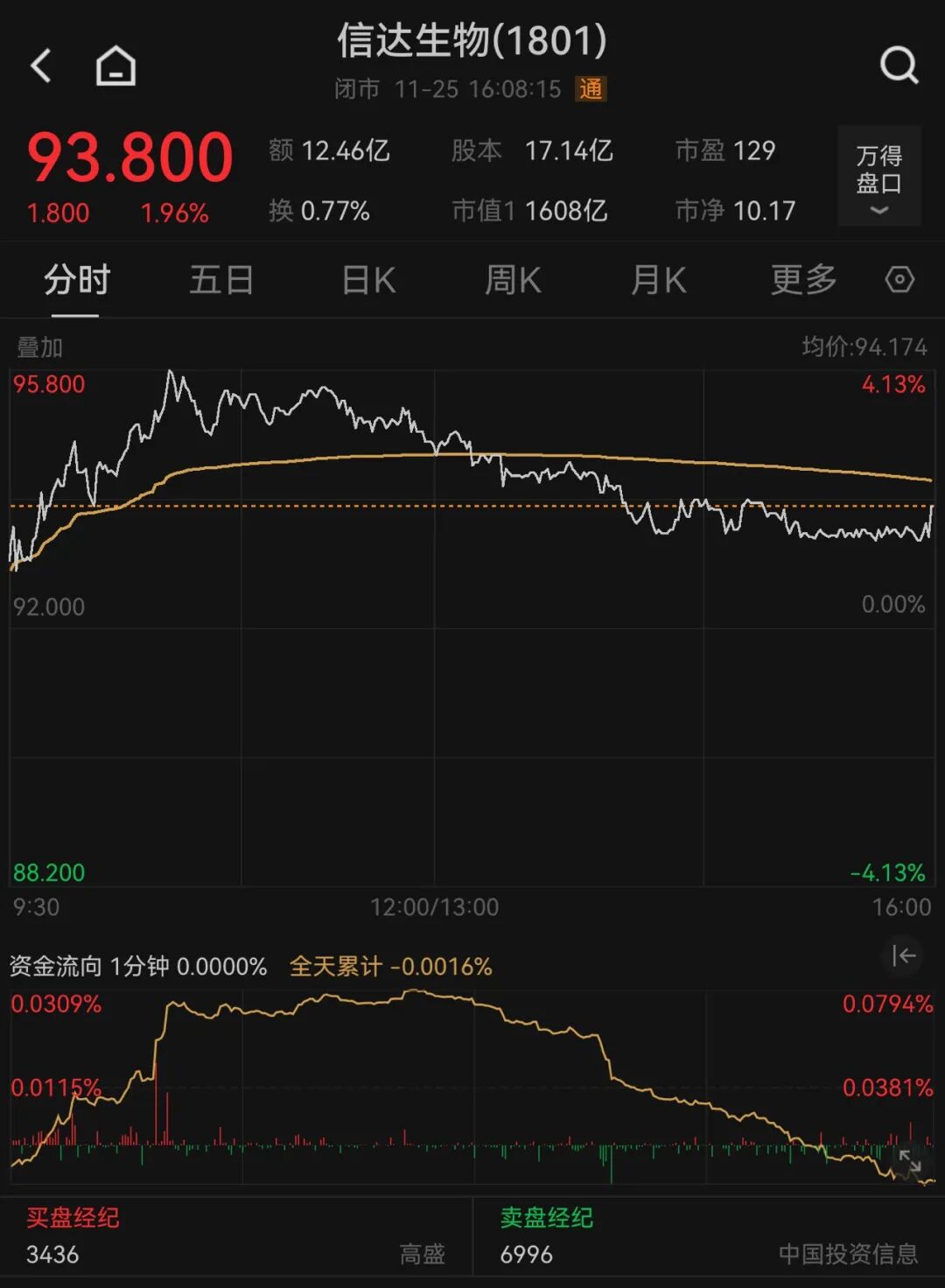
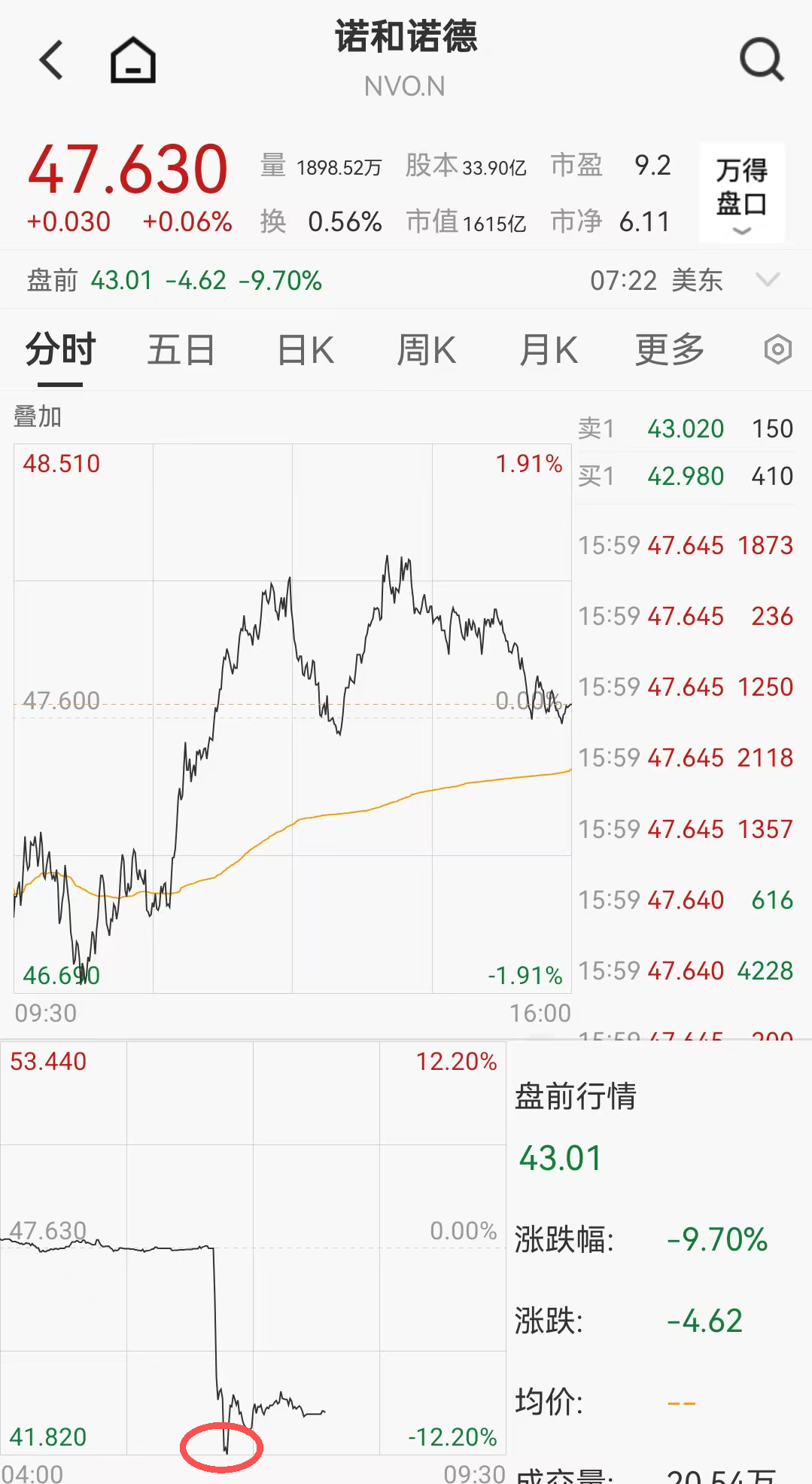
Core Viewpoint - Novo Nordisk's stock plummeted over 12% pre-market and closed down 5.58% after the announcement that its trials for semaglutide in treating early Alzheimer's disease did not show efficacy compared to placebo [1] Group 1: Clinical Trial Results - The EVOKE and EVOKE+ trials failed to demonstrate that semaglutide could slow the progression of Alzheimer's disease better than a placebo, despite showing improvements in biological markers associated with the disease [1] - As a result of these findings, Novo Nordisk will terminate the planned one-year extension studies for these trials [1] Group 2: Market Reaction and Competitors - Biogen, which is also developing Alzheimer's drugs, saw its stock rise over 6% pre-market and closed up 0.87% on the same day [1] - In contrast, Novo Nordisk's stock has seen a significant decline, with a cumulative drop of over 53% this year, and a market capitalization loss exceeding $60 billion following the recent trial results [4] Group 3: Historical Context and Financial Performance - Novo Nordisk's stock previously reached a high of $143.636 per share, making it the "European stock king," but has since faced challenges, including a reduction in sales growth forecasts from 16%-24% to 8%-14% [4] - The company reported sales of $16.632 billion for semaglutide, marking it as a leading drug, but growth rates for its diabetes treatments have shown signs of fatigue [4] Group 4: Competitive Landscape - The expiration of semaglutide's core patent in China in 2026 poses a significant threat, with local companies like Innovent Biologics pushing forward with their own GLP-1 weight loss drugs [4][5] - Morningstar predicts that Innovent's drug, mazhitide, will contribute over 600 million RMB (approximately $84.4 million) in sales this year, potentially reaching 3.5 billion RMB by 2029 [5] Group 5: Management Changes - Novo Nordisk has experienced significant management upheaval, with the resignation of the chairman and six board members following the dismissal of the CEO earlier in the year [8] - The new CEO has initiated substantial layoffs and a strategic shift away from certain therapeutic areas, which has led to internal discord within the company [8]
黑天鹅突现!“欧洲股王”暴跌
Zhong Guo Ji Jin Bao· 2025-11-24 22:49
Core Viewpoint - Novo Nordisk's stock plummeted over 12% in pre-market trading following the announcement that its trials for the Alzheimer's drug semaglutide did not show significant efficacy compared to a placebo, leading to the termination of further studies [1][4]. Group 1: Clinical Trial Results - The EVOKE and EVOKE+ trials failed to demonstrate that semaglutide could slow the progression of early Alzheimer's disease compared to a placebo, despite some improvements in biological markers associated with the disease [1][4]. - Novo Nordisk will terminate the planned one-year extension studies for these trials based on the efficacy results [1]. Group 2: Market Reaction - Following the announcement, Novo Nordisk's stock price fell by 21.83%, resulting in a market capitalization loss of over $60 billion, with a year-to-date decline exceeding 53% [8]. - In contrast, Biogen, which is also developing Alzheimer's drugs, saw its stock rise over 6% in pre-market trading on the same day [3]. Group 3: Company Performance and Challenges - Despite achieving $16.632 billion in sales for semaglutide, Novo Nordisk has faced challenges, including a reduction in sales growth forecasts from 16%-24% to 8%-14% and a decrease in operating profit growth expectations from 19%-27% to 10%-16% [8]. - The company is also facing imminent patent expirations for semaglutide, with its core patent in China set to expire in 2026, raising concerns about market share due to the entry of generic competitors [8][11]. Group 4: Management Changes - Novo Nordisk is undergoing significant management upheaval, with the resignation of the chairman and six board members following the dismissal of the CEO earlier in the year [12]. - The new CEO has initiated substantial layoffs and a strategic shift away from certain research areas, which has led to internal conflicts within the board [12].
Josh Brown's ‘best stocks in the market': Health Care
Youtube· 2025-11-24 18:30
Sector Performance - 100% of the XLV sector stocks advanced on a recent Friday, marking a significant event not seen since 1998, occurring only 34 other days since the sector's inception [1] - 21% of all components in the XLV reached a 52-week high, indicating strong institutional accumulation [2] Investment Opportunities - Life sciences tools and services companies are positioned for strong earnings growth, benefiting from recurring revenue models and an AI tailwind, appealing to growth investors looking for alternatives to traditional AI stocks [3] - Specific companies like Metler Toledo have reached fresh 52-week highs, with a target price of $1,700, representing a potential 20% increase [4] - Agyant, with a market cap of $42 billion, is also showing strong performance and is expected to break through resistance levels, indicating a favorable outlook [6][7] Market Trends - The healthcare sector, particularly biotech, is expected to perform well in an accommodative interest rate environment, with significant momentum observed in the sector [8][9] - Eli Lilly has become the first healthcare company to reach a trillion-dollar market cap, influencing momentum across the sector and highlighting the presence of growth companies not priced like traditional tech stocks [11] Company Insights - Companies like Gilead, Amgen, and AbbVie are also noted for their strong performance and potential for growth, aligning with the overall positive sentiment in the healthcare sector [12]

Why Is Biogen Stock Trading Higher After Semaglutide Alzheimer's Data?
Benzinga· 2025-11-24 16:17
Core Insights - Biogen Inc. stock experienced an increase following disappointing results from Novo Nordisk's phase 3 trials for Alzheimer's treatment, which did not show semaglutide's superiority over placebo in slowing disease progression [1][2] Company Developments - Biogen's Leqembi (lecanemab) received FDA approval in 2023 to slow Alzheimer's progression, but it requires additional MRI scans due to safety concerns [4] - The drug targets beta-amyloid plaques in the brain, aiming to preserve cognitive function in early-stage Alzheimer's patients [5] - Biogen announced a collaboration with Dayra Therapeutics to develop oral macrocyclic peptides for immunological conditions, enhancing its immunology portfolio [6] Financial Aspects - Under the collaboration agreement, Dayra Therapeutics will receive a $50 million upfront payment, with potential additional payments for development candidates and milestone payments for each program [7] - Biogen shares rose 3.74% to $181.85, reaching a new 52-week high [8]


黑天鹅突现!“欧洲股王”盘前暴跌
Zhong Guo Ji Jin Bao· 2025-11-24 15:45
Core Insights - Novo Nordisk's stock plummeted over 12% following the announcement of disappointing results from its EVOKE and EVOKE+ Phase 3 trials for semaglutide in treating early Alzheimer's disease, which failed to show significant efficacy compared to placebo [2][6] - The company will terminate the planned one-year extension studies for these trials due to the lack of evidence supporting the drug's effectiveness in slowing disease progression [2] Company Performance - Despite achieving $16.632 billion in sales for semaglutide in the first half of the year, Novo Nordisk's stock has seen a cumulative decline of over 53% this year, with a market value loss exceeding $60 billion [9][10] - The company has had to revise its annual performance guidance twice within a year, lowering sales growth expectations from 16%-24% to 8%-14% and operating profit growth from 19%-27% to 10%-16% [9] Market Context - Biogen's stock rose over 6% on the same day, indicating a potential shift in investor sentiment towards companies developing Alzheimer's treatments [5] - The impending expiration of semaglutide's core patent in China in 2026 poses a significant challenge, as local companies like Innovent Biologics are advancing their own GLP-1 drugs [9][12] Management Changes - Novo Nordisk is undergoing significant management upheaval, with the resignation of Chairman Helge Lund and six board members following the dismissal of CEO Lars Fruergaard Jørgensen earlier in the year [12][13] - The new CEO, Mike Dusseault, has initiated substantial layoffs and a strategic shift away from certain therapeutic areas, including cell therapy research, while investing $5.2 billion in acquiring Akero Therapeutics for liver disease treatment [12][13]
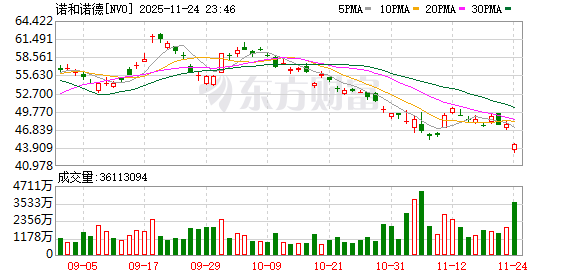
Novo Nordisk stock plummets 12.4% after weight-loss pill Ozempic fails Alzheimer's trials — All you need to know
MINT· 2025-11-24 15:07
Core Insights - Novo Nordisk's stock dropped 12.4% following the failure of its weight-loss drug Ozempic in Alzheimer's treatment trials, marking its lowest point since July 2021 [1][4] - The company has halted a planned one-year extension for studies assessing Ozempic's effectiveness in slowing Alzheimer's progression [1][4] - The failure of these trials significantly impacts Novo Nordisk's market position, especially as it faces stiff competition from Eli Lilly in the obesity and weight-loss market [2][9] Company Performance - Analysts estimated a 75% probability of failure for the trials involving 3,500 participants with mild Alzheimer's disease [2] - The failure of the trials is a setback for Novo Nordisk, which had high hopes for a revival under new CEO Mike Doustdar [2][10] - The company has lost its leading position in the obesity market to Eli Lilly, which has successfully launched competing drugs [2][9] Market Implications - The potential revenue from a successful Alzheimer's treatment could have reached $5 billion annually for Novo Nordisk, highlighting the significant market opportunity [8] - Despite the setback, the Alzheimer's drug development market remains lucrative, although notoriously challenging [8][10] - The complexities of Alzheimer's therapeutics continue to pose challenges for pharmaceutical companies, as advanced pathology makes it difficult to restore neural networks [7]