
新疆能源集团

Search documents
环比大增90%!11月源网侧储能明显回升,全年规模有望超过去年
中关村储能产业技术联盟· 2025-12-15 09:41
Group 1 - The core viewpoint of the article indicates that despite a year-on-year decline in new energy storage installations in November 2025, there is a significant month-on-month recovery, suggesting a long-term positive trend in the market [1][2] - In November 2025, the total newly commissioned energy storage projects reached 3.51 GW/11.18 GWh, representing a year-on-year decrease of 22% in capacity and 7% in energy, but a month-on-month increase of 81% in capacity and 180% in energy [1] - The cumulative new installed capacity for the first eleven months of 2025 reached 39.5 GW, showing a year-on-year growth of 28%, with expectations that the total for the year will exceed that of the previous year [1][2] Group 2 - Independent energy storage systems accounted for over 70% of new installations in November, with a month-on-month growth rate exceeding 80% in power and 200% in energy [2] - Local energy groups contributed to 45% of new installations, surpassing major state-owned enterprises for the first time, indicating a diversification of market investment entities [2][14] - The article highlights the acceleration of various technologies beyond mainstream lithium batteries, including compressed air, flow batteries, and flywheel technologies, which are increasingly being applied in the industry [2][17] Group 3 - In November, the source-side new energy storage projects saw an installed capacity of 3.32 GW/10.62 GWh, with a year-on-year decrease of 15% in capacity and 1% in energy, but a month-on-month increase of 90% in capacity and 202% in energy [4] - The Northwest region accounted for over 40% of new installations, with Inner Mongolia leading in new capacity, reflecting the region's significant role in the national energy landscape [8] - The article notes that Inner Mongolia has implemented compensation policies for independent energy storage stations, which are expected to drive further growth in the sector [9]


从“黑金”到“绿能”,新疆煤炭产业向“新”而行
Zhong Guo Huan Jing Bao· 2025-10-17 00:26
Core Insights - Xinjiang is a significant energy strategic base in China, with coal resources estimated at approximately 22 trillion tons, accounting for over 40% of the national total, and an annual production exceeding 400 million tons [1] - The coal industry in Xinjiang is rapidly developing under national energy security and western development strategies, focusing on large-scale, base-oriented, and green development [1] - The region faces challenges such as water resource shortages, ecological fragility, and carbon emission constraints, necessitating a transition to green, clean, and efficient development [1] Environmental Protection and Clean Production - Xinjiang is implementing strict environmental protection indicators to eliminate outdated production capacity and enhance clean production levels [2] - Projects like the New Tian Coal Chemical project in Ili are converting coal into clean natural gas, while carbon capture initiatives are being explored [2] - The region has achieved over 75% comprehensive utilization of coal waste in the Qun Dong area, moving towards near-zero emissions for wastewater and greenhouse gases [2] Technological Innovation and Resource Efficiency - Technological innovation is driving the green transformation of the entire coal industry chain in Xinjiang [3] - Smart mining initiatives are being promoted to reduce surface subsidence and water resource damage, while low-grade coal is being utilized more effectively [3] - The region is developing a green technology system with over 20 core technologies, three of which are internationally leading [4] Industrial Coupling and Circular Economy - Xinjiang is integrating coal with renewable energy sources, creating a multi-energy complementary system [5][6] - Projects in Hami and Changji are implementing integrated wind-solar-fire storage systems to support renewable energy consumption [6] - The region is also exploring hydrogen energy applications to reduce carbon emissions in coal chemical processes, forming a complete industrial chain from coal mining to hydrogen application [7]
全国煤炭生产保持稳定增长态势 国家能源安全保障有力
Yang Shi Wang· 2025-08-18 00:25
Group 1: Coal Production and Supply - In the first half of the year, the industrial raw coal output reached 2.4 billion tons, a year-on-year increase of 5.4% [1] - In June, the industrial raw coal output was 420 million tons, with a year-on-year growth of 3.0%, averaging 14.04 million tons per day [1] - National coal imports totaled 222 million tons in the first half of the year, a decrease of 11.1% year-on-year [1] - The coal supply remains stable, with high inventory levels ensuring adequate supply during peak summer demand [1] Group 2: Intelligent Mining Developments - The proportion of intelligent mining capacity in the country has historically surpassed 50%, with over 16,000 high-risk positions replaced by automation [2][3] - In Inner Mongolia, advanced intelligent mining technologies are being implemented, including autonomous trucks and precision loading systems [2] - The use of waste oil regeneration technology converts over 8,000 tons of hazardous waste into high-performance explosives annually, enhancing blasting power by 15% [2] - In Heilongjiang, the mechanization rate of coal mining has reached 99.5%, significantly reducing personnel in high-risk positions by 90% [2] Group 3: Transportation and Logistics - A new coal transportation route from Xinjiang to Jiangsu has been established to support energy supply [4] - A train carrying 3,500 tons of high-quality coal from Xinjiang successfully reached Jiangsu, contributing to energy security in East China [5] - As of July 24, Xinjiang's railway department has been transporting an average of 410,000 tons of coal daily, with total coal transportation reaching 50.774 million tons, a year-on-year increase of 12.3% [5] - The Daqin Railway, known for its heavy load capacity, has been transporting an average of 1.05 million tons of coal daily since July [5] - A comprehensive coal transportation network has been established, including major rail lines and ports, facilitating efficient coal distribution [5]
中国经济半年报丨煤炭智能开采产能占比首超50% 立体输送格局基本形成
Yang Shi Xin Wen· 2025-08-14 02:49
Group 1 - The China Coal Industry Association reported stable and orderly supply of thermal coal in the first half of the year, with a total raw coal production of 2.4 billion tons, a year-on-year increase of 5.4% [1][3] - In June, the raw coal production reached 420 million tons, showing a 3.0% year-on-year growth, with an average daily output of 14.04 million tons [1] - Coal imports decreased to 222 million tons in the first half of the year, reflecting an 11.1% decline compared to the previous year [1] Group 2 - The national coal mining production continues to grow steadily, with high levels of thermal coal inventory ensuring stable supply during peak summer demand [3] - The proportion of intelligent mining capacity has historically surpassed 50%, with over 16,000 high-risk positions replaced by automation, marking a new phase in safe and efficient coal mining development [3][8] - In Inner Mongolia, advanced intelligent mining technologies are being applied, including autonomous trucks and precision loading systems that operate without human intervention [3][5] Group 3 - The entire mining system has achieved a response time of 0.001 seconds, enabling coordinated operation of nearly 40 devices, with advanced monitoring systems in place [5] - The use of waste oil regeneration technology allows for the conversion of over 8,000 tons of hazardous waste into high-performance explosives annually, enhancing blasting efficiency by 15% [5] - In Heilongjiang, the Long Coal Group has established five new intelligent mining faces and upgraded 32 unmanned production auxiliary systems, achieving a mechanization rate of 99.5% [7] Group 4 - A comprehensive coal transportation network has been established, with new coal trains connecting Xinjiang to Jiangsu, enhancing energy security in East China [8][10] - As of July 24, the daily coal transportation from Xinjiang reached 410,000 tons, with a total of 50.774 million tons transported, marking a 12.3% increase year-on-year [10] - The Daqin Railway, known as "China's first heavy-load railway," has been operating at full capacity, transporting an average of 1.05 million tons of coal daily [10]
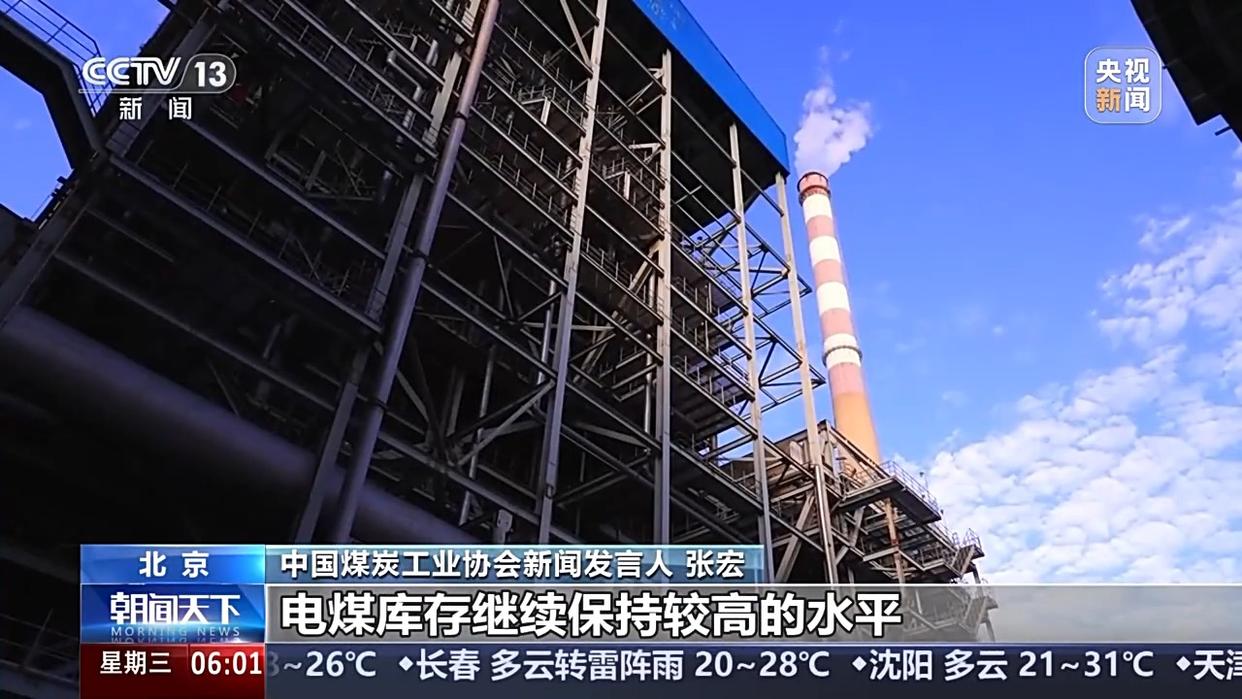
全国煤炭生产保持稳定增长态势 迎峰度夏电煤供应保障有力
Yang Shi Wang· 2025-08-13 04:12
Group 1 - The core viewpoint of the article highlights the stable growth of coal production in China, with a focus on the coal supply for electricity generation being orderly and sufficient [2][3] - In the first half of the year, the output of raw coal from large-scale industrial enterprises reached 2.4 billion tons, representing a year-on-year increase of 5.4% [3] - In June, the raw coal output was 420 million tons, with a year-on-year growth of 3.0%, and an average daily output of 14.04 million tons [3] Group 2 - The proportion of intelligent mining capacity in the country has historically surpassed 50%, with over 16,000 high-risk positions replaced by automation [5][11] - In Inner Mongolia's Heidaigou open-pit mine, advanced intelligent mining technologies are being applied, including autonomous trucks and precise loading systems, enhancing operational efficiency [7] - In Heilongjiang, the Long Coal Group has established five intelligent coal mining faces and upgraded 32 unmanned production auxiliary systems, achieving a mechanization rate of 99.5% [9] Group 3 - As of July 24, the Xinjiang railway department has been transporting an average of 410,000 tons of coal daily, with a cumulative external transport of 50.774 million tons, marking a year-on-year increase of 12.3% [15] - The Daqin Railway, known as "China's first heavy-load railway," has been operating at full capacity, with an average daily coal transport of 1.05 million tons since July [15] - The national coal transportation network has been established, featuring a comprehensive system of railways and ports to ensure efficient coal supply [17]
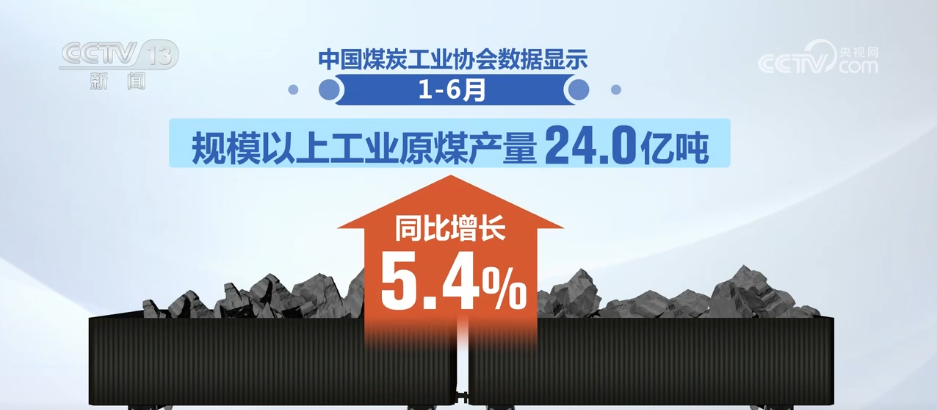
煤炭智能开采产能占比首超50% 立体输送格局基本形成
Yang Shi Xin Wen· 2025-08-13 02:05
Core Insights - The coal production in China has shown stable growth in the first half of the year, with a total output of 2.4 billion tons, marking a year-on-year increase of 5.4% [1] - The import of coal has decreased by 11.1% year-on-year, totaling 22.2 million tons in the same period [1] - The coal supply for electricity generation remains stable, with high inventory levels ensuring supply during peak summer demand [3] Group 1: Production and Supply - The industrial raw coal production in June reached 420 million tons, reflecting a 3.0% year-on-year increase, with an average daily output of 14.04 million tons [1] - The coal mining industry continues to maintain a stable growth trend, with the ability to meet electricity supply demands during peak periods [3] Group 2: Technological Advancements - The proportion of intelligent mining capacity in China has surpassed 50%, with over 16,000 high-risk positions replaced by automation, indicating a significant advancement in safety and efficiency [4][9] - The implementation of intelligent blasting solutions has reduced blasting frequency by 40%, minimizing geological disturbances [7] Group 3: Transportation Infrastructure - A comprehensive coal transportation network has been established, with new coal trains connecting Xinjiang to Jiangsu, enhancing energy security in Eastern China [10] - As of July 24, the average daily coal transportation from Xinjiang reached 410,000 tons, with a total of 50.77 million tons transported, reflecting a 12.3% year-on-year increase [12] - The Daqin Railway, known for its heavy load capacity, has been operating at full capacity, transporting an average of 1.05 million tons of coal daily since July [12]
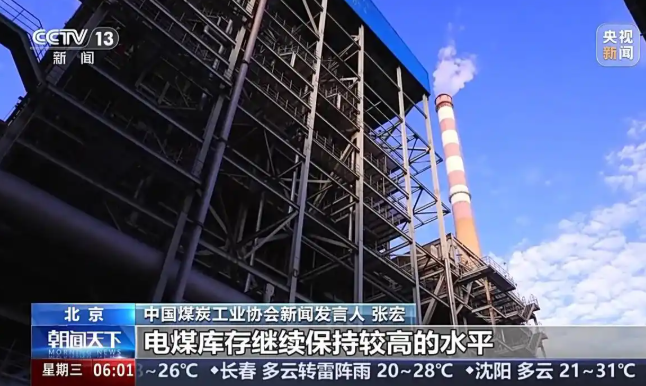
上半年工业原煤产量达24亿吨,1.6万余个高危岗位实现无人化替代
Nan Fang Du Shi Bao· 2025-08-13 00:13
Core Viewpoint - The coal industry in China is experiencing stable growth in production and supply, with significant advancements in intelligent mining technology and transportation infrastructure. Group 1: Production and Supply - In the first half of the year, the output of raw coal from large-scale industrial enterprises reached 2.4 billion tons, a year-on-year increase of 5.4% [1] - In June, the output was 420 million tons, reflecting a 3.0% year-on-year growth, with an average daily production of 14.04 million tons [1] - Coal imports totaled 222 million tons in the first half, marking an 11.1% decrease compared to the previous year [1][3] Group 2: Intelligent Mining - The proportion of intelligent mining capacity in the country has surpassed 50% for the first time, with over 16,000 high-risk positions replaced by automation [4][9] - In Inner Mongolia, advanced technologies such as unmanned trucks and precision loading systems are being utilized, enhancing safety and efficiency [4][6] - The implementation of waste oil regeneration technology converts over 8,000 tons of hazardous waste into high-performance explosives annually, increasing blasting power by 15% [6] Group 3: Transportation Infrastructure - A new coal transportation route from Xinjiang to Jiangsu has been established, enhancing energy security in East China [10] - As of July 24, the average daily coal transportation by rail in Xinjiang reached 410,000 tons, with a total of 50.774 million tons transported, a 12.3% increase year-on-year [12] - The Daqin Railway, known for its heavy load capacity, has been transporting an average of 1.05 million tons of coal daily, accounting for one-fifth of the national railway coal transport volume [12]
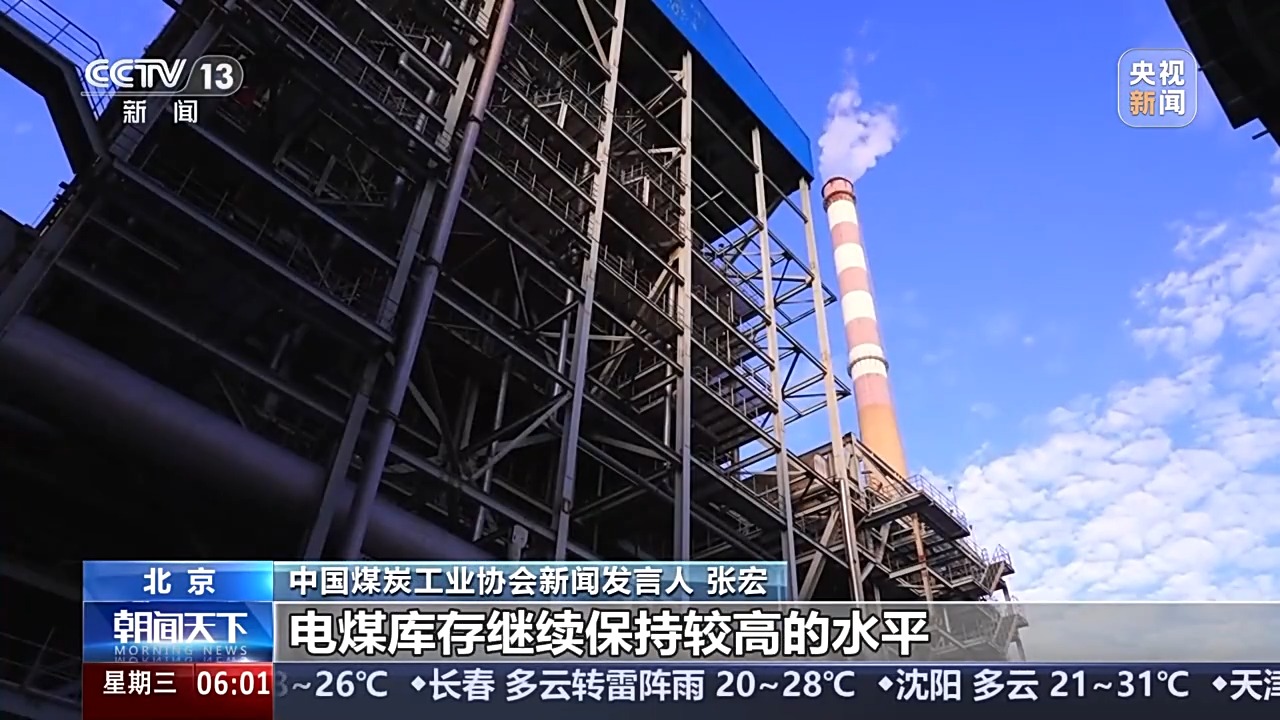
新疆煤炭直抵江苏 能源保供再添“新”通道
Zhong Guo Neng Yuan Wang· 2025-08-04 01:56
Core Viewpoint - The successful delivery of 3,500 tons of high-quality coal from Xinjiang Energy Group to Jiangsu's Xinhai Power Plant marks the official opening of the "Xin Coal into Su" railway direct channel, enhancing energy security in East China during peak summer demand [1] Group 1: Transportation and Supply Chain - The new direct transportation method eliminates the previous reliance on "road-rail combined transport" or "rail-water combined transport," which involved time-consuming and costly transfers at nodes like Zhongwei and Xuzhou [1] - In the first half of 2025, Xinjiang Energy Group has already shipped over 300,000 tons of coal to Jiangsu and other East China provinces, with 90% of this being thermal coal [1] - The first dedicated train not only meets the peak electricity demand in Jiangsu this summer but also validates the economic viability and feasibility of ultra-long-distance railway direct transport, laying a solid foundation for achieving a normalized supply of 3 million tons annually [1] Group 2: Cost and Efficiency Improvements - The establishment of the new channel is attributed to collaborative efforts, including favorable freight policies from the National Railway Group, efficient support from the Lanzhou Bureau, and a rapid loading system at the mining area [1] - After the new channel's completion, the comprehensive cost to the plant has decreased by 20% compared to the beginning of the year, significantly improving transportation efficiency and providing a more economical and reliable energy supply solution for East China [1] Group 3: Future Plans - Xinjiang Energy Group plans to deepen cooperation with coal and power enterprises in East China and actively explore new multimodal transport models combining "railway + maritime transport" to enhance cross-regional energy allocation capabilities [1]
新疆阿克苏地区重点项目建设刷新“进度条”
Zhong Guo Jing Ji Wang· 2025-05-08 08:00
Group 1 - The construction of key projects in the Aksu region of Xinjiang is progressing rapidly, with workers focused on meeting deadlines and ensuring quality [1] - The Aksu Wushi 220 kV substation project has completed 30% of the framework pouring and 50% of the capacitor area since its commencement on April 21, 2023, and is expected to be operational by June 2026 [1] - The project will enhance the local power grid structure, improve power supply reliability, and support high-quality economic development in the region [1] Group 2 - The Kapsulang River hot spring water conservancy hub project in Baicheng, invested by Xinjiang Energy Group and constructed by China Railway No. 2 Engineering Group, is on track for completion by the end of this year [2] - Key construction tasks such as dam filling, spillway construction, and hydropower system installation are progressing smoothly, with local departments providing support to resolve challenges [2] - The annual production project of 40,000 tons of polyoxymethylene at Xinjiang Bingneng New Materials Technology Co., Ltd. is in a critical phase, with confidence in meeting the planned delivery schedule [2]