BioMarin

Search documents
TD Cowen Cautious on Amicus Therapeutics (FOLD) Despite Positive 2025 Revenue Projections
Yahoo Finance· 2026-02-19 00:38
Amicus Therapeutics Inc. (NASDAQ:FOLD) is one of the 13 hot stocks to buy with the highest upside potential. On January 27, TD Cowen analyst Ritu Baral maintained the firm’s Hold rating on Amicus Therapeutics Inc. (NASDAQ:FOLD), as well as the $14.50 price target on the stock. Amicus’s pre-announced fourth-quarter and full-year 2025 total product revenue were modestly above expectations, according to TD Cowen, with Fabry disease medication Galafold delivering a clear outperformance versus consensus estimate ...

Jefferies Downgrades Amicus Therapeutics, Inc. (FOLD) to Buy And Lowers Price Target Amid Takeover Developments
Yahoo Finance· 2026-02-02 14:29
Core Insights - Amicus Therapeutics, Inc. (NASDAQ:FOLD) is recognized as one of the best biotech stocks under $20, primarily due to its innovative treatments for rare diseases [1] - Jefferies downgraded FOLD from Hold to Buy and reduced the price target from $16 to $14.50, reflecting a cautious outlook despite takeover interest [1][2] - BioMarin announced plans to acquire Amicus Therapeutics for $14.50 per share, valuing the company at approximately $4.8 billion, which includes two marketed therapies generating significant revenue [2] Company Overview - Amicus Therapeutics focuses on developing and commercializing treatments for rare and orphan diseases, with a pipeline that includes therapies for genetic and metabolic disorders such as Fabry disease [3] - The company leverages precision science and patient-centric solutions to enhance long-term health outcomes for patients [3] Financial Performance - The combined revenue from Amicus's marketed therapies, Galafold and Pombiliti + Opfolda, reached $599 million over the past four quarters, indicating strong market performance [2]
Top 3 Health Care Stocks That May Implode In Q1
Benzinga· 2026-02-02 10:29
Core Insights - Three stocks in the health care sector are signaling potential warnings for momentum-focused investors as of February 2, 2026 [1] Group 1: Momentum Indicators - The Relative Strength Index (RSI) is a key momentum indicator that compares a stock's performance on days with price increases to days with price decreases, helping traders gauge short-term performance [2] - A stock is generally considered overbought when its RSI exceeds 70, indicating potential caution for investors [2] Group 2: Specific Stocks - Brookdale Senior Living Inc (NYSE:BKD) and Mirum Pharmaceuticals Inc (NASDAQ:MIRM) are highlighted as major overbought stocks in the health care sector [3] - Amicus Therapeutics has seen a significant stock price increase of approximately 139% over the past six months, with a recent RSI value of 80.4, indicating it is overbought [3] - The stock of Amicus Therapeutics closed at $14.29, slightly up by 0.1% on the last trading day, with a 52-week high of $14.38 [3]




Top 3 Health Care Stocks That May Implode In Q1 - Brookdale Senior Living (NYSE:BKD), Amicus Therapeutics (NASDAQ:FOLD)
Benzinga· 2026-02-02 10:29
Core Insights - Three stocks in the health care sector are signaling potential warnings for momentum-focused investors as of February 2, 2026 [1] Group 1: Momentum Indicators - The Relative Strength Index (RSI) is a key momentum indicator that compares a stock's performance on days with price increases to days with price decreases, helping traders gauge short-term performance [2] - A stock is generally considered overbought when its RSI exceeds 70, indicating potential caution for investors [2] Group 2: Specific Stocks - Brookdale Senior Living Inc (NYSE:BKD) and Mirum Pharmaceuticals Inc (NASDAQ:MIRM) are highlighted as major overbought stocks in the health care sector [3] - Amicus Therapeutics has seen a significant stock increase of approximately 139% over the past six months, with a 52-week high of $14.38 and an RSI value of 80.4, indicating it is overbought [3] - On the last trading day, Amicus Therapeutics' shares closed at $14.29, reflecting a slight gain of 0.1% [3]

彻底退出中国市场!知名药企终止供药
Xin Lang Cai Jing· 2026-01-19 13:15
Core Viewpoint - Recordati's subsidiary in China, Ruikangdi, has officially filed for deregistration, marking its complete exit from the Chinese market, which will result in the discontinuation of several rare disease medications supplied by the company [1][6]. Group 1: Company Overview - Ruikangdi was established in 2021 and focused on rare disease treatments, having received approval for three rare disease drugs in China [3][8]. - The drugs approved include: 1. Carbamoyl glutamic acid dispersible tablets for treating methylmalonic acidemia, isovaleric acidemia, propionic acidemia, and hyperammonemia due to N-acetylglutamate synthase deficiency 2. Phosphate ozagrel (Shirui) for treating Cushing's syndrome 3. Long-acting injection of dual hydroxynaphthalene acid paratide microspheres (Sainifen) for treating acromegaly [3][8]. Group 2: Market Impact - The exit of Ruikangdi means that the only approved drug for Cushing's syndrome, phosphate ozagrel, will no longer be available, which is critical for patients relying on it [3][8]. - The drug was approved in September 2024 and commercially launched in April 2025, but has been on the market for less than a year [3][8]. - The average treatment cost for phosphate ozagrel in China is approximately 200,000 yuan per year, with the drug priced at around 8,000 yuan per box [3][8]. Group 3: Challenges in Rare Disease Market - The potential for phosphate ozagrel to be included in the national medical insurance directory was high, but it ultimately did not make the final list, impacting its sales [4][9]. - The high cost of rare disease drug development and the limited patient population make it difficult for such drugs to be financially viable without insurance support [10]. - Only about 50 patients are estimated to have purchased phosphate ozagrel in domestic pharmacies, highlighting the challenges in market penetration and patient awareness [11]. Group 4: Broader Industry Context - The exit of Recordati from China is not an isolated incident; other pharmaceutical companies, such as BioMarin, have also withdrawn rare disease treatments from the market [5][11]. - The challenges faced by rare disease patients in China are compounded by the high costs of treatment and the limited availability of insurance coverage, which often prioritizes common and chronic diseases [10].
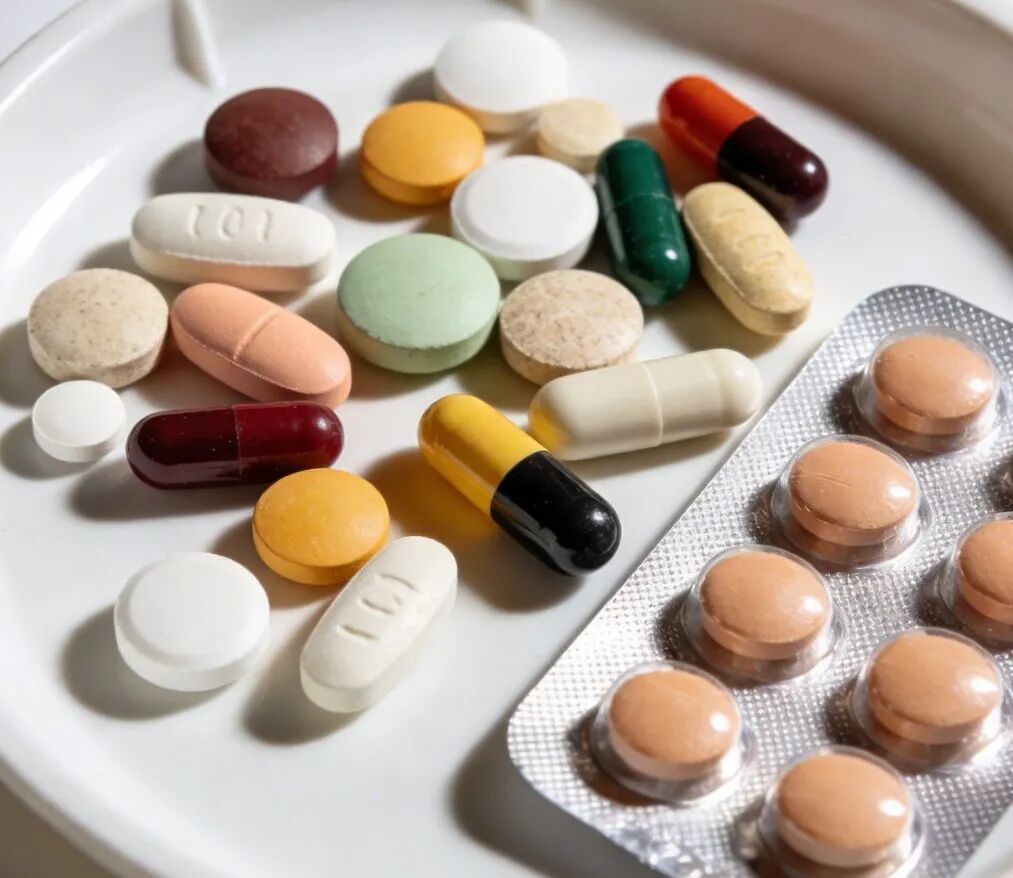
太突然!彻底退出中国市场,知名药企终止供药
Sou Hu Cai Jing· 2026-01-19 08:29
Core Insights - Recordati's subsidiary in China, Ruikangdi, has officially filed for deregistration, marking its complete exit from the Chinese market, which will also halt the supply of several rare disease medications [1] - Ruikangdi, established in 2021, focused on rare diseases and had received approval for three rare disease drugs in China [1] - The exit of Ruikangdi is particularly significant for patients with Cushing's syndrome, as it removes the only approved treatment, Phosphate Ozonostatin, which was commercialized in April 2025 [1] Group 1 - Ruikangdi's exit means that patients will no longer have access to a "lifesaving drug," with reports indicating that one patient has spent approximately 1 million yuan on treatment over four years [1] - Phosphate Ozonostatin was priced at around 8,000 yuan per box in China, with an average annual treatment cost of about 200,000 yuan [2] - The drug was expected to be included in the national medical insurance directory, which could have reduced out-of-pocket costs for patients, but ultimately, it was not included [2] Group 2 - The challenges faced in the rare disease sector include limited awareness among patients and doctors, high costs of medical education, and the economic difficulties faced by many families with rare disease patients [3] - Recordati's exit is not an isolated case; BioMarin also withdrew a rare disease treatment from the Chinese market in 2024, highlighting ongoing issues in the sector [3]
跨国罕见病药企退出中国,有患者几年吃了100万
Jing Ji Guan Cha Bao· 2026-01-18 05:07
Core Viewpoint - Recordati's subsidiary in China, Ruikangdi, has officially filed for deregistration and will completely exit the Chinese market, ceasing all business activities and supply of rare disease medications, including the only oral drug for Cushing's syndrome, Osilodrostat [1][2] Group 1: Company Actions - Ruikangdi announced the completion of its liquidation process on December 11, 2025, and will terminate all operations shortly [1] - The exit will result in the discontinuation of several rare disease drugs, including Osilodrostat, which was only recently commercialized in China [1][2] - Recordati had high expectations for Osilodrostat's sales in China, where it was priced at approximately 8,000 yuan per box, with an average annual treatment cost of around 200,000 yuan [1] Group 2: Market Challenges - The failure to include Osilodrostat in the national medical insurance directory has been cited as a significant factor in Ruikangdi's decision to exit [3][4] - The market for rare disease drugs in China faces challenges such as high development costs, limited patient populations, and reliance on multi-tiered payment systems, which complicate access to these medications [2][3] - The number of patients purchasing Osilodrostat in domestic pharmacies is estimated to be around 50, highlighting the limited market penetration [2] Group 3: Industry Trends - Ruikangdi's exit reflects a broader trend of multinational pharmaceutical companies reassessing their strategies in the Chinese market, with several companies restructuring or divesting their operations [4][6] - The exit of Ruikangdi and other companies may lead to increased opportunities for domestic pharmaceutical firms and could drive innovation and upgrades within the local industry [6]
又一款罕见病药将退出中国市场
Xin Lang Cai Jing· 2026-01-17 15:37
Core Viewpoint - Recordati's subsidiary in China, Ruikangdi, has officially filed for deregistration, marking its complete exit from the Chinese market, which will result in the discontinuation of several rare disease medications, including the only oral drug for Cushing's syndrome, Osilodrostat [1][3]. Group 1: Company Actions - Ruikangdi's exit from the Chinese market will lead to the cessation of supply for its rare disease drugs, significantly impacting patients reliant on these medications [1]. - Osilodrostat was approved in China in September 2024 and commercialized in April 2025, but has been available since 2021 as part of a pilot program in Boao Lecheng [3]. Group 2: Patient Impact - The withdrawal of Ruikangdi is seen as a critical loss for Cushing's syndrome patients, as Osilodrostat is considered a "lifesaving drug" [3]. - A patient who has been on Osilodrostat for four years reported spending approximately 1 million yuan on the medication [3]. Group 3: Market Dynamics - Osilodrostat's price in China is around 8,000 yuan per box, with an average annual treatment cost of about 200,000 yuan, despite being one of the lowest-priced markets globally [3]. - The drug was expected to be included in the national medical insurance directory, which would have reduced out-of-pocket costs for patients to below 2,000 yuan per month, but it ultimately was not included [3]. Group 4: Industry Challenges - The high cost of developing rare disease drugs and the limited patient population make pricing and reimbursement a significant challenge, particularly in China where commercial insurance is still developing [4]. - The market for rare disease drugs is further complicated by the fact that only about 50 patients in China have purchased Osilodrostat, indicating low market penetration [4]. - The exit of Recordati is not an isolated incident, as other companies like BioMarin have also withdrawn rare disease treatments from the Chinese market, highlighting the difficulties faced by small to mid-sized firms in this sector [4][5].

又一款罕见病药将退出中国市场,有患者称“吃掉100万”
第一财经· 2026-01-17 12:15
Core Viewpoint - Recordati's subsidiary in China, Ruikangdi, has officially filed for deregistration, marking its complete exit from the Chinese market, which will result in the discontinuation of several rare disease medications, including the only oral drug for Cushing's syndrome, Osilodrostat [3][5]. Group 1: Company Actions - Ruikangdi's exit signifies a significant loss for Cushing's syndrome patients, as it is considered a "lifesaving drug" [5]. - Osilodrostat was approved in China in September 2024 and commercialized in April 2025, but has been available since 2021 as part of a pilot program [5]. - Recordati had high sales expectations for Osilodrostat in China, where it was priced at approximately 8,000 yuan per box, with annual treatment costs averaging around 200,000 yuan [5]. Group 2: Market Challenges - The drug's potential inclusion in the national medical insurance directory was anticipated, which could have reduced out-of-pocket costs for patients to below 2,000 yuan per month, but it ultimately was not included [5]. - The high cost of rare disease drug development and the limited patient population make pricing and reimbursement a significant challenge, especially in China where commercial insurance is still developing [6]. - Only about 50 patients in China are estimated to have purchased Osilodrostat, highlighting the drug's limited market penetration due to affordability issues [6]. Group 3: Industry Context - Recordati's exit is not an isolated incident; BioMarin also withdrew a rare disease treatment from the Chinese market in 2024, leaving patients without available options [7]. - The challenges faced by rare disease pharmaceutical companies include lengthy and costly market education and the financial burden on patients, many of whom struggle economically [7]. - Even drugs that are included in insurance plans can face supply issues, as seen with the drug Nitisinone, which experienced shortages despite being on the market for two years [7].

又一款罕见病药将退出中国市场,有患者称“吃掉100万”
Di Yi Cai Jing· 2026-01-17 11:11
Group 1 - The high cost of developing rare disease drugs, combined with a limited patient base and high pricing, creates a challenging environment for small to medium-sized enterprises compared to larger pharmaceutical companies [1][4] - Recordati's Chinese subsidiary, Ruikangdi, has officially filed for deregistration, marking its complete exit from the Chinese market, which will result in the discontinuation of several rare disease drugs, including the only oral medication for Cushing's syndrome, Osilodrostat [1][3] - Osilodrostat was approved in China in September 2024 and commercialized in April 2025, but its sales have been limited, with only about 50 patients purchasing the drug in domestic pharmacies [3][4] Group 2 - The average annual treatment cost for Osilodrostat in China is approximately 200,000 yuan, despite the drug being priced at 8,000 yuan per box, which is among the lowest in the world [3][4] - The drug was expected to be included in the national medical insurance directory, which would have reduced out-of-pocket expenses for patients to below 2,000 yuan per month, but it ultimately did not make it into the final directory [3][4] - The exit of Recordati from the Chinese market is not an isolated incident, as other companies like BioMarin have also withdrawn their rare disease treatments, highlighting the ongoing challenges faced by rare disease drug manufacturers in China [4]