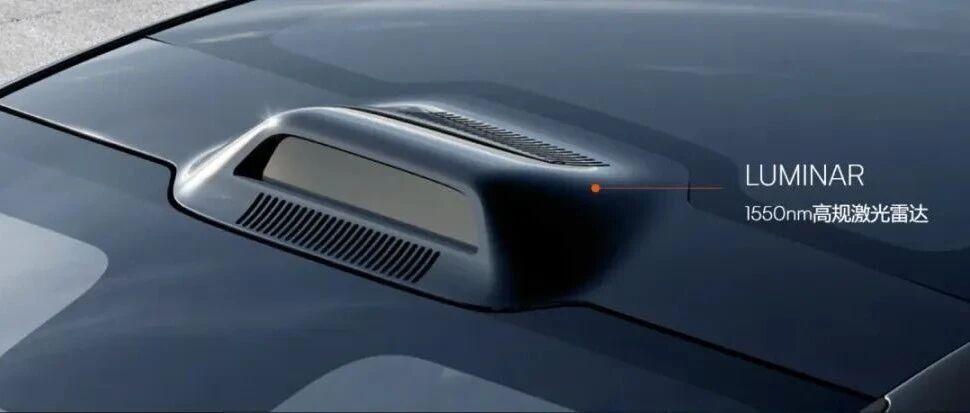
Luminar

Search documents
Luminar sale approved despite last-minute mystery bid
TechCrunch· 2026-01-28 20:41
Core Insights - Luminar's lidar business faced a last-minute bid that exceeded the leading offer of $33 million from MicroVision, but Luminar chose to proceed with MicroVision's bid due to "infirmities" in the new offer [1][2] Group 1: Sale Process and Bids - An unidentified party submitted a bid just before a bankruptcy hearing, which was significantly higher than the $33 million bid from MicroVision [1] - Luminar's legal counsel indicated that the last-minute bid had issues, leading the company to stick with MicroVision's offer [2] - The identity of the last-minute bidder was not disclosed, but it was suggested to be an "insider purchaser," likely Austin Russell, Luminar's founder [2][3] Group 2: MicroVision's Acquisition - The sale of Luminar's lidar technology and remaining staff to MicroVision was approved, with the transaction expected to close in the coming weeks [3][6] - MicroVision aims to leverage Luminar's lidar technology to enhance its automotive capabilities, which it currently lacks [6][8] - MicroVision's CEO expressed optimism about reviving Luminar's existing contracts with automakers, viewing them as potential revenue opportunities [9][10] Group 3: Competitive Landscape - MicroVision is positioned to expand beyond its current markets of industrial use, security, and defense by integrating Luminar's technology [8] - The acquisition is seen as a strategic move to enhance MicroVision's engineering capabilities and competitiveness in the automotive sector [9]


Luminar receives a larger $33M bid for its lidar business
Yahoo Finance· 2026-01-27 14:17
Core Insights - Luminar's lidar business received a higher bid of $33 million from MicroVision, surpassing the previous bid of $28 million from Quantum Computing Inc. [1] - MicroVision aims to acquire intellectual property, inventory, engineering talent, and commercial contracts related to its lidar sensors, indicating a strategic move to enhance its position in the lidar market [1]. - The sale is pending approval from the bankruptcy court, with a hearing scheduled for Tuesday afternoon [1]. Company Developments - Austin Russell, Luminar's founder and former CEO, has not confirmed whether he submitted a bid for the lidar assets during the bankruptcy process [2]. - Russell's previous attempts to acquire Luminar outright and his ongoing legal disputes with the company highlight the complexities surrounding the bankruptcy case [3]. - A protective order regarding Russell's personal information was established, allowing him to comply with a subpoena related to his resignation and the ongoing legal matters [4]. Industry Context - MicroVision's CEO emphasized the need for consolidation in the lidar market, suggesting that the industry is poised for significant changes and increased safety through advanced technology [1]. - The acquisition of Luminar's lidar assets could expedite the resolution of Luminar's bankruptcy case, which has been ongoing since December [4]. - The sale of Luminar's semiconductor division to Quantum Computing Inc. for $110 million indicates ongoing restructuring efforts within the company [4].
Luminar receives a larger $33 million bid for its lidar business
TechCrunch· 2026-01-27 14:17
Core Viewpoint - Luminar's lidar business has attracted a higher bid of $33 million from MicroVision, surpassing the previous bid of $22 million from Quantum Computing Inc. as the auction concludes in the company's bankruptcy case [1][2]. Group 1: Bidding Process - MicroVision's bid of $33 million exceeds Quantum Computing Inc.'s latest bid of $28 million, which was initially $22 million [2]. - The sale of Luminar's lidar business is pending approval from the judge overseeing the bankruptcy case, with a hearing scheduled for Tuesday afternoon [2]. Group 2: Company Background and Legal Issues - It remains uncertain whether Luminar's founder and former CEO Austin Russell submitted a bid for the lidar assets, although he had previously expressed interest [3]. - Russell and Luminar have been involved in legal disputes regarding a subpoena, with the company considering legal action against him related to his resignation following an ethics inquiry [4]. - Russell has agreed to comply with the subpoena, and a protective order regarding his personal information has been established [5]. Group 3: Bankruptcy Case Progress - The potential sale of the lidar assets could expedite the resolution of Luminar's bankruptcy case, which was filed in December [5]. - Luminar has already reached an agreement to sell its semiconductor division to Quantum Computing Inc. for $110 million [5].


Luminar founder Austin Russell agrees to accept subpoena in bankruptcy case
TechCrunch· 2026-01-20 21:32
Core Insights - Luminar's founder and former CEO Austin Russell has agreed to accept an electronic subpoena for information related to the company's ongoing bankruptcy proceedings, with specific timelines for compliance outlined in a recent filing [1][2] Group 1: Legal Proceedings - Russell had previously been accused of avoiding the subpoena by not allowing process servers access to his Florida mansion, and he expressed concerns about the protection of his personal information [2] - The two parties have reached an agreement to clarify how Russell's personal information will be handled during the subpoena process [2] - Luminar has been seeking information from Russell since his resignation, as it considers potential legal action against him [6] Group 2: Bankruptcy and Asset Sales - Luminar filed for Chapter 11 bankruptcy protection in December after losing significant contracts with major customers such as Volvo and Mercedes-Benz, alongside increasing competition from Chinese lidar companies [3] - The company has reached a deal to sell its lidar assets to Quantum Computing Inc. for $22 million and is also attempting to sell its semiconductor division for $110 million [4] - An auction is scheduled for the end of the month to solicit bids that may exceed QCI's offer [4] Group 3: Russell's Interest in Luminar - Russell attempted to buy Luminar in October, following his resignation due to an ethics inquiry, but before the bankruptcy filing [5] - His new venture, Russell AI Labs, has indicated interest in submitting a bid for Luminar's lidar assets, although no formal offer has been made yet [5]


Luminar lines up $22 million bidder for its lidar business
TechCrunch· 2026-01-12 15:28
Group 1 - Luminar has agreed to sell its lidar business to Quantum Computing Inc. for $22 million, pending better offers by a deadline [1] - The company filed for Chapter 11 bankruptcy protection in December and plans to sell its semiconductor subsidiary to Quantum Computing Inc. for $110 million [1] - The deals require approval from the bankruptcy judge in the Southern District of Texas before finalization [1] Group 2 - Austin Russell, Luminar's founder and former CEO, has shown interest in bidding for the lidar assets and previously attempted to buy the entire company before its bankruptcy filing [2] - Luminar is currently trying to serve Russell with a subpoena for information related to an ethics inquiry that led to his resignation [2] - The number of other bids Luminar may receive by the Monday deadline is currently unknown [2] Group 3 - Quantum Computing Inc. is designated as a "stalking horse bidder," establishing a baseline for asset value and preventing low-ball bids [3] - Luminar aims to expedite the bankruptcy process with support from its largest creditors, primarily financial institutions [3] Group 4 - The stalking horse bid signifies a significant decline from Luminar's peak market cap of approximately $11 billion in 2021, which was based on anticipated widespread adoption of its lidar sensors by major automakers [4] - Notable partnerships with companies like Volvo, Mercedes-Benz, and Polestar fell through, contributing to the decline in valuation [4] Group 5 - Quantum Computing Inc. was originally founded in 2001 as Ticketcart, selling ink-jet cartridges, and has since pivoted to optic technology for quantum computing [5] - The company raised over $700 million by selling shares in 2025, but reported revenue of only $384,000 for the first nine months of the previous year [5]

革命性的太赫兹传感器,正式亮相
半导体行业观察· 2026-01-06 01:42
Core Viewpoint - Teradar has launched its first flagship terahertz sensor, named Summit, which aims to fill the gap left by traditional radar and lidar sensors, offering high performance in all weather conditions [1][10]. Group 1: Product Features and Technology - The Summit sensor is designed to operate in the terahertz frequency range, which has not been fully utilized, and features a solid-state design with no moving parts [1][4]. - Teradar claims that its sensor can provide 20 times the resolution of traditional automotive radar and maintains performance in adverse weather conditions [11][12]. - The modular design of the sensor allows customization for specific Advanced Driver Assistance Systems (ADAS) or autonomous driving needs, with an expected price range in the hundreds of dollars [7][8]. Group 2: Market Context and Competition - The launch of Teradar's sensor comes at a time when automotive sensor suppliers are facing challenges, including the bankruptcy of Luminar after losing contracts with major automakers [2]. - Chinese companies are aggressively entering the lidar market, with plans to produce over 1 million lidar sensors by 2025, increasing competition for Teradar [2]. - Other U.S. companies in the lidar space are diversifying into robotics and smart infrastructure, indicating a shift in market focus [2]. Group 3: Partnerships and Future Prospects - Teradar has secured $150 million in Series B funding, with investments from Lockheed Martin's venture capital arm and VXI Capital, indicating strong interest in its technology [2][5]. - The company is collaborating with five major automotive manufacturers and three tier-one suppliers to validate its technology, with plans to begin shipping the Summit sensor in 2028 [1][10]. - Teradar's technology is positioned as a complementary or alternative solution to existing sensor suites, addressing the limitations of current sensor technologies [10][13].

China's Hesai will double production as lidar sensor industry shakes out
TechCrunch· 2026-01-05 18:00
Core Viewpoint - Hesai, a Chinese lidar manufacturer, plans to double its production capacity from 2 million units to 4 million units in 2026, aiming to capture a larger share of the global lidar market [1] Group 1: Company Developments - Hesai has raised hundreds of millions of dollars and is listed on both the Nasdaq and Hong Kong stock exchanges, despite facing accusations from the U.S. government regarding its ties to China's military [3] - The company reported that its production target was doubled due to "accelerating demand" in the automotive and robotics sectors [4] - Hesai has secured 4 million orders for its latest ATX lidar sensor and has 24 automotive customers, including a major European automaker [5] Group 2: Market Context - The automotive market in China has seen a significant adoption of lidar sensors, with 25% of new electric cars sold in the country now equipped with them [5] - The lidar market outside of China has proven to be volatile, as evidenced by Luminar's bankruptcy, which was partly due to failed deals with major automakers like Volvo [6] - The robotics sector is viewed as a promising market for lidar, with Ouster estimating it represents a $14 billion opportunity [6] Group 3: Competitive Landscape - Hesai has contributed to a dramatic reduction in lidar sensor costs, achieving a 99.5% decrease over eight years, which has impacted competitors like Luminar [10] - The company is also involved in providing lidar sensors for autonomous vehicle companies such as Pony AI, Motional, WeRide, and Baidu [9]

Luminar claims founder Austin Russell is dodging a subpoena in the bankruptcy case
TechCrunch· 2026-01-05 12:10
Core Viewpoint - Luminar is facing challenges in retrieving company-owned devices from its founder and former CEO Austin Russell, which may impact potential legal actions against him [1][2][8]. Group 1: Legal and Compliance Issues - Luminar has been attempting to reclaim devices from Russell since his resignation in May, recovering six computers but still seeking his company-issued phone and a digital copy of his personal phone [2]. - The company has accused Russell and his employees of misleading legal representatives about his location, prompting them to seek court permission to serve him via mail or email [3][8]. - Russell has claimed cooperation and requested assurances regarding the protection of personal data from his devices, but Luminar's lawyers have stated they will follow court-established processes for data handling protections [4][12]. Group 2: Bankruptcy Proceedings - The emergency filing marks a significant development in Luminar's Chapter 11 bankruptcy case, as the company is trying to sell its semiconductor subsidiary to Quantum Computing, Inc., with a January 9 deadline for bids on its lidar division [5]. - Prior to the bankruptcy filing, Russell attempted to buy Luminar through his new venture, Russell AI Labs, and has expressed intentions to bid during the bankruptcy process [6]. Group 3: Investigative Actions - Following Russell's resignation, Luminar's board established a Special Investigation Committee to investigate potential claims related to Russell's actions, including personal loans [9][10]. - Legal representatives from Weil, Gotshal & Manges were engaged to collect Russell's devices, but faced challenges in confirming representation and direct communication with him [11][12].

最高546亿市值的明星公司,破产了
36氪· 2025-12-25 13:43
Core Viewpoint - Luminar, once a leading player in the lidar industry, has filed for bankruptcy reorganization, marking a significant downturn in the U.S. lidar market, with Chinese manufacturers now dominating the majority of market share [4][5]. Group 1: Company Overview - Luminar's assets are estimated between $100 million to $500 million, while its total debt ranges from $500 million to $1 billion [4]. - The company's stock plummeted by 60.82% to $0.35 per share, resulting in a market capitalization of only $27.4453 million [5]. - Luminar's operational profit margin was reported at -283.7% in Q3 2025, indicating severe financial distress [6]. Group 2: Key Partnerships and Market Position - Volvo, Luminar's most significant partner, announced the termination of their agreement, which will drastically reduce Luminar's market share from approximately 8-10% to below 1% [7]. - The decision by Volvo was attributed to Luminar's failure to meet contractual obligations, highlighting the company's deteriorating financial health [7]. Group 3: Competitive Landscape - The lidar market is increasingly competitive, with Chinese manufacturers capturing 93% of the passenger vehicle lidar market, while foreign companies like Valeo and Innoviz are losing market share [8]. - Tesla's "pure vision" approach has led to skepticism about the necessity of lidar, further constraining Luminar's market opportunities [8]. Group 4: Company History and Development - Founded by Austin Russell, Luminar aimed to revolutionize lidar technology by significantly reducing costs from $75,000 to $500 per unit, achieving rapid market penetration [12][13]. - The company raised $360 million in initial funding and went public via SPAC in 2020, reaching a market valuation of $7.8 billion on its first trading day [14]. Group 5: Recent Developments and Future Outlook - Luminar has initiated self-rescue measures, including the sale of its Luminar Semiconductor subsidiary for $110 million and plans to sell its lidar business [10]. - The current CEO, Paul Rich, stated that the bankruptcy process is seen as the best path forward, while the company continues to operate and fulfill customer orders during this period [10].
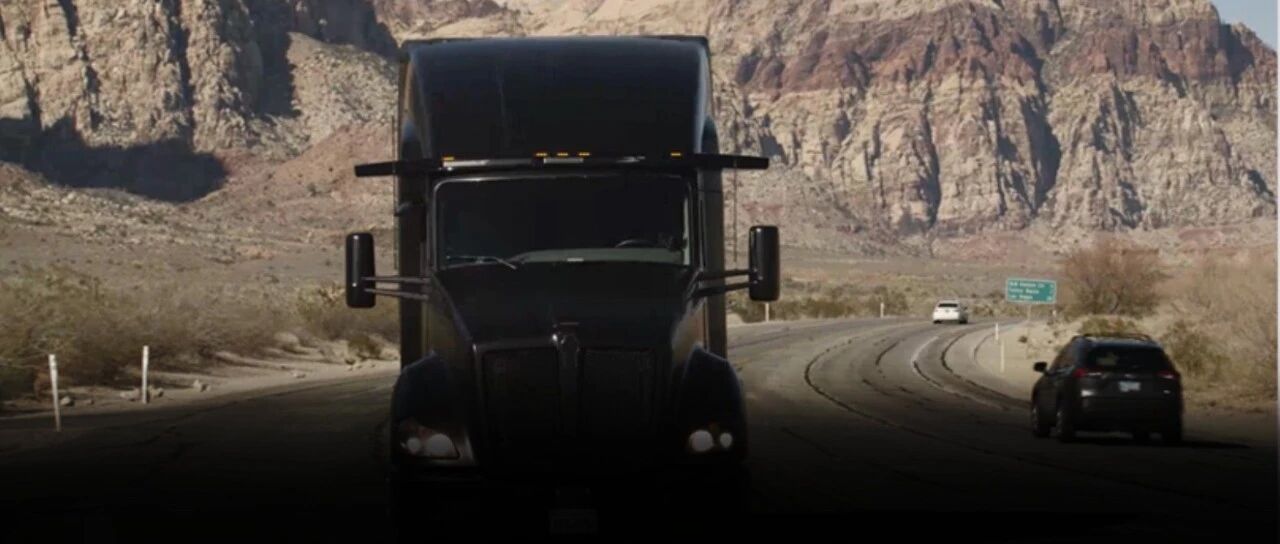
一夜蒸发540亿!这家全球市值第一的美国企业,为啥被所有人抛弃?
电动车公社· 2025-12-23 16:06
Core Viewpoint - The article discusses the rise and fall of Luminar, a prominent player in the lidar industry, highlighting its rapid growth, technological innovations, and eventual bankruptcy due to internal management issues and market competition [1][95]. Group 1: Company Overview - Luminar was founded in 2012 by Austin Russell, a prodigy who dropped out of college to pursue entrepreneurship in the lidar sector [13][28]. - The company initially gained significant attention and market share by innovating with a 1550nm wavelength lidar, which offered advantages in safety and performance over the traditional 905nm systems [34][38]. Group 2: Market Position and Performance - Luminar's market value peaked at over $5 billion in 2022, making it the most valuable lidar company globally at that time [9][11]. - The company successfully launched its second-generation lidar, Iris, which featured 300 lines and a detection range of up to 500 meters, priced around $500, making it competitive for mass production [51][52]. Group 3: Challenges and Decline - In late 2025, Luminar faced a catastrophic setback when Volvo canceled its partnership, which accounted for 90% of Luminar's revenue, leading to a rapid decline in stock value and eventual bankruptcy filing [59][62]. - Internal management issues, including the dismissal of CEO Austin Russell and disputes over contract obligations with Volvo, contributed to the company's downfall [65][63]. Group 4: Industry Context - The lidar market has seen a significant shift, with Chinese companies like Hesai and RoboSense capturing over 90% of the global market share, while American firms struggle to compete [98][99]. - The article emphasizes that technological superiority does not guarantee market success, as companies must adapt to market demands to survive [94].