
人道主义精神

Search documents
德国一图书馆收录南京大屠杀题材童书
Xin Lang Cai Jing· 2026-02-26 12:28
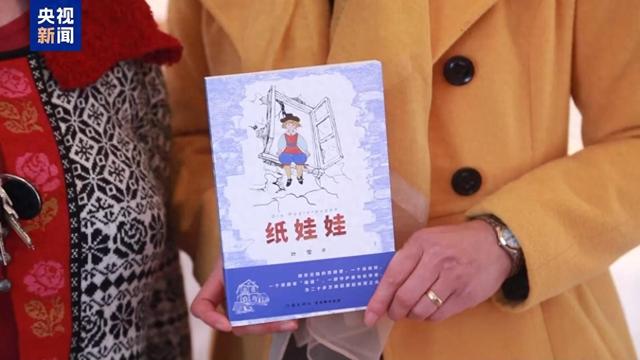
慕尼黑国际青少年图书馆馆长 克莉丝蒂安娜·拉伯:我知道德国是正视了自身罪责的。许多国家,即便 那些同样犯下暴行的国家却没有这样做。我认为,铭记历史至关重要,这是为了确保我们保持人道主义 精神,而这正是铭记历史的核心所在,当然我们也通过儿童文学来做到这一点。 慕尼黑国际青少年图书馆馆长 克莉丝蒂安娜·拉伯:二战是一场夺去数千万人生命的世界大战,我们的 创始人本人也是二战的受害者,我认为在当今时代铭记历史至关重要。 本文转自【央视新闻客户端】; 近日(23日),中国驻慕尼黑总领馆与慕尼黑国际青少年图书馆联合举办中德童书读书会。当天,该图 书馆正式收录了旅德中国作家叶莹创作的南京大屠杀题材的儿童读物——《纸娃娃》。图书馆希望让读 者了解中国在二战期间遭受的苦难,铭记历史,珍爱和平。 总台记者 贺俊强:这里是慕尼黑国际青少年图书馆。二战结束后,德国社会在反思战争罪责与历史责 任的过程中,把教育与阅读视为面向未来的重要力量。这座图书馆收藏来自世界各国的童书,也象征着 德国希望通过文化交流,培养年轻一代对和平与多元的理解。 《纸娃娃》这部儿童文学作品讲述了在1937年南京大屠杀期间,中国男孩田天一家在日军轰炸下挣扎求 生 ...

丁铎:南海搜救实践展现中国担当
Xin Lang Cai Jing· 2026-01-27 23:08
面向未来,推动南海海上搜救合作向更深层次、更广领域发展,是各方共同的利益所在。可行的路径应 当是基于现有实践,双多边并举,循序渐进:一是着力加强在搜救信息交流、技术标准与最佳实践共享 方面的合作,通过定期开展联合桌面推演与实船演习,实质性提升联合应急响应效能;二是积极拓展在 海上搜救专业人员培训、技术研发和装备应用方面的交流与合作项目,共同提升区域整体搜救能力基 础;三是在充分遵循《国际海上搜寻救助公约》等国际规则的前提下,各方共同探讨制定适用于本海域 特点的联合搜救行动指南或标准操作程序,为更可预测、更高效的多边协作奠定规则基础。 南海的海上搜救实践,本质上是一项以国际法为依托、以人道主义为内核、以高效协作为抓手的跨国性 公共服务。中国海上力量在该海域持续进行的能力建设与积极主动的救援行动,是认真履行国际责任、 切实维护地区海上公共安全的具体证明。从此次救援到历年多次成功案例,体现的是一种聚焦生命救援 与航行安全保障的务实行动逻辑。持续推动南海海上搜救合作机制化建设,增强行动的可协调性与可预 测性,不仅将提升这一全球战略通道的整体安全水平,也必将为积累区域互信、促进南海和平稳定注入 更多正能量。(作者是中国 ...
“台胞博爱服务站”在福州揭牌
Xin Lang Cai Jing· 2025-12-28 01:57
福州市红十字会相关负责人介绍,该服务站立足台胞需求与景区场景,提供三大服务,包括台胞专属医 疗救助、红十字会员与志愿者服务、景区公共便民服务,配备应急救护人员与AED(自动体外除颤器)设 备。 福州市红十字会救护师资现场演示了AED使用及急救技能,并为观众开展急救培训,践行"生命无价, 急救先行"理念。(完) 中新网福州12月28日电 (郑江洛)于27日在福州市举办的第十二期闽海大讲堂上,"台胞博爱服务站"揭牌 设立。 据介绍,第十二期闽海大讲堂聚焦"人道主义精神与历史的深度对话",发挥红十字联结两岸民众情感、 推动两岸交流的桥梁作用。 ...
“中国版辛德勒”——法国友人饶家驹 人道主义精神照亮和平路
Yang Shi Wang· 2025-12-04 22:17
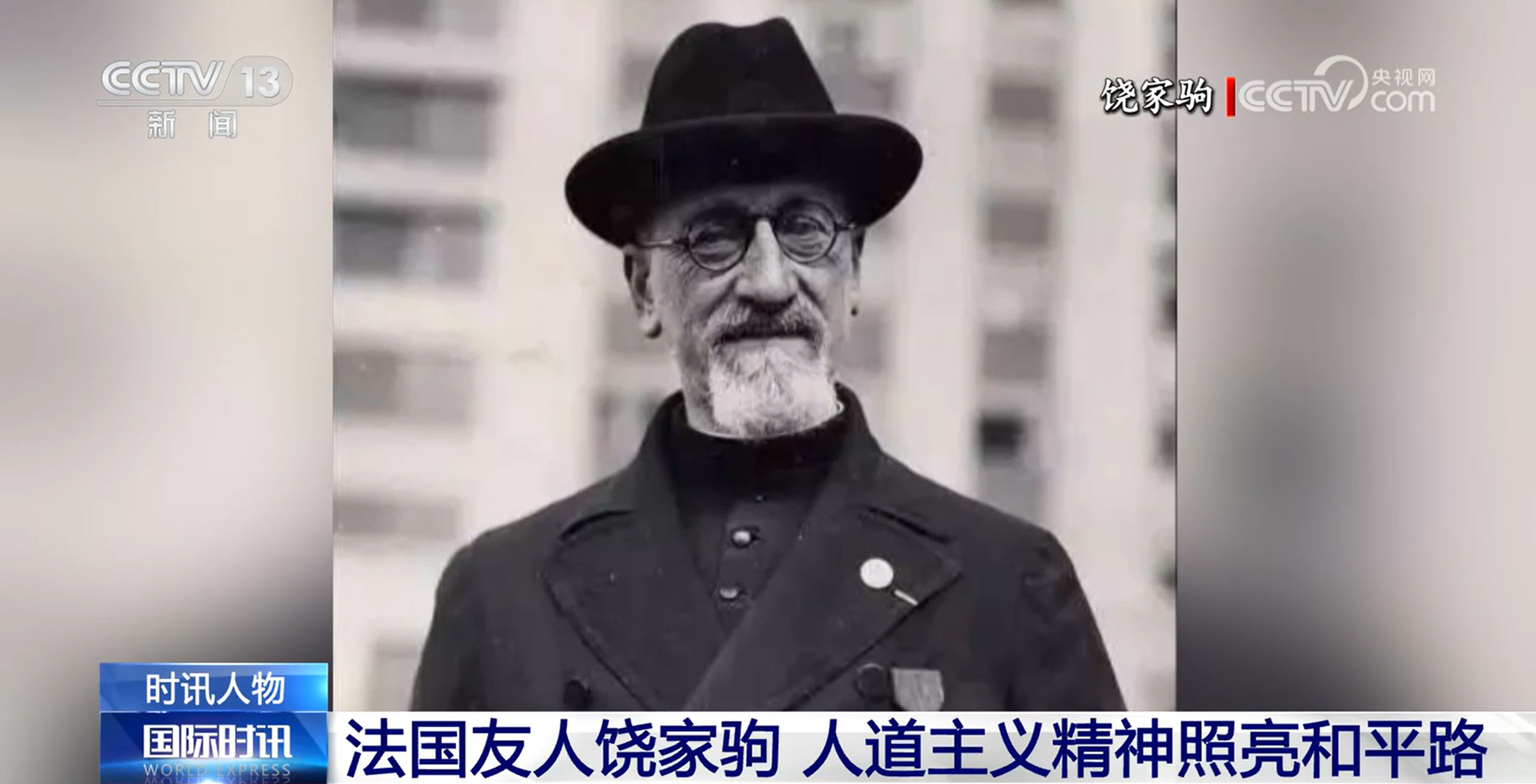
1937年8月13日,"八一三"淞沪会战爆发,成千上万的中国百姓流离失所,沦为难民。到了10月,随着日军占领江湾、大场等地,11月,日军金山卫登陆, 越来越多的难民从上海周边涌向租界。 央视网消息:今年是中国人民抗日战争暨世界反法西斯战争胜利80周年。在烽火连天的抗日战争时期,一位法国友人冒着生命危险在上海创立战时平民保护 区,为超过30万中国人筑起生命屏障。他就是被誉为"中国版辛德勒"的饶家驹。他的人道主义精神在当今国际形势下更显珍贵。 1878年3月15日,饶家驹出生于法国夏朗德省桑特市。1913年饶家驹来到上海。 作为上海华洋义赈会的会长,饶家驹曾多次救助长江、黄河等地的水灾,并且帮助战乱中的平民逃离战火。 上海淞沪抗战纪念馆文史部研究员 胡文君:当时(1932年"一·二八"淞沪抗战期间),因为战事爆发比较突然,有一批中国居民还困在了虹口、闸北一带。 饶家驹听闻后,他冒着危险亲自到战区去视察。发现情况以后,他就首先反映给英国领事,在英国领事的协调下促成了和日方的沟通协商、促成了停火。在 2月11日8时到12时,停火4个小时。饶家驹联系了红十字会8辆大卡车,陆续运走了七八百名中国居民。 法国前总理 拉法兰 ...
中国驻多伦多总领馆在白求恩故乡举办纪念抗战胜利八十周年活动
Ren Min Ri Bao Hai Wai Ban· 2025-09-18 02:45
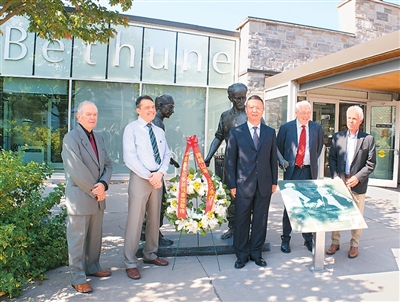
Group 1 - The event commemorated the 80th anniversary of the victory in the Chinese People's Anti-Japanese War and the World Anti-Fascist War, held at the Norman Bethune Memorial Museum in Gravenhurst, Canada, attended by nearly a hundred representatives from various sectors [1][2] - Chinese Consul General in Toronto, Luo Weidong, emphasized the importance of remembering history to cherish peace and promote future development, highlighting Bethune's spirit of selflessness and internationalism as a symbol of China-Canada friendship [1][2] - The museum director, Scott Davidson, announced the upcoming 50th anniversary of the museum and its commitment to promoting the spirit of Bethune and enhancing China-Canada cultural exchanges [1][2] Group 2 - Gravenhurst City Councilor Peter Johnston noted that the shared historical victory is a valuable asset for both Chinese and Canadian peoples, while Warren Bethune, president of the Canada-China Friendship Association, called for strengthened cooperation between the two countries [2] - Family representative Stephen Lindley expressed gratitude for the event and pride in the Chinese people's remembrance of Bethune, while David Crook from the Canada Bethune Medical Development Association highlighted the importance of remembering the tragedies of war and promoting humanitarianism [2] - Representatives from Chinese communities in Shanxi and Hebei shared touching stories about Bethune's contributions in those regions, reinforcing the commitment to carry forward his spirit and promote friendship and cultural exchange between China and Canada [2]
不能被“遗忘”的仁者(环球走笔)
Ren Min Ri Bao· 2025-09-14 22:03
Core Points - The article highlights the humanitarian contributions of Father R. J. de Beauséjour (饶家驹) during World War II, particularly in establishing the Shanghai South City Refugee Zone, which provided shelter for over 300,000 refugees [2][3] - It emphasizes the long-term impact of his work on international humanitarian law, leading to the inclusion of civilian protection in the Geneva Conventions [2][4] - The article also discusses the historical neglect of R. J. de Beauséjour's contributions in Western narratives of World War II, and recent efforts to commemorate his legacy [3][4] Summary by Sections Historical Context - R. J. de Beauséjour arrived in Shanghai in 1913 and dedicated 27 years to humanitarian work in China, particularly during the Second Sino-Japanese War [1][2] - He played a crucial role in the establishment of the first wartime refugee safety zone in Shanghai during the 1937 conflict, which became a model for future humanitarian efforts [2] Humanitarian Achievements - The Shanghai South City Refugee Zone operated for approximately 32 months, creating over 130 shelters and 24 food distribution centers, successfully aiding more than 300,000 refugees [2] - His methods influenced the creation of the Nanjing Safety Zone, which protected over 200,000 Chinese civilians [2] Legacy and Recognition - Despite his significant contributions, R. J. de Beauséjour was largely forgotten in both France and Germany for decades after his death in 1946 [3] - Recent efforts, including the erection of a memorial in Berlin and exhibitions in Shanghai, aim to restore his legacy and highlight the importance of his humanitarian work [3][4]
纪录片《里斯本丸沉没》在新西兰放映
Ren Min Ri Bao· 2025-09-01 22:41
Core Viewpoint - The documentary "The Sinking of the Lisbon Maru" commemorates the 80th anniversary of the victory of the Chinese people in the Anti-Japanese War and the global anti-fascist war, highlighting the humanitarian spirit of the Chinese people and the solidarity among nations against invasion [1][2]. Group 1 - The documentary is based on a true historical event during World War II, where the Japanese military requisitioned the "Lisbon Maru" to transport over 1,800 British prisoners of war from Hong Kong to Japan [2]. - The ship was hit by American forces near Zhoushan, Zhejiang, and Chinese fishermen risked their lives to rescue 384 drowning prisoners amidst gunfire from the Japanese [2]. - The film aims to restore the historical truth of the sinking incident and showcase the selflessness and love of Chinese fishermen during a critical moment [2]. Group 2 - The special screening event was co-hosted by the Chinese Consulate in Auckland and the National Film Administration [2]. - The Consul General of China in Auckland emphasized that remembering history is not only about honoring the past but also about drawing wisdom and strength for the future [1]. - The Mayor of Auckland expressed that the film serves as a reminder to keep the painful history alive in people's memories [1].
心相近|中国人民对柯棣华的高尚品德“永记在心”
Xin Hua She· 2025-08-27 06:37
Core Points - The article highlights the noble character and humanitarian spirit of Indian doctor Kotewah, who dedicated his life to saving lives in China during the Second Sino-Japanese War, leaving a lasting legacy of internationalism and solidarity between India and China [1][2][3][4]. Group 1: Historical Context - Kotewah, at the age of 28, volunteered to support China in its fight against Japanese aggression, forming a medical team with four other Indian doctors [2]. - Despite personal loss, Kotewah chose to stay in China, driven by the suffering of the Chinese people, and began treating wounded soldiers in Yan'an [2][3]. - He was deeply influenced by the Chinese Communist Party and joined it in 1942, shortly before his untimely death at the age of 32 [3]. Group 2: Legacy and Recognition - Kotewah's contributions have been commemorated in China, with his story being frequently recounted by Chinese leaders, including President Xi Jinping [5]. - His family members, including his niece, have received honors in China, reflecting the deep respect and gratitude the Chinese people hold for him [5][6]. - Educational institutions in China continue to honor his legacy, encouraging students to embody his spirit of dedication and service [6][7]. Group 3: Cultural Impact - The article emphasizes the importance of Kotewah's story in promoting internationalism and humanitarian values, especially in today's world where conflicts often arise from differences [7]. - The establishment of memorials and educational programs aims to ensure that future generations understand and appreciate the significance of Kotewah's contributions [7].
“中国在世界反法西斯战争中发挥了重要作用”——访约翰·拉贝之孙托马斯·拉贝
Ren Min Ri Bao· 2025-08-27 02:54
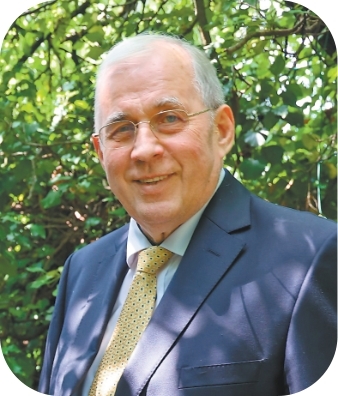
Core Viewpoint - The legacy of John Rabe, a German national who played a crucial role in protecting Chinese civilians during the Nanjing Massacre, is being actively preserved and promoted by his grandson, Thomas Rabe, who emphasizes the importance of humanitarianism and Sino-German friendship [2][3][5]. Group 1: Historical Context - John Rabe was a key figure in establishing the Nanjing Safety Zone during the Japanese invasion in 1937, providing refuge for over 200,000 Chinese civilians [2]. - His diary, "The Rabe Diary," is considered one of the most important historical records of the Nanjing Massacre, highlighting his commitment to protecting those in danger [2]. Group 2: Legacy and Preservation Efforts - Thomas Rabe is dedicated to preserving and promoting his grandfather's legacy, having donated the manuscript of "The Rabe Diary" to the Central Archives of China [3]. - He has established six John Rabe Exchange Centers globally to promote humanitarian values and foster peace and friendship among younger generations [3]. Group 3: Contributions to Healthcare - Thomas Rabe, a professor and experienced obstetrician, expresses admiration for China's advancements in healthcare infrastructure, medical technology, and public health systems [4]. - He is committed to enhancing Sino-German cooperation in the medical field [4]. Group 4: Recognition and Awards - Thomas Rabe has received several honors, including the "China People's Anti-Japanese War Victory 70th Anniversary" medal and the Friendship Award from the Chinese government, recognizing the Rabe family's contributions to Sino-German friendship [5].
“中国在世界反法西斯战争中发挥了重要作用”(伟大胜利·历史贡献)
Ren Min Ri Bao· 2025-08-26 22:22
Core Viewpoint - The article highlights the legacy of John Rabe, a German who played a significant role in protecting Chinese civilians during the Nanjing Massacre, and how his grandson, Thomas Rabe, is dedicated to preserving and promoting this history and humanitarian spirit [2][3][5]. Group 1: Historical Context - John Rabe was a key figure in establishing the Nanjing Safety Zone during the Japanese invasion in 1937, providing refuge for over 200,000 Chinese people [2]. - Rabe's diary serves as one of the most important and detailed historical records of the Nanjing Massacre, which has been recognized by Chinese leaders for its humanitarian significance [2]. Group 2: Family Legacy and Contributions - Thomas Rabe is actively involved in preserving his grandfather's legacy by organizing historical documents and promoting Rabe's humanitarian spirit through various initiatives, including the establishment of six John Rabe exchange centers globally [3]. - He has donated the manuscript of "Rabe's Diary" to the Central Archives of China and is working on a book titled "Rabe and China," which recounts Rabe's experiences in China over 30 years [3]. Group 3: Medical Contributions and Cooperation - Thomas Rabe, a professor and experienced obstetrician, expresses admiration for China's advancements in healthcare infrastructure, medical technology, and public health systems, emphasizing the importance of international cooperation in global health [4]. Group 4: Recognition and Awards - Thomas Rabe has received several honors, including the "China People's Anti-Japanese War Victory 70th Anniversary" medal and the "Friendship Award" from the Chinese government, reflecting the deep appreciation for his family's contributions to Sino-German friendship [5].