
军事冲突风险

Search documents
伊朗军方发出警告
中国能源报· 2026-03-22 04:22
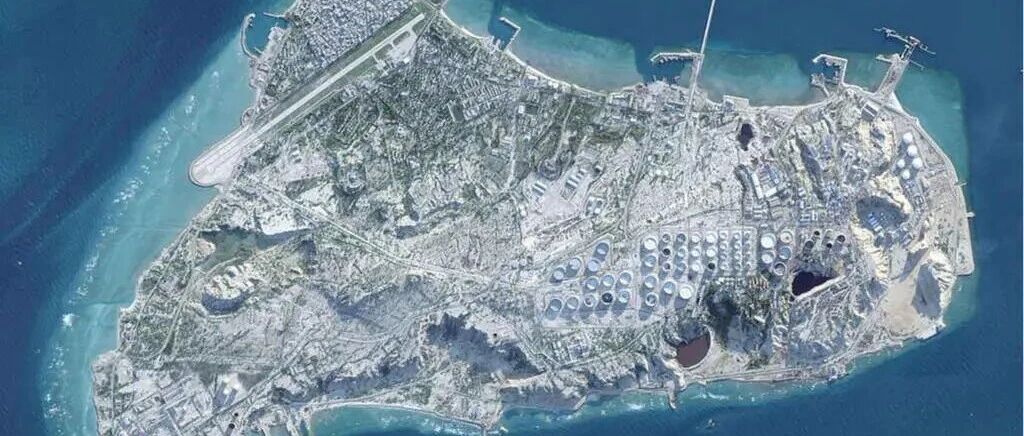
Core Viewpoint - Iranian military sources have warned that any U.S. military aggression against Hark Island will face unprecedented retaliation, indicating a significant escalation in regional tensions [3]. Group 1: Strategic Importance of Hark Island - Hark Island is a strategic location for Iran, housing the port responsible for a majority of Iran's oil exports [3]. - The U.S. government, under the Trump administration, has considered options to occupy or blockade Hark Island to pressure Iran into reopening the Strait of Hormuz [3]. Group 2: Potential Regional Implications - The Iranian military has suggested that creating instability in areas such as the Strait of Mandeb and the Red Sea is one of the options available to the resistance front, which could complicate the situation for the U.S. [3]. - The military response from Iran is expected to be more complex than the current situation, indicating a potential for broader conflict in the region [3].

谈判进入“决定性回合”,美舰机仍向中东集结,世界紧盯美伊“摊牌”时刻
Huan Qiu Shi Bao· 2026-02-26 22:59
Group 1 - The core point of the article revolves around the third round of indirect negotiations between Iran and the United States, which is seen as a decisive moment that could determine the future of U.S.-Iran relations, whether it leads to peace or conflict [1][6]. - Iran's Foreign Minister Zarif emphasized that the success of the negotiations depends on the seriousness of the U.S. and its ability to avoid contradictory actions [1]. - The U.S. continues to exert pressure on Iran through sanctions and military deployments, including the addition of F-22 fighter jets to Israel [1][7]. Group 2 - Iran's proposed agreement includes maintaining a symbolic uranium enrichment capability, with plans to suspend nuclear activities for 3 to 5 years and keep enrichment levels at a low 1.5% for medical research [4]. - The proposal also involves gradually diluting its stock of 400 kilograms of high-enriched uranium and allowing international oversight of the process [4]. - Iran is open to discussing a multilateral verification mechanism for its nuclear program, although it is unlikely to accept a zero enrichment requirement [4]. Group 3 - Iranian President Raisi expressed optimism about the negotiations, stating that there is no intention to develop nuclear weapons, and sees the talks as a historic opportunity [5]. - Iran is considering offering business opportunities to U.S. companies, including investments in oil, gas, and mining sectors, to persuade the U.S. to reach a nuclear agreement [5]. - The negotiations are viewed as a critical test of U.S. sincerity and willingness to engage in a mutually beneficial agreement [6]. Group 4 - The U.S. continues to impose sanctions on Iran, targeting over 30 entities and individuals involved in what it describes as illegal oil sales and missile production [5]. - The upcoming negotiations are expected to focus on nuclear issues while Iran aims to push for the lifting of economic sanctions [5]. - The international community is closely monitoring the situation, with many countries advising their citizens to leave Iran amid rising tensions [7].
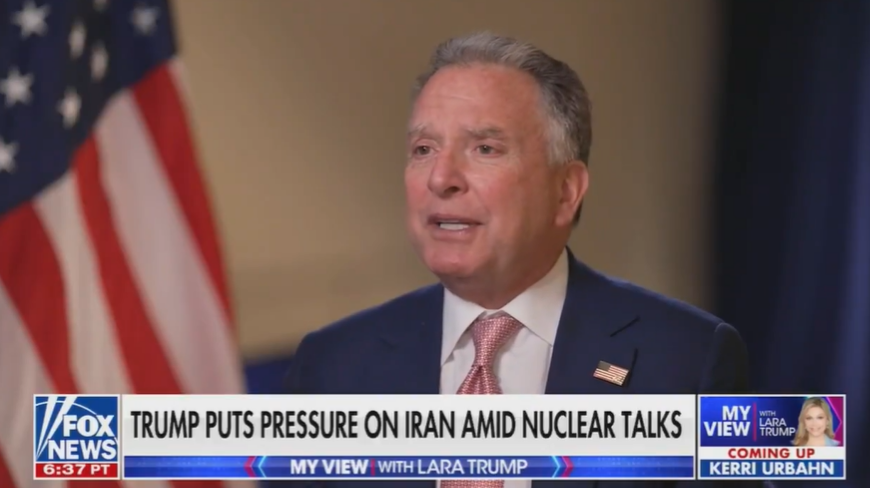
美国总统特使:特朗普感到“好奇”,“伊朗为何还没有屈服”
Huan Qiu Wang· 2026-02-22 11:07
Core Viewpoint - The negotiations between the United States and Iran are at a standstill, with increasing military tensions and risks of conflict as the U.S. continues to apply pressure on Iran [1][3]. Group 1: U.S. Position - U.S. President Trump's special envoy, Wietekow, expressed curiosity about why Iran has not yielded under U.S. pressure, despite significant military presence in the region [3]. - Trump indicated that a meaningful agreement must be reached with Iran within the next 10 to 15 days, warning of negative consequences if this does not happen [4]. Group 2: Iran's Response - Iran's Islamic Revolutionary Guard Corps conducted military exercises in the Strait of Hormuz, showcasing new missile capabilities and drone operations [4]. - Iran's naval forces held joint exercises with the Russian Navy, emphasizing their military readiness and strategic partnerships [4]. - Iran's representative to the United Nations stated that the country does not seek conflict but will respond to military aggression, targeting all hostile bases and assets in the region [4].
俄罗斯警告美国:后果严重
Xin Lang Cai Jing· 2026-02-19 04:31
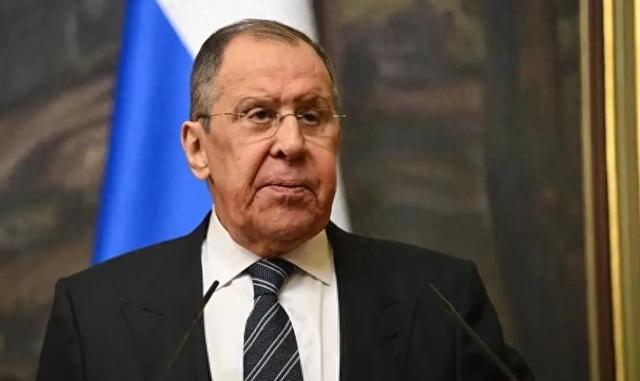
Group 1 - Russian Foreign Minister Lavrov warned that any new military strike by the US on Iran would have serious consequences, urging all parties to exercise restraint and seek solutions for Iran's peaceful nuclear program [1] - Lavrov indicated that previous US military strikes on three Iranian nuclear facilities posed risks of nuclear accidents, and criticized the International Atomic Energy Agency for not taking a clear stance, which undermined its authority [1] Group 2 - Reports indicate that the US military is prepared to launch a military strike on Iran as early as the upcoming weekend, although President Trump has not made a final decision [3] - Following a significant troop buildup in the Middle East, the US has deployed an aircraft carrier strike group and is in the process of deploying a second one, along with over ten other types of warships, hundreds of fighter jets, and multiple air defense systems [3] - If the US conducts military action against Iran, it could lead to a large-scale operation lasting several weeks, potentially involving joint actions with Israel, which would pose a greater existential threat to Iran and have far-reaching impacts on the region [3]
伊朗高级将领:若遭美国攻击,以色列将成首要报复目标
Xin Lang Cai Jing· 2026-02-04 13:21
Core Viewpoint - An Iranian senior military leader has stated that if the U.S. launches a military strike against Iran, Israel will be the primary target for retaliation, emphasizing Iran's preparedness to respond to any aggression despite not seeking war [1][3]. Group 1 - The Iranian military leader, Sardar Daghighi, publicly declared the potential for Israel to be targeted in the event of a U.S. attack on Iran [1]. - Daghighi highlighted that Iran is ready to confront any form of aggression, indicating a strong military stance [1].
尾盘,突然拉升!伊朗,突发威胁!
Xin Lang Cai Jing· 2026-02-04 09:13
Group 1: Core Insights - The situation in the Middle East remains volatile, with Iran's military actions against U.S. vessels indicating heightened tensions despite ongoing negotiations [1][4][5] - Iran's military has conducted aggressive actions, including attempts to board a U.S. flagged commercial ship and the downing of an Iranian drone near the USS Lincoln, suggesting internal divisions regarding negotiations [4][5][6] - The market has reacted to these developments, with significant increases in commodity prices, including silver rising over 4% and oil prices also experiencing upward movement [1][6] Group 2: Negotiation Developments - The U.S. government has agreed to hold negotiations with Iran in Oman, responding to Iran's request to change the location from Turkey [2] - Iranian officials have indicated a willingness to lower uranium enrichment levels but refuse to transfer enriched uranium abroad, emphasizing the peaceful nature of their nuclear program [2] - The U.S. remains committed to diplomatic solutions while retaining military options, indicating a complex balance between negotiation and potential conflict [3][6]
重兵压境却暂不动手!美军中东立体布防,什么信号?
Xin Lang Cai Jing· 2026-02-02 09:52
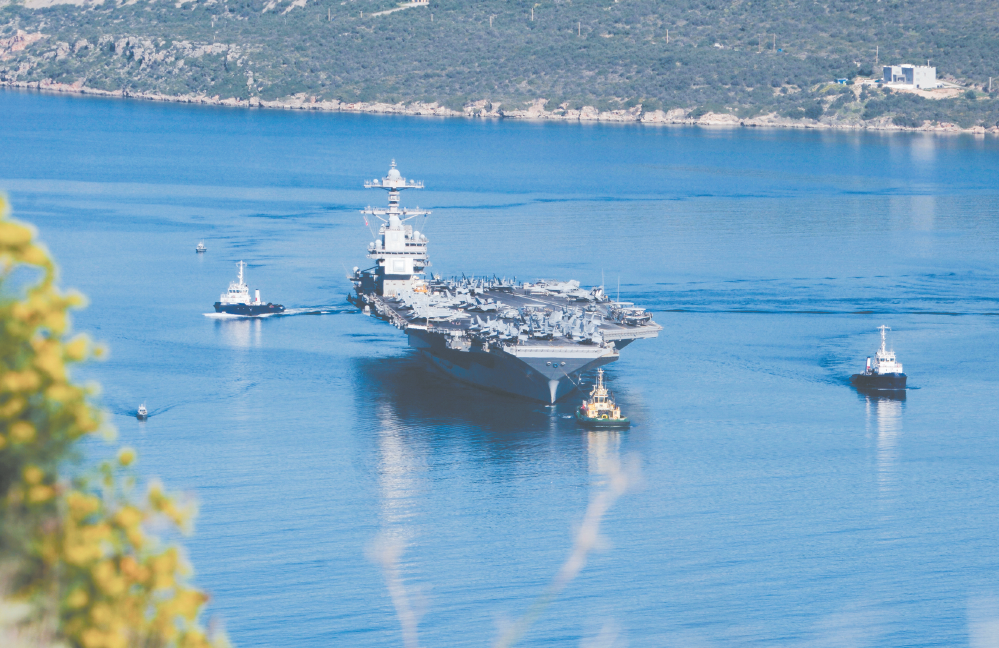
Core Viewpoint - The article discusses the deployment of U.S. military forces in the Middle East, particularly in response to tensions with Iran, highlighting the strategic importance of missile defense systems and the potential for conflict escalation. Group 1: Military Deployment and Strategy - The U.S. Navy's "Abraham Lincoln" carrier strike group has arrived in the Middle East, with advanced F-35 fighter jets also deployed to the region [1][10] - U.S. officials indicate that while military action against Iran is not imminent, the Pentagon is enhancing air defense systems to protect Israel and U.S. forces in the event of prolonged conflict [1][10] - The Pentagon is deploying additional THAAD and Patriot missile defense systems to military bases in Jordan, Kuwait, Bahrain, Saudi Arabia, and Qatar [1][10] Group 2: Defense Systems and Capabilities - The THAAD system is designed to intercept ballistic missiles outside the atmosphere, while the Patriot system is focused on low-altitude threats [2][11] - The deployment of THAAD is a strong signal of U.S. preparations for potential conflict, as the military has limited operational THAAD systems available [7][16] - The U.S. military has already deployed eight destroyers capable of intercepting Iranian missiles and drones in the region [7][15] Group 3: Potential Conflict and Regional Reactions - Analysts warn that if the U.S. conducts large-scale air operations against Iran, it could provoke significant retaliation, including missile strikes on U.S. and Israeli military positions [5][14] - Gulf states, including Saudi Arabia and the UAE, have expressed concerns about being used as bases for U.S. strikes against Iran, indicating a desire to avoid Iranian retaliation [15] - Iran is reportedly preparing for potential U.S. air operations, learning from past engagements to adjust its tactics [6][15] Group 4: Production and Supply Chain Issues - The Pentagon has signed agreements to increase the production capacity of THAAD interceptors from 96 to 400 annually, reflecting the urgent need for missile defense capabilities [8][17] - The rapid consumption of missile interceptors during recent conflicts has raised concerns about the sustainability of U.S. defense resources in the region [8][17] - Analysts highlight the limited resources available to the U.S. military, particularly in the air defense sector, which is critical for operational success [9][17]
美国和伊朗,谈不谈得拢?
Xin Lang Cai Jing· 2026-02-01 14:37
Core Viewpoint - The article discusses the ongoing negotiations between the United States and Iran, highlighting both parties' willingness to engage in dialogue, but also indicating that the U.S. demands are perceived as too high, leaving the outcome of negotiations uncertain and the threat of war still looming [1][12]. Group 1: Negotiation Signals - On January 31, U.S. President Trump stated that Iran is "negotiating" with the U.S. and that the U.S. aims to reach a "satisfactory" agreement to ensure Iran does not develop nuclear weapons [2][12]. - Iranian President Pezeshkian emphasized that resolving differences through diplomacy is Iran's priority, asserting that war does not serve the interests of Iran, the U.S., or the region [4][14]. - Regional countries, including Qatar and Egypt, are actively promoting diplomatic solutions to the U.S.-Iran tensions, indicating a broader interest in stabilizing the situation [4][14]. Group 2: Willingness to Negotiate - Experts believe that both the U.S. and Iran have a willingness to negotiate, although the U.S. is cautious about military action due to the potential for significant regional instability and economic repercussions [5][15]. - The U.S. military presence in the region is seen as a pressure tactic to encourage negotiations, rather than a prelude to war [8][18]. Group 3: Challenges in Negotiation - Significant differences exist between the U.S. and Iran regarding nuclear capabilities, with the U.S. demanding that Iran refrain from developing nuclear weapons, enriching uranium, and possessing enriched uranium [10][18]. - Iran maintains its right to peaceful nuclear energy and refuses to negotiate its missile and defense capabilities, which it considers non-negotiable [10][20]. Group 4: Ongoing Tensions - Despite signs of potential negotiations, the risk of military conflict remains high, with experts warning that the U.S. may resort to limited military action if negotiations fail [10][20]. - Trump's statement about a "large fleet" heading towards Iran and Iran's planned military exercises in the Strait of Hormuz further escalate tensions [10][20]. - Both nations are engaged in a strategic game of time, with the U.S. using military displays to intimidate Iran, while Iran seeks to enhance its military deterrence capabilities [21].
美军:不会容忍伊朗在军演中的“不安全行为”
Xin Hua She· 2026-01-31 06:34
Core Viewpoint - The U.S. Central Command warns against Iran's "unsafe behavior" in the Strait of Hormuz, emphasizing the need for safe and professional military exercises to avoid unnecessary risks [1] Group 1: U.S. Military Response - The U.S. Central Command issued a statement indicating it will not tolerate unsafe actions by Iran, such as flying over U.S. warships or close encounters between Iranian fast boats and U.S. vessels [1] - The statement expresses hope that Iran will conduct its exercises in a safe and professional manner to prevent escalation and instability in the region [1] Group 2: Iranian Military Activities - Iranian Revolutionary Guard Navy announced a two-day live-fire exercise in the Strait of Hormuz scheduled for February 1-2 [1] - Reports from Iranian news outlets confirm the planned military drills, highlighting the ongoing military tensions in the region [1]
伊朗外长:伊朗武装力量“随时准备扣动扳机”,回应任何侵犯行为
Zhong Guo Xin Wen Wang· 2026-01-29 05:14
Core Viewpoint - Iran's Foreign Minister Zarif stated that the Iranian armed forces are "ready to pull the trigger" in response to any acts of aggression against Iran [1] Group 1: Military Readiness - Zarif emphasized that Iran's military is on high alert and prepared to respond forcefully to any aggression against its land, air, and sea [1] - The experience gained from the "12th War" has made Iran stronger, quicker, and more thorough in its responses [1] Group 2: Nuclear Agreement Stance - Iran welcomes a mutually beneficial and fair nuclear agreement based on equality, free from coercion, threats, and intimidation, ensuring its right to peaceful nuclear technology without seeking nuclear weapons [1] Group 3: Response to U.S. Military Threats - Iran's defense advisor, Ali Shamkhani, warned that any military action from the U.S. would lead to immediate and unprecedented responses targeting aggressors and their supporters [1] - Recent U.S. threats of military intervention have been highlighted, with President Trump mentioning a large fleet heading towards Iran to prompt negotiations [1]