
千万工程

Search documents
淳安县深化“水”和“山”的价值转化 靶向发力缩小“三大差距”
Hang Zhou Ri Bao· 2026-02-28 02:05
刚刚过去的一年,淳安在守护绿水青山中破题发展,在凝聚县域动能中造福百姓,交出了生态向 好、发展向上、融合向深、民生向优的高分答卷,主要经济指标好于上年、高于半年、快于省市。 "我们要浓厚'争春、搏夏、赛秋、战冬'四季工作氛围,强化'快决策、快部署、快执行、快落实'的 干事节奏,完善全过程闭环落实的推进机制,以事不过夜、马上就办的务实作风,把定下来的事情抓 紧、抓好、抓出成效。"2月25日,淳安召开"新春第一会",对全县持续推进"六大行动"、努力缩小"三 大差距"工作进行部署,县委书记杨泽伟在会上反复强调要牢固树立和践行正确政绩观,并将其落实 到"千万工程"牵引城乡融合发展、缩小"三大差距"的每一个具体环节中,以能力的跃升和作风的提振, 驱动发展提能、工作提速。 今年是"十五五"开局之年,也是淳安乘势而上的关键之年。淳安将把保护好千岛湖作为最重要的政 绩,抓实抓细各项防治工作,推动生态环境在高分基础上再向优,持续深化"水"和"山"的价值转化, 让"一湖秀水、满目青山"加快转化为实实在在的经济红利。 城乡融合是淳安发展的核心路径。淳安今年将通过统筹推进县城和中心镇建设、片区组团建设与青 年入乡发展、设施布局和人口 ...
协同推进城乡建设
Xin Lang Cai Jing· 2026-02-23 20:40
Group 1 - The city of Xining aims to build an innovative, livable, beautiful, resilient, civilized, and smart city by 2025, with a focus on high-quality urban development [1] - The urban sewage treatment rate is projected to increase from 95% in 2024 to 96% in 2025, while the proportion of green buildings in new constructions is expected to rise from 98% in 2024 to 100% [1] - The city has secured a central government subsidy of 1.2 billion yuan for urban renewal and aims to complete 34 underground pipeline renovation projects with a total of 1.257 billion yuan in national bond funding [1] Group 2 - Xining is integrating housing condition improvements with geological disaster relocation projects, completing 40 model villages and improving living conditions for 7,000 rural households [2] - In the heating sector, 40 annual tasks have been completed, including the renovation of 220.4 kilometers of heating pipelines and 145 heat exchange stations [2] - A digital platform for four heating enterprises has been established, enhancing the visibility and control of heating operations, thereby strengthening supply reliability for the upcoming winter [2]
山西省农村水利水电工作会议召开
Xin Lang Cai Jing· 2026-02-19 02:30
在农村供水方面,大力推行农村供水"3+1"建管模式,实施维修养护农村供水工程1900处、受益200万人 以上,接续推进48个县、50个城乡供水一体化等项目建设,全面推行农村供水县域统管和专业化管护, 加强水质监测检测,推动农村供水工程净化消毒设施设备应配尽配并规范运行,抓好农村饮水常态化帮 扶,提升保障规模化工程无法覆盖人口特别是分散供水人口饮水保障水平,守牢农村饮水安全底线。在 提升大中型灌区建设管理水平方面,要统筹推进禹门口、风陵渡等16处大中型灌区现代化改造,巩固深 化农业水价综合改革成果,因地制宜推进灌区数智化改造和标准化建设。在推动小水电绿色转型方面, 要严格小水电生态流量泄放,实施1处集控中心试点建设及24个小水电站绿色改造提升项目,推动小水 电绿色改造提升。(记者高桦) 2月11日,省水利厅召开2026年全省农村水利水电工作会议,贯彻落实水利部农村水利水电工作视频会 议及全省水利工作会议精神,部署2026年重点任务。 "十四五"时期,我省新增恢复灌溉面积180万亩,总灌溉面积达到2356万亩;农村规模化供水工程覆盖 人口比例达到57.9%,自来水普及率达到98.6%;农田灌溉水有效利用系数达到0 ...
(新春走基层)粤北始兴新春巡游串起老民俗与新生活
Xin Lang Cai Jing· 2026-02-18 09:02
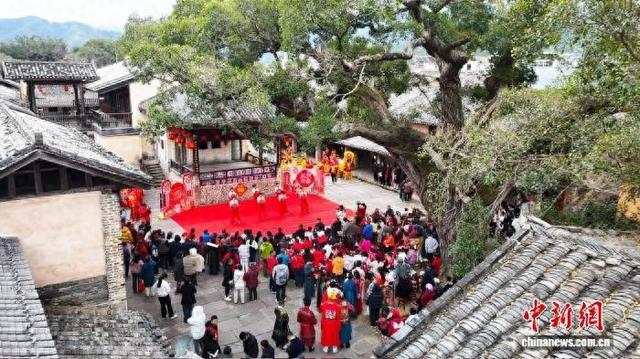
中新网韶关2月18日电 题:粤北始兴新春巡游串起老民俗与新生活 作者 王坚 钟清城 粤北韶关始兴县在17日大年初一,举行了一场以"一马当先向未来"为主题的新春巡游暨"百千万笑脸"贺 新春文艺表演活动,串联老民俗与新生活,让当地群众和游客度过喜气腾腾的新春佳节。 场。钟清城 摄 巡游的终点,是仅隔一条清化河的周所未来社区。2024年,始兴县学用浙江"千万工程"经验,以"百千 万工程"为统领,以全域土地综合整治为抓手,通过"先安置、后搬迁、再复垦"的创新模式,破解土地 碎片化、利用低效化等难题,规划建设农村未来社区。如今,一期首批331户村民已全部完成搬迁,并 在新房里迎来首个春节,既热闹,又意义非凡。 在巡游队伍到来之前,周所未来社区的乡亲们就已自发组织起来,热热闹闹办起了自己的文艺表演,大 家凑在一起,用唱歌、跳舞的方式,庆祝在新的一年里生活幸福美满。 "我们都是村里的普通群众,没有专业表演的功底,趁着新春佳节,大家自发组织表演,既是为了庆祝 乔迁新居,也是想通过这种方式,为乡亲们增添新春喜乐,共庆这个特殊而有意义的新年。"周所村村 活动现 本次新春巡游的起点——周前古村,这里作为第五批中国传统村落,核心区的 ...

新春走基层|中埂村变身记
Xin Lang Cai Jing· 2026-02-16 05:41
春节前夕,在四川成都市打工的李小容,要回宜宾市兴文县石海镇老家。记者闻讯跟着她再次前往石海 镇。12年前,记者到中埂村采访时去过她家。 "前些年中埂村和周边4个村合并,现在叫石海村了。"途中,李小容告诉记者。 12年过去,记者再次来到这里,切实感受到了变化。 基础设施改善了—— 第一次来采访时,中埂隧道还是毛坯,如今焕然一新:顶部用砖砌出圆弧顶拱,墙壁进行了粉刷,两头 装了太阳能灯。 从成都坐高铁2个小时到县城,再从县城转乘汽车,一直开到家门口,只要40分钟。从中埂隧道去李小 容家,硌脚的石子路换成了平坦的水泥路。"搁以前,回家的路要走一天。"李小容说。 人居环境变好了—— 家里的旱厕改成了冲水厕所,建了沼气池,做饭也用上了沼气。"现在不光自家讲究卫生,村子的路上 都看不到牛粪了。"杨文莲说。 石海村学习运用"千万工程"经验,因地制宜改善人居环境,门前院后栽花植绿成了标配。 乡亲们发展产业的愿望更强烈了—— 前不久,石海镇在石海村村委会召集中埂片区村民小组长、种植养殖大户、脱贫户,问需求、谋发展。 作为外出务工人员代表,李小容在受邀之列。 "背靠兴文石海和石菊古地两个国家4A级景区,怎么更好吃上旅游饭?"新当 ...
中埂村变身记(新春走基层·建设宜居宜业和美乡村)
Ren Min Ri Bao· 2026-02-15 23:13
春节前夕,在四川成都市打工的李小容,要回宜宾市兴文县石海镇老家。记者闻讯跟着她再次前往石海 镇。12年前,记者到中埂村采访时去过她家。 "前些年中埂村和周边4个村合并,现在叫石海村了。"途中,李小容告诉记者。 12年过去,记者再次来到这里,切实感受到了变化。 基础设施改善了—— 第一次来采访时,中埂隧道还是毛坯,如今焕然一新:顶部用砖砌出圆弧顶拱,墙壁进行了粉刷,两头 装了太阳能灯。 从成都坐高铁2个小时到县城,再从县城转乘汽车,一直开到家门口,只要40分钟。从中埂隧道去李小 容家,硌脚的石子路换成了平坦的水泥路。"搁以前,回家的路要走一天。"李小容说。 石海村学习运用"千万工程"经验,因地制宜改善人居环境,门前院后栽花植绿成了标配。 乡亲们发展产业的愿望更强烈了—— 前不久,石海镇在石海村村委会召集中埂片区村民小组长、种植养殖大户、脱贫户,问需求、谋发展。 作为外出务工人员代表,李小容在受邀之列。 "背靠兴文石海和石菊古地两个国家4A级景区,怎么更好吃上旅游饭?"新当选村委会委员的苗族姑娘 杨菲说出了大家的期盼。 人居环境变好了—— 母亲杨文莲早早等在家门口,见到李小容拎着行李进门,笑开了花。 家里的旱厕改 ...
赵刚主持召开省政府第四次常务会议
Shan Xi Ri Bao· 2026-02-13 00:42
Group 1 - The provincial government is focusing on implementing the "Three Rural" work to promote comprehensive rural revitalization, guided by Xi Jinping's important instructions [1][2] - The meeting discussed and agreed on the implementation opinions for agricultural modernization and rural revitalization, emphasizing the importance of food security and agricultural productivity [2] - Key tasks include consolidating poverty alleviation achievements, enhancing rural public services, and promoting the development of county-level industries [2] Group 2 - The meeting highlighted the need to adhere to ecological civilization principles and enhance environmental protection responsibilities, aiming for improved ecological quality in the province [3] - Specific focus areas include pollution prevention, ecological safety in key regions, and the development of a high-level ecological protection plan [3]
铺就乡村振兴新图景
Xin Lang Cai Jing· 2026-02-10 22:10
如何扎实推进乡村全面振兴?学习运用"千万工程"经验,推动"千万工程"经验落地开花。2024年中央一 号文件的主题为"学习运用'千村示范、万村整治'工程经验,有力有效推进乡村全面振兴",党的二十届 三中全会强调"运用'千万工程'经验,健全推动乡村全面振兴长效机制"。这不仅是解决"三农"问题的总 抓手,更是让农村基本具备现代生活条件、牵引城乡融合发展的硬招。未来一段时期,就是要紧密结合 实际、围绕农民所需所盼,探索新路径、实践新打法,不断取得更多实实在在的成果。 □ 小 丁 中国式现代化离不开农业农村现代化,农业农村现代化关系中国式现代化全局和成色,是推进中国式现 代化的"底座"。"十五五"规划建议锚定农业农村现代化总目标,扎实推进乡村全面振兴,推动城乡融合 发展,是深刻把握我国现代化建设规律作出的重大判断,是新时代新征程农业农村发展形势和战略地位 的深刻认识。 没有农业农村现代化,就没有中国式现代化。分类振兴+"千万工程"经验,正在为城乡共富画出看得见 的新图景。"十五五"规划建议提出:"分类有序、片区化推进乡村振兴。"市委十二届十次全会明确,以 都市圈建设和新型城镇化带动乡村全面振兴,让发展成果城乡共享。 中 ...
锚定农业农村现代化扎实推进乡村全面振兴 为走好高质量发展新路提供坚实基础支撑
Xin Lang Cai Jing· 2026-02-09 22:25
转自:贵州日报 本报讯(记者 曾书慧)2月9日,省委农村工作会议在贵阳召开。省委书记徐麟出席并讲话。他强调, 要深入学习贯彻习近平总书记关于"三农"工作的重要论述和考察贵州重要讲话精神,全面贯彻落实党的 二十届四中全会和中央农村工作会议部署,锚定农业农村现代化,坚持兴业强县富民一体发展,学习运 用"千万工程"经验,以"四在农家·和美乡村"为载体,扎实推进乡村全面振兴,为走好高质量发展新路 提供坚实基础支撑。 徐麟强调,要健全常态化帮扶政策体系,提高监测帮扶精准性,强化易地搬迁后续扶持,突出开发式帮 扶,确保脱贫兜底固若金汤。要因地制宜发展现代山地特色高效农业,聚焦品种品质品牌推进"强一接 二连三",严守耕地红线和粮食安全底线,抓牢重要农产品生产保供,强化资金、科技等保障,在特色 优势产业发展上加快突破。要提高强农惠农富农政策效能,突出以城带乡、以工促农,千方百计促进农 民稳定增收。要深化移风易俗,持续办好"村字号"群众性文体活动,培育文明乡风促进乡村善治。要实 事求是统筹优化乡村规划建设,持续改善农村人居环境,高质高效打造美丽乡村。要坚持和加强党的全 面领导,强化责任落实,提升能力本领,加强部门协同联动和资源 ...
中国蓝观察丨中央一号文件中的浙江元素
Xin Lang Cai Jing· 2026-02-04 12:21
Core Viewpoint - The 2026 Central Document emphasizes the importance of agricultural modernization and rural revitalization, highlighting the "Ten Thousand Projects" as a guiding experience for national strategy [1][4][30]. Group 1: Ten Thousand Projects - The "Ten Thousand Projects" has been included in the Central Document for three consecutive years, reflecting the Party's strong commitment to rural revitalization [4][29]. - The essence of the "Ten Thousand Projects" lies in localized, gradual, and systematic governance, which has been reiterated in the 2026 document [5][30]. - Originating in Zhejiang, the "Ten Thousand Projects" has evolved from environmental improvement to comprehensive rural revitalization over the past 20 years [7][32]. Group 2: County-Level Industries - The 2026 Central Document calls for the cultivation and expansion of county-level industries to enhance rural prosperity, aligning with Zhejiang's "local specialty wealth" model [11][36]. - It emphasizes the integration of technology, green agriculture, quality agriculture, and brand agriculture to promote deep integration of rural industries [11][36]. Group 3: Agricultural Entrepreneurs - The term "agricultural entrepreneurs" appears for the first time in the 2026 document, highlighting the need to cultivate local industry leaders and governance talents [16][41]. - Since 2015, Zhejiang has focused on nurturing a young, professional, and knowledgeable workforce of agricultural entrepreneurs, with over 108,000 trained by 2025 [18][43]. - The next steps include deepening the training of agricultural entrepreneurs to facilitate resource flow and contribute to common prosperity [20][45]. Group 4: Fengqiao Experience - The "Fengqiao Experience," a grassroots governance model originating in Zhejiang, has been incorporated into the Central Document, signifying its elevation to national policy [21][46]. - This model emphasizes resolving conflicts locally and has become a significant experience in China's grassroots governance [22][49]. - The inclusion of the "Fengqiao Experience" in the 2026 document reflects its ongoing relevance and integration into the broader goals of a "Safe China" and "Rule of Law China" [25][50]. Group 5: Overall Implications - The Central Document serves as a comprehensive policy guide, reflecting the evolution of rural revitalization strategies from local initiatives to national policies [27][52]. - The experiences from Zhejiang are expected to provide valuable insights and sustained momentum for China's agricultural modernization efforts [27][52].
