
地下水超采综合治理

Search documents
首次全国泉水调查监测工作完成 463处泉水、坎儿井、地下暗河列入调查名录
Ren Min Ri Bao· 2026-02-10 06:40
Core Viewpoint - The Ministry of Water Resources of China is set to complete the first national spring water survey and monitoring work by 2025, aiming to fill the gap in the evaluation system for spring water resources [1] Group 1: National Spring Water Survey - The survey will include a comprehensive report on spring water, with a focus on monitoring various indicators such as flow rate, water temperature, pH value, turbidity, color, and conductivity [1] - A total of 463 sites, including springs, Karez wells, and underground rivers, have been selected for the survey [1] Group 2: Environmental Impact and Management - The initiative is part of a broader effort to improve the ecological environment of rivers and lakes, with noticeable results from groundwater over-extraction management [1] - The Ministry plans to establish a robust monitoring and evaluation system for springs, enhancing the sustainability of spring water protection and management [1]
多维度“数”说新成效 夯实水安全保障基础 永续惠泽子孙后代
Yang Shi Wang· 2026-01-10 06:49
Core Viewpoint - The Chinese government is making significant progress in the construction of the national water network, with a focus on major water conservancy projects and improving water supply security for rural populations [2][3][11]. Group 1: Major Water Projects - In 2025, China plans to commence 27 major water conservancy projects to accelerate the construction of the national water network [3]. - During the "14th Five-Year Plan" period, 181 major water conservancy projects, including strategic projects like the Yellow River's ancient Xian, will begin construction, which is an increase of 65 projects compared to the "13th Five-Year Plan" [5]. - A total of 94 major water conservancy projects have been completed and are now operational [5]. Group 2: Investment and Coverage - Water conservancy construction investment reached 5.68 trillion yuan during the "14th Five-Year Plan," with over 1 trillion yuan invested annually for four consecutive years since 2022 [11]. - The national water network now covers 80.3% of the country's land area, providing robust water security for major national strategies, economic zones, urban clusters, energy bases, and key ecological areas [11]. Group 3: Happiness Rivers and Lakes Initiative - By 2025, over 1,700 "Happiness Rivers and Lakes" will be established nationwide, enhancing ecological conditions and community satisfaction [14][19]. - The initiative aims to integrate river and lake construction with industrial development and environmental improvement, creating pathways for realizing the ecological value of water bodies [19]. Group 4: Ecological Restoration and Management - Since 2022, the Ministry of Water Resources has launched actions to revive 88 major rivers and lakes, addressing issues like river channel disconnection and lake shrinkage [22]. - A management platform for ecological flow has been established, monitoring 158 key rivers and lakes and ensuring basic ecological water needs are met [26]. - Significant progress has been made in the comprehensive management of groundwater over-extraction, with water levels in the North China region rising by 3.76 meters and 7.65 meters for shallow and deep groundwater, respectively, by the end of 2025 [27].

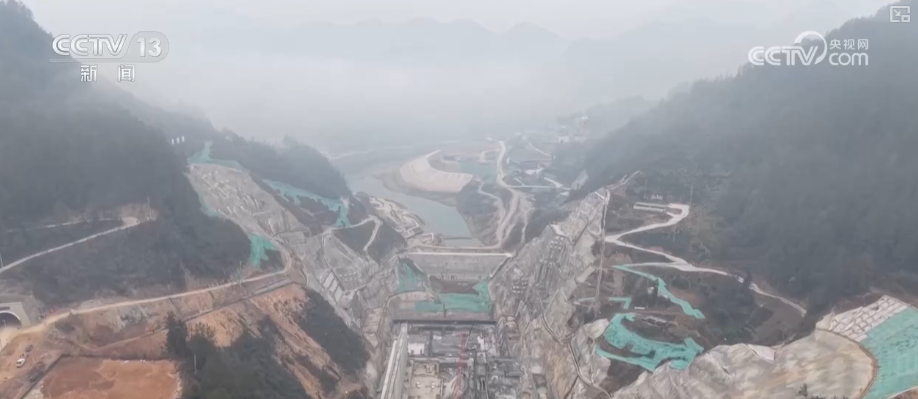
视频丨家门口就有“诗和远方” 幸福河湖绘就人水和谐新图景
Xin Lang Cai Jing· 2026-01-10 06:07
Group 1 - The core idea of the article emphasizes the "Happy Rivers and Lakes" initiative, which aims to enhance public safety, satisfaction, and well-being through ecological improvements and harmonious human-water interactions [1][2] - By 2025, over 1,700 "Happy Rivers and Lakes" will be established nationwide, contributing to the restoration of river vitality and the rejuvenation of watersheds [2] - The Ministry of Water Resources has collaborated with the Ministry of Finance to support 122 local projects, promoting the development of unique "Happy Rivers and Lakes" across different regions [2] Group 2 - Since 2022, the Ministry of Water Resources has initiated actions to address river and lake issues, resulting in the successful restoration of 79 rivers and the effective maintenance of ecological water levels in 9 lakes [4] - A management approach has been introduced to strengthen ecological flow management for rivers and lakes, ensuring the protection of their basic ecological functions [4] - The establishment of an ecological flow management platform allows for real-time monitoring and dynamic regulation of 158 key rivers and lakes, safeguarding essential ecological water needs [4] Group 3 - Significant progress has been made in the comprehensive management of groundwater over-extraction, with notable improvements reported [5] - By the end of 2025, groundwater levels in the North China governance area are expected to rise by 3.76 meters for shallow aquifers and 7.65 meters for deep aquifers compared to 2020 levels [6] - Overall, groundwater levels in other key areas are stabilizing, indicating effective management practices [6]
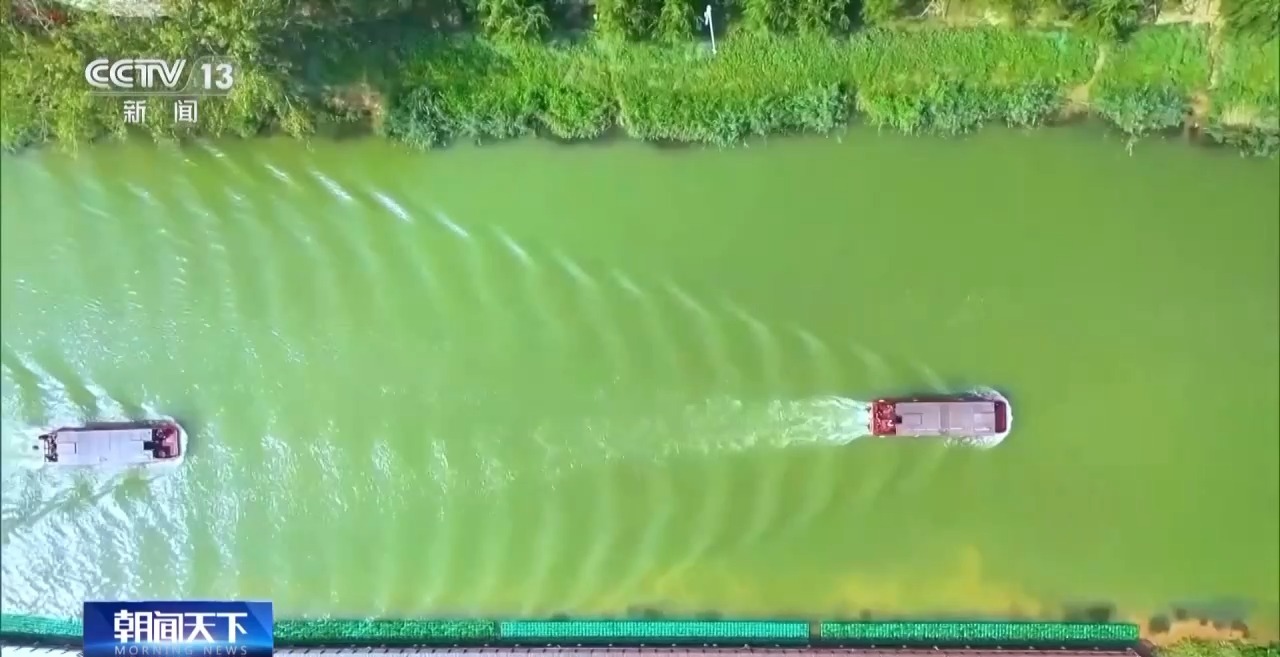
家门口就有“诗和远方” 幸福河湖绘就人水和谐新图景
Yang Shi Xin Wen Ke Hu Duan· 2026-01-10 04:51
Group 1 - The core idea of the news is the promotion of the "Happy Rivers and Lakes" initiative, which aims to enhance public safety, satisfaction, and well-being through ecological improvements and water resource management [1][2] - By 2025, over 1,700 "Happy Rivers and Lakes" will be established nationwide, contributing to the restoration of river vitality and the rejuvenation of watersheds [2] - The Ministry of Water Resources has collaborated with the Ministry of Finance to support 122 local projects, creating unique "Happy Rivers and Lakes" that integrate industrial development and environmental improvement [2] Group 2 - Since 2022, the Ministry of Water Resources has launched recovery actions for 88 major rivers and lakes, addressing issues like river channel disconnection and lake shrinkage [4] - Measures taken include water conservation, optimized resource allocation, ecological restoration, and strict management, resulting in 79 rivers achieving full connectivity and 9 lakes maintaining ecological water levels [4] - A management approach has been introduced to strengthen ecological flow management for rivers and lakes, with real-time monitoring for 158 key rivers and lakes and 268 control sections [5] Group 3 - Significant progress has been made in the comprehensive management of groundwater over-extraction [6] - By the end of 2025, groundwater levels in the North China governance area are expected to rise by 3.76 meters for shallow layers and 7.65 meters for deep layers compared to 2020, while groundwater levels in other key areas remain stable [7]
水利建设连续四年完成投资超一万亿元 国家水网覆盖超八成国土面积(权威发布)
Ren Min Ri Bao· 2026-01-09 22:09
Core Insights - The Chinese government is accelerating the construction of the national water network, with significant investments and projects aimed at improving water management and infrastructure [2][3] Investment and Economic Impact - In 2025, China completed water conservancy construction investments of 1.28 trillion yuan, creating 3.15 million jobs and effectively stabilizing growth and promoting employment [2] - During the "14th Five-Year Plan" period, total water conservancy investment reached 5.68 trillion yuan, with an average annual investment exceeding 1 trillion yuan since 2022 [3] - The national water network now covers 80.3% of the country's land area, providing water security for major strategic implementations and economic zones [3] Infrastructure Development - A total of 181 major water conservancy projects commenced during the "14th Five-Year Plan," an increase of 65 projects compared to the previous five-year period [2] - By 2025, 9.42 million rural water supply projects will be completed, improving water supply security for 134 million rural residents [2] Ecological Restoration - The Ministry of Water Resources has initiated 88 river and lake restoration actions, resulting in significant improvements in the ecological environment [4] - Key rivers and lakes have been restored, with notable achievements including the continuous flow of the Grand Canal and the Yongding River for several years [4] Water Efficiency and Management - The Ministry is promoting high-quality development in water-saving industries, with significant investments in water-saving projects and management [5] - By 2025, the effective utilization coefficient of irrigation water in farmland reached 0.583, with a stable grain production capacity maintained [7] Disaster Prevention and Management - The Ministry has improved flood prevention systems, issuing over 22,100 dispatch orders and storing 120.2 billion cubic meters of floodwater in reservoirs [8] - Plans for 2026 include the initiation of major water conservancy projects to enhance flood safety and water supply capabilities [8]
我省重点区域压减地下水提前“达标”
Liao Ning Ri Bao· 2025-12-29 01:02
Group 1 - The core focus of the news is the significant reduction of groundwater extraction in the province, which is a key aspect of water conservation efforts [1] - From 2019 to 2024, the province has cumulatively reduced industrial and urban groundwater extraction by 364 million cubic meters and added 800,800 acres of water-saving irrigation, achieving the targets set for 2025 ahead of schedule [1] - The province has implemented comprehensive management of groundwater over-extraction, ensuring the effective execution of groundwater reduction initiatives in key areas [1] Group 2 - Agricultural water use is the largest sector, with an annual consumption of approximately 7 billion cubic meters, prompting the province to enhance management of groundwater resources for agriculture [2] - From 2022 to 2025, the province plans to establish 2,639 sample wells for the "electricity to water" initiative, matching 62,000 wells with water-electricity records to improve water-saving efficiency in agricultural production [2] - A collaborative mechanism among provincial, municipal, and county water resources departments is in place to investigate seawater intrusion, with a goal to define and manage groundwater extraction limits across 22 restricted areas covering a total of 5,424 square kilometers [2]
辽宁重点区域压减地下水提前“达标”
Xin Lang Cai Jing· 2025-12-28 22:35
Group 1 - The core focus of the news is the significant reduction of groundwater extraction in the province, achieving early targets set for 2025 in the "14th Five-Year Plan" [1] - From 2019 to 2024, the province has cumulatively reduced industrial and urban groundwater extraction by 364 million cubic meters and increased water-saving irrigation area by 800,800 acres [1] - The province has implemented comprehensive management of groundwater over-extraction, with a central water development fund of 80.15 million yuan supporting key projects [1] Group 2 - Agricultural water use is the largest sector, with an annual consumption of approximately 7 billion cubic meters, prompting the province to enhance management of groundwater resources [2] - From 2022 to 2025, the province plans to establish 2,639 "electricity-to-water" sample wells and match 62,000 wells with water-electricity records to improve agricultural water efficiency [2] - The province is conducting investigations into seawater intrusion, aiming to define 22 groundwater restriction areas covering a total of 5,424 square kilometers by 2030 [2]
京津冀河湖复苏成效显著,永定河连续5年全线水流贯通
Xin Lang Cai Jing· 2025-12-21 14:33
Group 1 - The Ministry of Water Resources has initiated recovery actions for 88 major rivers and lakes across the country since 2022, with significant results observed particularly in the Beijing-Tianjin-Hebei region [1][4] - The Yongding River, which had been dry for 26 years, and the Tuotuo River, dry for 40 years, have achieved continuous water flow for five consecutive years [1][8] - Baiyangdian, known as the "Pearl of North China," has maintained an average ecological water level above 7 meters for seven consecutive years, indicating a continuous improvement in water ecological conditions [1][3] Group 2 - The revival of 102 previously dry springs in the Beijing-Tianjin-Hebei region demonstrates effective groundwater management, with a 50.7 billion cubic meters reduction in groundwater over-extraction since 2015, achieving an 85.8% reduction rate [3][4] - The average groundwater depth in Beijing's plain areas reached 12.83 meters in March, marking the highest level in nearly a decade [3][4] - The implementation of ecological water replenishment for 52 key rivers in North China has resulted in over 6 billion cubic meters of groundwater replenishment since 2023 [4][8] Group 3 - The Grand Canal has achieved continuous water flow for four consecutive years, with a total of 7.88 billion cubic meters of water replenished to the northern section of the canal, exceeding the planned amount by 142% [6][8] - The Yongding River has achieved continuous water flow for two years and has been integrated into a sustainable development model that promotes harmony between humans and nature [8][9] - The number of days with water flow in 52 key rivers in the Haihe River basin has increased from 221 days in 2020 to 283 days in 2024, with the proportion of rivers with water flow rising from 82.7% to 95.7% [8]

水润京津冀 河湖绽笑颜
Xin Lang Cai Jing· 2025-12-21 00:07
Group 1 - The Ministry of Water Resources has initiated recovery actions for 88 major rivers and lakes since 2022, with significant results observed particularly in the Beijing-Tianjin-Hebei region [1][3] - The Yongding River, which had been dry for 26 years, and the Hutuo River, dry for 40 years, have achieved continuous water flow for five years [1] - The ecological water level of Baiyangdian has been maintained above 7 meters for seven consecutive years, indicating improved water ecological conditions [1] Group 2 - A total of 102 previously dry springs have been revived in the Beijing-Tianjin-Hebei region, showcasing effective groundwater conservation efforts [2] - The area of groundwater over-extraction in the Beijing-Tianjin-Hebei plain has decreased by 50.7 billion cubic meters since 2015, representing an 85.8% reduction [2] - The average groundwater depth in the plain area of Beijing reached 12.83 meters in March, the highest level for the same period in the past decade [2] Group 3 - The comprehensive management of groundwater over-extraction in North China has been advanced through measures such as increasing water source replacement and strict control of groundwater usage [3] - As of 2023, 52 key rivers in North China have implemented ecological replenishment, with a total of over 60 billion cubic meters of groundwater replenished [3] Group 4 - The Grand Canal has achieved continuous water flow for four consecutive years, with significant water replenishment efforts initiated in 2023 [4] - The total length of the water replenishment route for the Grand Canal is 1,274 kilometers, involving multiple provinces and cities [4] - By July 1, 2023, the water replenishment task for the Grand Canal was completed successfully, with a total of 7.88 billion cubic meters of water supplied, exceeding the planned amount by 142% [4] Group 5 - The Yongding River has achieved continuous water flow for two consecutive years, with a goal of maintaining this for five years by 2025 [5] - The number of days with water flow in 52 key rivers in the Haihe River basin has increased from 221 days in 2020 to 283 days in 2024 [5] - The proportion of river lengths with water flow in the Haihe River basin has improved from 82.7% to 95.7% over the past five years [5]
全国首次泉水调查监测工作顺利开展
Shui Li Bu Wang Zhan· 2025-12-19 12:29
Core Viewpoint - The Ministry of Water Resources is initiating the first national spring water investigation and monitoring work in 2025 to fill the gap in the evaluation system for spring water resources, aiming to enhance the sustainable protection and management of spring water [1] Group 1: Investigation and Monitoring - In 2025, the Hydrology Department will launch a nationwide investigation and monitoring of spring water, compiling a comprehensive report on the findings [1] - The investigation will include field surveys of 463 selected springs, qanats, and underground rivers, monitoring indicators such as flow rate, water temperature, pH, turbidity, color, and conductivity [1] Group 2: Ecological Impact and Management - Springs are natural outlets of groundwater and serve as indicators of regional water ecosystem health, reflecting improvements in ecological conditions due to effective groundwater management [1] - The Ministry has observed a resurgence of spring water in various regions, indicating successful comprehensive management of groundwater over-extraction [1] Group 3: Future Plans - The Hydrology Department plans to establish a robust investigation and monitoring evaluation system for springs and accelerate the development of a monitoring station network for spring water [1] - The transition to regular monitoring of spring water is a priority in line with the Ministry's requirements [1]