文物普查

Search documents
拱墅区“四普”勾勒城市发展年轮
Hang Zhou Ri Bao· 2026-02-27 02:10
杭州轴承厂是拱墅区"四普"代表性工业遗存。该厂筹建于1957年7月,作为国家机械工业重点企 业,曾以精密轴承供应全国,拥有完整生产流程。鼎盛时期,上千名工人在此挥洒汗水,承载了一代人 的城市记忆。现存3座初建厂房保留20世纪50年代风貌,单层多跨结构、高窗采光、天窗散热等设计, 成为中华人民共和国工业发展的实物见证。普查过程中,老员工与普查队员守望相助,队员们感 慨:"老厂房是杭州工业发展的珍贵样本,多一分坚守,就能让城市记忆多一分传承。" 如果说工业遗存镌刻奋斗初心,东河(拱墅段)则流淌着千年古韵。这条长约2.5千米的古河道, 北起京杭大运河、南至庆春路,是杭州重要古水系,见证了"以水定城、因河成街"的城市格局演变。作 为古代水利工程遗存,东河堤岸、闸坝、砖石护砌保存完好,兼具防洪、灌溉与水运功能,曾是漕粮、 茶叶等物资转运要道,串联起杭州对外交流与市井繁华。此次普查创新采用"水上普查"模式,通过船只 勘查、无人机航拍、坐标定位等立体化手段,精准摸清河道遗存状况,用科技守护千年水脉文脉。 近年来,杭州以"点—线—面"结合模式推进文物普查,引导各区深挖特色资源。拱墅区此次工业遗 存、水脉遗产、民生文物集中亮相 ...



平潭新增52处未定级不可移动文物
Xin Lang Cai Jing· 2026-02-01 23:26
Core Viewpoint - The recent findings from the fourth national cultural relics census in Pingtan have significantly enriched the region's historical and cultural heritage resources, with a total of 52 newly identified immovable cultural relics and 33 previously unregistered sites since 2012 [1] Group 1: Newly Discovered Cultural Relics - A diverse range of cultural relics has been identified, spanning various types and historical periods, including ancient cultural sites, architecture, tombs, rock caves, stone carvings, and modern historical sites [1] - Key sites such as the Guishan site and Donghua Qiu site have been designated as national key cultural relic protection units, highlighting their importance [1] Group 2: Cultural Significance - Several relics reflecting Pingtan's maritime culture, cross-strait connections, and modern development have been included in the protection list, showcasing the region's unique historical trajectory as an island [1] - Notable sites include the Yandun site with its maritime defense characteristics, the Dazhuji water channel representing irrigation history, lighthouse facilities witnessing maritime transportation, and the old wind power experimental station documenting contemporary construction [1]
北京正在进行的全国文物“四普”,有哪些重磅新发现?
Xin Lang Cai Jing· 2026-01-25 05:57
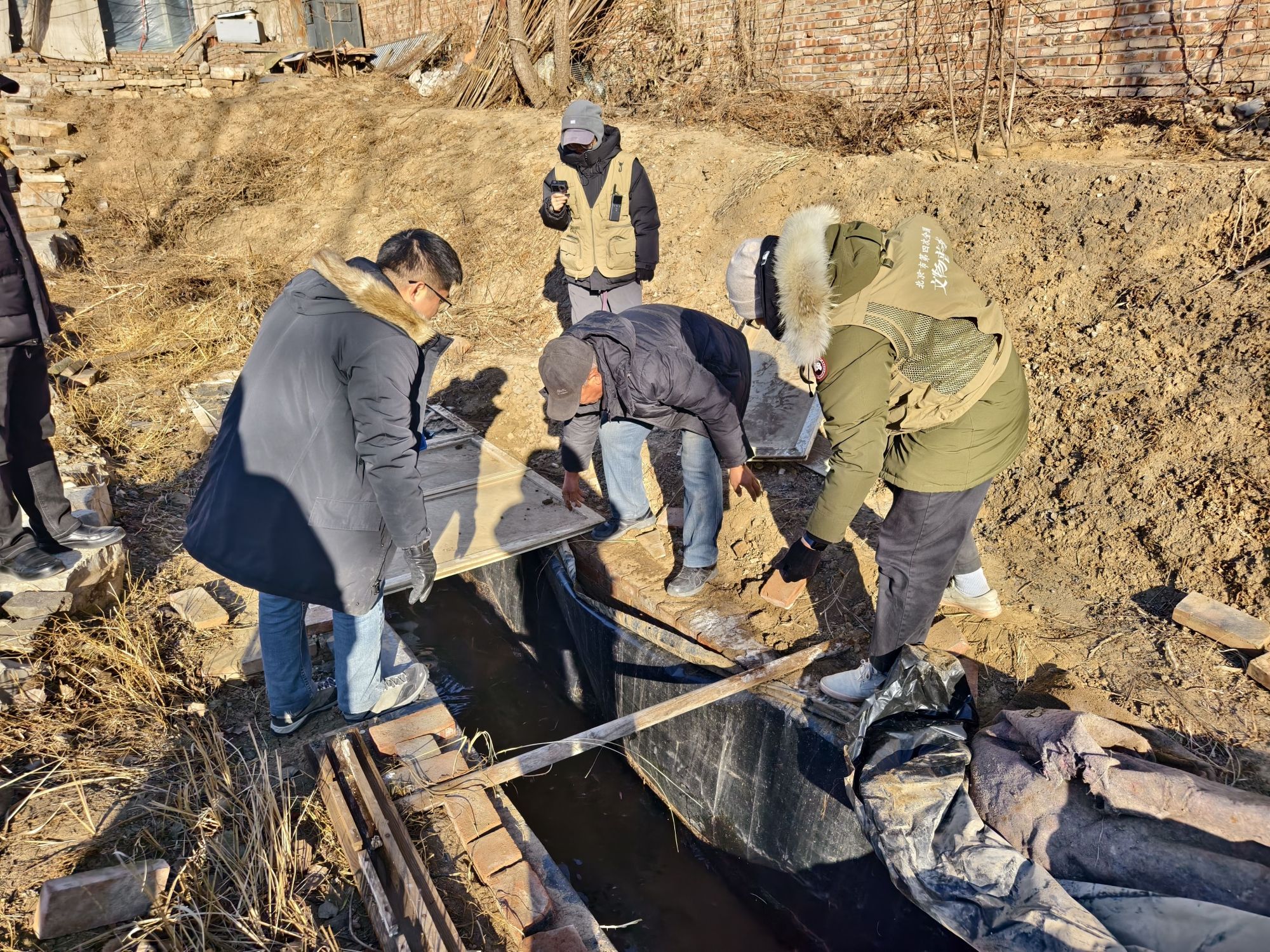
Group 1 - The Beijing government is actively conducting the fourth national cultural relics census, which started in November 2023, with a focus on collaboration between city and district levels [1] - The census has led to significant discoveries in the Yanqing District, including nearly a hundred new relics related to the Great Wall, such as beacon towers and brick kilns [2][4] - In the Changping District, the census has identified 145 new relic clues, including the rare Liao-Jin period water conservation site, which fills a gap in historical water management infrastructure [4][5] Group 2 - The Changping District has completed the second phase of field investigations and is now in the data review and relic identification phase, with plans for publicizing results and initiating protective measures for significant finds [5] - The discovery of a suspected Han dynasty boundary stone in the Mentougou District may redefine the known history of rock carvings in Beijing, dating back at least 1800 years [7][8] - The Huairou District has employed photogrammetry technology for a comprehensive 3D scan of the Great Wall, enhancing data collection for the fourth cultural relics census [9]
我省文物事业发展交出“十四五”时期“成绩单”
Hai Nan Ri Bao· 2025-12-31 01:56
Core Insights - The Hainan Province has reported significant achievements in cultural relics development during the "14th Five-Year Plan" period, including eight major breakthroughs in archaeology and a 50% increase in the number of registered museums [2][3]. Archaeological Breakthroughs - Eight historical breakthroughs in archaeological work have been achieved, including the successful inclusion of the Sanya Luobi Cave site in the national archaeological park project and the discovery of a prehistoric burial site dating back approximately 12,000 years [3][4]. - The first archaeological study of the Nanhai Genglu Book has been conducted, collecting over 6,000 navigation data sets [3]. - New discoveries include 30 Paleolithic wilderness sites and significant artifacts from various historical periods, enhancing the understanding of regional cultural exchanges [3]. Museum Development - By the end of 2025, the number of registered museums in Hainan is expected to reach 60, a 50% increase from the end of the "13th Five-Year Plan," with 23 state-owned museums and 37 non-state-owned museums [4][5]. - Museums in Hainan have launched a total of 927 exhibitions, with an average of 19 exhibitions per museum, and have hosted 1,922 educational activities in 2024, averaging 40 per museum [5][6]. Cultural Tourism Integration - Hainan has developed 38 cultural tourism sites and created six themed museum tour routes, linking nearly 20 unique museums, promoting museum visits as a new tourism trend [6]. - The integration of archaeological findings with tourism has led to the establishment of nine national and provincial night cultural and tourism consumption clusters, contributing to economic growth [6].
木兰县发现辽金古城
Xin Lang Cai Jing· 2025-12-26 19:02
Core Insights - The archaeological investigation in Mulan County has confirmed the discovery of an ancient city site from the Liao and Jin dynasties, significantly advancing the timeline of human activity in the region to approximately 7,000 years ago [1] Group 1: Archaeological Findings - The Mongol Mountain city site is located in the western mountainous area of Mulan County, featuring an inner city and outer defense layout [1] - The exploration has expanded the site area to 110,000 square meters, uncovering 115 ancient relics including house sites, kilns, and ash pits [1] - Artifacts primarily consist of pottery and porcelain fragments, with one pottery piece exhibiting characteristics of fishing and hunting culture, dated to around 7,000 years ago [1] Group 2: Technological Methods and Analysis - Carbon-14 dating techniques have confirmed that the main structure of the city site belongs to the Jin dynasty, with evidence of human activity from the mid-Qing period also discovered [1] - The project utilized low-altitude drone detection technology to clearly map the outline of the city site and the arrangement of house sites [1]
浙江“四普”取得阶段性成果
Xin Hua Wang· 2025-12-21 01:09
Core Insights - The Zhejiang Province has made significant progress in the fourth national cultural relics census, with the third meeting of the leadership group highlighting the completion of the "Three Censuses" of cultural relics [1] - The second phase of the fourth census, which began in May 2024, is set to conclude by May 31, 2025, with extensive field investigations and data collection already underway [1] - The provincial census office has organized four special surveys focusing on cultural heritage that reflects the values of reform and opening up, including notable sites like the Yucun "Two Mountains" meeting site and the South Lake Revolutionary Memorial Hall [1] Data Collection and Quality Control - Since the start of the second phase, over 68,000 cultural relics have been audited, gathering essential data on their spatial location, protection level, usage, and preservation status [1] - The census has implemented rigorous data quality control measures, including training and online inspections [1] Innovative Protection Policies - Various regions in the province are innovating cultural relic protection policies, such as private property relic reinforcement in Xiaoshan, a "Hundred Families Repairing Hundred Houses" initiative in Yongjia, and a three-year action plan for protecting famous residences in Shangyu [2] - New models like "cultural relics + insurance" are being explored in Songyang, while Deqing is promoting the effective use of lower-level relics through a checklist approach [2] Public Participation - The census has seen widespread public involvement, with 281 survey teams and 1,941 team members established, alongside over 10,000 participants in training sessions [2] - There is a strong atmosphere of support from various sectors, including local communities, experts, and volunteers, contributing to the census and cultural relic protection efforts [2]
“十四五”期间山西新发现文物5000余处
Zhong Guo Xin Wen Wang· 2025-12-18 09:13
Core Insights - During the "14th Five-Year Plan" period, Shanxi Province has discovered over 5,000 new cultural relics, marking significant progress in the fourth national cultural relics census [1][2] - The census has successfully re-verified all 53,875 cultural relics registered in the third national census, including specialized investigations of various historical artifacts [1] - New discoveries span from prehistoric settlements to relics from the Northern Wei Dynasty, Ming Dynasty ancient villages, and Qing Dynasty murals, contributing to a more comprehensive understanding of Shanxi's civilization [1] Summary by Categories New Discoveries - A large-scale ancient village site from the Ming Dynasty, consisting of over 150 stone houses, was discovered in Yuxian County, showcasing well-preserved ancient settlements [2] - In the city of Jinzhong, a high-status architectural complex dating back approximately 4,300 years was found at the Qinshi Baliping site, indicating its role as an important hub for prehistoric cultural exchange [1] - The discovery of Northern Wei period pottery at the Xice Tianbei site in Datong provides evidence for studying the social and economic life during the Pingcheng period [1] Technological Advancements - The census emphasized not only new discoveries but also the precise re-recording of existing relics, utilizing technologies such as drone aerial photography and 3D scanning to achieve comprehensive documentation [2] - The goal of the census is to ensure that all eligible relics are recorded and preserved, reflecting a commitment to cultural heritage conservation [2]
辽宁省第四次全国文物普查领导小组第三次会议召开
Liao Ning Ri Bao· 2025-12-13 01:34
Core Viewpoint - The meeting emphasized the importance of cultural heritage protection and the need to implement the "Four National Cultural Relics Surveys" effectively, aligning actions with the central government's directives [1] Group 1: Meeting Objectives - The meeting aimed to enhance responsibility and mission awareness among local governments regarding cultural heritage protection [1] - It called for high-quality completion of the "Four National Cultural Relics Surveys" to ensure historical artifacts are better preserved and utilized [1] Group 2: Key Tasks - Focus on solid progress in the third phase of the survey, ensuring all cultural relics are accounted for and new discoveries are prioritized [1] - Emphasize quality control in data verification and compilation of survey reports [1] - Promote the application of survey results to enhance systematic protection of cultural heritage [1] Group 3: Organizational Leadership - Local party committees and government leaders are urged to treat the cultural relics survey as a significant political task [1] - Increased funding for cultural heritage protection and encouragement of social participation in preservation efforts are necessary [1] - The goal is to create a collaborative effort in cultural heritage protection to elevate the province's cultural heritage protection initiatives [1]
沈阳市“四普”首次发现辽金时期建筑遗存“莲花村南遗址”
Zhong Guo Xin Wen Wang· 2025-12-11 01:12
Core Viewpoint - The discovery of the Lianhua Village South Site in Shenyang represents a significant archaeological find from the Liao and Jin dynasties, highlighting the importance of public participation in cultural heritage preservation efforts [1][3]. Group 1: Discovery Details - The Lianhua Village South Site is located near the right bank of the Pu River, approximately 800 meters north of Lianhua Village, in a quiet and lush environment [3]. - The site was identified through public engagement, as several hiking enthusiasts noticed scattered tiles on the surface and reported their findings, contributing to the ongoing national cultural relics census [3][4]. - Initial investigations revealed a concentration of damaged architectural components, including decorative tiles and remnants of ridge beasts, indicating the site is a foundation of a building from the Liao and Jin periods [3]. Group 2: Importance of Public Participation - The successful identification of the site exemplifies how public input can enhance professional archaeological surveys, filling gaps in the expertise of specialized teams [4]. - Each individual providing leads is considered an essential "scout" and "informant" in the cultural relics census, emphasizing the role of community involvement in achieving comprehensive documentation and protection of cultural heritage [4]. Group 3: Ongoing Efforts and Future Directions - Shenyang's fourth national cultural relics census is currently in a critical phase, with an increased demand for leads on various cultural relics [5]. - The Shenyang Cultural Relics Census Office has issued a call for more public and organizational participation to identify potential historical sites, aiming to uncover and protect more cultural heritage in the city [5].
踏行山川 乐此不疲
Ren Min Ri Bao· 2025-11-28 22:00
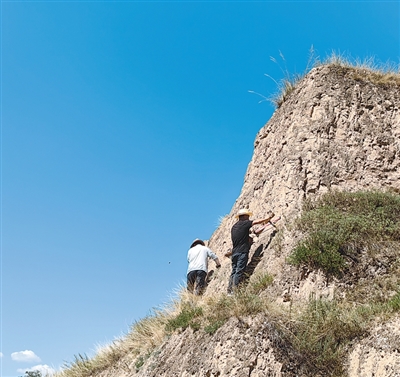
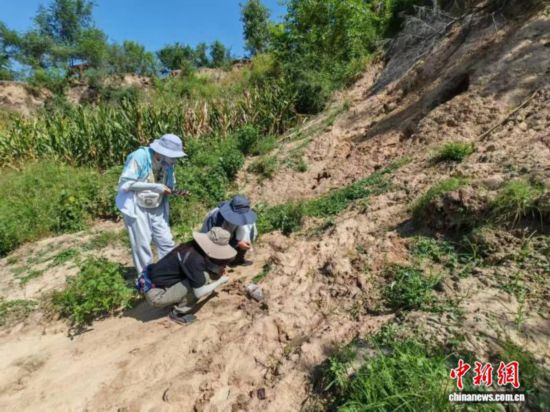
Core Points - The article highlights the successful completion of the fourth national cultural relics census in Dingxi City, Gansu Province, emphasizing the importance of fieldwork and data collection in understanding and protecting cultural heritage [1][2][5] Group 1: Fieldwork and Investigation - The census team has conducted high-quality field investigations, revisiting 180 cultural relic sites and discovering 33 new sites, thereby enhancing the understanding of local cultural heritage [1] - The challenging terrain of the Loess Plateau requires physical endurance and climbing skills for the team to access remote archaeological sites, particularly prehistoric settlement sites [1][2] - The team has investigated 71 prehistoric settlement sites, most of which exceed 200,000 square meters in area, indicating the extensive nature of their fieldwork [1] Group 2: Methodology and Techniques - Prior to the census, local cultural workers engaged in ongoing research to track and verify new cultural relic leads, averaging over 70 days of field investigation annually [2] - The use of technology, such as satellite imagery, has significantly aided the team in identifying previously overlooked sites, resulting in the discovery of 19 new fort site remnants [2] - The investigation process involves not only discovery but also interpretation, requiring a deep understanding of historical context and local geography to assess the significance of the findings [4] Group 3: Documentation and Analysis - The documentation process is critical, with team members recording data on-site and maintaining detailed logs of site characteristics, including name, location, age, and area [4] - The analysis of newly discovered fort sites has led to insights into their historical context, with many dating back to the Ming and late Qing dynasties, reflecting their strategic purposes [4] - The results of the census will be presented through written reports and data, underscoring the importance of thorough documentation in the quality of the census [4][5]