
绿色设计

Search documents
2026中关村论坛・世界绿色设计论坛将于3月29日在京启幕
Xin Lang Cai Jing· 2026-02-28 03:29
本届论坛将延续国际组织优势,搭建全球绿色设计领域的高端对话与合作桥梁。届时,来自比利时、意 大利、德国、挪威、巴基斯坦、马尔代夫等 20 余个国家的政府及国际机构代表、科研院所及行业专家 等权威嘉宾将齐聚北京,围绕绿色城市、国际标准、绿色低碳创新技术与产业应用等展开研讨。论坛还 将揭晓获评的"世界绿色设计之都"荣誉称号的城市和碳捕捉利用与封存(CCUS)绿色设计国际奖项。 世界绿色设计组织(WGDO)于2013年在比利时布鲁塞尔成立,是世界上首个致力于推动绿色设计发 展的非营利性国际组织,作为欧盟官方认证机构,已获得联合国经社理事会特别咨商地位。 有关本次论坛的更多参会信息、合作事宜及议程详情,可联系世界绿色设计组织北京代表处,或发送邮 件至 info@wgdo.net 咨询。 责任编辑:梁斌 SF055 2026 中关村论坛・世界绿色设计论坛将于2026 年3月29日上午在京举行,本次论坛由世界绿色设计组织 (WGDO)与世界 CCUS 理事会联合主办,以"绿色设计与科技创新融合,助力全球可持续发展"为核 心主题,汇聚全球绿色设计领域的智慧与力量,共探绿色设计赋能城市高质量发展的新路径、新方案。 2026 ...

“十四五”重大项目西安东站建设提速
Xin Lang Cai Jing· 2026-02-24 22:23
(来源:中国改革报) □ 本报记者 谷亚光 近日,"十四五"规划重点项目西安东站站牌正式亮相,标志着项目建设按照规划要求迈入提速攻坚阶 段。中国铁路西安局集团有限公司(以下简称"西安铁路局")统筹各参建单位紧抓春节施工窗口期,紧 盯节点、全力攻坚,以保障西安东站与西十高铁、西康高铁工程建设协同推进,通过高标准施工推动工 程高质量落地。预计西安东站将于年内正式投用,届时,西安至重庆、武汉的高铁时间将缩短至2.5小 时。 转自:中国改革报 西安铁路局作为项目建设主体,始终牵头推进工程建设全流程,由西安站改扩建工程指挥部具体组织实 施,提前谋划、科学组织,带领施工、监理、设计、检测等参建单位,全局推进、严控细节,切实做好 安全质量管控,高效协调解决建设中的各类问题,全力保障各项工程稳步实施。 西安东站位于西安市高铁东城中央商务办公核心区,东依白鹿原,西临浐河,是集高铁、普铁、地铁、 公交于一体的特大型综合交通枢纽。车站建筑总规模39.4万平方米,其中站房总建筑面积约10万平方 米,整体分为出站层、站台层、高架候车层三层,局部设置夹层。 中铁建设作为核心参建单位,主要负责站房主体结构、金属屋面及装饰装修施工任务,其承 ...

“冰立方”中芬合作交流中心建成投用
Nan Jing Ri Bao· 2026-01-29 01:40
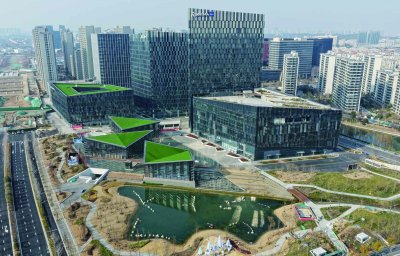
Group 1 - The Nanjing "Ice Cube" Sino-Finnish Cooperation Exchange Center has been officially completed and put into use, marking the beginning of a new year of key project implementations in the southern new city, injecting new vitality into Nanjing's low-carbon ecological city construction [3][4] - The center, designed by a Finnish team, covers an area of approximately 210,000 square meters and symbolizes the cooperation between China and Finland, integrating low-carbon and environmental protection concepts into its architectural design [3][4] - The center consists of multiple functional areas, including a low-carbon ecological and smart city exhibition center, a special exhibition center, a high-end business hotel, and a business office center, serving as an important platform for economic, cultural, and environmental cooperation between the two countries [4] Group 2 - Advanced technologies have been applied in the construction of the center, such as a double-glazed curtain wall system that enhances energy efficiency by over 30% compared to traditional systems, allowing for natural air circulation [4] - The "Nanjing Southern New City Renewable Energy Regional Supply Project" won an international award for green design, showcasing innovative integration of wastewater heat pumps, photovoltaic power generation, energy storage systems, and smart control platforms [4] - Several international companies have already signed agreements to establish operations in the center, with ongoing discussions with leading enterprises, indicating a growing interest in the Sino-Finnish Cooperation Exchange Center as a hub for international business and innovation [5]
法国塞特市加冕欧洲首个“世界绿色设计之都” 树立欧洲城市绿色转型新标杆
Xin Lang Cai Jing· 2026-01-22 02:55
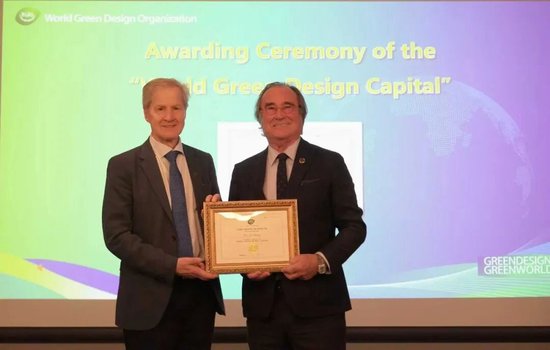
来源:世界绿色设计论坛 当地时间1月21日,世界绿色设计组织(WGDO)第十五届年会暨布鲁塞尔峰会在比利时布鲁塞尔落下 帷幕。峰会上,法国塞特市凭借在绿色设计与可持续发展领域的系统性实践与卓越成效,成功荣膺"世 界绿色设计之都"称号,成为欧洲首个获此殊荣的城市。世界绿色设计组织荣誉主席乔·莱恩为塞特市颁 发证书,这一时刻不仅标志着塞特绿色发展之路获得国际认可,更为欧洲乃至全球城市绿色转型注入强 劲动力。 当地时间1月21日,世界绿色设计组织(WGDO)第十五届年会暨布鲁塞尔峰会在比利时布鲁塞尔落下 帷幕。峰会上,法国塞特市凭借在绿色设计与可持续发展领域的系统性实践与卓越成效,成功荣膺"世 界绿色设计之都"称号,成为欧洲首个获此殊荣的城市。世界绿色设计组织荣誉主席乔·莱恩为塞特市颁 发证书,这一时刻不仅标志着塞特绿色发展之路获得国际认可,更为欧洲乃至全球城市绿色转型注入强 劲动力。 作为全球城市绿色转型领域的国际荣誉,"世界绿色设计之都"由世界绿色设计组织发起,其评审体系深 度契合联合国可持续发展目标(SDGs)与欧盟绿色新政框架,旨在遴选能引领全球城市未来发展的"灯 塔标杆"。塞特市的绿色发展实践是对全球城市 ...
第十五届WGDO年会于布鲁塞尔成功举办 国际化协作谱写绿色发展新篇章
Xin Lang Cai Jing· 2026-01-21 11:40
Core Insights - The World Green Design Organization (WGDO) held its 15th annual conference in Brussels, Belgium, focusing on "Green Design Empowering Global Sustainable Development" as the central theme, creating an international dialogue platform for discussing green transformation and promoting new mechanisms for international cooperation [1][5] Group 1: Conference Highlights - The conference gathered over 60 representatives from governments, international organizations, industry associations, and multinational companies from nearly 20 countries, forming a global exchange matrix covering Europe, Asia, America, and Africa [1][5] - Keynote speeches were delivered by international experts, including former UN Assistant Secretary-General for Climate Change Zanos Pazto, addressing global climate governance, the role of international organizations, green technology innovation, and talent education [2][6] Group 2: Achievements in Green Transformation - The city of Sete in France was awarded the title of "World Green Design Capital," showcasing its innovative practices in green urban development, providing a European model for sustainable urban development [3][6] - Six professionals from Portugal, France, and Italy received "Green Design Engineer" certificates, marking progress in the international green design talent system and promoting cross-regional exchange and mutual recognition of qualifications [3][7] Group 3: Advancements in Standards and Recognition - The conference highlighted significant progress in green design international standards, including the introduction of the first "Green Design International Standard" and the launch of the "Green Leaf Mark Digital Passport" plan, which integrates digital coding and lifecycle traceability technology [3][7] - Thirteen exemplary companies from Belgium, China, and Portugal presented their innovative green products and sustainable practices, demonstrating the international applicability and practical value of green design [4][7] Group 4: Future Directions - The successful hosting of the conference further solidified WGDO's position as a key international platform in the field of green design, with plans to deepen global cooperation, promote the international dissemination of green design concepts, and facilitate the sharing of innovative outcomes [4][8]
2025世界绿色设计报告(案例)
世界绿色设计组织· 2026-01-21 09:00
GREEN DESIGN GREEN WORL D 2025 WORLD GREEN DESIGN REPORT ( ) CASES STUDY WGDO WGDO WGDO WGDO WGDO WGDO WGDO WGDO WGDO WGDO WGDO WGDO WGDO 世界绿色设计报告 (案例) WGDO WGDO WGDO WGDO WGDO WGDO WGDO WGDO WGDO WGDO WGDO WGDO WGDO WGDO WGDO WGDO WGDO WGDO WGDO WGDO WGDO WGDO WGDO WGDO WGDO WGDO WGDO WGDO WGDO WGDO WGDO WGDO WGDO WGDO WGDO WGDO WGDO WGDO WGDO WGDO WGDO WGDO WGDO | O | | | --- | --- | | D | | | G | | | W | | | O | | | D | | | G | | | W | | | O | | | O | D | | D | G | | G | | | W | | | W | | | O | | | O | D ...
执绿笔、绘蓝图!顺德逐梦“世界绿色设计之都”
Xin Lang Cai Jing· 2025-12-17 09:05
Core Viewpoint - Shunde is positioning itself as a "World Green Design Capital" by leveraging green design as a core engine for high-quality economic development, responding to global sustainable development challenges [1][10]. Group 1: Importance of Green Design - Green design has become a global consensus and is supported by strong policy frameworks, with over twenty countries incorporating it into their policy systems [3][12]. - The application for "World Green Design Capital" has significant implications for Shunde on three levels: enhancing brand influence, driving comprehensive upgrades in manufacturing and consumption, and promoting social green transformation through government-led initiatives [3][12][4]. Group 2: Historical and Practical Foundations - Shunde's application is rooted in historical wisdom and current practices, with a legacy of sustainable agricultural models and a strong industrial design foundation [4][13]. - The region has established a robust ecosystem for green design, with over 8,000 designers and advanced manufacturing facilities, fostering innovation and collaboration [4][14]. Group 3: Collaborative Efforts for Green Design - A systems approach is essential for the successful establishment of the "World Green Design Capital," requiring collaboration among government, society, and enterprises [6][14]. - Government policies should incentivize the adoption of green design methods, while social resources should be integrated to support innovation in materials and technologies [14][15]. Group 4: Practical Implementation by Enterprises - Companies are encouraged to explore practical pathways for green design, transforming concepts into reality, such as recycling resources and adhering to stringent environmental standards [15][17]. - The focus on green design is expected to enhance Shunde's global competitiveness and contribute to sustainable development, positioning it as a model for international cooperation [9][17].
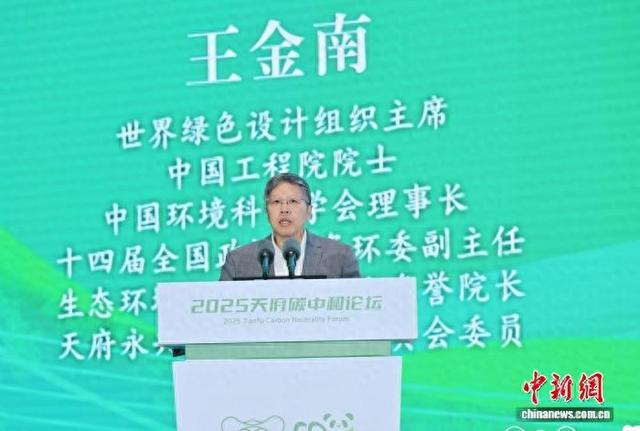
中国工程院院士王金南呼吁加快建立绿色设计制度
Xin Lang Cai Jing· 2025-12-15 02:40
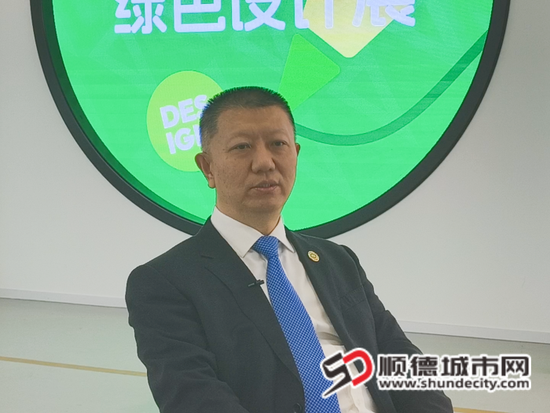
Core Viewpoint - The 2025 Tianfu Carbon Neutral Forum emphasizes the need for establishing a green design system to promote green and low-carbon transformation, as highlighted by Wang Jinnan, an academician of the Chinese Academy of Engineering [1][6]. Group 1: Green Design Concept - Green design is viewed as a series of innovative activities and institutional arrangements aimed at minimizing ecological impact and health risks throughout the entire lifecycle of products [3][7]. - The goal of green design is to achieve sustainable green low-carbon development and harmonious coexistence between humans and nature [3][7]. Group 2: Areas of Focus - The green design framework has expanded from traditional product dimensions to four major areas: decision management, industry sectors, specific products, and infrastructure [3][7]. - Decision management in green design is already well-represented in China's development strategies and plans [7]. Group 3: Initiatives by World Green Design Organization - As the president of the World Green Design Organization (WGDO), Wang Jinnan outlined initiatives to establish international standards for green design, promote education and talent development, and support the creation of world green design capitals [3][7]. - The WGDO, established in September 2013 in Brussels, aims to facilitate cooperation in green design technologies, materials, capital, and talent, creating a global dialogue platform for green development [4][7]. Group 4: ESG Rating Center - The Sina Finance ESG Rating Center offers 14 ESG services, including information, reports, training, and consulting, to help listed companies communicate ESG concepts and enhance their sustainable development performance [1][5]. - The center aims to promote sustainable development and responsible investment, while also facilitating the establishment of ESG evaluation standards in China [5][8].
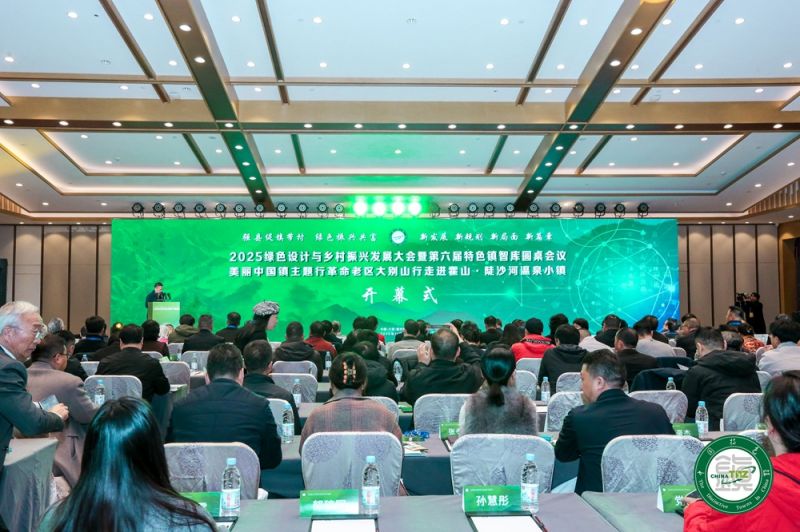
2025绿色设计与乡村振兴发展大会暨第六届特色镇智库圆桌会议在安徽召开
Zhong Guo Fa Zhan Wang· 2025-12-02 09:30
在"高校助力"主题分享环节,中央民族大学中国式现代化研究院执行院长、教授黄斌,上海社科院研究员、原副 院长、上海联合国研究会会长何建华,天津美术学院环境与建筑艺术学院教授、硕士生导师、副院长鲁睿,中国 地质大学(北京)教授张绪教,广东技术师范大学数字创意学院院长吴健平,天津美术学院环境与建筑艺术学院副 教授刘润泽,苏州工学院副教授阚丽红,天津美术学院环境与建筑艺术学院讲师钱丰,南通大学商学院(管理学 院)名誉院长、二级教授姜朝晖,中国矿业大学(北京)马克思主义学院教授、博士生导师、副院长曾祥明等,介绍 了以绿色设计赋能乡村振兴的理论设计和实践探索经验。 中国发展网讯记者李振报道11月30日,"2025绿色设计与乡村振兴发展大会暨第六届特色镇智库圆桌会议"在安徽 省六安市霍山县上土市镇陡沙河温泉小镇召开。本届大会以"强县促镇带村绿色振兴共富"为主题,由北京绿色设 计促进会、人民网人民视频、中国特色镇发展论坛组织委员会办公室、北京国农科技特派员创新服务联盟、北京 光华设计发展基金会、《中国食品工业》杂志、小城镇建设杂志等单位主办。 十二届全国政协副主席马培华通过视频讲话向大会召开表示祝贺。他指出,大会以学习贯彻党 ...
拓展绿色贸易释放创新活力
Jing Ji Ri Bao· 2025-11-01 22:04
Core Viewpoint - The 20th Central Committee's Fourth Plenary Session emphasizes the importance of "promoting innovative trade development," particularly focusing on "expanding intermediate goods trade and green trade," which is seen as a new driving force for China's foreign trade and a significant contribution to climate change response and green low-carbon transition [1][2]. Group 1: Definition and Importance of Green Trade - Green trade integrates environmental protection and sustainable development into the entire process of international trade, covering green products, technologies, services, and rules [2][3]. - The significance of developing green trade includes responding to international economic and trade rule adjustments, achieving carbon peak and carbon neutrality goals, and addressing traditional trade bottlenecks [4][5]. Group 2: Aspects of Green Trade - Green trade encompasses three main aspects: 1. The greening of trade objects, including environmentally friendly products like photovoltaic cells and electric vehicles [3]. 2. The greening of trade processes, focusing on minimizing environmental impacts throughout the supply chain [3]. 3. The inclusion of external environmental and social costs in trade accounting, such as carbon emissions and resource consumption [3]. Group 3: Current Trends and Achievements in Green Trade - China's green trade is experiencing robust growth, with significant increases in exports of green energy products, such as a 71.9% rise in wind turbine exports and over 200 billion yuan in photovoltaic product exports [5][9]. - The "new three items" (new energy vehicles, lithium batteries, and photovoltaic products) have seen a 2.6 times increase in export scale compared to 2020, marking a significant shift towards high-end, low-carbon products [9][10]. Group 4: Challenges and Future Directions - Despite the achievements, challenges remain, including the need for improved carbon management capabilities and the establishment of a unified green low-carbon product standard system [18][19]. - Future efforts should focus on enhancing international dialogue, improving carbon management capabilities, and participating in the development of global foundational carbon rules [18][19].