肥胖管理

Search documents
海创药业接待29家机构调研,包括淡水泉投资、西部证券、泰康资产、诺鼎资产等
Jin Rong Jie· 2026-01-29 08:05
Group 1 - The core product, Deuterated Enzalutamide soft capsule, was approved for market launch in May 2025 and included in the 2025 CSCO Prostate Cancer Diagnosis and Treatment Guidelines in June 2025. It entered the National Medical Insurance Drug List in December 2025 and was executed in January 2026 [1][3][4] - The sales strategy employs a "direct sales + agency" dual-track model, focusing on a four-wheel drive approach of "medical-market-access-sales" to build brand recognition through academic platforms and accumulate real-world data [1][3][4] - The prostate cancer market is projected to reach 50 billion yuan in China by 2030, with 146.7 million new cases globally in 2022, and 134,000 new cases in China [1][4] Group 2 - The drug HP518 is the first oral AR PROTAC in clinical stages in China, targeting metastatic castration-resistant prostate cancer (mCRPC). Phase I trials have been completed in Australia and China, with Phase II trials ongoing [2][5][6] - The company is focusing on obesity management and metabolic-associated fatty liver disease (MASH), with the weight loss market expected to grow from $282.9 billion in 2023 to $554.9 billion by 2030. The number of MASH patients in China is projected to reach 48.3 million by 2030 [2][6][7] - The core product HP515, an oral selective THR-β agonist, has shown potential in enhancing weight loss effects when combined with GLP-1, with clinical trials ongoing [2][6][8]

告别体重拉锯战!Nature权威解读:拆穿减肥“反弹”真相,四大实用策略出击
GLP1减重宝典· 2026-01-08 15:41
Core Viewpoint - The article focuses on individuals who successfully lose weight through lifestyle changes but experience weight regain, highlighting the challenges of long-term obesity management and effective strategies to prevent weight rebound [7][11]. Summary by Sections Weight Rebound Challenges - A systematic review and meta-analysis indicate that approximately 75% of individuals who lose an average of 14 kg through lifestyle interventions will regain weight within about five years [7]. - Weight rebound is not limited to those who undergo lifestyle changes; individuals who stop medication or have undergone weight loss surgery also face similar challenges [7]. Mechanisms Behind Weight Rebound - Research from 2022 shows that macrophages in adipose tissue produce elevated levels of lipopolysaccharide-induced cytokines, contributing to a "fat memory" that increases the risk of weight regain [9]. - A 2023 study published in *Nature Metabolism* reveals that obese individuals have a diminished brain response to nutritional stimuli, which may be a key factor in weight rebound after successful weight loss [9]. Strategies to Reduce Weight Rebound Risk 1. **Dietary Adjustments** - High-protein, low glycemic index (GI), or low glycemic load diets can help reduce the risk of weight rebound. Anti-inflammatory dietary patterns are also recommended [11]. 2. **Increased Physical Activity** - Regular exercise improves leptin sensitivity, enhances sympathetic nervous activity, reduces hunger, and promotes fat oxidation, which aids in maintaining weight loss [12]. 3. **Pharmacological and Biomedical Interventions** - In addition to diet and exercise, pharmacological treatments and other biomedical methods are suggested to prevent weight rebound by reducing adipose tissue mass [13]. 4. **Individualized Management and Ongoing Research** - The occurrence of weight rebound is influenced by multiple factors, necessitating further scientific research to explore more effective long-term management strategies [14].

告别体重拉锯战!Nature权威解读:拆穿减肥“反弹”真相,四大实用策略出击
GLP1减重宝典· 2025-12-31 10:59
Core Viewpoint - The article focuses on individuals who successfully lose weight through lifestyle changes but experience weight regain, highlighting the challenges of long-term obesity management and effective strategies to prevent weight rebound [7]. Summary by Sections Weight Rebound Challenges - A systematic review and meta-analysis indicate that approximately 75% of individuals who lose an average of 14 kg through lifestyle interventions will regain weight within about 5 years [7]. - Weight rebound is not limited to those who undergo lifestyle changes; individuals who stop medication or have undergone weight loss surgery also face similar challenges [7]. Mechanisms Behind Weight Rebound - A 2022 study found that macrophages in adipose tissue produce elevated levels of lipopolysaccharide-induced cytokines, contributing to a "fat memory" that increases the risk of weight regain [9]. - A 2023 study published in *Nature Metabolism* revealed that obese individuals have a diminished brain response to nutritional stimuli, which may be a key factor in weight rebound after successful weight loss [9]. Strategies to Reduce Weight Rebound Risk 1. **Dietary Adjustments** - High-protein, low glycemic index (GI), or low glycemic load diets can help reduce the risk of weight rebound. Anti-inflammatory dietary patterns, such as increased intake of olive oil, tomatoes, leafy greens, nuts, deep-sea fish, and fruits, while reducing refined carbohydrates, fried foods, sugary drinks, red meat, and margarine, may also lower rebound probabilities [11]. 2. **Increased Physical Activity** - Regular exercise improves leptin sensitivity, enhances sympathetic nervous activity, reduces hunger, increases satiety, promotes fat oxidation, and protects muscle mass, all of which help maintain weight loss. Higher levels of physical activity correlate with better weight maintenance outcomes [12]. 3. **Pharmacological and Biomedical Interventions** - In addition to diet and exercise, pharmacological treatments and other biomedical methods are recommended to prevent weight rebound, such as reducing adipose tissue mass for more stable weight control [13]. 4. **Individualized Management and Ongoing Research** - Weight rebound is influenced by multiple factors, including diet, exercise, medication, and biomedical interventions. Future research should focus on different populations to explore more effective long-term management strategies [14].
减重国际标准来了!WHO发布首个司美格鲁肽等GLP-1药物指南
GLP1减重宝典· 2025-12-25 08:35
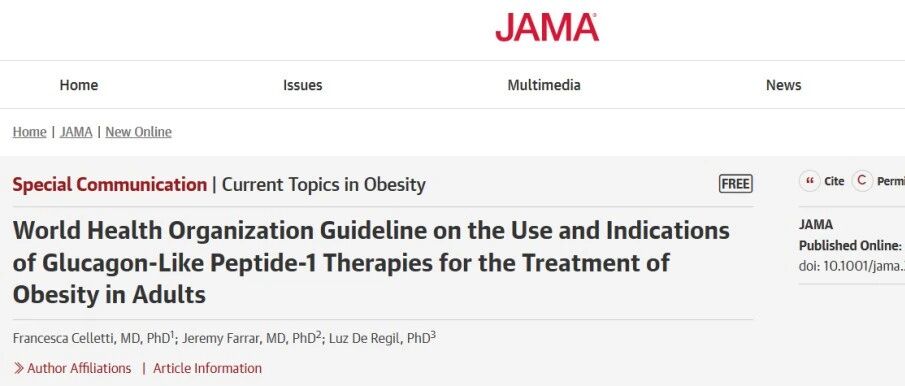
Core Viewpoint - The World Health Organization (WHO) has released the first authoritative guidelines on the use of GLP-1 medications for obesity management, emphasizing that obesity is a chronic disease requiring lifelong management rather than a short-term lifestyle issue [4][7]. Methodology of Guideline Development - Since 2009, WHO has upgraded its guideline development process to ensure scientific rigor and transparency, utilizing the GRADE methodology to assess not only efficacy evidence but also patient values, feasibility, cost, and equity [6]. Definition of Obesity - WHO defines obesity as a chronic disease that requires lifelong management, which includes systematic screening, early diagnosis, and continuous management of complications [7]. Core Conclusion 1: Long-term Use of GLP-1 - WHO recommends GLP-1 therapy as a long-term treatment for adult obesity, with "long-term" defined as continuous use for six months or more, opposing the notion of using GLP-1 as a short-term weight loss tool [8]. Core Conclusion 2: Integration with Behavioral Interventions - WHO emphasizes that GLP-1 therapy should not be used in isolation but should be combined with Intensive Behavioral Therapy (IBT) as a key component of treatment, which includes structured exercise, dietary goal setting, and regular consultations [10]. Research Gaps and Future Directions - The guideline identifies key research priorities for future updates, including the long-term effects of GLP-1 on kidney disease, cognitive function, and quality of life, as well as cost-effectiveness across different healthcare systems [11]. Conclusion - The significance of the WHO guidelines lies in establishing a framework for obesity management that prioritizes long-term, sustainable, and equitable care rather than short-term weight loss, marking the inclusion of GLP-1 in global public health discussions [11].

年末想大吃大喝,可以暂停使用司美格鲁肽等减重药物吗?
GLP1减重宝典· 2025-12-20 08:38
Core Viewpoint - The article discusses the use of GLP-1 receptor agonists, particularly semaglutide, for weight management and the implications of pausing medication, emphasizing the importance of gradual dosage reduction to mitigate hunger rebound effects [4][12][14]. Group 1: Medication Effects and Timeline - After subcutaneous injection, semaglutide is absorbed into the bloodstream within 1-2 hours [8] - Peak concentration in the blood occurs within 24-48 hours, where the drug actively binds to GLP-1 receptors [9] - Noticeable effects, such as reduced appetite and improved blood sugar regulation, may begin within 1-2 weeks [10] - Steady-state levels are achieved after 4-5 weeks of weekly injections, leading to more pronounced appetite suppression and accelerated weight loss [11] Group 2: Discontinuation Strategies - It is recommended to start with the lowest dose and gradually increase to minimize side effects [12] - Gradual dose reduction is preferred over abrupt cessation to avoid increased hunger [14] - Monitoring appetite and weight changes is crucial for those planning to stop medication, with a focus on maintaining healthy eating and exercise habits [14] Group 3: Post-Discontinuation Outcomes - A 2021 clinical trial showed that participants lost an average of 10.6% of their weight during 20 weeks of semaglutide treatment, but those switched to a placebo regained an average of 6.9% of their weight [15] - An observational study indicated that 18% of patients regained their lost weight after one year off the medication, while 26% regained more than 25% of their lost weight [15] Group 4: Importance of Continued Medication - The STEP 5 trial demonstrated that continuous use of semaglutide for 2 years resulted in a 15.2% weight loss compared to placebo [18] - In the SELECT trial, patients maintained an average weight loss of about 10% over 4 years, highlighting the chronic nature of obesity and the need for long-term management [18] Group 5: Obesity as a Chronic Disease - Recent studies confirm obesity as a chronic disease, with 76.8% of patients and 94.6% of doctors agreeing on its classification [19] - Obesity is linked to various health issues, including type 2 diabetes and cardiovascular diseases, necessitating its inclusion in chronic disease management [19] Group 6: Weight Loss and Health Improvement - Weight loss of 5% can improve hypertension and blood sugar levels, while a 10-15% reduction significantly lowers risks of cardiovascular diseases and diabetes [21] - Greater weight loss (over 15%) can effectively alleviate type 2 diabetes symptoms and improve overall health outcomes [21]
Nature:有人靠“胃折叠术”告别司美格鲁肽,“肠道加热”真能逆转代谢?
GLP1减重宝典· 2025-12-19 04:15
Core Insights - The article discusses the challenges faced by millions who stop using GLP-1 weight loss drugs due to side effects, high costs, or supply issues, and highlights emerging alternatives for weight management [11]. Group 1: Demand for Alternatives Due to GLP-1 Drug Discontinuation - GLP-1 drugs like Semaglutide (Ozempic, Wegovy) and Tirzepatide (Zepbound) have a high discontinuation rate of 37% to 81% within the first year [12]. - Patients are seeking sustainable alternatives due to unstable drug supply, annual costs averaging tens of thousands of dollars, and side effects like nausea [12]. - The popularity of GLP-1 drugs has led to renewed interest in traditional weight loss methods, creating a new treatment paradigm of "drug initiation followed by diverse follow-up" [12]. Group 2: Innovations in Surgical and Endoscopic Techniques - Traditional weight loss surgeries, such as gastric bypass and sleeve gastrectomy, have shown long-term weight loss effects of 30% to 50%, but global surgical penetration remains below 1% due to patient concerns about surgical trauma [13]. - The 2022 international guidelines lowered the BMI threshold for surgery, and institutions are exploring "drug-surgery sequential treatment" to enhance outcomes [13]. - Endoscopic techniques are gaining attention, such as Endoscopic Sleeve Gastroplasty (ESG) and Gastric Mucosal Ablation (GMA), which are less invasive and have shown promising results [14]. Group 3: Challenges in Popularization and Payment Systems - Despite the potential of endoscopic techniques, their global adoption faces challenges, including limited insurance coverage and the need for standardized operational techniques [16]. - The average out-of-pocket cost for ESG is approximately $6,000, and GMA is not yet covered by insurance [16]. - Establishing multidisciplinary weight management centers is being promoted to integrate drug, endoscopic, and surgical resources, enhancing overall treatment quality [16].

告别反复长肉!Nature权威揭秘:揭开减肥“回弹”真相,四大实用对策重磅发布
GLP1减重宝典· 2025-12-15 10:43
Core Viewpoint - The article focuses on individuals who successfully lose weight through lifestyle changes but experience weight regain, highlighting the challenges of long-term obesity management and effective strategies to prevent weight rebound [7]. Summary by Sections Weight Regain Challenges - A systematic review and meta-analysis indicate that approximately 75% of individuals who lose an average of 14 kg through lifestyle interventions will regain weight within about 5 years [7]. - Weight rebound is not limited to those who undergo lifestyle changes; individuals who stop medication or have undergone weight loss surgery also face similar challenges [7]. Mechanisms Behind Weight Regain - A 2022 study found that macrophages in adipose tissue produce elevated levels of lipopolysaccharide-induced cytokines, contributing to a "fat memory" that increases the risk of weight regain [9]. - A 2023 study published in *Nature Metabolism* revealed that obese individuals have a diminished brain response to nutritional stimuli, which may be a key factor in weight rebound after weight loss [9]. Strategies to Reduce Weight Rebound Risk 1. **Dietary Adjustments** - High-protein, low glycemic index (GI), or low glycemic load diets can help reduce the risk of weight rebound. Anti-inflammatory dietary patterns are also recommended [11]. 2. **Increased Physical Activity** - Regular exercise improves leptin sensitivity, enhances sympathetic nervous activity, reduces hunger, and promotes fat oxidation, which aids in maintaining weight loss [12]. 3. **Pharmacological and Biomedical Interventions** - In addition to diet and exercise, pharmacological treatments and other biomedical methods are suggested to prevent weight regain by reducing fat tissue mass [13]. 4. **Individualized Management and Ongoing Research** - Weight rebound is influenced by multiple factors, necessitating further scientific research to explore effective long-term management strategies tailored to different populations [14].
告别反复长肉!Nature权威揭秘:揭开减肥“回弹”真相,四大实用对策重磅发布
GLP1减重宝典· 2025-12-14 11:44
Core Viewpoint - The article focuses on individuals who successfully lose weight through lifestyle changes but experience weight regain, highlighting the challenges of long-term obesity management and effective strategies to prevent weight rebound [7]. Summary by Sections Weight Regain Challenges - A systematic review and meta-analysis indicate that approximately 75% of individuals who lose an average of 14 kg through lifestyle interventions will experience weight regain within about 5 years [7]. - Weight rebound is not limited to those who undergo lifestyle changes; individuals who have weight loss surgery or stop medication also face similar challenges [7]. - There is significant variability in weight regain among individuals, with some maintaining weight loss for years while others revert to their original weight within months [7]. Physiological Mechanisms - A 2022 study found that macrophages in adipose tissue produce elevated levels of lipopolysaccharides and cytokines during obesity, which remain high post-weight loss, indicating a "fat memory" that increases the risk of weight regain [9]. - A 2023 study published in *Nature Metabolism* revealed that obese individuals have a diminished brain response to nutritional stimuli, which may contribute to long-term adaptations that lead to weight rebound after weight loss [9]. Strategies to Reduce Weight Rebound Risk 1. **Dietary Adjustments** - High-protein, low glycemic index (GI), or low glycemic load diets can help reduce the risk of weight rebound. Foods that promote satiety do not lead to significant differences in weight rebound when caloric intake is controlled [11]. - An anti-inflammatory dietary pattern, including olive oil, tomatoes, leafy greens, nuts, fatty fish, and fruits, while minimizing refined carbohydrates, fried foods, sugary drinks, red meat, and margarine, may also lower rebound probabilities [11]. 2. **Increased Physical Activity** - Regular exercise improves leptin sensitivity, enhances sympathetic nervous activity, reduces hunger, increases satiety, promotes fat oxidation, and preserves muscle mass, all of which contribute to maintaining weight loss [12]. - While the effectiveness of different exercise types (aerobic, high-intensity interval, resistance training) is still debated, higher overall activity levels correlate with better weight maintenance outcomes [12]. 3. **Pharmacological and Biomedical Interventions** - In addition to diet and exercise, pharmacological treatments and other biomedical strategies are recommended to prevent weight rebound, such as reducing adipose tissue mass for more stable weight control [13]. 4. **Individualized Management and Ongoing Research** - Weight rebound is influenced by multiple factors, including diet, exercise, medication, and biomedical interventions. Future research should focus on different populations to explore more effective long-term management strategies [14]. - Overall, weight rebound is a common challenge in weight loss journeys, but through scientific dietary practices, regular exercise, appropriate pharmacological interventions, and continuous individualized management, more sustainable weight loss outcomes can be achieved [14].
WHO发布首个司美格鲁肽等GLP-1减重药指南!产业竞争迈向“下半场”
GLP1减重宝典· 2025-12-03 13:10
Core Viewpoint - The World Health Organization (WHO) has officially integrated GLP-1 receptor agonists into long-term obesity management guidelines, emphasizing the need for behavioral interventions alongside pharmacological treatments, marking a shift in the perception of GLP-1 from an "innovative drug" to a "structural treatment tool" for chronic disease management [4][5]. Background and Context - Obesity is recognized as a critical public health challenge, affecting over one billion people globally, with related diseases increasingly contributing to non-communicable disease burdens [5]. - The new guidelines highlight the persistent and relapsing nature of obesity, necessitating comprehensive management strategies, with GLP-1 drugs demonstrating significant efficacy in weight management and metabolic health improvement in large clinical studies [5]. Long-term Management Approach - The guidelines assert that obesity requires lifelong management, encompassing screening, early diagnosis, and complication management, potentially integrating pharmacological treatments, metabolic surgery, or other interventions [7]. - Patients should receive lifestyle-related counseling, including increased physical activity and dietary improvements, especially those using GLP-1 receptor agonists [7][8]. Expert Insights - WHO officials acknowledge that while new obesity treatment drugs represent a breakthrough, they cannot singularly resolve the obesity crisis, which is driven by multiple factors and requires long-term management and collaboration across healthcare systems, public policies, and social environments [9][10]. Clinical Expansion and Market Growth - The use of GLP-1 drugs is rapidly expanding, with prescription rates increasing significantly in recent years, reflecting both patient recognition of efficacy and a shift in physician attitudes towards long-term management [12]. - Pharmaceutical companies like Eli Lilly and Novo Nordisk have reported substantial growth in their financial results, with GLP-1 products becoming core drivers of their business [12]. Global Accessibility Concerns - High drug prices pose a barrier to the inclusion of GLP-1 in routine treatment in many low- and middle-income countries, with supply shortages exacerbating the issue [13]. - International public health organizations are exploring centralized procurement and differential pricing mechanisms to address inequalities in obesity management access [13][15]. Future Directions and Challenges - The competition in the weight loss drug market is intensifying, with leading pharmaceutical companies investing in production expansion and new entrants seeking technological breakthroughs [17]. - The future landscape of GLP-1 drugs will be shaped by innovations in mechanisms, dosage forms, and cost structures, with the potential for generic drugs to enhance global accessibility [15][17]. - Policymaking will significantly influence market dynamics, including decisions on insurance coverage and payment mechanisms, which will directly affect patient costs and healthcare resource allocation [15][17].
《柳叶刀》:GLP-1减肥药与运动结合,停药后预防体重反弹效果更佳
GLP1减重宝典· 2025-09-29 10:38
Core Insights - The article discusses the significant impact of GLP-1 receptor agonists (GLP-1RAs) on obesity management, highlighting the challenge of weight rebound after discontinuation of medication [2] - A Danish randomized controlled trial indicates that incorporating supervised exercise during the treatment and withdrawal phases can significantly improve weight and body composition maintenance after one year [2] Research Design and Methodology - The trial included obese adults aged 18-65 with a BMI of 32-43 kg/m², progressing through three phases: - Induction phase (8 weeks): Strict low-calorie diet (~800 kcal/day), average weight loss of approximately 13.1 kg - Randomized maintenance phase (52 weeks): Participants were assigned to supervised exercise, liraglutide 3.0 mg/day, a combination of both, or a placebo - Follow-up phase (52-104 weeks): All interventions ceased at week 52, with assessments at week 104 for weight and body fat changes - The primary endpoint was weight change from randomization (week 0) to one year post-discontinuation (week 104), with secondary endpoints including percentage change in body fat [3] Key Findings and Evidence - The combination of supervised exercise and liraglutide showed a persistent advantage: one year post-discontinuation, the combination group had a lower weight (approximately -5.1 kg, statistically significant) and a significant decrease in body fat percentage (approximately -2.3 percentage points) compared to liraglutide alone [5] - Weight regain was more pronounced in the liraglutide-only group (approximately +6.0 kg) compared to the supervised exercise group (approximately +3.6 kg), indicating better stability in the exercise group [5] Body Composition and Functional Benefits - The combination group exhibited clearer reductions in body fat and waist circumference, with lean body mass increasing across all groups - Quality of life metrics indicated that the combination group outperformed the liraglutide-only group in energy/fatigue and physical function, while the supervised exercise group also showed improvements in energy/fatigue and pain [7] Mechanisms and Practical Implications - During the weight loss induction phase, the medication suppresses appetite and reduces intake, but after discontinuation, energy intake and appetite signals may revert to previous levels, leading to weight regain - Supervised exercise can enhance insulin sensitivity, increase resting energy expenditure, preserve lean body mass, and improve appetite regulation and psychological state, helping to establish a new energy balance during the withdrawal phase - Previous observations indicated that approximately 67% of weight loss achieved with semaglutide is regained after discontinuation, supporting the complementary relationship between medication and exercise [10] Conclusion - Obesity is a chronic and relapsing condition; while medications can effectively reduce weight, the long-term outcome depends on the ability to maintain exercise and lifestyle changes post-medication - Viewing supervised exercise as a long-term prescription, alongside medication and intensified during the withdrawal phase, is currently one of the most evidence-supported and feasible strategies [10]