
超大城市现代化治理

Search documents
全面深刻准确领会党的二十届四中全会精神 努力实现“十五五”良好开局 奋力谱写中国式现代化重庆篇章
Xin Lang Cai Jing· 2026-02-24 18:21
2月24日上午,春节假期后第一个工作日,市委召开奋力谱写中国式现代化重庆篇章推进大会。市委书 记袁家军出席会议并讲话。他强调,要全面深刻准确领会党的二十届四中全会精神,深化落实习近平总 书记视察重庆重要讲话重要指示精神,聚焦做实"两大定位"、发挥"三个作用",以树立和践行正确政绩 观为根本导向,全面落实"十五五"规划,持续迭代"六区一高地"建设目标任务,全面提振党员干部干事 创业精气神,全力打造"西部领先、全国进位和重庆辨识度"标志性成果,奋力交出"十五五"开局之年经 济社会发展高分报表。 市委副书记、市长胡衡华主持,市人大常委会主任王炯,市政协主席程丽华,市委副书记陈新武,市委 常委,市级领导同志出席。 会议以视频方式召开。市委各部委、市级国家机关各部门、有关人民团体、市属事业单位、部分中央在 渝单位、市属重点国企、中央和外地在渝大型企业负责人和民营企业家代表等在主会场参会。各区县, 重庆高新区、万盛经开区设分会场。 袁家军在讲话中指出,党的二十大以来,全市上下对标落实习近平总书记殷殷嘱托,全面贯彻党中央重 大决策部署,主动服务融入中国式现代化建设全局,推动高质量发展质效持续提升,内陆开放综合枢纽 功能显著 ...
重庆市政协六届四次会议举行首场专题记者会,八位市政协委员现场分享所思所想及履职担当
Zhong Guo Fa Zhan Wang· 2026-01-29 09:42
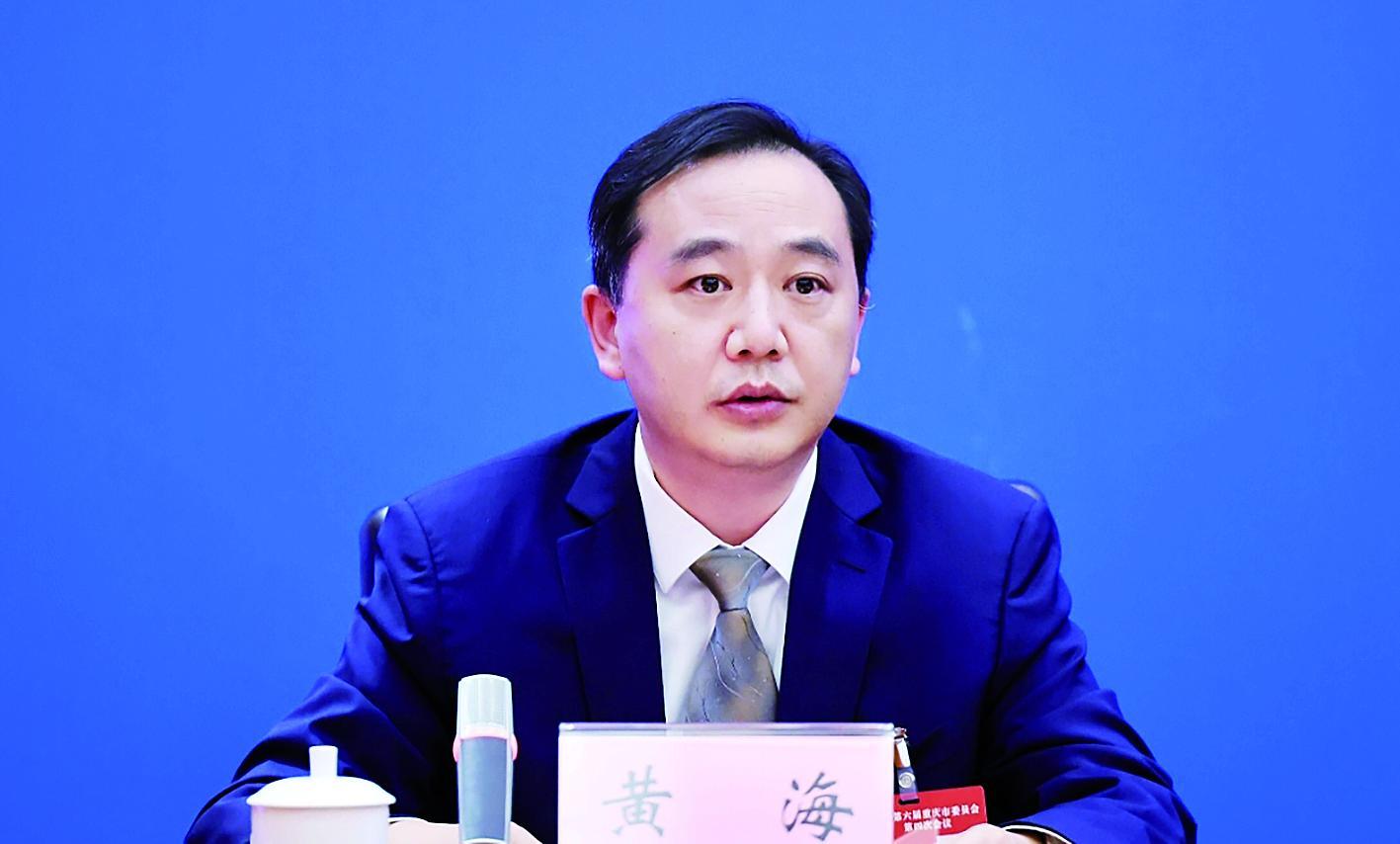
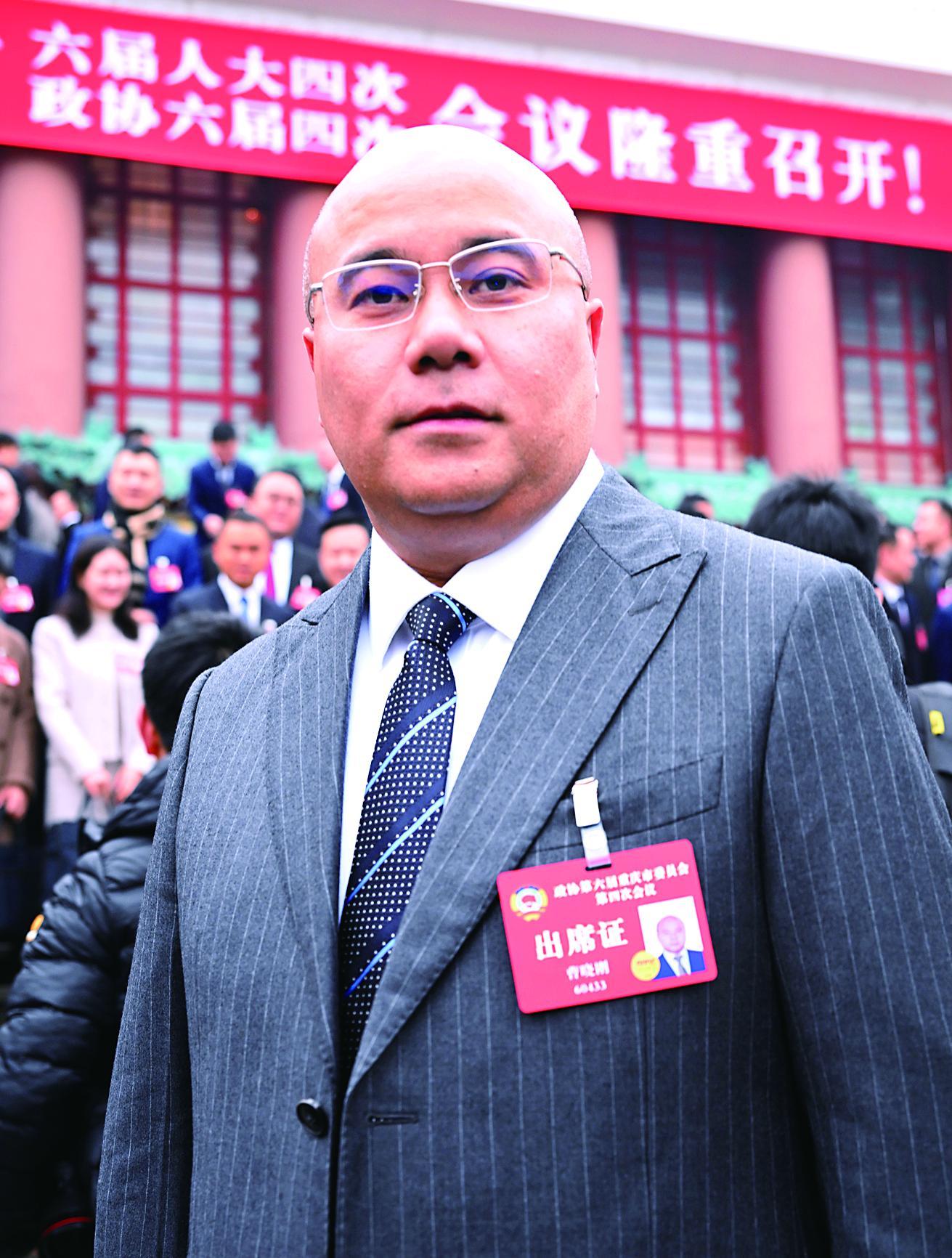
探路超大城市现代化治理 力建现代化人民城市 重庆市政协六届四次会议举行首场专题记者会,八位市政协委员现场分享所思所想及履职担当 1月28日,重庆市政协六届四次会议举行主题为"积极探索超大城市现代化治理新路子,高水平建设现代 化人民城市"专题记者会。邀请了两江新区政协主席张才明委员、重庆市城市管理局副局长李昌良委 员、重庆大学电气工程学院教授杨知方委员、重庆市大渡口区城市建设服务中心主任段兴华委员、重庆 市生态环境局生态环境监测处副处长陈泳霖委员、重庆市渝中区规划和自然资源局局长黄海委员、重庆 北仓文化创意集团董事长李传波委员、重庆市高级人民法院民事审判第一庭庭长孙玉涛委员共八位嘉 宾,分享各自在此方面的所思所想及作为政协委员的履职担当。 两江新区政协主席张才明: 两江因改革而生 必将因改革而兴 去年10月,国务院正式批复同意设立两江新区行政区。从开发区到行政区,肩负探路重任的两江新区准 备好了吗?又将如何作为?两江新区政协主席张才明在记者会现场分享说:"我作为一名既是两江新区 从功能区向行政区跨越发展的亲历者,也是一体化治理体制优势释放的见证者,今天带着新区群众的这 份期盼,和大家探讨'打造超大城市现代化治理 ...
超大城市现代化治理藏在这些细节里
Xin Lang Cai Jing· 2026-01-28 18:54
Core Viewpoint - The concept of a "15-minute high-quality living service circle" is based on ergonomic, urban planning, and public service efficiency principles, aiming to enhance residents' quality of life by ensuring essential services are within a 15-minute walking distance [5]. Group 1: Urban Planning and Development - The "15-minute" standard is derived from people's willingness to walk approximately one kilometer, balancing accessibility and convenience for daily activities [5]. - The planning aims to optimize urban resources, ensuring that essential facilities like markets and clinics are accessible without excessive construction costs or inconvenience [5]. - The concept supports a sustainable community structure, allowing for a diverse range of services to thrive within the designated area, thus enhancing local economies [5]. Group 2: Urban Governance and Management - Two Rivers New Area has a high urbanization rate of 94.51%, with a focus on modern governance to provide demonstrative cases for urban management in the western region of China [7]. - The area aims to enhance urban governance efficiency through digital integration, with plans for comprehensive digital oversight of urban management [7]. Group 3: Infrastructure and Safety - The city has over 230,000 kilometers of underground pipelines, which are being managed through a digital twin system to improve visibility and proactive risk management [8]. - The city aims to reduce pipeline damage incidents by 70% by 2025, enhancing emergency response efficiency and overall urban safety [8]. Group 4: Environmental Quality - The water quality in the Yangtze River basin has improved significantly, with the proportion of good water quality rising from 67% to 96.5% over the past decade [9]. - Air quality monitoring indicates that the number of days with good air quality has remained above 325 for six consecutive years, reflecting successful environmental management efforts [9]. Group 5: Community Services and Quality of Life - The initiative includes the establishment of 65 "15-minute high-quality living service circles," focusing on the needs of the elderly and children, with significant increases in community services such as senior dining facilities and childcare options [13]. - The city has launched numerous urban renewal projects, benefiting over 300,000 households by improving living conditions and community infrastructure [12].

15件重点民生实事 托举起“稳稳的幸福”
Xin Lang Cai Jing· 2026-01-28 18:54
Group 1: Urban Renewal and Development - The government work report emphasizes urban renewal, focusing on systematic upgrades rather than simple repairs, aiming to address public needs and revitalize old spaces [9][10] - In 2026, Chongqing plans to renovate over 1,200 old urban residential communities and initiate 40 new "good housing" projects, shifting housing construction from "full coverage" to "quality enhancement" [9][10] - The key principles for urban renewal include prioritizing public welfare, enhancing safety, functionality, environment, memory retention, management, and development [9] Group 2: Cultural Industry Development - The government work report outlines the expansion of new public cultural spaces and the promotion of nationwide reading, indicating a clear direction for cultural industry growth [11][12] - The report highlights the importance of providing high-quality cultural services and the responsibility of cultural workers to enhance public cultural service construction [11] Group 3: Rural Revitalization - The report details the development of modern ecological and efficient agriculture, aiming to create agricultural industry clusters and support new agricultural business entities [13] - A focus on integrating local resources with market demands is emphasized to improve villagers' incomes, with plans for expanding tea cultivation and developing other agricultural products [13] Group 4: Elderly and Child Care Services - The report mentions the establishment of 1,733 elderly canteens and an increase in childcare facilities, reflecting the government's commitment to elderly and child care services [14][15] - The initiative to create 50 comprehensive elderly care centers is highlighted as a significant project for enhancing the quality of life for the elderly population [14] Group 5: Green Transformation - The report stresses the importance of green development and pollution prevention, with a focus on sustainable practices and the promotion of a low-carbon economy [17][18] - The integration of ecological protection with economic development is emphasized, showcasing successful examples of transforming ecological advantages into economic benefits [18]
重庆持续推进超大城市现代化治理 打造一批“AI+”综合场景
Xin Lang Cai Jing· 2026-01-28 12:34
中新网重庆1月28日电 (梁钦卿)重庆市六届人大四次会议28日开幕,重庆市政府市长胡衡华在作政府工 作报告时表示,2026年,重庆将持续推进超大城市现代化治理,在应急管理、企业服务等重点领域打造 一批"AI+"综合场景。 2026年,重庆将推动数字重庆体系能力建设。实施数据质量提升行动,优化"渝快政""渝快办"服务质 效,增强"云网数端用"安全防护能力。建设高能级城市运行和治理智能中枢,推动多跨业务高效闭环处 置。持续增强"141"基层智治体系实战能力,构建协同高效的数智化履职能力体系。 重庆还将创新"大综合一体化"城市治理体制机制。推进综合治理,优化"一委一办一平台"治理架构,探 索建立城市治理可持续投入机制。推进智慧治理,深化AI赋能超大城市治理三年行动。推进安全治 理,实施市政设施加固补强工程。推进精细治理,开展中心城区城市环境提质焕新行动。推进共同治 理,健全社会力量参与基层治理机制,打造社区城市治理共同体。(完) 在优化城镇空间布局方面,重庆将增强中心城区核心功能,加快渝西地区、渝东新城与中心城区同城化 发展,推进渝东北一体化高质量发展,促进渝东南强县富民现代化。深入推进以区县城为重要载体的新 型城 ...
袁家军会见市政协港澳委员及侨界特邀人士
Xin Lang Cai Jing· 2026-01-27 17:52
1月27日上午,市委书记袁家军会见了参加市政协六届四次会议的港澳委员及侨界特邀人士。 市政协主席程丽华,市领导刘尚进、商奎、黄茂军、王昱参加。 全国政协委员,市政协常委、港澳台侨外事委副主任马浩文介绍市政协港澳委员2025年履职情况。宋碧 琪、黄威林、许小哲、林玉春、赵章傲5名港澳委员及侨界特邀人士代表发言,就服务社会民生、促进 青年成长、培育新型消费、助力渝企渝品出海等提出意见建议。 袁家军代表市委、市人大常委会、市政府、市政协和全市人民向长期以来关心支持重庆发展的港澳台同 胞、海外侨胞致以诚挚问候。袁家军说,2025年是很不平凡的一年。全市上下牢记习近平总书记殷殷嘱 托,聚焦做实"两大定位"、发挥"三个作用",纵深推进"六区一高地"建设,统筹做好高质量发展、高品 质生活、高效能治理各项工作,落实国家重大战略成效明显,产业结构加快优化升级,发展动力活力持 续激发,民生福祉不断改善,探索超大城市现代化治理新路子取得重要进展,奋力谱写中国式现代化重 庆篇章迈出新的坚实步伐。各位港澳委员和侨界人士情系巴渝热土,认真履职尽责,为助力现代化新重 庆建设、更好服务国家发展大局贡献了智慧和力量。 袁家军指出,今年是"十五 ...
两级人大三级司法,如何精准监督?
Xin Lang Cai Jing· 2026-01-11 23:23
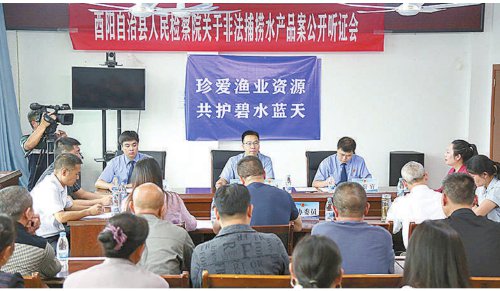
2025年7月22日,重庆市检察院第四分院辖区基层院将一起非法捕捞水产品案公开听证会搬到群众"家 门口",以身边案例向群众宣讲守护长江生态环境的法律知识。 聚焦西部陆海新通道建设中的痛点难点,在跨境犯罪打击、营商环境优化、涉外法治服务等领域持续发 力,建立定期会商、信息共享、人才交流等机制; 加强同共建"一带一路"国家检察交流互动,友好接待新加坡副检察长、柬埔寨副总检察长交流访问,成 功举办乌兹别克斯坦检察官研修班,在加强司法协作等方面增进共识; 在即将挂牌的两江新区检察院专设自由贸易试验区检察部……进一步加强对国际贸易、跨境投资等领域 司法保护,完善服务枢纽港产业园、自贸区、综保区等检察举措,以法治力量护航万企出海、渝贸全 球; ………… 这是2025年初,重庆市人大监察司法委《各中级法院、成渝金融法院、市检察院各分院、两江地区检察 院年度工作问题清单》印发后,重庆市三级检察机关坚持问题导向,进一步在"服务国家重大战略""助 力超大城市现代化治理""服务保障营商环境"等方面持续用力,作出的一系列"全力服务大局,更好保障 高质量发展"工作部署。 在此基础上,重庆市检察院五个分院及临江地区检察院,分别在万州区、 ...
重庆两江新区第一次党代会开幕当天,《两江时报》创刊
Xin Lang Cai Jing· 2026-01-10 15:25
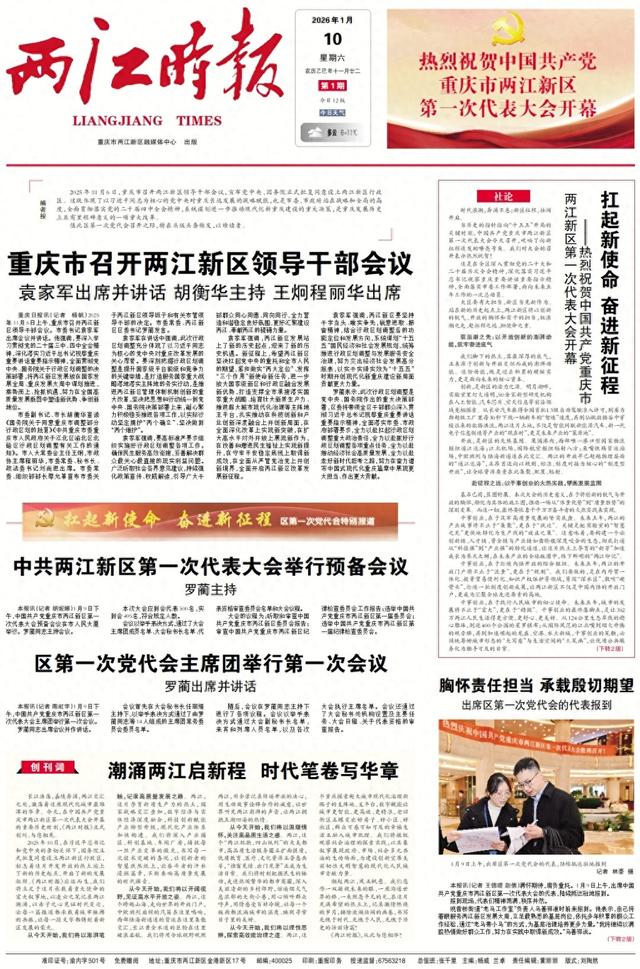
据重庆两江新区微信公众号消息,1月10日,在中国共产党重庆市两江新区第一次代表大会开幕的重要 历史时刻,《两江时报》正式创刊。 在重庆本轮区划调整中,依托两江新区国家级新区,撤销江北区、渝北区,设立两江新区。2025年11月 6日,微信公众号"重庆江北发布"、"渝北发布"双双致信用户称,因行政区划调整,本公众号即日起停 止运营。现诚邀您关注"重庆两江新区"微信公众号,我们将为您提供专业、全面的政策解读、资讯推送 及便民服务。 智通财经记者 钟煜豪 《两江时报》创刊词写道,2025年10月,在习近平总书记和党中央的亲切关怀下,国务院正式批复同意 设立两江新区行政区,标志着这片开发开放的热土站上了新的历史起点、开启了新的发展征程。《两江 时报》应运而生,我们将立足于这片承载着重大使命的宏大叙事地,以凌云之笔记录两江潮涌,以赤子 之心见证时代变迁,让每一篇报道都承载着城市脉搏的共振,让每一段文字都镌刻着新区发展的荣光。 创刊词还提到,两江,这个重庆探索超大城市现代化治理新路子的主阵地、主平台,数字赋能让城市更 智能、更高效、更精准,老旧街区正蝶变出好房子、好小区、好社区,群众可感可知可及的幸福生活正 融入城市肌理。 ...
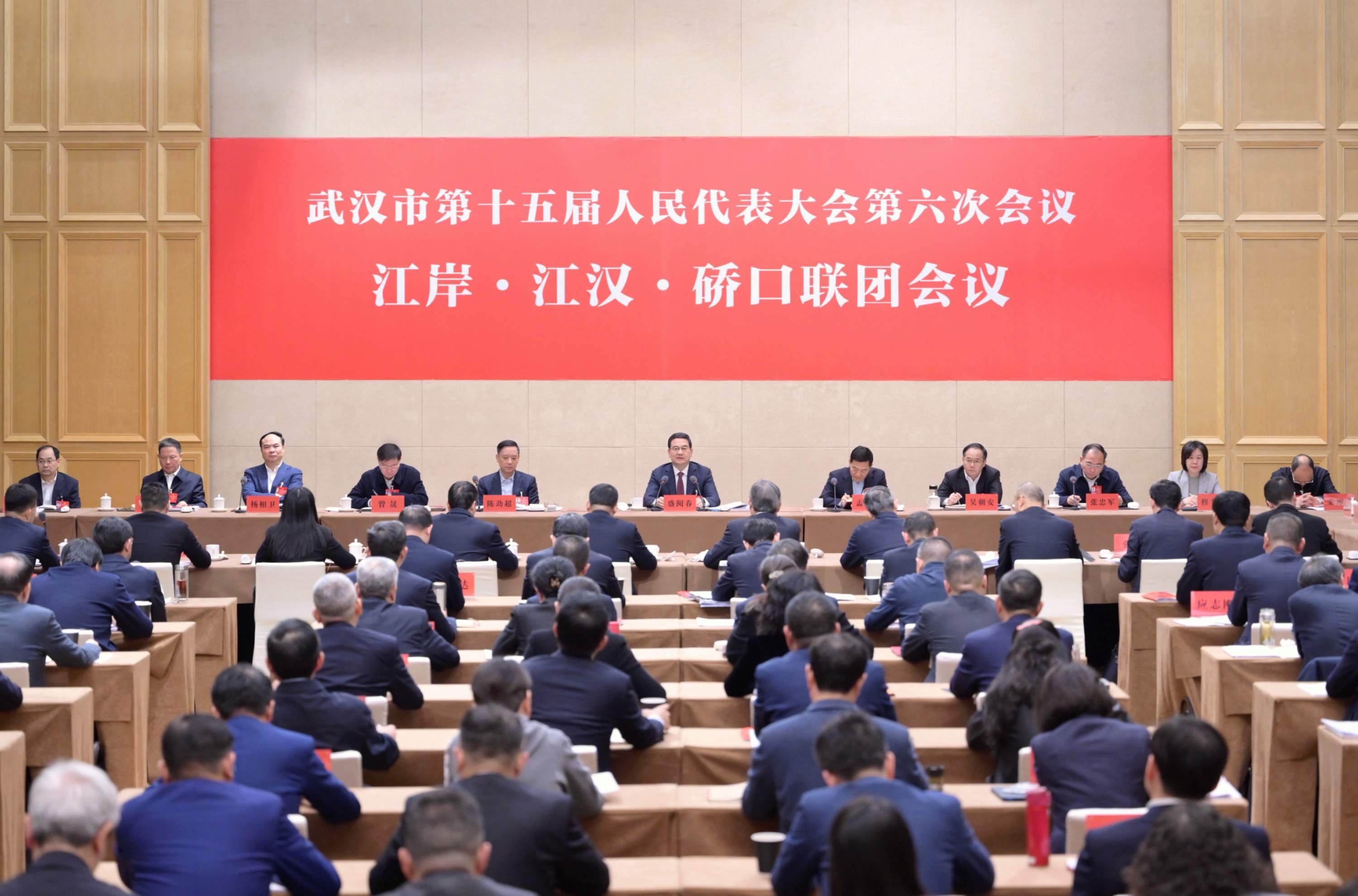
盛阅春参加江岸江汉硚口代表团联团审议:加快探索中心城区转型发展新路径,努力在全市高质量发展中走在前列
Chang Jiang Ri Bao· 2026-01-08 13:11
Core Viewpoint - The article emphasizes the importance of implementing the spirit of the 20th National Congress and the Central Economic Work Conference, focusing on achieving a strong start for the "14th Five-Year Plan" and promoting high-quality development in Wuhan [1][4]. Group 1: Development Goals and Strategies - The city government report aligns with the directives from the central and provincial levels, aiming to build "five centers" and modernize Wuhan during the "14th Five-Year Plan" period [4]. - The city is expected to leverage its comprehensive advantages, including strategic positioning, high technology, and favorable market conditions, to enhance its development during the "14th Five-Year Plan" [5]. - The focus will be on economic growth, expanding characteristic industries, and modernizing urban governance, with an emphasis on improving living standards and addressing public concerns [6]. Group 2: Responsibilities and Actions - Key districts such as Jiang'an, Jianghan, and Qiaokou are identified as crucial for the city's overall development, with a call for responsible leadership and clear objectives [6]. - The city aims to maintain economic momentum, develop modern services, cultural tourism, and digital economy, and enhance urban management through quality urban renewal [6]. - There is a commitment to improving public welfare and ensuring safety and stability, with a focus on strict governance and adherence to party regulations [6].
“4+4+N”融合指挥调度体系 激活超大城市治理新动能
Xin Lang Cai Jing· 2026-01-07 18:15
此外,该区还将聚焦成渝地区双城经济圈建设、产业发展、城乡融合等十大重点工作,着力打造一批彰 显北碚特色、具有示范效应的数字化应用场景,为超大城市现代化治理注入持久动能。 上游财经-重庆晨报记者 陈军 1月7日,记者从北碚区获悉,该区通过"融合一体"特质,整合交通、公安、城管、环保等部门的数据和 数字化系统平台,累计接入重点领域感知点80万个,在线率保持99%以上。自2025年12月3日数字化调 度岗设立以来,线上巡查交办问题433个,整改率达100%。 1月6日,北碚区以"全区数智赋能经济社会高质量发展工作推进会"作为2026年"第一会"。会上宣布的北 碚"4+4+N"融合指挥调度体系,通过北碚区委、区政府值班室+常驻部门+重点单位派专人与区治理中心 融合办公,全面强化感知触发、信息获取、指令传达、协同调度、任务落实等核心职能,实现从"被动 响应"到"主动发现"、从"分散处置"到"协同联动"的治理模式升级,推动治理资源整合、力量聚合、效 能融合,以适应超大城市现代化治理新形势。 ...