通用AI Agent

Search documents
曾火爆全网!中国90后的公司,被扎克伯格巨资买下
Nan Fang Du Shi Bao· 2025-12-30 22:56
Core Insights - Meta has acquired Manus, a company known for its AI agent technology, for a deal worth several billion dollars, marking Meta's third-largest acquisition to date, following WhatsApp and Scale AI [1][8] - Manus will continue to operate independently while integrating with Meta's core consumer products [1][8] Company Overview - Manus, developed by the startup Butterfly Effect, gained significant attention in March when its invitation codes were sold for as much as 100,000 yuan, highlighting its popularity in the tech community [3][4] - The company was founded in April 2022 by Xiao Hong, who previously developed successful WeChat plugins [5] Product Details - Manus is described as the first true general AI agent, capable of independently thinking, planning, and executing complex tasks, such as sorting resumes based on specific criteria [3][4] - The product has processed over 147 trillion tokens and created more than 80 million virtual computers since its launch, with an annual recurring revenue (ARR) exceeding 100 million dollars as of mid-December [7] Investment and Financials - Before the acquisition, Manus completed four rounds of financing, with valuations increasing from 14 million dollars in February 2023 to nearly 500 million dollars by April 2025 [6][7] - The investment landscape includes participation from top venture capital firms and tech companies, indicating strong interest and confidence in Manus's potential [8]


买下Manus Meta的焦虑解药来了
Di Yi Cai Jing· 2025-12-30 03:24
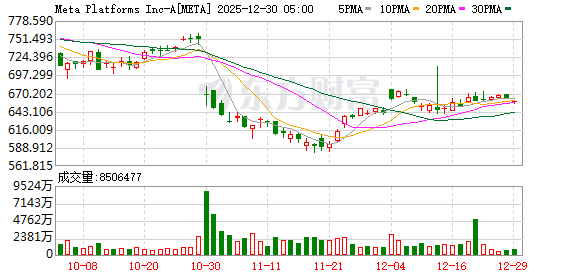
Core Insights - Manus is set to be acquired by Meta, marking Meta's third-largest acquisition in history, with a price in the billions, following the $19 billion acquisition of WhatsApp in December 2014 and the $14 billion acquisition of Scale.ai in June 2025 [2] - Manus has processed over 147 trillion tokens and created over 80 million virtual computers since its launch, indicating its significant capabilities in the AI agent space [2] - The acquisition is expected to enhance Manus's strategic position in AI applications, allowing for scalable and reliable systems to execute user tasks in real-world scenarios [2] Company Summary - Manus CEO Xiao Hong expressed optimism about the partnership with Meta, emphasizing that the acquisition will allow Manus to grow on a stronger foundation without altering its operational methods [3] - The acquisition process was rapid, taking only about ten days, and is seen as an encouragement for young entrepreneurs in the AI sector [3] - Prior to the acquisition, ByteDance had offered approximately $30 million for Manus, highlighting the competitive interest in the company [3] Industry Summary - The acquisition reflects a shift in industry competition from foundational models to application-level capabilities, as noted by industry experts [5] - Meta's aggressive strategy in 2025 aims to catch up with competitors like OpenAI and Google, although its effectiveness has been questioned, as indicated by Morgan Stanley lowering Meta's target price from $820 to $750 [4] - The acquisition of Manus is viewed as a way for Meta to address its shortcomings in productization and commercialization within the general intelligence domain, although it does not resolve ongoing issues related to model performance and infrastructure [4]
Meta 突然百亿收购Manus,小扎再收百人团队,肖弘任副总裁!季逸超感叹:两个辍学生的道路交汇了
AI前线· 2025-12-30 02:14
Core Insights - Manus has been acquired by Meta for several billion dollars, marking Meta's third-largest acquisition to date, following WhatsApp and Scale AI [5] - The acquisition is seen as a recognition of Manus's work in the general AI agent field, with Manus's founder, Xiao Hong, becoming Meta's Vice President [6] - Manus aims to enhance its AI capabilities while maintaining its operational independence, focusing on delivering exceptional user services [6][12] Group 1: Acquisition Details - The acquisition amount is reported to be in the range of several billion dollars, with Manus previously valued at $2 billion before the acquisition [5] - Prior to the acquisition, ByteDance attempted to acquire Manus for $30 million but was declined [5] - Manus has processed over 147 trillion tokens and created over 80 million virtual machines since its launch [6] Group 2: Company Strategy and Vision - Manus's collaboration with Meta is expected to solidify its strategic position in AI applications, transforming advanced AI capabilities into scalable and reliable systems [6] - The company emphasizes a user-centric approach, ensuring that changes from the acquisition will not disrupt user experience [6] - Manus's core philosophy is "Less structure, more intelligence," allowing the AI to autonomously determine task execution steps without predefined workflows [26] Group 3: Market Reception and Industry Impact - The acquisition has been largely celebrated within the industry, viewed as a success story for startup founders, particularly among Chinese entrepreneurs [8] - However, there are concerns regarding the sustainability of independent startups in the face of large tech companies dominating the AI space [8] - The acquisition reflects Meta's significant financial resources and ambition in the AI sector, with some skepticism about its strategic direction [9] Group 4: Future Directions - Manus plans to expand its capabilities to operate across more platforms, including Windows and Android, enhancing its versatility [54] - The company is working towards creating an AI product that can provide continuous support and proactive assistance to users [55] - Manus aims to shift from relying solely on organic growth to implementing more traditional marketing strategies to reach a broader audience [59][60]

官宣,小扎数十亿美元买下Manus,93年创始人成Meta副总裁
3 6 Ke· 2025-12-30 00:42
Group 1 - Meta has acquired Manus, the parent company of the popular general-purpose AI Agent product, Butterfly Effect, which will continue to operate and integrate into Meta's consumer and enterprise product ecosystem [1][6] - The acquisition is valued at several billion dollars, making it Meta's third-largest acquisition since its inception, following WhatsApp and Scale AI [5][9] - Manus has processed over 147 trillion tokens and created over 80 million virtual machines since its launch, indicating significant operational scale [5][9] Group 2 - Manus achieved a remarkable growth from $0 to $100 million in Annual Recurring Revenue (ARR) within 8 months [7] - The company has undergone multiple funding rounds, with post-money valuations increasing from $1.4 million in February 2023 to nearly $500 million in April 2025 [7][8] - The AI Agent sector is transitioning from concept to large-scale application, with Manus demonstrating rapid valuation growth and potential in this emerging market [9]
Manus 8 个月突破 1 亿美金 ARR,让我眼前一亮的语音 AI 产品种子轮拿了 4000 多万美金
投资实习所· 2025-12-18 05:35
Group 1 - Manus has achieved an annual recurring revenue (ARR) of over 100 million USD, making it the fastest startup to reach this milestone from zero [1] - The total annualized revenue run rate for Manus exceeds 125 million USD, which includes usage-based revenue and other business income [1] - Since the release of version 1.5, Manus has experienced a monthly compound growth rate of over 20% [1] Group 2 - The recent version of Manus allows for mobile app development, enhancing its capabilities beyond web applications [1] - Users have reported positive experiences in developing complete mobile apps using Manus, indicating a growing user base, particularly in Japan [2] Group 3 - Manus has processed over 147 trillion tokens and created more than 80 million virtual computing instances since launching its first general agent [3] Group 4 - Manus has shared valuable insights on building general AI agents, emphasizing the importance of context management over model fine-tuning for improved efficiency [5][6][7] - Key strategies include prioritizing KV caching, using masking instead of removing tools, and treating the file system as external memory to enhance model performance [5][6][7] Group 5 - The future of agents lies in effectively shaping context, where well-designed memory, environment, and feedback loops can lead to significant performance improvements [8] - A new promising AI product in the voice AI sector has raised over 40 million USD in seed funding, indicating a large and overlooked market [8]

OpenAI杀入通用AI Agent的背后:四大技术流派与下一个万亿流量之战
3 6 Ke· 2025-08-03 09:57
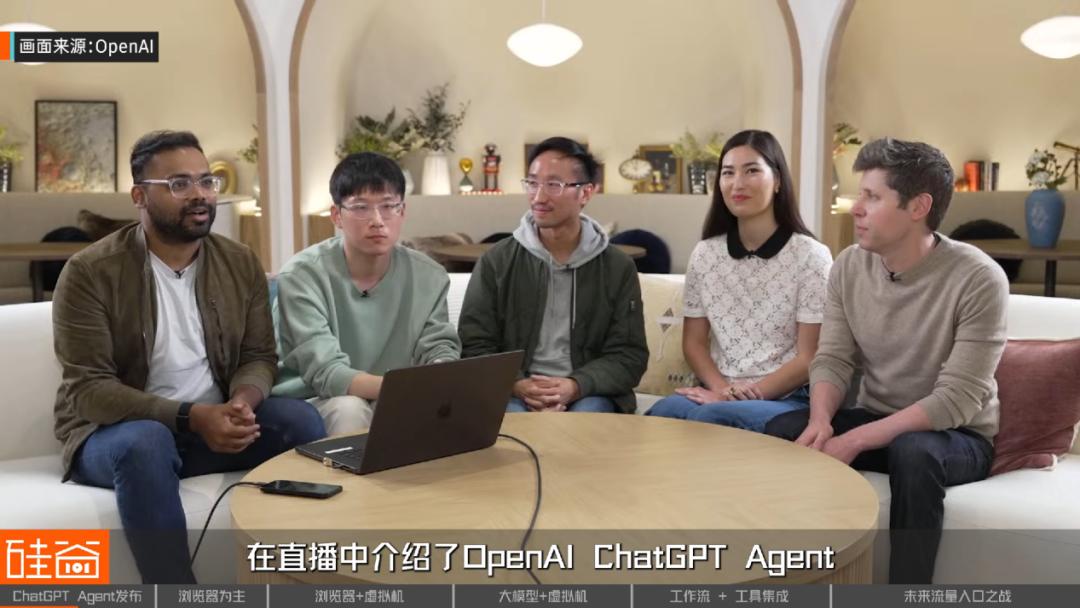
Core Insights - OpenAI officially launched ChatGPT Agent on July 17, marking its entry into the general AI Agent market, which is anticipated to reshape the internet landscape and become a trillion-dollar traffic entry point [1][50] - The emergence of ChatGPT Agent raises questions about whether the market will be dominated by tech giants or if startups can maintain a foothold due to technological barriers and differentiated approaches [1][39] Summary by Categories 1. ChatGPT Agent Launch - The introduction of ChatGPT Agent signifies the opening of the general AI Agent battlefield, with OpenAI's CEO Sam Altman and researchers presenting the product in a live stream [1] - The launch is seen as a strategic move ahead of the anticipated GPT-5 release, suggesting a competitive response to emerging AI startups [1] 2. Functionality and Tools - ChatGPT Agent can assist users in various tasks, such as ordering products online or generating presentations, driven by two tools: Deep Research and Operator [2][4] - Deep Research focuses on in-depth analysis and report generation, while Operator allows users to perform specific actions on the web [4] 3. Technical Approaches - The article outlines four main technical approaches in the AI Agent space: - **Browser-based Approach**: OpenAI's ChatGPT Agent operates primarily through web browsers, allowing extensive access to online information but suffers from slow performance and high token consumption [7][12] - **Sandbox + Browser Approach**: Manus combines a sandbox environment with browser capabilities, offering high local execution efficiency but limited external access [14][20] - **Large Model + Sandbox Approach**: GensPark utilizes a large language model within a sandbox, sacrificing generality for speed and stability, focusing on specific tasks [24][28] - **Workflow + Tool Integration Approach**: Companies like Pokee integrate pre-designed workflows with third-party tools, resulting in faster execution but limited generality [32][34] 4. Future of AI Agents - The competition in the AI Agent market is expected to intensify, with the potential for agents to become the primary means of internet interaction, leading to a decline in traditional web traffic [39][41] - The concept of "ghost clicks" suggests that future internet traffic will be driven by agents rather than human users, fundamentally altering advertising and information dissemination models [41][45] 5. Market Dynamics - OpenAI's entry into the general AI Agent market is seen as a pivotal moment, with implications for both existing companies and new entrants aiming to capture market share [1][42] - The article emphasizes the need for companies to enhance user retention and reliability through specialized workflows and tools, rather than solely relying on broad capabilities [36][37]
OpenAI杀入通用AI Agent背后:四大技术流派与下一个万亿流量之战
Hu Xiu· 2025-08-03 08:22
Core Insights - The introduction of ChatGPT Agent marks the beginning of a competitive landscape for general AI agents, potentially reshaping the market dynamics and becoming a significant traffic entry point for the next generation of the internet [2][3][64]. Group 1: ChatGPT Agent Overview - OpenAI's ChatGPT Agent was introduced on July 17, showcasing its ability to assist users in various tasks, such as ordering products or generating presentations [4][5]. - The ChatGPT Agent integrates two previously separate tools, Deep Research and Operator, to combine search and execution capabilities [8][10]. Group 2: Technical Approaches in AI Agents - There are four main technical approaches in the AI agent landscape: browser-based, sandbox virtual machine, large model with sandbox, and workflow plus tool integration [11][59]. - The browser-based approach, exemplified by OpenAI's ChatGPT Agent, offers high versatility but suffers from slow performance and high token consumption [12][15][20]. - The sandbox virtual machine approach, represented by Manus, provides high local execution efficiency but has limited access to external services [23][33][38]. - The large model with sandbox approach, as seen in GensPark, sacrifices generality for speed and stability, focusing on specific workflows [40][51]. - The workflow plus tool integration approach, utilized by companies like Pokee, emphasizes speed and delivery but lacks general applicability [52][57]. Group 3: Market Dynamics and Future Trends - The competition in the AI agent market is expected to intensify, with the potential for new companies to emerge as leaders [66][69]. - The concept of "ghost clicks" suggests that future internet traffic will be driven by agents rather than human users, leading to significant changes in advertising and content monetization [67][72]. - OpenAI's ChatGPT currently handles approximately 2.5 billion user commands daily, equating to an annualized volume of 912.5 billion, which represents 18% of Google's annual search volume [75][76].

从OpenAI杀入通用AI Agent,看懂下一个万亿流量之战与四大技术流派
Hu Xiu· 2025-08-01 07:42
Core Insights - OpenAI has entered the general AI Agent market with the launch of ChatGPT Agent, aiming to capture future "traffic entry points" [1] - The product is perceived as a hasty response rather than a well-thought-out strategy, with subpar performance according to industry experts [1] - Existing competitors like Manus and Genspark have already established their presence in the Agent space, raising questions about OpenAI's technological differentiation [1] Technology Analysis - The current landscape of general AI Agents features four major technological factions: browsers, virtual machines, large language models, and workflow integration [1] - Each faction has its own operational principles and advantages, as well as drawbacks, highlighting the trade-offs made between "universality" and "stability" [1] Future Implications - As AI Agents become the primary interface for internet interactions, traditional web traffic is expected to decline rapidly, leading to significant shifts in the competitive landscape among major players [1] - The advertising ecosystem is likely to be disrupted, prompting a reevaluation of strategies by companies in this space [1] - The question remains as to which entity will emerge as the ultimate winner in this trillion-dollar traffic entry point battle [1]
字节、百度涌入8500亿蓝海,Manus式的创业机会还有吗?
创业邦· 2025-06-11 03:20
Core Viewpoint - The article emphasizes the rapid growth and potential of AI Agents, predicting that 2025 will be a significant year for their widespread application across various industries, enhancing efficiency and creating substantial business value [2][3]. AI Agent Market Overview - OpenAI's founder Sam Altman predicts that AI Agents will save time and improve efficiency across industries, acting as "digital employees" capable of performing tasks like research, booking flights, and coding [2]. - The Chinese AI Agent market is projected to exceed 850 billion yuan by 2028, with a compound annual growth rate of 73% [4]. Investment Trends - Major tech companies like Microsoft and Google are heavily investing in AI Agents, with Microsoft CEO Satya Nadella stating that Agents will drive more applications [6]. - In China, startups like Manus and Genspark have gained significant attention and funding, with Manus raising $75 million and Genspark securing $160 million in investments [7][8]. Competitive Landscape - The article highlights a shift in investor sentiment towards vertical AI Agents rather than general-purpose ones, as large companies dominate the general market [4][10]. - Investors believe that focusing on niche markets will yield better opportunities compared to broad consumer-targeted AI Agents [4][10]. Challenges for General AI Agents - The entry of large companies into the general AI Agent space is seen as a threat to startup projects, which may struggle without sufficient resources and technology [11]. - Existing general AI Agent startups like Manus face challenges in scaling and competing against established players with more resources [11]. Vertical AI Agent Opportunities - Vertical AI Agents are gaining traction, with several startups receiving significant funding for specialized applications in areas like design and customer service [14][15]. - Companies that leverage existing industry knowledge and customer bases to develop vertical AI Agents are likely to have a higher success rate [16]. Future Outlook - The article suggests that while vertical AI Agents currently have an edge, the evolving landscape may allow for opportunities in both vertical and general AI Agent markets [25]. - The integration of generative AI into daily life is expected to continue, with significant increases in usage metrics reported by major platforms [21].
省下十万!智能体Manus向用户免费开放,中文版正在开发
Nan Fang Du Shi Bao· 2025-05-13 03:35
Group 1 - Manus AI has opened access to its product, allowing all users to complete one task daily for free and earn 300 points, along with a one-time bonus of 1000 points [1] - The product, Manus, was previously in high demand with 2 million users on the waiting list, and its invitation codes were sold for as much as 100,000 yuan on secondary markets [1] - Manus is described as the first true general-purpose AI agent capable of independent thinking, planning, and executing complex tasks [1] Group 2 - Manus AI has formed a strategic partnership with Alibaba's Tongyi Qianwen team to develop a Chinese version of Manus, leveraging open-source models and local computing platforms [2] - The company recently completed a funding round led by Silicon Valley venture capital firm Benchmark, raising $75 million (approximately 546 million yuan) [2] - This funding round has increased Manus AI's valuation to nearly $500 million (approximately 3.644 billion yuan), representing a fivefold increase from its previous valuation [2]