AI生图

Search documents
Nano Banana 2免费上线,超Pro版本100分登顶竞技场,API价格还对半砍了
3 6 Ke· 2026-02-27 09:50
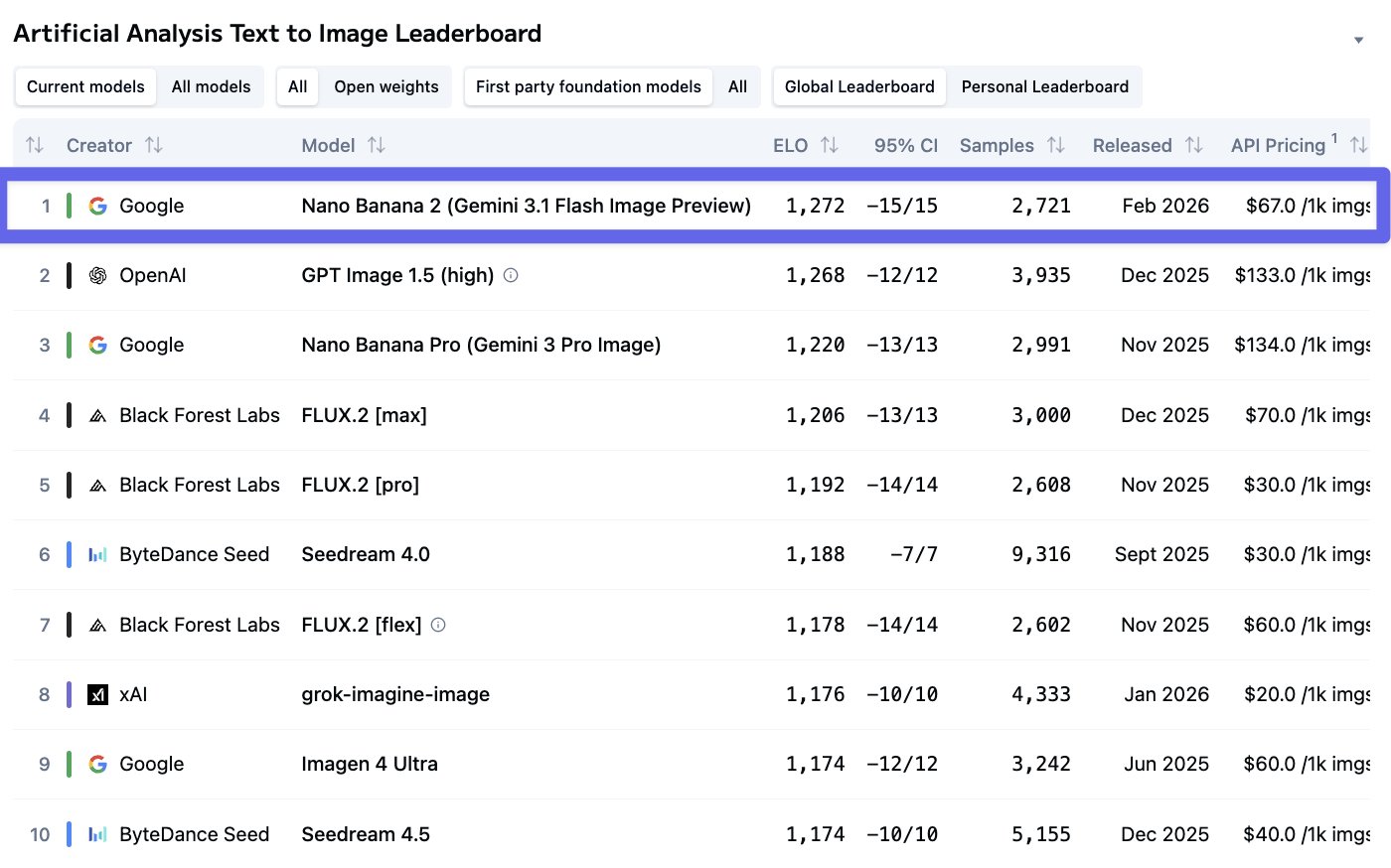
谷歌趁热打铁,Nano Banana 2这就上线了! 本来Nano Banana就还是AI生图届顶流,这一次2代版本推出,直接在竞技场上又超了Pro版本100分,主打一个我自己的王座自己来抢(doge)。 | = Rank by | 5 | | Text-to-Image Arena Text Rendering | | | | | --- | --- | --- | --- | --- | --- | --- | | | | | | View overall rankings across Al image models based on their ability to generate images that accurately deliver on text-based prompts. | | | | Models Labs | | ( Feb 25, 2026 | ▽ 992,257 votes 日 50 models | | | | | E Categories (8) | < | | | | | | | | | * Hide Filters | | | | Q | | Overall | | ...


谷歌Nano Banana 2来了,设计师时代结束了?
Di Yi Cai Jing· 2026-02-27 05:54
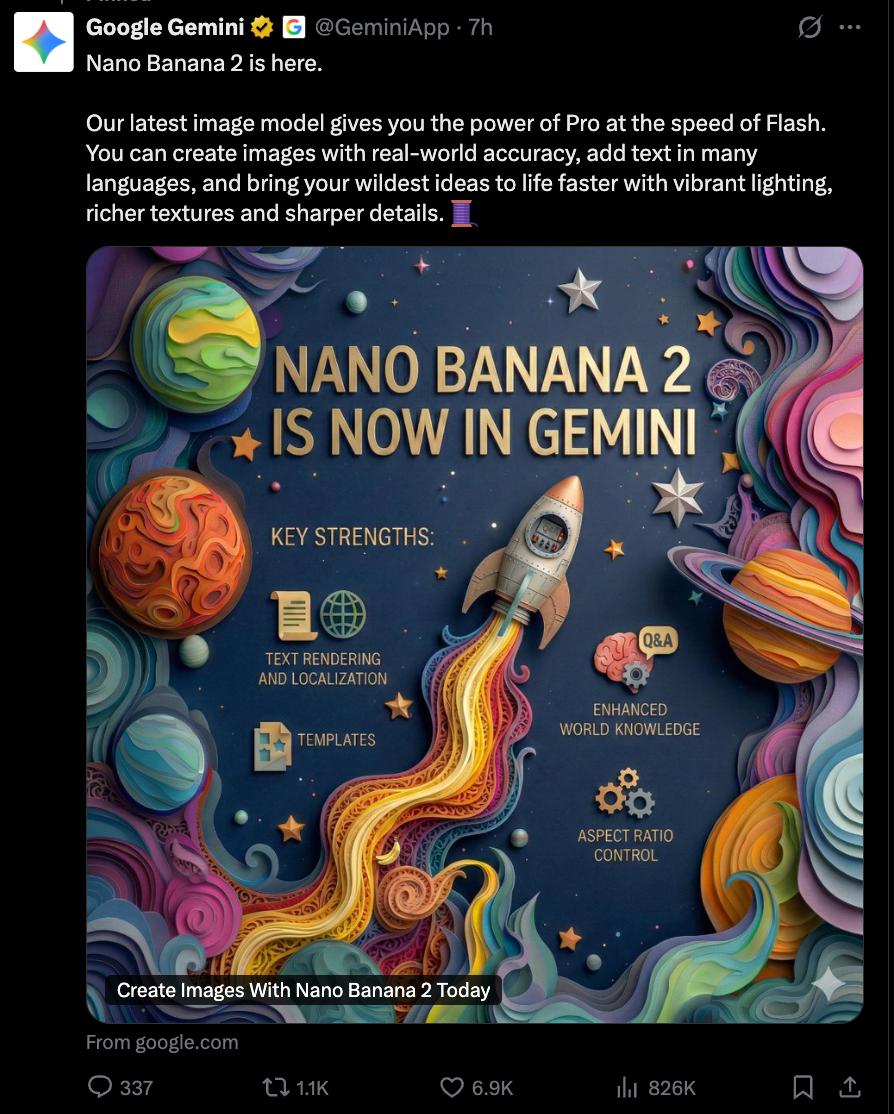
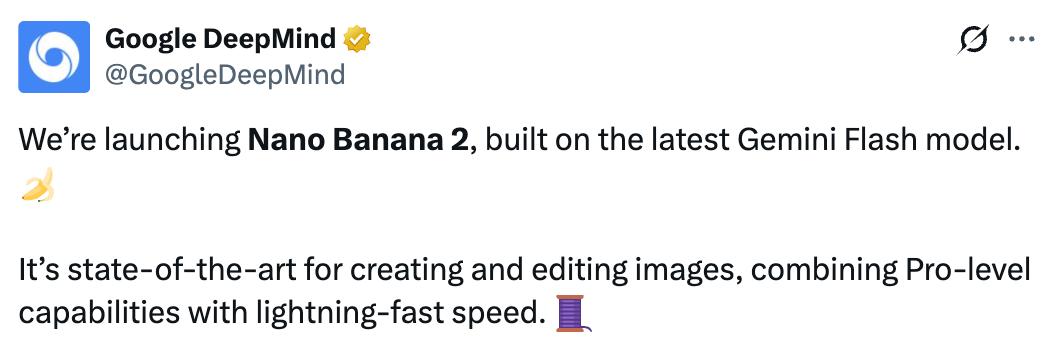
谷歌再次刷新文生图榜单。 去年8月,谷歌发布了Gemini图像模型Nano Banana,一度全网刷屏,成为现象级产品,同年11月,谷歌又发布了Nano Banana Pro,提供更高级的智能功能和 工作室级别的创意控制。 北京时间2月27日凌晨,谷歌又更新了,这次是Nano Banana 2(Gemini 3.1 Flash Image),兼具了速度和Pro版的性能,同时价格也更便宜了。谷歌表示,这 是团队目前最好的图像生成和编辑模型。 | Current models | All models | All | Open weights | First party foundation models | All | Global Leaderboard | Personal Leader | | --- | --- | --- | --- | --- | --- | --- | --- | | 11 | Creator TJ | | Model 17 | | ELO TT | 95% Cl | Samples TJ | | 1 | G Google | | | Nano Banana 2 (Gemini 3 ...
告别“鬼画符”!谷歌Nano Banana 2深夜空降,强势修复文字短板,AI生图进入“闪电时代”,价格直降37%
Jin Rong Jie· 2026-02-27 02:13
北京时间2月27日深夜,谷歌在没有任何预热、没有发布会的情况下,把一个新的生图模型悄悄塞进了 Gemini 平台——Nano Banana 2。上线的方式也很"谷歌":一边在官方博客和文档里更新说明,一边在 X(原 Twitter)上甩出几张对比图和基准测试成绩,让开发者自己"拆箱"。 如果你最近用过 Gemini 的图像生成,很可能已经注意到一个细节:进度条旁边偶尔会闪过一行"正在加 载 Nano Banana 2"。这个名字听起来有点戏谑的模型,正在把过去一年多积累的 Pro 级能力,批量下放 到 Flash 级的速度里。 从"像素模仿"到"视觉导演" Nano Banana 2 的官方代号是 Gemini 3.1 Flash Image,底层架构从上一代的 Gemini 2.5 Flash 升级到了 3.1。用官方的话说,它的定位是:用 Flash 的速度,跑出 Pro 的质量。在 Gemini 产品矩阵里,它正在 逐步取代旧版 Nano Banana,成为默认的图像生成模型,而 Nano Banana Pro 则退守到对事实准确性要 求极高的专业场景。 如果只看分辨率和参数,升级似乎不算夸张:输出从 ...
谷歌生图新王Nano Banana 2深夜突袭,性能屠榜速度飞升,价格腰斩
3 6 Ke· 2026-02-27 00:15
实测1分钟生成4K图片,时钟难题终于破解了。 智东西2月27日报道,刚刚,谷歌正式发布其最强图片生成和编辑模型Nano Banana 2(Gemini 3.1 Flash Image),该模型已在谷歌Gemini应用、搜索、AI Studio等谷歌全线产品中上线。 谷歌官宣Nano Banana 2发布 Nano Banana 2兼具Pro级功能与Flash级速度,在世界知识、图像质量、推理能力和主体一致性等方面实现了全面升级,在基准测试中大幅超越了GPT- Image 1.5、Seedream 5.0 Lite、Grok Imagine Image Pro等业界领先模型,配合思考模式、文本和图像搜索工具则全面超越Nano Banana Pro。 Nano Banana 2基准测试成绩 智东西第一时间对Nano Banana 2进行了体验,发现Nano Banana 2生成图片细节逼真度增强,指令精准执行上表现超出预期,文字渲染能力和中国传统文 化储备提升,且在处理复杂场景方面明显提升。 Nano Banana 2生成 Nano Banana Pro生成,提示词:一位年约60岁的亚洲渔夫的超高清面部特写,海浪 ...
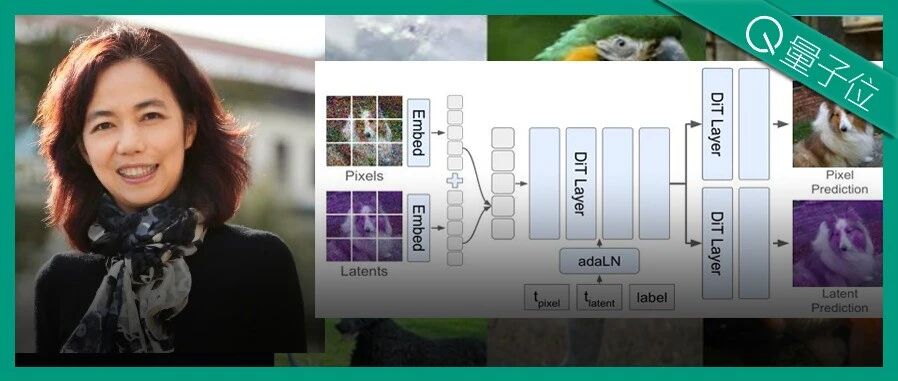
李飞飞团队新作:简单调整生成顺序,大幅提升像素级图像生成质量
量子位· 2026-02-14 10:09
闻乐 发自 凹非寺 量子位 | 公众号 QbitAI 长期以来,AI生图被一个经典矛盾困扰。 潜空间模型效率高,但细节有损耗;像素空间模型保真度高,却容易结构混乱、速度慢。 要么快要没准,大家几乎默认这是架构带来的取舍问题,没法彻底解决。 但扩散模型生图,顺序真的对吗? 李飞飞团队最新论文提出的 Latent Forcing 方法直接打破了这一共识,他们发现 生成的质量瓶颈不在架构,而在顺序 。 简单说就像画画必须先打草稿再填色,AI也需要一个「先定结构、后填细节」的强制逻辑。 Latent Forcing仅通过重排生成轨迹,像素扩散模型不仅找回了效率,更在多项指标上刷新SOTA。 传统方法瓶颈 在深入了解Latent Forcing之前,咱先来说说当前两大方法的瓶颈。 传统像素级扩散模型之所以画图会画歪,是因为它在降噪过程中,高频的纹理细节往往会干扰低频的语义结构。 模型常常在还没搞清楚物体的整体轮廓时,就被迫去预测局部的像素颜色,其实这在本质上就违背了视觉生成的自然逻辑。 于是李飞飞团队思考—— 能不能既保留像素级的无损精度,又获得潜空间的结构引导? 先打个草稿 Latent Forcing的答案是—— ...
这个春节P图不求人!小红书开源图像编辑新SOTA
量子位· 2026-02-12 11:00
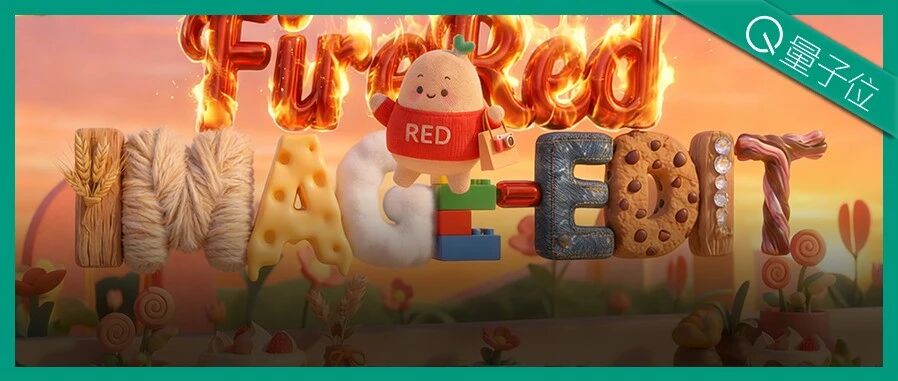
允中 发自 凹非寺 量子位 | 公众号 QbitAI AI生图领域,又出了个"狠角色"。 今日,小红书基础模型 FireRed-Image-Edit 正式亮相。 FireRed-Image-Edit之所以能被称为"狠角色",不仅在于榜单上的惊艳表现,更源于小红书团队为其量身定制的一套"高难度考卷"与"进阶版 练功房"。 1、重新定义标准:RedEdit Bench 在AI生图领域,现有的基准测试往往难以覆盖用户真实的复杂需求。为此,团队推出了 RedEdit Bench 这一深度评测方案。 全场景覆盖 :包含15个子任务。除了常规的画面增删改外,该评测集还前瞻性地纳入了 人像美化、低画质增强 等高频实战场景。 对比结果显示,FireRed-Image-Edit凭借 更精准的理解力、更强的ID保持度及高效的架构 ,在多项权威测试中脱颖而出,在ImgEdit、 GEdit等多个榜单中取得了 SOTA ,达到业界领先水平。 △ 主流榜单和自建评测集上的指标对比 这种高效架构背后的技术底座,来自小红书Super Intelligence Team在图像生成与编辑领域的一次重要探索。 划重点!目前该 项目代码、技术报告 ...
春节前打响“百模大战”:AI生图为何突然“开窍”了?
Xin Lang Cai Jing· 2026-02-12 07:27
Core Insights - The release of Alibaba's Qwen-Image-2.0 and ByteDance's Seedream 5.0 marks a significant moment in the AI image generation sector, showcasing advancements in controllable generation, text restoration, and multi-scenario adaptation [2][31][32] - The evolution of AI image generation has transitioned from niche applications to mainstream usage within four years, with key milestones including the success of Midjourney in 2022 and the emergence of Google’s Nano Banana in 2025 [2][30][31] Group 1: Technological Advancements - The past year has seen a qualitative shift in AI image generation capabilities, moving from mere image creation to practical applications that emphasize controllability, narrative ability, and real-world applicability [4][32] - Key breakthroughs include: - Multi-modal native integration, allowing for accurate text generation alongside images [6][33] - Alignment with physical world principles, ensuring generated images adhere to realistic lighting, material textures, and spatial relationships [6][33] - Enhanced controllability, enabling precise detail adjustments without affecting the overall image [6][33] - Dynamic narrative capabilities, allowing AI to understand complex requirements and generate comprehensive outputs [6][33] Group 2: Competitive Landscape - The competition in the AI image generation market has intensified, with Qwen-Image-2.0 and Seedream 5.0 representing the latest advancements from leading domestic firms, while Nano Banana has opened up the market to a broader audience [4][31][32] - The industry is shifting from creative exploration to efficient production, with a focus on controllability and scene adaptability becoming critical evaluation metrics [24][52] - Current competitive focal points include: - Controllability, ensuring precise response to user demands [52] - Scene adaptability, with models being tailored for specific applications such as e-commerce and video production [52] - Ecosystem integration, making tools accessible and user-friendly [52] Group 3: Future Directions - The future of AI image generation is expected to see increased accessibility, with lightweight technologies enabling smooth operation on various devices [26][54] - Future models are anticipated to better understand user needs, interpreting underlying intentions rather than just executing commands [53][54] - There will be a deeper integration of technology with specific scenarios, allowing for streamlined processes in fields like e-commerce and video production [54]

阿里、字节同日上新图像生成模型,对标Nano Banana Pro
Mei Ri Jing Ji Xin Wen· 2026-02-12 00:50
Core Insights - The competition between Chinese tech giants Alibaba and ByteDance in AI image generation is intensifying, with both companies launching new models aimed at competing with Google's Nano Banana Pro [1][2] - Alibaba's Qwen-Image-2.0 focuses on semantic understanding and practical editing, while ByteDance's Seedream5.0Preview emphasizes image retrieval and fine-tuning capabilities [1][2] Group 1: Model Features - Alibaba's Qwen-Image-2.0 supports 1K tokens for long text input and 2K high resolution, enhancing the ability to render complex instructions and generate professional presentations [2] - The model integrates image generation and editing into a single framework, significantly improving performance compared to previous versions [2] - ByteDance's Seedream5.0Preview offers 2K and 4K resolution outputs, currently available for free trials on its platform [2] Group 2: Industry Applications - AI image generation technology is expanding beyond visual creation to enterprise-level applications, particularly in e-commerce and animation markets [2][4] - The AI animation market is experiencing rapid growth, with AI-generated images being transformed into videos, significantly reducing production costs by up to 90% [4][5] - In e-commerce, AI image generation is becoming a major demand, with applications in product detail pages and model outfit displays, enhancing efficiency for sellers [6] Group 3: Challenges and Limitations - Current AI image generation models face challenges in maintaining text detail and image consistency, primarily due to the limitations of the Variational Autoencoder (VAE) technology used [3] - The reliance on AI's understanding and reasoning capabilities in the animation sector raises concerns about the quality of generated content, particularly in style consistency and emotional expression in voiceovers [5]
对标Nano Banana Pro 阿里、字节同一天发布图像生成模型 AI生图将迎来规模化应用市场?
Mei Ri Jing Ji Xin Wen· 2026-02-11 15:51
Core Insights - Alibaba and ByteDance both launched new image generation models on February 10, targeting Google's Nano Banana Pro [1] - Alibaba's Qwen-Image-2.0 focuses on semantic understanding and practical editing, while ByteDance's Seedream 5.0 Preview emphasizes image retrieval and fine-tuning [1][3] - The advancements in AI image generation are expected to penetrate e-commerce and animation markets by 2025, with potential for large-scale applications by 2026 [1] Company Developments - Alibaba's Qwen-Image-2.0 supports 1K tokens for long text input and 2K high resolution, enhancing the ability to render complex instructions and generate professional presentations [3] - ByteDance's Seedream 5.0 Preview offers 2K and 4K resolution outputs, currently available for free on the Jiyun platform [3] - Both companies aim to unify image generation and editing into a single model, significantly improving performance [3] Industry Trends - AI image generation is increasingly being applied in e-commerce, with significant token consumption noted in digital human applications and AI-generated images [7] - The AI animation market is experiencing rapid growth, with AI technology reducing production costs by up to 90% and streamlining the creation process from 11 steps to 4 [5][6] - Despite the benefits, challenges remain in maintaining visual consistency and emotional expression in AI-generated content [5][6] Market Potential - The integration of AI image generation in e-commerce is seen as a mainstream application, with the potential to enhance efficiency for sellers by combining image editing and generation tasks [7] - The AI animation market is expected to see explosive growth, driven by the dual pressures of cost reduction and the need for improved content quality [6]
中文版Nano Banana来了?Qwen-Image-2.0炸场:1K长文本硬吃,中文生图彻底不拧巴了
3 6 Ke· 2026-02-10 23:05
文本一长就糊、指令一杂就撂挑子、遇到中文更是一整个变形freestyle…… 「AI生图」的这点苦,到底有谁懂啊!!! 停,不用拧巴了,因为现在的AI,已经能稳稳吃下1K token的超长文字指令了: 你以为到这儿就结束了,NONONO!因为它还能——多图编辑。 随手丢给了它一张照片,人家直接给我甩出一组影棚级的9宫格写真!!(诶,突然感觉怒省一笔钱… 复杂指令也不在怕的,最近OpenClaw贼火,我索性让AI直接帮roll出一个赛博信息图海报(你就说牛不牛吧): 中文渲染表现也不孬,《兰亭集序》这种公认的高难度文本,这AI居然能做到文字1:1还原,排版、笔锋都在线: 刚才帮我干活的这位,正是阿里刚刚发布的新一代图像生成及编辑模型——Qwen-Image-2.0。 1K token长文本、复杂指令、中文渲染、图片编辑、2K分辨率一次性梭哈,连国际评测里的表现都已经冲到了仅次于Nano Banana Pro的位置。 不废话,这个中文版Nano Banana到底能不能打,咱实测见真章!!! Qwen-Image-2.0 一手实测 复杂指令理解准,1K token文本玩得转 在AI生图界,最让人崩溃的倒不是写Pro ...