
文化遗产保护

Search documents
述评:杭州灵隐飞来峰免费开放 将还湖于民进行到底
Zhong Guo Xin Wen Wang· 2025-11-19 12:24
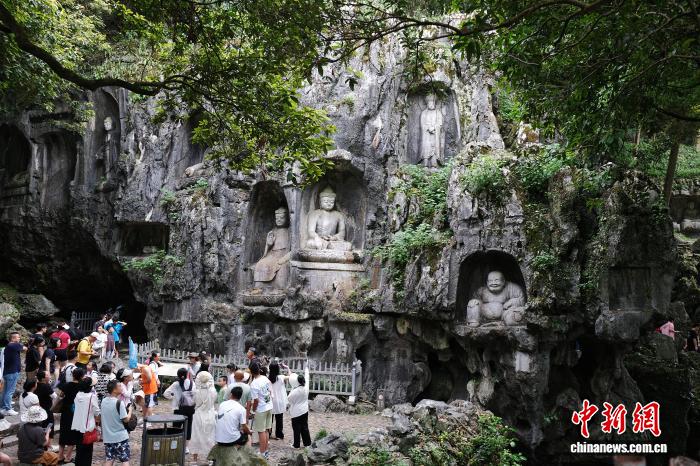
述评:杭州灵隐飞来峰免费开放 将还湖于民进行到底 中新网杭州11月19日电 题:述评:杭州灵隐飞来峰免费开放 将还湖于民进行到底 作者 严格 林波 11月19日,浙江杭州宣布,自2025年12月1日起,西湖风景名胜区灵隐飞来峰景区(含灵隐寺、永福寺、 韬光寺)将取消门票,实施免费预约入园。 灵隐飞来峰是西湖世界文化遗产的重要组成部分,其中,千年古刹灵隐寺的双塔双经幢和飞来峰造像都 是全国重点文物保护单位。 2024年7月,灵隐飞来峰景区一景。 林波 摄 多年来,对于灵隐飞来峰的收费问题,社会各界一直有不同声音。这一次免票开放,可以说是杭州市顺 应民意,西湖还湖于民、还景于民的又一重要举措。 多年来,还湖于民、还景于民是杭州市一以贯之的准则。 20世纪80年代初,由于一度城市发展方向的错位,杭州西湖的景观功能萎缩。杭州环湖马路圈内的280 余公顷区域面积中,有80多公顷为各单位和居民占用,这些建筑零乱破旧,格调参差不一。 1983年,杭州市决定"拆墙",开始大规模地拆房还绿,建设环湖绿地,还景于民,还湖于民。 时任杭州市委书记厉德馨曾告诉作者,还湖于民难度极大,当时西湖周边的住家和单位多有来头和背 景,但杭州市 ...

压实责任精准发力 推动文化遗产保护落地见效
Zhong Yang Ji Wei Guo Jia Jian Wei Wang Zhan· 2025-11-19 00:05
文化遗产见证中华文明,是不可再生的宝贵财富。习近平总书记强调:"秉持敬畏历史、热爱文化之 心,坚持保护第一、合理利用和最小干预原则,推动文化遗产系统性保护和统一监管。"陕西省纪委监 委紧紧围绕贯彻落实习近平总书记重要讲话重要指示批示精神和党中央关于加强历史文化遗产保护的重 要决策部署主动作为、强化监督,压实责任、精准发力,推动文化遗产保护各项决策部署在全省落地见 效。 坚持政治方向,推动监督具体化 聚焦重点问题督促整改整治。指导驻省文旅厅纪检监察组跟进监督,通过列席驻在单位相关会议、协调 召开文保单位片区工作会议等形式,推动相关单位积极开展排查整治。围绕文化遗产保护领域重点纠治 的8类突出问题,深入实地检查16次,印发督办函通报工作开展情况,发现需整改问题20个。督促西安 市聚焦违规建设问题,起底摸排违规建设项目36个,对10名涉案人员开展追责问责。 坚持目标指向,推动监督常态化 坚持问题导向,推动监督精准化 坚持问题导向,盯住文化遗产保护领域的重点人重点事,聚焦重点岗位、重要工作、重要环节强化监 督,及时发现问题、查办典型案件、推动整改落实,切实打通贯彻执行中的堵点淤点难点。 聚焦大额资金强化监督管理。围绕 ...
东城区举办城市历史文化对话会,多地专家共话文商旅融合新路径
Xin Jing Bao· 2025-11-18 08:55
在对话会现场,故宫博物院第六任院长单霁翔以明城墙、玉河、良渚等遗址为例,指出文化遗产保护 应"与城市发展共生",通过建设遗址公园等方式,让历史走进现代生活。广州市规划和自然资源局副局 长邓堪强则分享了永庆坊"微改造"经验,展示如何以"绣花功夫"实现历史街区活化与社区功能提升。北 京大学考古文博学院教授、良渚博物院(良渚研究院)院长徐天进从考古视角对文化遗产保护的历史价 值与当代意义进行深度解读,并分享了良渚遗址保护与可持续发展的创新策略。 作为首都功能核心区,东城区坐拥故宫、天坛、大运河玉河段、北京中轴线等四处世界文化遗产,历史 文化资源丰富。近年来,东城区持续推动老城保护与文商旅融合,发布历史文化传承创新发展计划,并 陆续引入三批高端智库专家,为文化保护与城市更新提供智力支持。 随着2024年北京中轴线成功申遗,东城区在推进文化遗产保护与城市发展良性互动方面持续发力。活动 现场还发布了"玉"见东城Citywalk文化探访路线,串联玉河故道、南新仓、明城墙遗址公园、北大红楼 等文化地标,邀请网络达人担任推荐官,推动文化资源转化为可感可及的城市体验。 新京报讯(记者陈琳)11月18日,2025城市历史文化对话会 ...
总书记关心的世界文化遗产|围楼烟火守光阴
Xin Hua She· 2025-11-18 01:42
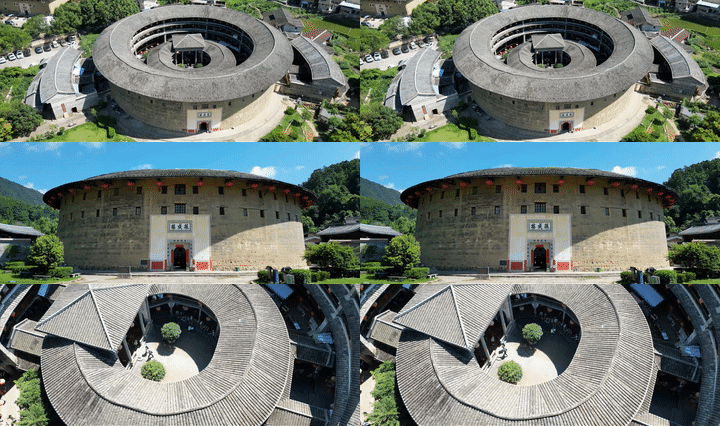
Group 1 - The core viewpoint of the article highlights the significance of Fujian Tulou as a unique architectural achievement and a cultural symbol of the Chinese nation, recognized as a World Heritage site since July 2008 [1][4][7] - Fujian Tulou is primarily located in Longyan Yongding, Zhangzhou Nanjing, and Hu'an, with a historical context of disputes over its naming rights, ultimately resolved by then-Fujian Governor Xi Jinping [2][3] - A total of 46 Fujian Tulou structures were successfully included in the World Heritage List after a value assessment process [4] Group 2 - Xi Jinping emphasized the need for comprehensive and systematic protection of cultural and natural heritage to enhance preservation capabilities and safeguard cultural treasures [6] - Fujian Tulou serves as a testament to the hardworking and resilient spirit of the Chinese people, representing not just a shelter but also a unique cultural identity [5][7]
单霁翔:让文化遗产成为推动城市发展的“源头活水”
Xin Jing Bao· 2025-11-17 15:10
Group 1 - The Beijing Municipal Committee's seventh plenary session emphasized the importance of the successful application for the Beijing Central Axis to be included in the World Heritage List, highlighting it as a significant achievement during the 14th Five-Year Plan period [1] - The Central Axis, a cultural line spanning 7.8 kilometers, is transitioning from a professional term to a part of daily life for residents, indicating a shift in public perception and engagement with cultural heritage [2] - The successful inclusion of the Central Axis in the World Heritage List on July 27, 2024, marks a milestone in the capital's cultural heritage efforts, setting the stage for new protective and transmission initiatives during the 15th Five-Year Plan [1][2] Group 2 - The transformation of the Central Axis from an abstract concept to a tangible cultural symbol reflects a broader change in public behavior, with visitors now seeking deeper cultural understanding rather than superficial experiences [2] - The upcoming "Beijing Central Axis Protection and Transmission Three-Year Action Plan (2025-2027)" outlines 45 key tasks focusing on comprehensive protection, transmission, and international communication [2] - The restoration of historical patterns and the removal of non-capital functions are identified as key priorities for the 15th Five-Year Plan, emphasizing the need for a balanced approach to urban development and cultural preservation [2]

2025“一带一路”青年创意与遗产论坛在南京开幕
Zhong Guo Xin Wen Wang· 2025-11-17 11:17
2025"一带一路"青年创意与遗产论坛在南京开幕 中共江苏省委宣传部副部长徐宁表示,江苏持续推动中华文化"走出去",累计与"一带一路"共建国家缔 结了友好城市153对,吸引"一带一路"共建国家的青年到江苏留学约28万人,日益成为展示中国文化魅 力、促进国际文明交流对话的重要窗口。希望青年朋友们在南京走一走、看一看,用青春视角体验文化 遗产,用创新思维探索保护路径,以开放包容的胸怀促进交流互鉴。 "我们有责任把世界遗产保护好,更有责任把它传承下去。"联合国教科文组织协会世界联合会秘书长杜 越表示,人们生活在不同的国家和地区,但都处在同一个地球家园。文化遗产是文明多样性最好的体现 之一。对保护文化遗产而言,青年不仅仅是观察员,更是参与者。 中国教育部副部长任友群在视频致辞中表示,世界遗产是全人类的文化瑰宝和自然珍宝,是促进不同文 明交流互鉴的重要载体。保护世界遗产是人类的共同责任,是人类文明赓续、世界可持续发展的必然要 求。希望青年做文明交流互鉴与和平事业的积极推动者、全球共同发展的主动贡献者、遗产保护传承与 创意产业发展的锐意开拓者。(完) 来源:中国新闻网 编辑:王永乐 广告等商务合作,请点击这里 本文为转载 ...
总书记关心的世界文化遗产|晋商故里绎春秋
Xin Hua She· 2025-11-17 07:07
Core Insights - Pingyao, a historical city in Shanxi, has been recognized as a UNESCO World Heritage site since 1997, showcasing its rich cultural heritage and historical significance [1] - The city is experiencing a revival in its cultural tourism industry, with projected visitor numbers reaching 10.12 million in 2024, indicating a growing interest in its historical and cultural offerings [2] Group 1: Historical Significance - Pingyao's history dates back over 2,000 years, with its ancient city walls and architecture serving as a testament to its long-standing cultural legacy [1] - The establishment of the Rishengchang Bank in 1823 marked a pivotal moment in Chinese banking history, introducing paper currency and revolutionizing trade practices [1] - During the Ming and Qing dynasties, Pingyao merchants dominated trade across Eurasia, with the city being home to nearly half of China's banks at one point [1] Group 2: Cultural Heritage and Tourism - The cultural heritage of Pingyao is seen as a vital part of Chinese civilization, fostering emotional connections and a sense of responsibility among its residents to preserve and protect their history [2] - The tourism industry in Pingyao is leveraging its historical significance, with efforts to enhance visitor experiences and promote cultural heritage [2]

2025年杭州青少年考古绘画大赛终评圆满落幕
Hang Zhou Ri Bao· 2025-11-14 03:13
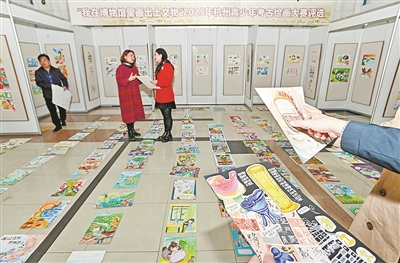
一件件充满童真与创意的作品获评委频频点赞。 "孩子们的参与热情和用心程度超出预期!作品题材丰富、形式多样,既有传统的文物写生,也有 拓印、剪贴等创新表达,充分展现了他们走进博物馆后的真实感悟。"市美术家协会副主席高甬春表 示,青少年用多元艺术形式诠释考古之美,正是大赛美育价值的生动体现。 "大赛聚焦陈列在杭州的博物馆里的出土文物,引导小朋友走进杭州这座'博物馆之城'——希望孩 子们通过实地观展,细致观察文物的形态与细节,挖掘文物背后的历史脉络与动人故事,成为杭州文化 的传播者。"市园林文物局博物馆处处长陈军说,从作品中看到了活动的初衷。 近期将公布大赛获奖名单,并对优秀作品进行展示,敬请关注。 终评现场。 日前,由杭州市园林文物局指导、杭州市文物考古研究所主办、杭州日报城市新闻中心承办的 "我 在博物馆里画出土文物"2025年杭州青少年考古绘画大赛终评活动,在杭州青少年活动中心美术楼举 行。历时2个多小时,评委组完成对162件初评入围作品的筛选,评出一等奖30个、二等奖50个、三等奖 82个,以及优秀辅导教师奖25个、优秀组织奖12个。 此次大赛面向全市中小学生,以"在博物馆里发现杭州 用画笔诠释考古之美"为 ...
亚太地区文化遗产领导力建设培训在曼谷举办
人民网-国际频道 原创稿· 2025-11-13 03:41
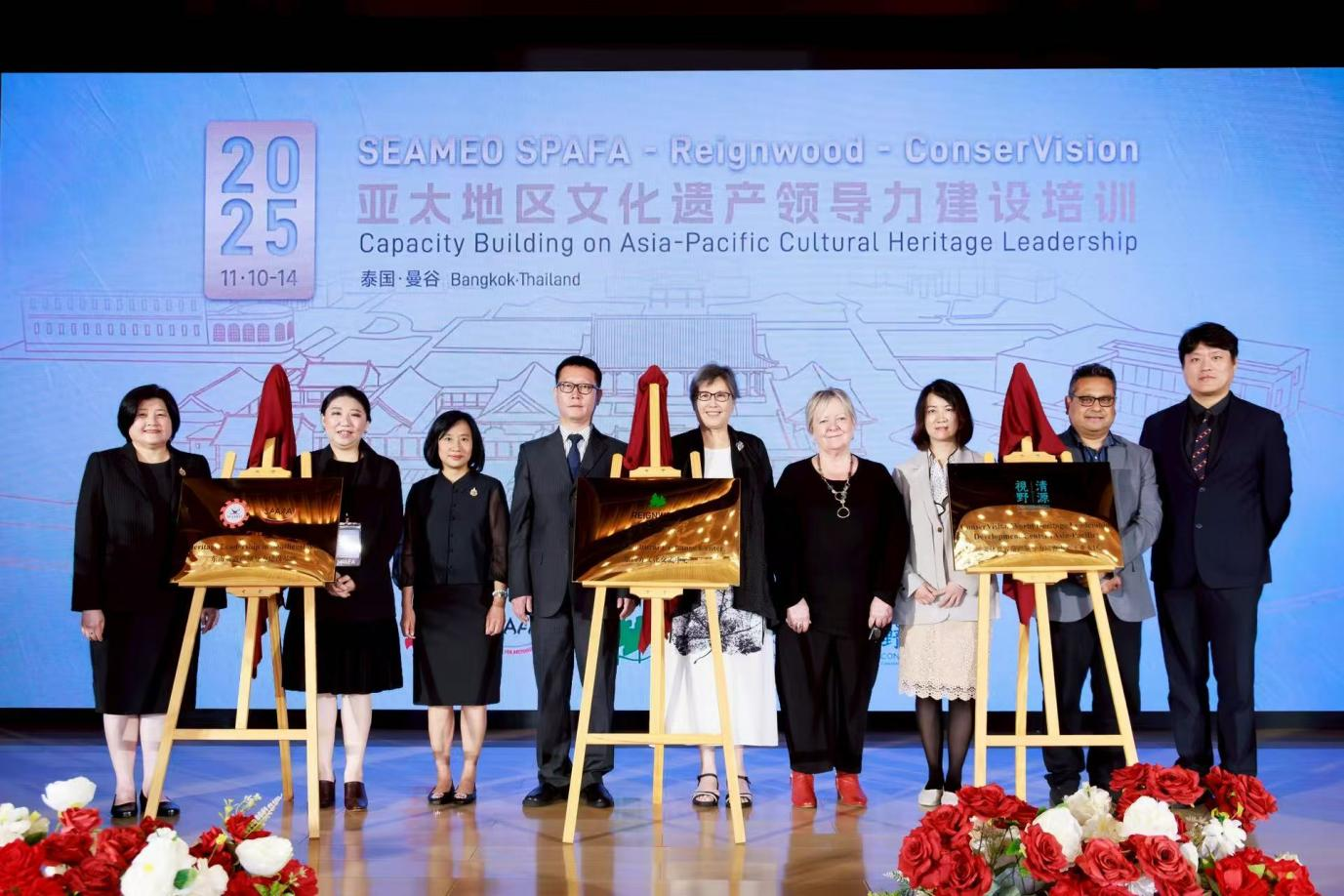
人民网曼谷11月12日电 (记者简承渊)当地时间11月11日,"亚太地区文化遗产领导力建设培训"在泰国曼谷华彬东西方文化交流中心开幕。此次培训 由东南亚教育部长组织考古与美术区域中心(SEAMEO SPAFA)、华彬文化基金会联合主办。本次培训旨在汇聚各方优势,共同提升亚太地区文化遗产保 护的管理水平与实践能力,推动跨文化对话与互鉴。 开幕式上,SEAMEO SPAFA主任哈达雅博士、中国驻泰大使馆文化参赞杨晓龙、华彬文化基金会秘书长卢战、泰国文化部艺术司副总干事坎妮塔、泰 国教育部国际合作局地区合作处主任库苏马为开幕式致辞。 值得一提的是,此次培训在泰国曼谷华彬东盟产业园东西方文化交流中心举办,具有特殊的象征意义。这座以中国世界遗产地颐和园的仁寿殿为设计蓝 本、采用中国传统木结构营造技艺建成的建筑,是有史以来在海外建成的体量最大的中式传统建筑之一,完美诠释了东西方文化融合与交流的精神。这一文 化交流设施的充分利用,将随着亚太地区文化遗产保护合作的不断深入,为区域内文化遗产保护工作注入新的活力,为建设更加美好的文化未来奠定基础。 中外嘉宾在曼谷华彬东西方文化交流中心仁寿殿前合影留念。主办方供图 中外嘉宾为SE ...
法国努力弥补博物馆安保漏洞
Ren Min Ri Bao· 2025-11-12 22:19
Core Insights - The Louvre Museum robbery has raised significant concerns about the security measures in place at cultural institutions in France, highlighting vulnerabilities that could lead to further incidents [1][2][3] Group 1: Incident Overview - Five additional suspects have been arrested in connection with the Louvre robbery, bringing the total number of arrests to seven, but the stolen eight pieces of jewelry remain missing [1] - The robbery, which occurred on October 19, resulted in the theft of nine valuable Napoleon-era jewels, with an estimated economic loss of €88 million, while the historical and cultural value of the stolen items is incalculable [1] Group 2: Security Concerns - The Louvre's director admitted that the museum failed to detect the robbers beforehand, citing weaknesses in perimeter security, including outdated and insufficient surveillance cameras [2] - A security upgrade plan initiated in 2021 had not progressed to actual implementation by the time of the robbery, despite the French government's broader "New Renaissance" plan for the Louvre, which includes security modernization [2] Group 3: Government Response - Following the robbery, President Macron instructed a rapid enhancement of security measures at the Louvre, with a joint effort from the Ministry of Culture and the Ministry of the Interior to address security vulnerabilities across major museums and historical sites by November 15 [2] - The Louvre has temporarily increased its security presence with 50 additional officers and is in the process of installing new high-definition surveillance and infrared intrusion detection systems [2] Group 4: Broader Context of Cultural Heritage Security - The Louvre robbery is part of a troubling trend, with multiple thefts occurring in French museums since September, leading to losses exceeding one million dollars [3] - The illegal international trade in cultural artifacts is estimated to exceed $1 billion annually, prompting organized crime to target museums, which often lack adequate security [3] - Experts emphasize that enhancing museum security requires not only improved physical measures but also stronger legislative and enforcement frameworks to combat artifact smuggling and illegal trade [3]