俄乌冲突

Search documents
欧洲最大能源设施被炸!普京回应西方挑衅,美英法德进入应急状态
Sou Hu Cai Jing· 2026-01-12 20:09
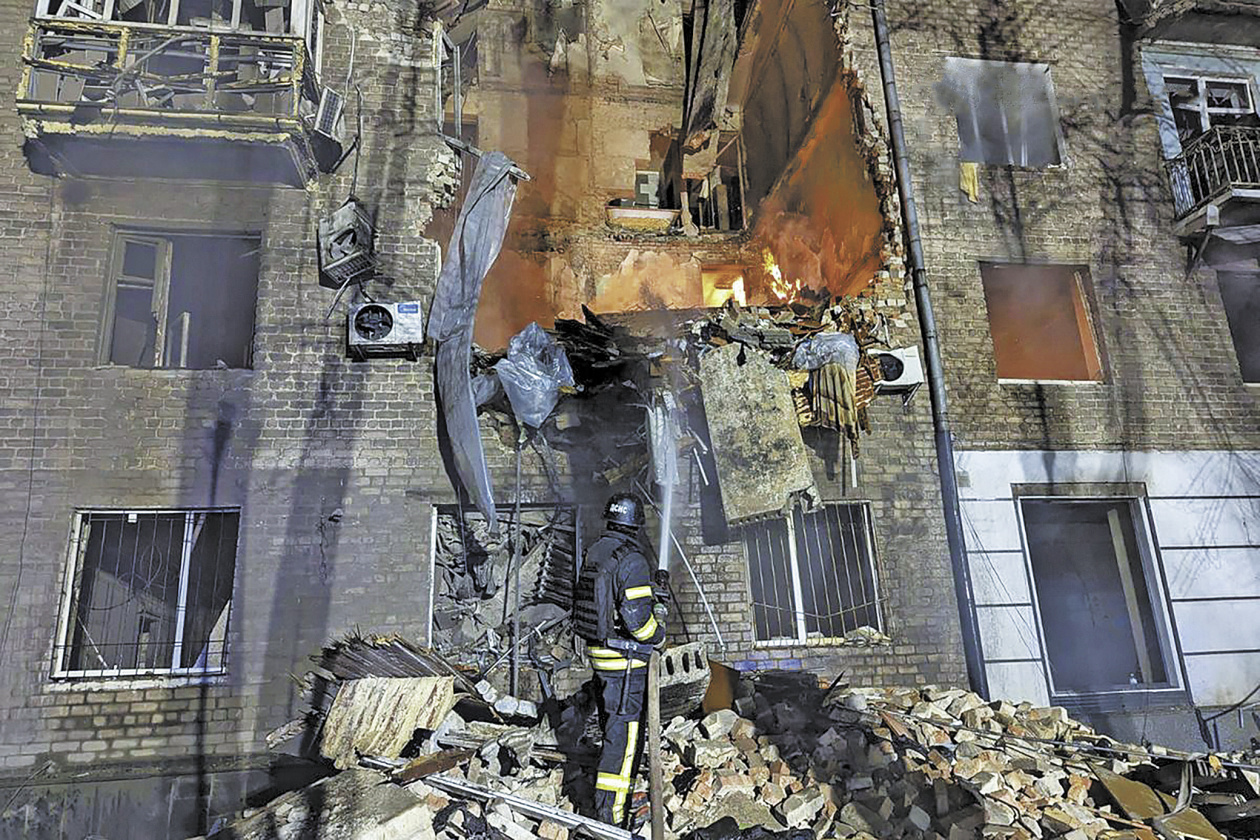
Core Viewpoint - The explosion at the Lviv gas storage facility has highlighted the urgent heating issues for approximately 1.2 million people in Europe, prompting a swift response from the US, UK, France, and Germany, indicating a shift in focus towards energy security amidst the ongoing conflict [1][3]. Group 1: Energy Security Concerns - The attack on the Lviv facility is not just a military strike but a significant threat to Europe's energy infrastructure, which is crucial for the upcoming winter [5][7]. - The facility serves as a key transit point for energy flow in Europe, especially after the shift away from Russian gas, making it a vital component of the continent's energy strategy [5][19]. - The incident has triggered emergency meetings and risk assessments among European leaders, revealing their awareness of the potential impact on energy supplies and prices [8][19]. Group 2: Political Implications - The attack serves as a reminder that the war is no longer a distant issue but is directly affecting daily life in Europe, with rising energy costs becoming a pressing concern for citizens [10][30]. - Russia's use of the "Zaliv" missile against energy infrastructure signals a strategic shift, aiming to exert pressure on European capitals and influence political decisions regarding support for Ukraine [14][15]. - The ongoing conflict has transformed into a war of attrition, where energy resources are becoming more critical than frontline military engagements, affecting the political landscape in Europe [23][25]. Group 3: Economic Impact - The explosion has led to immediate fluctuations in energy prices, with potential long-term effects on industrial, transportation, and residential sectors, highlighting the interconnectedness of energy supply and economic stability [19][30]. - As energy prices rise, public patience may wane, leading to political repercussions for leaders who support Ukraine while facing domestic pressure from rising costs [19][28]. - The situation underscores the vulnerability of European economies to energy disruptions, which could lead to broader social and political instability [27][30].

突发!普京发威,欧洲最大能源设施被炸,美英法德紧急应对
Sou Hu Cai Jing· 2026-01-12 17:50
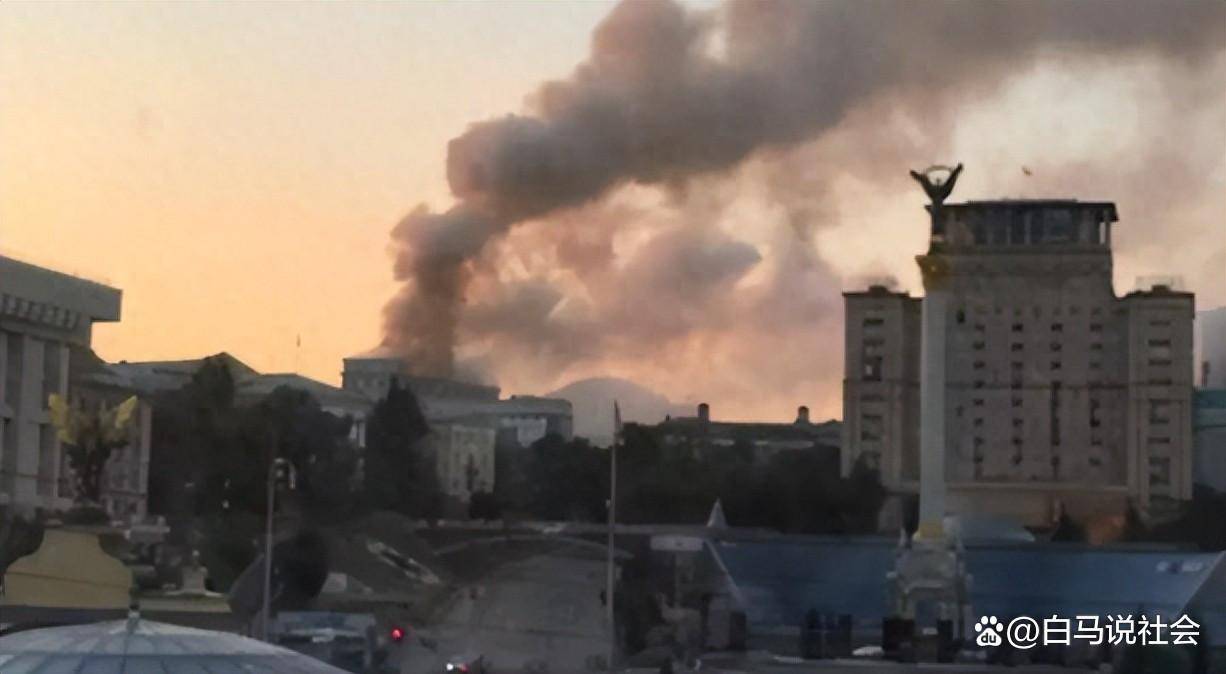
Group 1 - The explosion at the Lviv gas storage facility has left 1.2 million people in Ukraine facing heating difficulties during winter, highlighting the severe impact of the ongoing conflict on civilian life [1][8] - The incident serves as a reminder of Russia's military capabilities, particularly the use of the Hazelnut missile, which was deployed for the first time in a significant attack, indicating a shift in the conflict dynamics [3][5] - The Lviv gas storage facility is crucial as it holds half of Ukraine's natural gas, making it a key node in the European energy supply chain, and its destruction has raised concerns about energy security across Europe [3][5] Group 2 - The use of the Hazelnut missile, which relies on kinetic energy rather than high-explosive warheads, demonstrates a strategic approach to inflict damage on critical infrastructure without traditional explosive methods [5] - The geopolitical implications of the attack have caused alarm among Western nations, prompting a reevaluation of their strategies in response to Russian aggression [6][10] - The ongoing conflict has revealed a stark contrast between political maneuvers and the harsh realities faced by ordinary citizens, emphasizing the disconnect between high-level negotiations and the immediate needs of the population [8][10]
俄军的报复来了,炸毁欧洲最大能源设施,美英法德赶紧商量下一步
Sou Hu Cai Jing· 2026-01-12 04:39
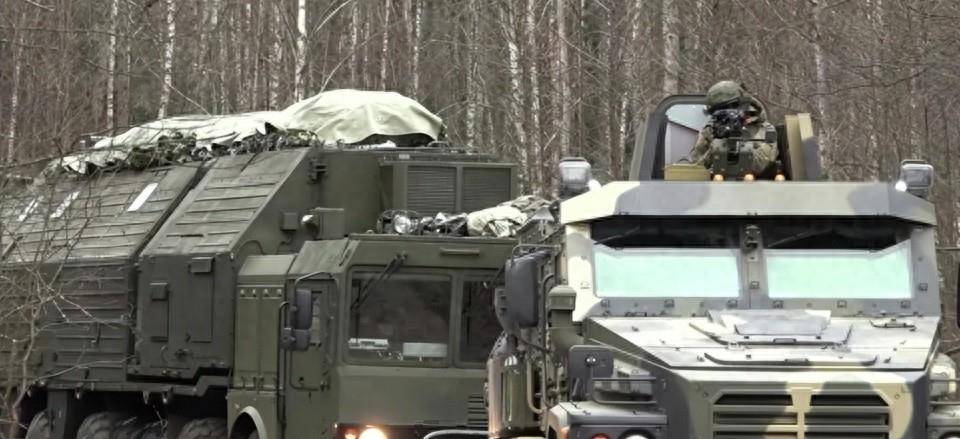
Core Viewpoint - The recent missile strike on Ukraine's Lviv strategic gas storage facility, which holds over half of Ukraine's natural gas, marks a significant escalation in the ongoing conflict, with implications for European energy security and geopolitical stability [1][3][27]. Group 1: Missile Strike and Its Impact - On January 9, 2026, a hypersonic missile strike hit the Lviv gas storage facility, described as "the energy heart" of Ukraine, causing widespread destruction and disruption [3][5]. - The missile used was the "Hazel" hypersonic missile, capable of flying at speeds of 10 Mach, making it nearly impossible to intercept [5][10]. - The attack resulted in severe consequences for Lviv, including casualties, injuries, and significant infrastructure damage, leaving many without heating, water, and electricity during winter [7][10]. Group 2: Background and Escalation - The missile strike was a direct response to a previous drone attack on Russian President Putin's residence, which involved 91 drones and was characterized by Russia as a "terrorist attack" [12][15]. - The Russian Defense Ministry labeled the drone attack as a premeditated act of terrorism, indicating a shift in Russia's negotiation stance following the incident [17][22]. - Ukraine has been actively targeting Russian energy facilities, with 73 attacks on 28 Russian oil producers in 2025, indicating a mutual escalation in energy warfare [24][25]. Group 3: European Energy Security Concerns - The destruction of the Lviv gas storage facility raises alarms for European energy security, as it is a critical component of the European gas supply network [27][29]. - Since the onset of the conflict, Europe has faced significant energy challenges, with estimates suggesting an additional cost of approximately €120 billion due to rising energy prices [29]. - The proximity of Lviv to the NATO border (60 kilometers from Poland) heightens the risk of broader conflict, prompting urgent discussions among Western nations regarding security measures for Ukraine [9][29]. Group 4: Western Response and Future Implications - A high-level meeting in Paris on January 6, 2026, resulted in a declaration to establish multinational forces in Ukraine post-ceasefire, indicating Western nations' preparations for the "post-ceasefire era" [31][34]. - The ongoing conflict has created a deadlock, with Russia opposing foreign troop deployments in Ukraine while Ukraine resists territorial concessions [36]. - The United Nations is set to hold an emergency meeting on January 12 to address the situation, reflecting the international community's concern over the escalating conflict and its implications for global stability [36][38].
乌克兰请求安理会举行紧急会议
Huan Qiu Shi Bao· 2026-01-11 22:55
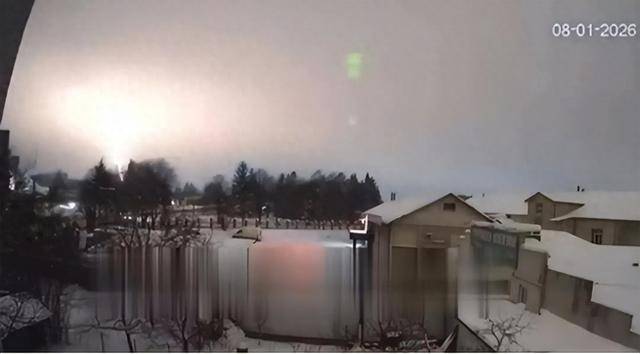
Group 1 - The UN Security Council is scheduled to hold an emergency meeting on the Ukraine situation on the 12th, following Ukraine's urgent request due to recent Russian missile attacks [1] - Russia's defense ministry reported a large-scale strike on Ukrainian infrastructure using "Hazelnut" missiles as retaliation for a previous attack on President Putin's residence [1] - The ongoing conflict, nearing four years since its outbreak in 2022, is described as potentially the coldest and darkest winter yet, with Ukraine's energy system facing severe attacks [1] Group 2 - A potential agreement worth approximately $800 billion for Ukraine's post-war reconstruction may be signed between President Trump and President Zelensky during the World Economic Forum in Davos [2] - The meeting aims to finalize an economic agreement that is a crucial part of a US-supported peace plan to end the Russia-Ukraine conflict [2] - The agreement is based on a previous mineral agreement that grants US investors priority in future Ukrainian mining projects, aiming to encourage stronger US security guarantees for Ukraine [2]
欧洲国家将向乌克兰派兵,梅德韦杰夫:你们将面临一场欧洲战争
Sou Hu Cai Jing· 2026-01-11 00:47
Group 1 - Dmitry Medvedev, a close ally of Putin, issued a warning to European countries, including the UK, against deploying troops to Eastern Europe as part of a peace agreement [2][4] - Medvedev criticized European leaders, stating that they seem to desire a war in Europe and reiterated that Russia will not accept any NATO or European troops in Ukraine [2][4] - The warning came shortly after a joint statement from the UK and France on January 6, promising to deploy troops in Ukraine if a peace agreement is reached, which Medvedev's comments directly addressed [4][5] Group 2 - Medvedev had previously threatened Finland, accusing it of "Russophobia" and expressing a desire for Russia to avoid repeating historical mistakes from 1917 [4] - The Russian Foreign Ministry responded to the "willingness alliance" statement, declaring that Western troops deployed in Ukraine would be considered "legitimate military targets" [5]
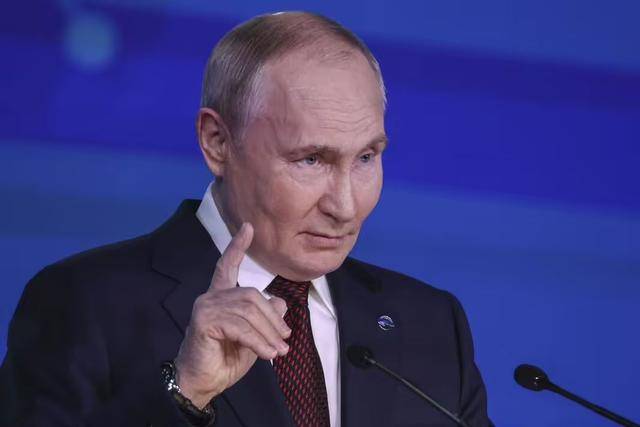
俄乌突发!大规模突袭
Zhong Guo Ji Jin Bao· 2026-01-10 12:36
Group 1 - Russia conducted a large-scale strike on multiple targets in Ukraine as a response to an alleged terrorist attack on the Russian presidential residence [3][4] - The Russian military utilized advanced weaponry, including the "Zircon" hypersonic missile, which is capable of carrying nuclear warheads and can travel at speeds of 10 Mach [3][4] - Ukrainian officials reported that the strikes resulted in significant damage to critical infrastructure, including power and heating systems, affecting approximately 6,000 apartment buildings in Kyiv [9][10] Group 2 - The Ukrainian Air Force stated that on January 9, Russia launched 36 missiles and 242 drones targeting key infrastructure, leading to casualties and damage in Kyiv [7][8] - The Ukrainian government denied Russia's claims of a prior attack on the presidential residence, labeling them as false information [5] - Russia's defense ministry reported controlling five settlements in Ukraine and targeting military and energy facilities over the past week [12]
俄乌突发!大规模突袭
中国基金报· 2026-01-10 12:30
Group 1 - The article discusses the recent escalation of military actions between Russia and Ukraine, highlighting Russia's large-scale strikes on multiple targets within Ukraine as a response to an alleged attack on the Russian presidential residence [2][4]. - Russia's military utilized advanced weaponry, including the "Zircon" hypersonic missile, which is capable of carrying nuclear warheads and can strike at speeds of 10 Mach, making it reportedly difficult to intercept [4][5]. - Ukraine's military reported that on January 9, Russia launched 36 missiles and 242 drones targeting critical infrastructure, resulting in casualties and significant damage to various facilities in Kyiv [7][11]. Group 2 - The Ukrainian Air Force confirmed that the attacks led to the death of 4 individuals and injuries to 25, with substantial disruptions to water, electricity, and heating services across the city [7][9]. - Kyiv's mayor reported that approximately 6,000 apartment buildings were affected, leading to a suspension of heating services, and urged residents to seek shelter in suburban areas due to worsening weather conditions [9][10]. - The article notes that Russia claimed to have controlled five settlements in the past week and conducted multiple strikes on Ukrainian military and energy facilities [11].
刚刚,大规模突袭!俄罗斯,发射36枚导弹!
Zheng Quan Shi Bao Wang· 2026-01-10 09:41
Group 1 - Russia launched a large-scale attack on Ukraine on January 9, using dozens of missiles and over 200 drones, targeting critical infrastructure [1][2] - Ukrainian President Zelensky reported that 242 drones and various missiles, including 13 ballistic missiles and 22 cruise missiles, were used in the attack, resulting in 4 deaths and 19 injuries in Kyiv [1][2] - The Russian Defense Ministry stated that the strikes were a response to a previous attack on President Putin's residence, targeting facilities related to drone production and energy support for military industries [2][3] Group 2 - The Ukrainian Air Force reported that on January 9, Russia used 36 missiles and 242 drones in attacks on key infrastructure, with significant damage reported in Kyiv [2][3] - Ukrainian officials are pushing for an emergency meeting of the UN Security Council and NATO to address the attacks, emphasizing the absurdity of Russia's justification for the strikes [3] - The conflict has seen Russia conducting multiple large-scale strikes and controlling additional settlements, with ongoing military engagements reported [4] Group 3 - U.S. President Trump expressed support for a bipartisan bill imposing sanctions on Russia, indicating a shift in his stance after months of indecision [5] - Ukraine's President Zelensky mentioned that a bilateral security agreement with the U.S. is nearly finalized, aiming to strengthen Ukraine's position in negotiations [5] - Discussions are ongoing regarding the establishment of a multinational force in Ukraine post-conflict, with emphasis on the need for Russian consent for any such arrangements [6][7]
刚刚,大规模突袭!俄罗斯,发射36枚导弹!
券商中国· 2026-01-10 09:07
Core Points - Russia launched a large-scale attack on Ukraine on January 9, using dozens of missiles and over 200 drones targeting critical infrastructure [1][2] - The Ukrainian government reported casualties of 4 dead and 19 injured due to the drone strikes in Kyiv [1][2] - The attack was described as a retaliation for an alleged Ukrainian attack on a Russian presidential residence [2] Summary by Sections Attack Details - Russia's military used 242 drones and various missile types, including 13 ballistic missiles and 22 cruise missiles, to strike energy and civilian infrastructure in Ukraine [1][2] - The Ukrainian Air Force confirmed the use of a medium-range ballistic missile, referred to as "Zaltsa," in the attack on Lviv, marking the first use of such weapons in that region since the conflict began [3] International Response - U.S. President Trump expressed support for a bipartisan bill imposing sanctions on Russia, indicating a shift in his stance after months of indecision [5] - Ukrainian President Zelensky announced that a bilateral security agreement with the U.S. is nearly finalized, aiming to strengthen Ukraine's defense capabilities [5] Military Developments - The Russian Defense Ministry reported that it had completed its designated strike tasks, targeting facilities related to drone production and energy support for military industries [2] - In the past week, Russian forces reportedly controlled five settlements and engaged in multiple attacks on Ukrainian military and logistical targets [4] Diplomatic Efforts - Ukraine's Foreign Minister stated that Ukraine would push for an emergency meeting of the UN Security Council in response to the attacks [3] - Discussions regarding the establishment of a multinational force in Ukraine post-conflict were highlighted, with emphasis on the need for a ceasefire agreement with Russia [7]

美乌安保协议“基本就绪”,俄方报复行动仍在持续,俄乌边打边谈令欧洲煎熬
Huan Qiu Shi Bao· 2026-01-09 22:37
【环球时报驻美国特约记者 萧达 环球时报特约记者 王逸 柳玉鹏】从9日凌晨开始,俄罗斯对乌克兰发动大规模报复性打击。俄国防部表示,此次空袭是对 去年年底乌军袭击俄总统普京官邸的直接回应。俄军在空袭中使用"榛树"高超音速导弹袭击占乌天然气储备50%的战略天然气储存库,更引发全球关注。进 入2026年以来,俄乌之间的冲突没有因为此前一段时间的美俄和美乌之间的密集和谈而降温,反而越来越激烈。虽然乌克兰总统泽连斯基8日声称乌克兰与 美国的双边安全保障协议文本已"基本就绪",但俄罗斯将乌克兰和由西方国家组成的所谓"志愿联盟"称为"战争轴心",并强硬警告"任何驻乌外国军队均被 视为合法作战目标"。对于欧洲希望停火后在乌克兰驻军,德国总理默茨称:"这一切若没有俄罗斯的同意就无法实现,目前我们距离这一目标恐怕仍相当遥 远。" 明"远非和平解决方案",其目的"并非实现持久和平与安全,而是继续推进军事化、升级和扩大冲突"。她称,西方企图在乌克兰领土上部署一支所谓的"多 国部队",是企图促进乌克兰武装部队的"重建",并在停火后"遏制"俄罗斯。扎哈罗娃还强硬表示,西方国家在乌克兰部署的军事单位、军事设施等都将被 视为"俄罗斯武装部队 ...