
军事装备制造

Search documents
首次公开!最新一代中国机器狼巷战画面
中国能源报· 2026-03-26 14:04
Core Viewpoint - The latest generation of robotic wolves developed by China Weapon Automation Research Institute showcases enhanced capabilities, including improved stability, advanced weaponry, and autonomous decision-making for combat scenarios [3][4][6]. Group 1: Technical Advancements - The new robotic wolves can carry more weaponry, such as micro-missiles and grenade launchers, allowing for effective fire suppression against targets [3]. - Compared to the previous generation, the stability of the robotic wolves has significantly improved, enabling them to traverse uneven terrains at speeds up to 15 kilometers per hour [3][4]. - Each robotic wolf features 12 degrees of freedom in its joints, mimicking the agility of real wolves and allowing for seamless transitions between different gaits [3]. Group 2: Operational Capabilities - The robotic wolves can operate in various environments, including mountainous slopes and urban ruins, achieving comprehensive combat capabilities without blind spots [4]. - They are capable of collaborative decision-making, sharing sensory information in real-time to form a unified operational strategy [6]. - The command center, equipped with a tri-screen display, allows for real-time information collection and coordination of multiple robotic wolves and aerial drones for integrated ground-air operations [6]. Group 3: Weaponry and Combat Simulation - The "Bloodbath" robotic wolf can autonomously identify and aim at targets, with human operators confirming strikes [10]. - Different weapon loads can be switched based on mission requirements, enhancing operational flexibility [10]. - The "Bloodbath" series can simulate various combat scenarios, including fire suppression and precision strikes, using different weapon systems like grenade launchers and automatic rifles [12][14]. Group 4: Overall Impact - The robotic wolf group establishes a layered firepower system that significantly enhances the effectiveness of individual soldiers in combat [16].


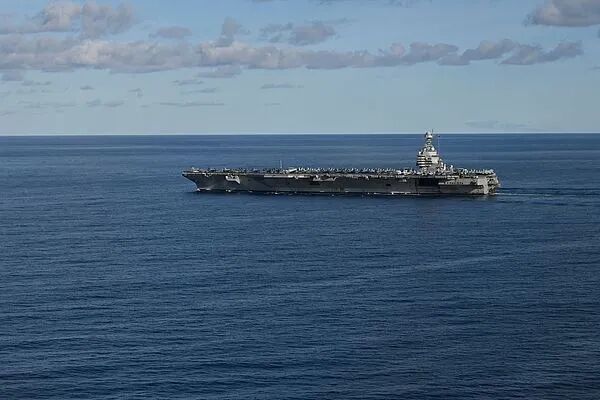
美“福特”号航母、约20架加油机抵达以色列
Yang Shi Xin Wen· 2026-02-27 10:13
Group 1 - The USS Ford aircraft carrier has arrived in Israeli waters and is heading towards Haifa port for docking [2] - Approximately 20 US military refueling aircraft arrived at Ben Gurion Airport in Israel on the evening of February 26 [4]
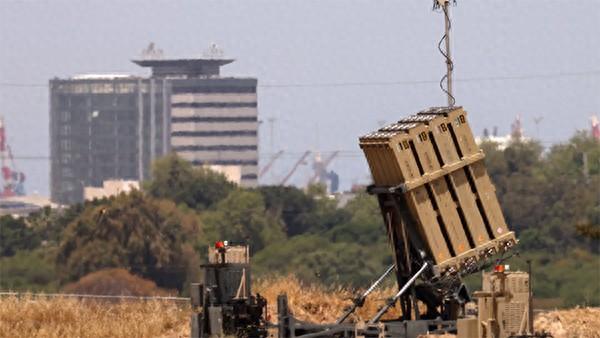
拉拢印度,以色列被曝或将分享“铁穹”等军事技术
Xin Lang Cai Jing· 2026-02-26 15:35
Core Viewpoint - India and Israel are expected to sign a $10 billion defense cooperation agreement, which includes the provision of Israel's "Iron Dome" and "Iron Beam" air defense systems to India [1][4]. Group 1: Defense Cooperation Agreement - The agreement will involve the transfer of advanced military technologies, including offensive weapons such as the SPICE-1000 precision-guided bomb and various missile systems [1]. - The focus of the defense collaboration will be on air defense systems, particularly the "Arrow" missile defense system, "David's Sling," "Iron Dome," and "Iron Beam" [1][2]. - India aims to produce these systems under the "Make in India" initiative and integrate them into a multi-layered defense network by 2035 [1]. Group 2: Strategic Partnership - The strengthening of India-Israel relations is being referred to as a "special strategic partnership," a term previously reserved for the U.S.-Germany relationship [4]. - Analysts suggest that Israel is looking to bind India into its security architecture through the transfer of sensitive military technology, which would create long-term institutional ties [5]. - The collaboration is seen as a move to counter regional threats, particularly from Turkey and other hostile forces in the Middle East [5]. Group 3: Political Context - The meeting between Indian Prime Minister Modi and Israeli Prime Minister Netanyahu emphasized the importance of defense and security in their partnership [5]. - The partnership is also viewed as a response to India's vulnerabilities in drone, missile, and cyber capabilities, especially following the India-Pakistan conflict [5].
突发!俄罗斯,遭导弹袭击!
Xin Lang Cai Jing· 2026-02-22 14:33
Group 1: Ukraine's Military Actions - Ukraine's armed forces launched missile attacks using multiple "Flamingo" cruise missiles on a military factory in Votkinsk, Udmurt Republic, Russia, causing a fire [1][2] - The targeted military factory produces "Yars" intercontinental ballistic missiles and missiles for the "Borey-A" class strategic nuclear submarines [2][8] - Ukraine also attacked a gas processing plant in Samara, Russia, which is crucial for providing energy support to the Russian military [2][8] Group 2: Russian Military Response - The Russian Defense Ministry reported that it conducted strikes on Ukrainian transportation and energy infrastructure, destroying a vehicle associated with the "HIMARS" system and multiple "Flamingo" missile launchers [9] - Russian air defense systems intercepted 5 "Flamingo" long-range missiles and 172 fixed-wing drones [9] Group 3: Civilian Impact and Incidents - A drone attack by Ukraine in Udmurt Republic resulted in 11 injuries [2][9] - An explosion in Lviv, Ukraine, led to 25 injuries and 1 death, with investigations suggesting possible involvement of Russian operatives [3][10] Group 4: Hungary's Energy Security Measures - Hungary's Prime Minister announced measures to ensure energy supply security in response to Ukraine's suspension of oil transit through the "Friendship" pipeline [6][12] - The countermeasures include halting diesel supplies to Ukraine, refusing military loans, and opposing new EU sanctions against Russia [6][12] - The "Friendship" pipeline is a major oil transport system from Russia to Central and Eastern Europe, with its Ukrainian segment suspended since January 27 [12] Group 5: International Relations and Warnings - Russia warned South Korea against supplying weapons to Ukraine, stating it would lead to further deterioration of Russia-South Korea relations [4][11] - The "Ukraine Priority Needs List" mechanism, initiated by the US and NATO, is under consideration by South Korea, which could involve funding for Ukrainian military needs [5][11]
美国或对伊朗发动打击,德黑兰备战细节曝光
Xin Lang Cai Jing· 2026-02-20 09:50
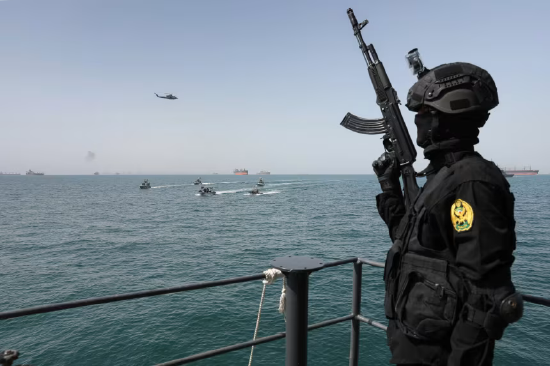
Core Insights - Iran is demonstrating a state of military readiness in response to the ongoing military buildup by the United States in the Middle East, including the fortification of nuclear facilities and the reconstruction of missile production bases [3][14][26] Facility Reconstruction - Following an Israeli attack in June last year that destroyed parts of Iran's nuclear facilities and severely damaged missile production bases, Iran has reportedly rebuilt several key missile facilities [4][17] - Satellite imagery from January 5 shows that out of over ten buildings at the Imam Ali missile base, three have been rebuilt, one repaired, and three are under construction, indicating ongoing military infrastructure development [17] - The Shahroud solid-fuel missile production facility, which is crucial for rapid deployment of long-range missiles, has been quickly reconstructed, potentially increasing its production capacity beyond pre-conflict levels [18][21] Nuclear Facility Fortification - Iran is rapidly reinforcing multiple nuclear facilities using concrete and earth to enhance their resilience against airstrikes, as indicated by recent satellite images [6][19] - The Natanz underground nuclear facility is undergoing significant fortification, with new concrete being poured at tunnel entrances to improve its defensive capabilities [19] - The "Tir 7 Industrial Park," involved in uranium enrichment component production, has also seen reconstruction of damaged buildings, despite being under UN sanctions [19] Power Structure Restructuring - The conflict with Israel last year exposed weaknesses in Iran's command structure, prompting a reorganization that includes the establishment of a new Defense Committee to oversee wartime governance [21][22] - Ali Shamkhani, a veteran military figure, has been appointed as the secretary of this new committee, indicating a strategic shift towards enhancing national defense readiness [21][22] - The Iranian regime is reportedly preparing for potential U.S. "decapitation strikes," reflecting heightened internal security measures and vigilance against perceived threats [22] Military Exercises - Concurrently with negotiations in Geneva, Iran conducted naval exercises in the Persian Gulf, showcasing its capabilities to disrupt maritime operations, particularly in the strategically vital Strait of Hormuz [10][23] - The Iranian Navy also engaged in joint exercises with Russia, further emphasizing its military collaboration in the region [25] - U.S. military presence in the area has increased, with two aircraft carriers deployed, indicating escalating tensions and potential for conflict [25][26]
加拿大宣布新国防工业战略,注重国内制造以重获战备能力
Yang Shi Xin Wen· 2026-02-17 22:44
Core Points - The Canadian Prime Minister announced a new defense industrial strategy aimed at setting significant goals for the next decade, including awarding 70% of federal defense contracts to Canadian companies [1] - The strategy, which has a budget of 6.6 billion Canadian dollars, aims to improve the availability of military equipment, targeting 75% for naval vessels, 80% for army vehicles, and 85% for air force aircraft [1] - The strategy outlines ten industrial sectors where Canada seeks to gain dominance, including ammunition production, digital and cloud services development, sensors, space-based platforms for surveillance, training, and simulation, as well as special vehicle manufacturing [1]
敏感时刻!美国批准大单:出售30架
Xin Lang Cai Jing· 2026-01-31 02:58
Core Insights - The Trump administration has approved a significant military sales plan totaling $6.67 billion to Israel, which includes the sale of 30 Apache attack helicopters and 3,250 light tactical vehicles [1][2] - The U.S. State Department announced four separate military sales plans to Israel amid rising tensions in the Middle East due to potential U.S. military action against Iran [1] - The Apache helicopters represent the largest portion of the military sales, valued at $3.8 billion, while the light tactical vehicles are valued at $1.98 billion [1] Group 1 - The Israeli Defense Ministry plans to invest an additional $740 million for power systems for armored personnel carriers [2] - The remaining $150 million will be allocated for a limited number of unspecified light utility helicopters to supplement existing equipment [2] - The Israeli Defense Ministry stated that the new military sales will not affect the military balance in the region and will enhance Israel's ability to respond to current and future threats [2] Group 2 - The U.S. commitment to Israel's security is deemed crucial for U.S. national interests, as it assists Israel in developing and maintaining a strong and readily available self-defense capability [2]
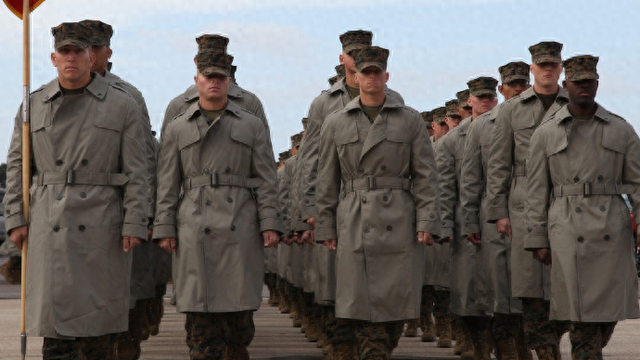
尴尬!美海军陆战队大衣淋雨就褪色
Xin Lang Cai Jing· 2026-01-30 16:39
Core Viewpoint - The U.S. Marine Corps has announced a suspension of the issuance and use of a raincoat due to a significant manufacturing defect that causes the fabric to bleed an orange substance when exposed to water, rendering it unusable and unprofessional in appearance [1][3]. Group 1 - The defect in the raincoat leads to noticeable orange stains upon contact with water or rain, which affects its usability and appearance [3]. - A notice released on January 26 confirmed the existence of this major manufacturing defect across all batches of the raincoat, prompting the Marine Corps to halt its distribution until further notice [3]. - There have been mixed opinions among Marine Corps personnel regarding the uniform, with some expressing fondness for the coat while others criticize its outdated design [3]. Group 2 - The raincoat has become a subject of ridicule among active and retired service members, with social media users making jokes about its appearance, likening it to characters from popular culture [3]. - The coat is humorously described as suitable for walking in London fog, provided one does not mind looking like a bright orange traffic cone after being caught in the rain [3].
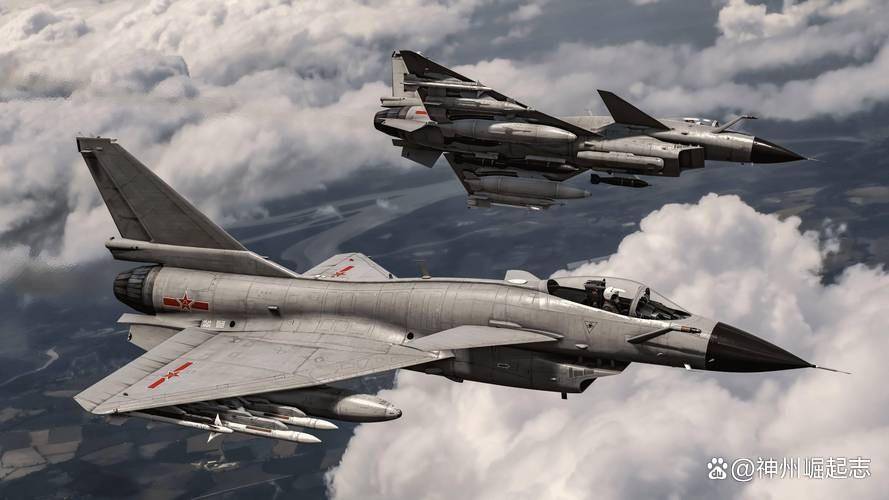
美国关税大棒砸碎印尼210亿中国军购案歼10导弹艇交易为何
Sou Hu Cai Jing· 2026-01-24 22:48
Core Viewpoint - The significant military procurement contract between Indonesia and China, initially anticipated to be successful, was ultimately derailed due to U.S. intervention, leading Indonesia to opt for Western suppliers instead [1][2]. Group 1: Military Procurement Details - Indonesia planned to spend approximately 210 billion RMB (31 billion USD) to acquire 42 second-hand J-10A fighter jets, 10 Type 022 missile boats, and 7 Type 053H3 frigates, along with corresponding missile systems [1]. - The J-10A fighter jet is competitively priced, about 30% lower than similar Western products, making it an attractive option for Indonesia's defense needs [2]. - The Type 022 missile boat, with a maximum speed of 50 knots, is ideal for patrolling Indonesia's numerous islands [2]. Group 2: U.S. Economic Strategy - The U.S. Department of Commerce significantly reduced tariffs on certain Indonesian exports from 32% to 19%, potentially saving Indonesia billions in trade costs annually [2]. - This economic incentive was designed to persuade Indonesia to abandon its Chinese procurement plans in favor of U.S. military equipment, including 9 MQ-9B "Reaper" drones [3]. Group 3: Shift in Procurement Direction - Following U.S. pressure, Indonesia shifted its military procurement strategy, now planning to spend 8.1 billion USD on 42 French Rafale fighter jets and 1.18 billion USD on Italian patrol vessels, among other purchases [3]. - Despite the higher costs of Western equipment, the U.S. tariff incentives made these purchases seem favorable to Indonesia [3]. Group 4: Geopolitical Implications - The U.S. strategy effectively undermines Chinese military exports and reduces China's influence in the region while enhancing U.S. and allied intelligence capabilities in the South China Sea [4]. - The procurement of Chinese military assets, such as the Type 022 missile boat and J-10A fighter jet, was seen as a potential threat to U.S. naval operations in the region [4]. Group 5: Broader Context of Great Power Competition - The military procurement negotiations reflect the harsh realities of great power competition, where economic leverage is used as a strategic weapon, often making developing countries pawns in larger geopolitical games [6]. - The complexities of this situation highlight the challenges faced by China's military-industrial sector and the U.S.'s ongoing efforts to maintain its global hegemony [6].
美国阻挠向中国运送机组训练设备,宣称其使用了美国技术,南非试飞学院否认
Huan Qiu Shi Bao· 2026-01-18 22:51
Core Viewpoint - The U.S. Department of Justice has filed a forfeiture lawsuit to seize military training equipment intercepted while being shipped from South Africa to China, claiming it utilizes U.S. technology [1][2] Group 1: U.S. Department of Justice Claims - The equipment in question is a "Mission Crew Trainer" (MCT) designed and manufactured by the South African Test Pilot School, which the U.S. claims incorporates U.S. software and defense technology data [1] - The U.S. asserts that the MCT project is used to train Chinese pilots in locating and tracking U.S. submarines operating in the Pacific, thereby enhancing the Chinese military's capabilities [1] Group 2: South African Test Pilot School's Response - The South African Test Pilot School denies the allegations, stating that the equipment is a basic mobile classroom unit designed solely for training purposes and does not include tactical simulators or advanced systems [2] - The school emphasizes that the systems rely entirely on publicly available information and commercially licensed software, used only for procedural teaching [2] - The equipment and accompanying software underwent review and approval by relevant authorities before shipment, confirming the absence of any restricted or sensitive technology [2]