
军国主义

Search documents
日本学者:高市涉台错误言论暴露其缺乏历史认知
Yang Shi Xin Wen Ke Hu Duan· 2025-11-28 12:50
Core Viewpoint - Recent provocative remarks by Japanese Prime Minister Sanae Takaichi regarding Taiwan have sparked strong criticism domestically and raised concerns about Japan's historical awareness and potential shift towards militarism [1][3]. Group 1: Historical Awareness and Political Implications - Takaichi's comments reflect a significant lack of historical understanding, which could lead Japan down a dangerous path [1][3]. - The Japanese constitution, particularly Article 9, emphasizes Japan as a "non-war state," prohibiting military forces and the use of force in international disputes, which has historically fostered trust with China [1]. - There is a growing concern that the ruling Liberal Democratic Party (LDP) aims to amend the constitution to allow Japan to become a nation capable of waging war, reminiscent of its militaristic past [3]. Group 2: Economic Consequences - Scholars warn that antagonism towards China could directly push Japan's economy into a crisis, emphasizing the need for the Prime Minister to prioritize economic welfare over military concerns [3][4]. - The potential loss of economic ties with China could lead to a complete economic collapse for Japan, highlighting the importance of placing economic stability and the well-being of citizens at the forefront of political decisions [4].

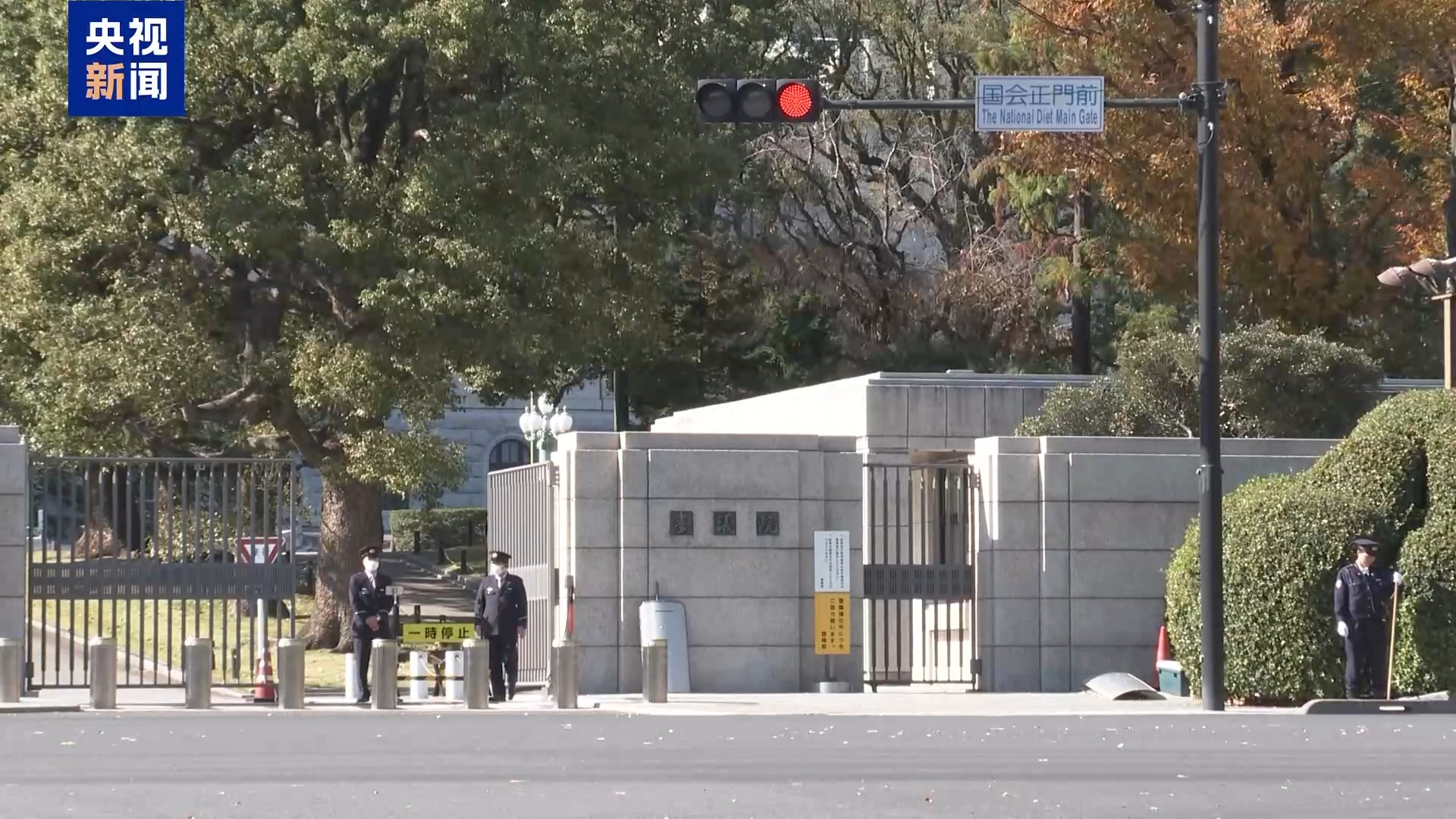
新华时评:高市早苗不思悔改意欲何为
Xin Hua She· 2025-11-28 09:40
新华社北京11月27日电 日本首相高市早苗近期在国会答辩时公然发表涉台露骨挑衅言论,粗暴干涉中 国内政,且不思悔改,拒不撤回错误言论。日本政府还频频为其错误言论强行辩解。如此顽固立场,暴 露了日本右翼势力的持续抬头和军国主义的阴魂不散。 25日,日本政府内阁决议通过答辩书,称高市关于"台湾有事"可能构成"存亡危机事态"的国会答辩"不 改变日本政府的一贯立场"。日方所谓"一贯立场"的具体内容到底是什么?日方能不能完整公开地表述 这个"一贯立场"?日方一再重复所谓"立场未变"的概念,却始终没有触及问题实质。答辩书老调重弹, 看似在"找补"高市言论的恶劣影响,实则仍在为错误观点遮掩、背书,反复变奏"台湾有事就是日本有 事"等谬论。这种只提概念回避实质的政治伎俩,对中方关于收回错误言论的正当要求刻意闪躲、企图 蒙混过关,让人不得不质疑,日方到底包藏着什么样的心思? 日本常驻联合国代表还致函联合国,称"日本政府防卫的基本方针是专守防卫这一被动防卫战略"。这不 过是日方欲盖弥彰的谎言。事实胜于雄辩。日本政府近年来在军事安全领域的一系列动作,早已将"专 守防卫"原则这一"和平宪法"的核心要义架空虚化。近期日方一系列危险举动 ...
俄罗斯:保留强硬回应日本的权利
证券时报· 2025-11-28 04:27
Group 1 - Japan is deploying offensive weapons on the southwestern islands near Taiwan, intentionally creating regional tensions and provoking military confrontation [1] - The Chinese Ministry of Defense warned Japan that the People's Liberation Army has the capability and means to defeat any invading enemy, and any provocation will lead to severe consequences [1] - Russia's Foreign Ministry spokesperson stated that Japan's actions are escalating regional security tensions and pose significant risks to neighboring countries, reserving the right to respond firmly [2] Group 2 - Russia is closely monitoring Japan's militarization efforts and has repeatedly warned Japan against deploying U.S. intermediate-range missiles under any pretext [5] - The spokesperson emphasized that Japan's military actions are transforming surrounding islands into military bases, which further exacerbates regional security tensions and threatens neighboring countries [5] - The historical context of conflicts on these islands is highlighted, with a warning that Japan is choosing an aggressive militaristic path again [6] Group 3 - Japan's Prime Minister's remarks about potentially revising the "Three Non-Nuclear Principles" are seen as provocative, with potential irreversible consequences for global strategic security [6]

高市早苗不思悔改意欲何为
Xin Hua She· 2025-11-28 03:39
政治上的挑衅与军事上的躁动互为表里。高市之所以对错误言论拒不悔改,甚至借题发挥,其背后的算 计就是通过渲染所谓"外部威胁"为日本彻底松绑军事限制寻找借口。回顾历史不难发现,以所谓"存亡 危机"和"自卫"为名发动对外侵略,是日本军国主义的惯用手段。日本曾多次以夸大外部威胁、捏造"存 亡危机"为借口,为其发动侵略战争、破坏地区和平的行为进行辩护和动员。对此,国际社会特别是地 区国家都有深切而惨痛的共同记忆。高市妄图再次将这一危险概念具象化,复活军国主义的险恶用心昭 然若揭。 日本首相高市早苗近期在国会答辩时公然发表涉台露骨挑衅言论,粗暴干涉中国内政,且不思悔改,拒 不撤回错误言论。日本政府还频频为其错误言论强行辩解。如此顽固立场,暴露了日本右翼势力的持续 抬头和军国主义的阴魂不散。 25日,日本政府内阁决议通过答辩书,称高市关于"台湾有事"可能构成"存亡危机事态"的国会答辩"不 改变日本政府的一贯立场"。日方所谓"一贯立场"的具体内容到底是什么?日方能不能完整公开地表述 这个"一贯立场"?日方一再重复所谓"立场未变"的概念,却始终没有触及问题实质。答辩书老调重弹, 看似在"找补"高市言论的恶劣影响,实则仍在为错误 ...
国际人士:高市早苗错误言论威胁地区和平
Yang Shi Xin Wen Ke Hu Duan· 2025-11-28 02:23
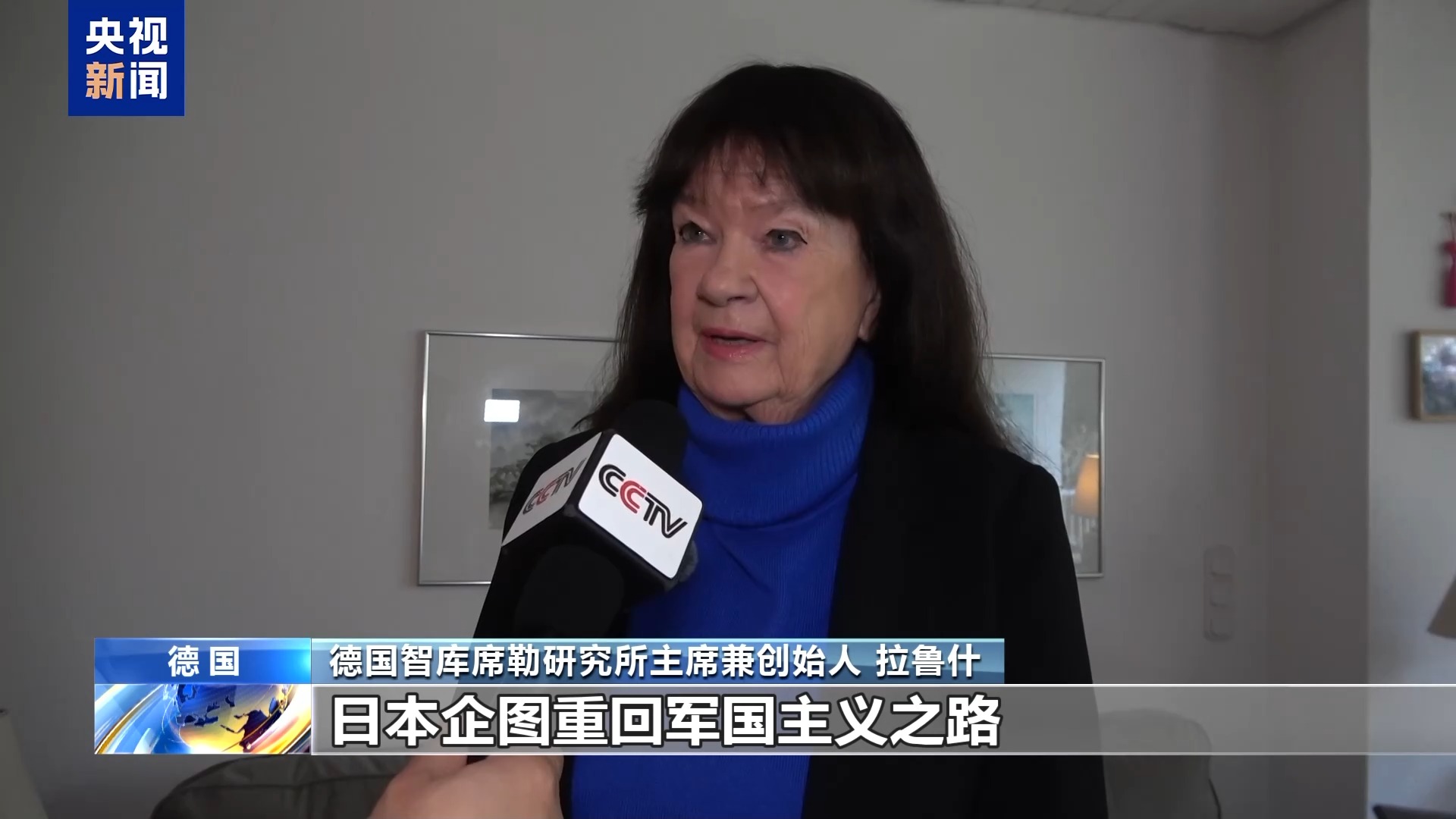
厄瓜多尔学者 伊斯梅尔·维拉克雷斯:在我看来,日本新任首相的言论对地区和平构成威胁,煽动不稳定。这种不稳定可能在多个方面显现。 针对日本首相高市早苗近期发表的涉台错误言论,国际人士表示,此举对地区和平构成威胁,加剧地区紧张局势。 德国《青年世界报》主编 尼克·布劳恩斯:我认为这样的言论在当前局势下极其危险,日本首相不但没有运用外交手段解决或遏制冲突,反而用她的言论进 一步加剧了潜在的冲突风险。日本对历史完全缺乏批判态度,当年作为一个残暴的军国主义国家,侵略并企图征服其他国家和民族,而如今的日本竟然毫无 批判地继承了这一传统。 德国智库席勒研究所主席兼创始人 拉鲁什:(高市早苗的)做法显示出日本企图重回军国主义之路,我认为日本正在出现一种趋势,而这种趋势确实根植 于之前的侵略,我对此感到非常担忧。 ...
人民日报仲音:严重越线挑衅,高市早苗终将自食其果
Ren Min Ri Bao· 2025-11-27 23:19
Core Points - Japanese Prime Minister Kishi Nobuo's provocative remarks regarding Taiwan suggest a potential military intervention, which has been met with stern objections from China [1][2] - The comments are seen as a serious challenge to China's sovereignty and territorial integrity, violating international principles and agreements [1][2] - The remarks have sparked widespread criticism within Japan, indicating a disconnect between the government and public sentiment [3][4] Group 1: Provocation and Sovereignty - Kishi Nobuo's statements represent the first time a Japanese leader has linked Taiwan's situation to Japan's collective self-defense, signaling a dangerous ambition for military involvement [1] - The remarks challenge China's sovereignty as established by historical documents and international resolutions, emphasizing that Taiwan is a core interest of China [1][2] Group 2: Historical Context and Public Reaction - The year marks the 80th anniversary of both the victory in the Anti-Japanese War and Taiwan's liberation, highlighting the historical grievances against Japan's past actions [2] - There is significant domestic backlash in Japan, with public protests against Kishi Nobuo's comments, reflecting a strong sentiment against militaristic rhetoric [3][4] Group 3: International Relations and Stability - Kishi Nobuo's comments threaten regional peace and stability, drawing condemnation from various international figures and organizations [4] - The remarks undermine Japan's post-war international standing and could lead to Japan's isolation on the global stage due to perceived unreliability in foreign policy [3][4]
严重越线挑衅,高市早苗终将自食其果
Ren Min Ri Bao· 2025-11-27 22:30
Core Viewpoint - The recent provocative remarks by Japanese Prime Minister Sanae Takaichi regarding Taiwan have escalated tensions, suggesting potential military intervention in the Taiwan Strait, which has been met with strong opposition from China [1][2][3][4]. Group 1: Provocation and Sovereignty - Takaichi's statements are seen as a serious provocation against China's sovereignty and territorial integrity, marking the first time a Japanese leader has linked Taiwan's situation to Japan's collective self-defense [1]. - The remarks contradict established international agreements that affirm China's sovereignty over Taiwan, including the Cairo Declaration and the Potsdam Proclamation [1]. Group 2: Historical Context and National Sentiment - This year marks the 80th anniversary of both the victory in the Chinese People's Anti-Japanese War and the recovery of Taiwan, highlighting the historical grievances stemming from Japan's colonial rule over Taiwan [2]. - Takaichi's comments are viewed as an affront to the collective memory of the suffering caused by Japan's wartime actions, which included significant atrocities against Chinese and Asian peoples [2]. Group 3: Military Expansion and International Relations - Takaichi's linkage of Taiwan's situation to Japan's collective self-defense is perceived as a pretext for military expansion, raising concerns about a resurgence of militarism in Japan [2][3]. - The remarks have drawn widespread criticism within Japan, with public protests indicating a significant portion of the population opposes Takaichi's stance [3]. Group 4: International Order and Legal Principles - Takaichi's statements challenge the post-World War II international order and Japan's pacifist constitution, which restricts military actions [3][4]. - The inconsistency in Japan's foreign policy regarding Taiwan undermines its credibility on the international stage, potentially isolating Japan diplomatically [3][4]. Group 5: Regional Stability and Global Reactions - The assertion that "Taiwan's issues are Japan's issues" poses a threat to regional peace and stability, with international figures expressing concern over the implications of Takaichi's remarks [4]. - The potential for Japan to become a destabilizing factor in the region is highlighted by reactions from other countries, emphasizing the need for Japan to reflect on its historical actions [4].
新华时评丨高市早苗不思悔改意欲何为
Xin Hua She· 2025-11-27 14:21
25日,日本政府内阁决议通过答辩书,称高市关于"台湾有事"可能构成"存亡危机事态"的国会答辩"不 改变日本政府的一贯立场"。日方所谓"一贯立场"的具体内容到底是什么?日方能不能完整公开地表述 这个"一贯立场"?日方一再重复所谓"立场未变"的概念,却始终没有触及问题实质。答辩书老调重弹, 看似在"找补"高市言论的恶劣影响,实则仍在为错误观点遮掩、背书,反复变奏"台湾有事就是日本有 事"等谬论。这种只提概念回避实质的政治伎俩,对中方关于收回错误言论的正当要求刻意闪躲、企图 蒙混过关,让人不得不质疑,日方到底包藏着什么样的心思? 日本常驻联合国代表还致函联合国,称"日本政府防卫的基本方针是专守防卫这一被动防卫战略"。这不 过是日方欲盖弥彰的谎言。事实胜于雄辩。日本政府近年来在军事安全领域的一系列动作,早已将"专 守防卫"原则这一"和平宪法"的核心要义架空虚化。近期日方一系列危险举动,包括对武器出口"松 绑"后首次出口杀伤性武器、自民党启动讨论修订"安保三文件"、将在与中国台湾邻近的西南诸岛部署 进攻性武器等,更进一步暴露其突破"和平宪法"束缚、挑战战后国际秩序的政治图谋,让所谓"被动防 卫战略"的说辞显得苍白无力, ...
日月谭天丨妄图为日本军国主义招魂,高市早苗必遭清算痛击!
Yang Shi Xin Wen· 2025-11-27 07:59
Core Viewpoint - Japanese Prime Minister Sanae Takaichi's provocative remarks regarding Taiwan have drawn significant criticism from various sectors, highlighting the potential dangers of Japan's right-wing movements and their implications for regional stability [1][2][3]. Group 1: Political Context - Takaichi's comments in the Diet signal a dangerous shift in Japan's political stance, suggesting a willingness to intervene militarily in Taiwan issues, which China has condemned as crossing a red line [1]. - The remarks are seen as part of a broader trend among Japanese right-wing factions aiming to break free from Japan's pacifist constitution and revive militaristic sentiments [1][3]. Group 2: Historical Background - Takaichi has a history of extreme right-wing actions, including questioning Japan's acknowledgment of its wartime actions and advocating for a revisionist narrative regarding Japan's colonial past [2]. - Her political career is marked by controversial actions, such as visiting the Yasukuni Shrine and denying historical atrocities like the Nanjing Massacre [2][3]. Group 3: Military Developments - Japan's Defense Minister recently announced plans to deploy medium-range air defense missiles in the Ryukyu Islands, which are strategically close to Taiwan, indicating a military buildup in the region [4]. - The Japanese Self-Defense Forces have developed operational plans for potential conflicts in the Taiwan Strait, revealing a clear military strategy that aligns with Takaichi's rhetoric [4][5]. Group 4: Regional Implications - The rhetoric surrounding "Taiwan's situation" is viewed as a pretext for Japan's right-wing factions to expand military capabilities and move away from post-war defense principles [5]. - Japan's increasing military budget and discussions around revising its nuclear policies have raised alarms both domestically and internationally, suggesting a shift towards more aggressive military posturing [5].
人民日报钟声:恪守“和平宪法”,日本才有立世之本
Ren Min Ri Bao· 2025-11-25 23:23
Core Viewpoint - Japan is attempting to break free from the constraints of international law as a defeated nation in World War II, leading to a potential resurgence of militarism, which poses a serious threat to peace and stability in Asia and the world [1][3][4] Summary by Sections Japan's Recent Actions - Japan has made several provocative moves, including the first export of lethal weapons since easing restrictions in 2023, discussions within the ruling party to revise security documents, and plans to deploy offensive weapons on islands near Taiwan [1][3] International Legal Obligations - International documents such as the UN Charter, the Potsdam Declaration, and Japan's surrender documents clearly outline Japan's obligations as a defeated nation, including disarmament and restrictions on military capabilities [2][3] Domestic and International Reactions - There is growing concern from both domestic and international communities regarding Japan's shift away from its post-war pacifism, with criticism from scholars, media, and public protests against the government's militaristic rhetoric [3][4] Historical Context and Responsibilities - The historical context emphasizes the importance of acknowledging past mistakes to prevent future conflicts, urging Japan to adhere to international law and its own pacifist constitution to build trust with neighboring countries and the international community [4]