
蓝色经济

Search documents
中国对外投资流量连续13年位居全球前三
Zhong Guo Xin Wen Wang· 2025-08-27 02:18
Group 1 - Since 2012, China has ranked among the top three in global outbound investment flows for 13 consecutive years, with an outbound investment of $162.78 billion in 2024, representing a 10.1% increase from the previous year [1] - As of the end of 2024, China has established over 50,000 enterprises abroad across 190 countries and regions, with an outbound investment stock exceeding $3 trillion, maintaining a global share of 7.2% [1] - China's outbound investment spans 18 sectors of the national economy, with nearly 80% concentrated in five key areas: manufacturing, finance, information technology, wholesale and retail, and leasing and business services [1] Group 2 - In 2023, China's direct investment in countries participating in the Belt and Road Initiative reached $50.99 billion, a 22.9% increase from the previous year, accounting for 26.5% of total outbound investment [1] - By the end of 2024, the investment stock in Belt and Road Initiative countries is projected to reach $370 billion, representing 11.8% of China's total outbound investment stock [1] - From 2021 to 2024, China's outbound investment has facilitated nearly $1.2 trillion in goods trade, contributing significantly to job creation and tax revenue in host countries, thereby promoting mutual economic development [2]
一百一十多个国家和地区、国际组织代表团报名参加投洽会 携手中国 投资未来(权威发布)
Ren Min Ri Bao· 2025-08-26 21:47
Group 1 - The 25th China International Investment Trade Fair (CIFIT) will be held from September 8 to 11 in Xiamen, Fujian Province, focusing on "Investing in China," "Chinese Investment," and "International Investment" [1][2] - The event will feature over 70 investment-themed activities and more than 100 specialized roadshows, with approximately 120,000 square meters of exhibition space [2] - Nearly 100 multinational companies and international investment institutions have confirmed participation, indicating China's significant potential for attracting foreign investment [4][6] Group 2 - The fair will host representatives from over 110 countries and regions, with 51 countries and regions setting up exhibitions, highlighting the global interest in international investment [3] - The event aims to provide a stable and predictable environment for foreign investment, emphasizing China's commitment to expanding its openness and improving the business environment [5] - China's outbound investment is projected to reach $162.78 billion in 2024, reflecting a 10.1% increase from the previous year, with a strong presence in various sectors [6] Group 3 - From 2021 to 2024, China's outbound investment has facilitated nearly $1.2 trillion in goods imports and exports, contributing significantly to job creation and economic development in host countries [7] - The Belt and Road Initiative has seen direct investment of $50.99 billion in participating countries in 2024, marking a 22.9% increase and showcasing China's commitment to cooperative development [7]
商务部:中国现在既是吸引外资的大国,同时也是全球对外投资大国
Sou Hu Cai Jing· 2025-08-26 13:47
Core Viewpoint - The 25th China International Investment and Trade Fair will be held soon, highlighting China's significant role as both a major recipient of foreign investment and a leading global investor [1] Group 1: Foreign Investment Overview - China’s foreign investment reached $162.78 billion in 2024, marking a 10.1% increase from the previous year [3] - Since 2012, China has ranked among the top three countries globally in foreign investment flow for 13 consecutive years, with over 50,000 enterprises established overseas by the end of 2024 [3] - The total foreign investment stock exceeds $3 trillion, maintaining a global top-three position and accounting for 7.2% of the world's total foreign investment [3] Group 2: Investment Diversification - China's foreign investment spans 18 sectors, with manufacturing, finance, information technology, wholesale and retail, and leasing and business services making up nearly 80% of the total [3] - Emerging sectors such as green low-carbon, digital economy, green minerals, and blue economy are also seeing steady investment growth [3] Group 3: Belt and Road Initiative - Direct investment in Belt and Road Initiative countries reached $50.99 billion last year, a 22.9% increase, representing 26.5% of China's total foreign investment [4] - By the end of 2024, the investment stock in Belt and Road countries is projected to reach $370 billion, accounting for 11.8% of total foreign investment stock [4] - The initiative has fostered rapid development in China's foreign investment, promoting a collaborative and shared growth model [4] Group 4: Mutual Benefits - From 2021 to 2024, China's foreign investment is expected to drive nearly $1.2 trillion in goods imports and exports, contributing significantly to job creation and tax revenue in host countries [4] - The upcoming investment fair will feature an increase in activities related to foreign investment, including the first-ever foreign investment thematic press conference [5]

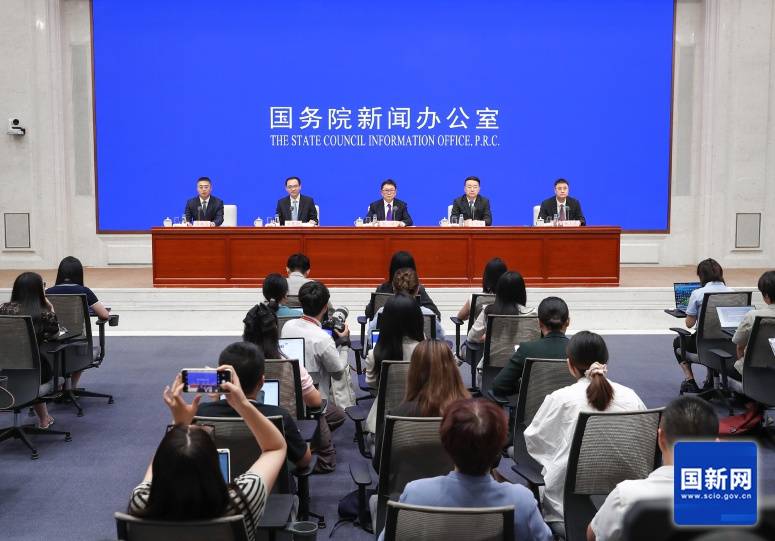
商务部:2012年以来,中国对外投资流量连续13年位居全球前三
Sou Hu Cai Jing· 2025-08-26 11:06
Group 1 - The 25th China International Investment and Trade Fair will be held from September 8 to 11 in Xiamen, Fujian Province [1] - Since 2012, China's outbound investment flow has ranked among the top three globally for 13 consecutive years [3] - In 2024, China's outbound investment is projected to reach $162.78 billion, representing a 10.1% increase from the previous year [3] Group 2 - China's outbound investment has shown strong resilience and vitality, with over 50,000 enterprises established overseas across 190 countries and regions by the end of 2024 [3] - The stock of China's outbound investment exceeds $3 trillion, maintaining a top-three position globally for eight consecutive years, accounting for 7.2% of global outbound investment [3] - The diversification of China's outbound investment covers 18 sectors, with nearly 80% concentrated in manufacturing, finance, information technology, wholesale and retail, and leasing and business services [3] Group 3 - Investment cooperation under the Belt and Road Initiative has yielded significant results, with direct investment in Belt and Road countries reaching $50.99 billion in the previous year, a 22.9% increase [3] - By the end of 2024, the stock of China's investment in Belt and Road countries is expected to reach $370 billion, accounting for 11.8% of total outbound investment stock [3] Group 4 - From 2021 to 2024, China's outbound investment has facilitated nearly $1.2 trillion in goods trade, contributing significantly to employment and tax revenue in host countries, thus achieving mutual benefits [4]
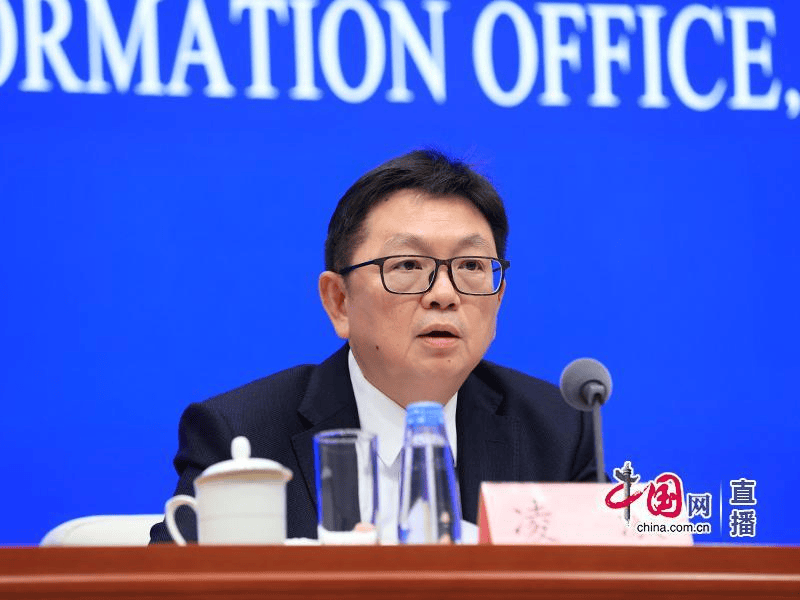
商务部:去年我国对外投资达1627.8亿美元 比上年增长10.1%
Sou Hu Cai Jing· 2025-08-26 10:53
Core Insights - Since 2012, China's outbound investment flow has ranked among the top three globally for 13 consecutive years, with over 50,000 enterprises established overseas by the end of 2024, spanning 190 countries and regions [1][3]. Group 1: Outbound Investment Overview - In 2024, China's outbound investment reached $162.78 billion, marking a 10.1% increase from the previous year [3]. - The total stock of China's outbound investment exceeds $3 trillion, maintaining a global share of 7.2% [3]. - The international competitiveness of Chinese enterprises has improved, contributing positively to the stability of global supply chains [3]. Group 2: Sectoral Diversification - China's outbound investment covers 18 sectors of the national economy, with manufacturing, finance, information technology, wholesale and retail, and leasing and business services accounting for nearly 80% of the total [3]. - Emerging fields such as green low-carbon, digital economy, green minerals, and blue economy are also seeing steady investment growth [3]. Group 3: Belt and Road Initiative - In the previous year, direct investment in Belt and Road Initiative countries amounted to $50.99 billion, a 22.9% increase, representing 26.5% of China's total outbound investment [4]. - By the end of 2024, the investment stock in Belt and Road countries is projected to reach $370 billion, accounting for 11.8% of the total outbound investment stock [4]. - The Belt and Road Initiative has facilitated rapid growth in China's outbound investment, showcasing China's commitment to open cooperation [4]. Group 4: Upcoming Investment Fair - The upcoming investment fair will feature a significant increase in activities related to outbound investment compared to previous years, including the first-ever specialized release on outbound investment [4]. - Nine important public information products will be released, including the inaugural China Outbound Investment Activity Index [4]. - Financial institutions will host international investment cooperation events, with participating countries like the UK conducting bilateral investment promotion sessions [4].
“合力打造中国-东盟蓝色经济新引擎研讨会”在吉隆坡举行
Zhong Guo Xin Wen Wang· 2025-08-26 09:17
Core Viewpoint - The seminar on "Building a New Engine for China-ASEAN Blue Economy" emphasizes the importance of blue economy as a shared market for economic growth and trade cooperation between China and ASEAN countries [1] Group 1: Seminar Overview - The seminar was held in Kuala Lumpur, Malaysia, and was hosted by the China (Hainan) Reform and Development Research Institute [2] - Key participants included government officials, experts, and industry representatives from China, Malaysia, the Philippines, and Thailand, totaling over 40 attendees [1] Group 2: Key Themes and Discussions - The discussions focused on several key topics, including the potential of marine resource value, integration of blue economy industries, and the role of Hainan Free Trade Port in developing a China-ASEAN marine tourism and cultural economy [1] - The blue economy partnership aligns with the growing cooperation between China and ASEAN, reflecting shared priorities such as economic growth, security, and sustainability [1]
中国对外投资存量已超3万亿美元 今年投洽会对外投资活动将有明显增加
Zheng Quan Shi Bao Wang· 2025-08-26 08:56
Group 1 - China's foreign investment flow has ranked among the top three globally for 13 consecutive years, and the stock of foreign investment has maintained a top three position for eight years [1][2] - The 25th China International Investment and Trade Fair (CIFIT) will be held from September 8 to 11 in Xiamen, focusing on "Investing in China," "Chinese Investment," and "International Investment" with over 70 investment-themed activities and 100 presentations [1][3] - Nearly 100 multinational company executives and international investment institution leaders have confirmed their participation in this year's CIFIT, indicating China's significant investment potential [1] Group 2 - Since 2012, China's foreign investment flow has consistently ranked among the top three globally, with over 50,000 enterprises established overseas by the end of 2024, covering 190 countries and regions [2] - China's foreign investment stock exceeds $3 trillion, accounting for 7.2% of global foreign investment, with nearly 80% of investments concentrated in manufacturing, finance, information technology, wholesale and retail, and leasing and business services [2] - Direct investment in Belt and Road Initiative (BRI) countries reached $50.99 billion last year, a 22.9% increase from the previous year, representing 26.5% of China's total foreign investment [2]
商务部:本届投洽会将首次发布中国对外投资活跃度指数
Zhong Guo Xin Wen Wang· 2025-08-26 08:41
Core Viewpoint - The 25th China International Investment and Trade Fair will feature a special session on foreign investment, highlighting China's robust foreign investment growth and its significant role in global investment dynamics [1][2]. Group 1: Foreign Investment Trends - China is both a major recipient and a leading global investor, with foreign investment reaching $162.78 billion in 2024, marking a 10.1% increase from the previous year [1]. - Since 2012, China's foreign investment flow has ranked among the top three globally for 13 consecutive years, with over 50,000 enterprises established abroad across 190 countries and regions by the end of 2024 [1]. - The total foreign investment stock exceeds $3 trillion, maintaining a global top-three position and accounting for 7.2% of the world's foreign investment [1]. Group 2: Sectoral Diversification - China's foreign investment spans 18 sectors, with manufacturing, finance, information technology, wholesale and retail, and leasing and business services making up nearly 80% of the total [2]. - Emerging sectors such as green low-carbon, digital economy, green minerals, and blue economy are also seeing steady investment growth [2]. Group 3: Belt and Road Initiative - Direct investment in Belt and Road Initiative countries reached $50.99 billion last year, a 22.9% increase, representing 26.5% of China's total foreign investment [2]. - By the end of 2024, the investment stock in Belt and Road countries is projected to reach $370 billion, accounting for 11.8% of total foreign investment stock [2]. Group 4: Mutual Benefits - From 2021 to 2024, China's foreign investment is expected to drive nearly $1.2 trillion in goods trade, contributing significantly to employment and tax revenues in host countries [2]. Group 5: Investment Fair Activities - The current investment fair will feature an increase in activities related to foreign investment, including the launch of the foreign investment activity index and various bilateral investment promotion events [3].
潮州饶平:“潮”向深蓝,让“饶平鱼”游向世界餐桌
Nan Fang Nong Cun Bao· 2025-08-25 16:03
Core Viewpoint - The article highlights the innovative practices in Raoping County, Guangdong, focusing on transforming traditional fishing methods into modern, sustainable aquaculture, thereby enhancing economic benefits and ecological sustainability [6][7][16]. Group 1: Aquaculture Innovations - Raoping County has implemented a "wood to plastic" demonstration project, introducing new square plastic net cages to replace traditional wooden fish rafts, addressing issues of damage, pollution, and low efficiency [6][7]. - A total of 317 deep-water plastic net cages have been deployed, with 4.2 million fish fry released, projecting an annual output value of 650 million yuan [12][16]. - The county has established a provincial-level flower bass breeding farm, achieving a significant leap in breeding technology and producing 8 million fry, filling a gap in the province [22][30]. Group 2: Economic Development Strategies - Raoping County is focusing on "technology empowerment, ecological priority, and full-chain integration" to develop its marine economy, aiming to turn the ocean into a "blue granary" [15][16]. - The county's aquaculture industry, including shrimp and abalone fry, has a combined annual output value of 477 million yuan and 600 million yuan respectively, with products being sold to various provinces [36]. - The county is also investing 2.12 billion yuan in a modern pre-prepared food industrial park, enhancing product value and market competitiveness [60][62]. Group 3: Environmental Sustainability - Raoping County has developed a comprehensive marine ranch construction plan for 2023-2025, designating areas for aquaculture and conservation, freeing up approximately 200,000 acres for nearshore aquaculture [38][39]. - The county is actively removing traditional wooden fish rafts, with plans to phase out 59,000 units, promoting a shift to more sustainable practices [48][50]. - The focus on deep-sea aquaculture is expected to yield nearly 700 million yuan in output value, with 520 deep-water net cages already in operation [52][51]. Group 4: Tourism and Economic Diversification - Raoping County is developing coastal tourism, creating premium tourism routes and exploring recreational projects, which has led to the successful designation of the West Australia Island scenic area as a national AAA-level tourist attraction [63][65]. - The integration of tourism with the marine economy is aimed at stimulating new economic growth and expanding the reach of Raoping's seafood products to global markets [62][66].

海上“丰”景正盛,阳江“蓝色粮仓”是如何炼成的?
Nan Fang Nong Cun Bao· 2025-08-25 08:02
Core Viewpoint - The article highlights the development of Yangjiang's marine economy, focusing on the establishment of modern marine ranching and the integration of various industries to enhance economic growth and sustainability [1][2][3]. Group 1: Marine Ranching Development - Yangjiang has created three national-level marine ranch demonstration zones, including the largest in the country, with a planned seawater aquaculture area of 24,300 hectares and an output of 820,000 tons by 2024, accounting for 21.8% of the province's total [8][9]. - The city has seen a 4.46% increase in seawater aquaculture output in the first half of 2025, reaching 385,000 tons, marking the highest growth rate in five years [9]. - Yangjiang is advancing a project called "34715," which aims to develop a comprehensive marine ranching industry chain and promote the modernization of marine fisheries [25][26]. Group 2: Deep-Sea Aquaculture Initiatives - The city has established three deep-water net cage aquaculture bases, with a total of 955 deep-water cages, ranking second in the province for both quantity and output [33]. - The "Yangxi No. 1" deep-sea comprehensive aquaculture platform project, which includes a main breeding platform and 30 deep-water cages, has begun construction and is designed to withstand severe weather conditions [35][36]. - The "Hailing Island No. 1" ecological marine ranch innovation park project aims to enhance intelligent aquaculture, with an expected output of 1,700 tons and an annual value of nearly 50 million yuan [40]. Group 3: Seed Industry and Technological Advancements - Yangjiang is a significant base for marine seed production, with projections for 2024 to produce 4.5 billion oyster seeds, 8.8 billion shrimp seeds, and over 3.3 billion marine fish seeds, accounting for over 49% of the province's total [49][51]. - The city has established a "Guangdong Provincial Doctoral Workstation" to enhance fish seed quality and production, with an annual output of approximately 300 million fish seeds valued at 100 million yuan [46][48]. - Yangjiang has developed a comprehensive marine seed industry system, with over 1,000 marine seed hatchery enterprises, and aims to create a national model for marine seed industry development [60][64]. Group 4: Integration of Marine Economy and Tourism - The Yangjiang Hailing Island International Seafood Trading Market serves as a vital platform for connecting local seafood with external markets, enhancing the region's economic profile [74]. - The city is promoting the integration of marine ranching with tourism through events like the "Fishing Season" and "Oyster Food Week," aimed at increasing brand awareness and cultural promotion [76][77]. - Yangjiang is exploring new development paths by integrating marine ranching with offshore wind power, involving major state-owned enterprises to enhance the marine economy [79][80]. Group 5: Future Development Plans - By 2030, Yangjiang plans to establish a modern marine ranching area of approximately 131 square kilometers, with an annual output of 1.05 million tons of marine products and a processing rate of 40% [96][97]. - The city aims to transform its traditional "relying on the sea" approach into a strategic "marine economy" development model, contributing significantly to the "New Guangdong" initiative [100][104].