OLED

Search documents
Mini LED话语权之战:TCL如何用8年成为关键先生
3 6 Ke· 2025-11-22 14:19
Core Viewpoint - TCL has successfully positioned itself as a leader in the display industry by focusing on Mini LED technology, diverging from the industry's trend towards OLED, and has developed a flagship product, the X11L SQD-Mini LED, which showcases significant technological advancements [2][4][42]. Group 1: TCL's Strategic Decision - In contrast to the industry's enthusiasm for OLED, TCL chose to deepen its investment in Mini LED technology, believing it to be superior in terms of technical limits, cost control, and overall performance [4][11]. - The decision to pursue Mini LED was made in 2017, amidst a strong industry focus on OLED, marking a significant divergence from prevailing trends [8][14]. - TCL's commitment to Mini LED involved a long-term exploration of technology, requiring collaboration with the entire supply chain to develop from scratch [5][12]. Group 2: Technological Advancements - TCL's Mini LED technology aims to achieve perfect black levels and infinite contrast ratios, which are traditionally associated with OLED, while maintaining the cost and longevity advantages of LCD [11][17]. - The X11L SQD-Mini LED features 20,736 backlight zones, setting a new industry standard for backlight partitioning and significantly enhancing contrast and brightness [21][42]. - TCL has set an ambitious target of achieving 10,000 nits of peak brightness, which surpasses current flagship mobile devices and aims to deliver an unparalleled viewing experience [23][25]. Group 3: Industry Impact - TCL's advancements in Mini LED technology have positioned it as a leader in the global market, with projections indicating it will be the top seller of Mini LED TVs in 2024 [21][22]. - The successful launch of the X11L SQD-Mini LED signifies a shift in the display technology landscape, marking TCL's transition from a follower to a leader in the high-end television market [42][43]. - The company's journey reflects a broader narrative of the Chinese display industry evolving from dependency on foreign technology to establishing its own technological pathways and innovations [43].


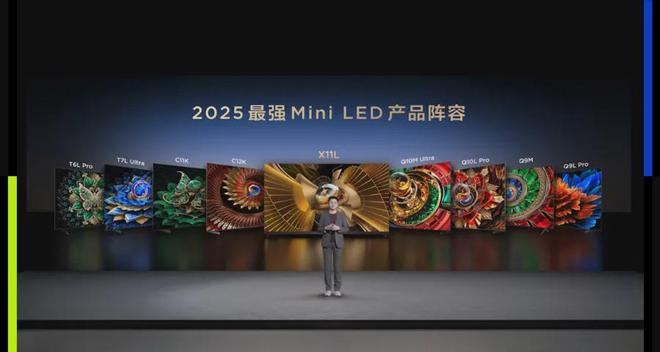
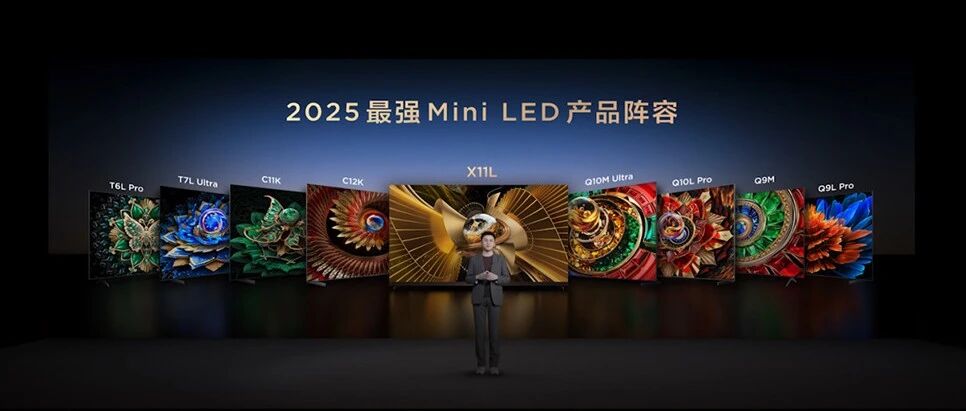
Mini LED话语权之战:TCL如何用8年成为关键先生
36氪· 2025-11-22 13:35
Core Viewpoint - TCL has successfully positioned its SQD X11L Mini LED television as a market leader by choosing to focus on Mini LED technology instead of following the OLED trend, demonstrating a long-term vision and commitment to innovation [6][20][61]. Group 1: Historical Context and Decision Making - The journey began at the 2017 CES, where OLED technology was highly praised, leading many companies to pursue it, while TCL opted to continue developing LCD technology with a focus on Mini LED [4][6][7]. - TCL's decision to invest in Mini LED was seen as a challenging yet correct path, as it allowed the company to leverage existing LCD supply chains and avoid the pitfalls associated with OLED technology [20][17]. - The internal debate at TCL regarding the future direction highlighted the contrast between the established OLED path and the uncertain Mini LED route, with the latter requiring significant R&D investment [12][13][14]. Group 2: Technical Development and Breakthroughs - TCL faced three major challenges in developing Mini LED technology: achieving extreme contrast, brightness, and color accuracy [22][24]. - The company established the Pangu Laboratory to address these challenges, focusing on system-level solutions and optimizing the entire production process from materials to final products [27][29]. - TCL's Mini LED technology achieved a significant milestone with the release of the X11G Max, featuring 20,736 backlight zones, which set a new industry standard [29][60]. Group 3: Industry Impact and Future Prospects - The launch of the X11L SQD-Mini LED television marked a pivotal moment for TCL, showcasing its ability to lead in display technology and shift the narrative from following to leading in the industry [61][62]. - The advancements made by TCL not only highlight the company's technical capabilities but also signify a broader transformation within the Chinese display industry, moving towards self-sufficiency and innovation [61][62]. - Looking ahead, TCL is poised to continue exploring new technologies and solutions, with a structured R&D roadmap in place to guide future developments [63].
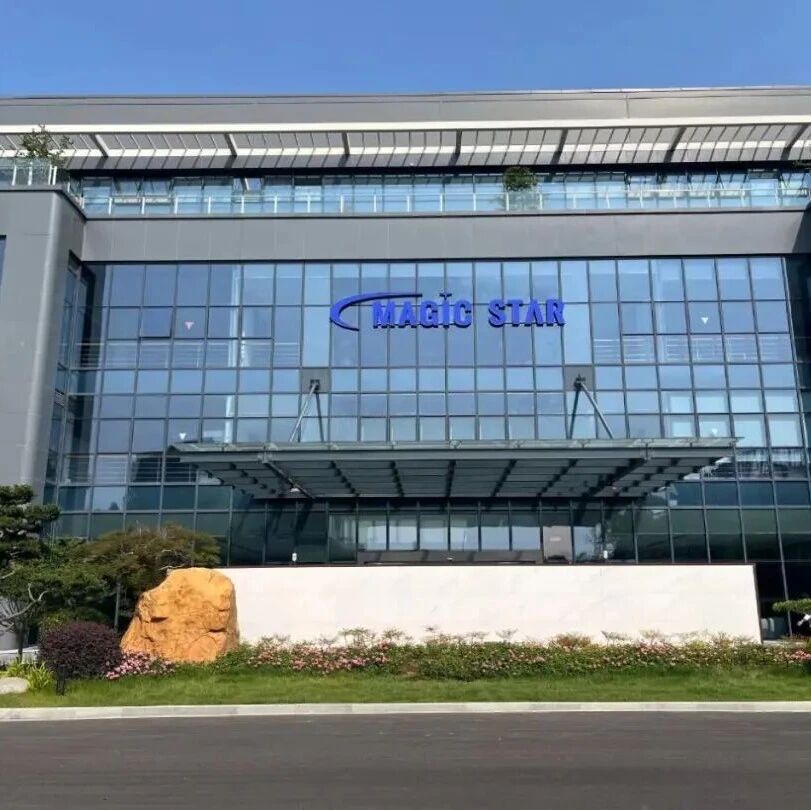
星星科技跌2.08%,成交额1.91亿元,主力资金净流出1642.33万元
Xin Lang Zheng Quan· 2025-11-21 02:20
Core Viewpoint - Star Technology's stock has experienced a decline of 3.20% year-to-date, with a recent drop of 2.08% on November 21, 2023, indicating potential challenges in market performance [1][2]. Company Overview - Star Technology, established on September 25, 2003, and listed on August 19, 2011, is located in Taizhou Bay New District, Zhejiang Province. The company specializes in the research and manufacturing of protective screens for mobile phones and tablets, touch display modules, and high-precision structural components for smart consumer electronics [1]. - The company's revenue composition includes: electric bicycles (29.12%), electric motorcycles (18.53%), structural components (12.93%), electric vehicle parts (12.90%), touch display products (12.86%), protective screens (12.66%), and others (1.00%) [1]. Financial Performance - For the period from January to September 2025, Star Technology reported a revenue of 1.213 billion yuan, reflecting a year-on-year growth of 41.32%. However, the net profit attributable to shareholders was a loss of 5.66 million yuan, although this represents a significant improvement with a year-on-year increase of 95.57% [2]. - The company has cumulatively distributed 62.42 million yuan in dividends since its A-share listing, with no dividends paid in the last three years [3]. Shareholder Information - As of September 30, 2025, the number of shareholders for Star Technology was 93,800, a decrease of 8.27% from the previous period. The average number of circulating shares per shareholder increased by 48.82% to 23,904 shares [2]. - Among the top ten circulating shareholders, Hong Kong Central Clearing Limited holds 20.40 million shares, an increase of 10.89 million shares compared to the previous period [3].

X @TechCrunch
TechCrunch· 2025-11-20 14:20
Samsung Display, China’s BOE settle OLED patent and trade secret lawsuits https://t.co/SDwN99kPWt ...
总投资超40亿!宁波、佛山8.6代OLED掩膜版项目公布最新进展
WitsView睿智显示· 2025-11-20 09:08
Core Viewpoint - The article highlights the recent advancements in the G8.6 generation FMM project by Huancai Star and the mask production project by Qingyi Optoelectronics, with a total investment exceeding 4 billion RMB [1]. Group 1: Huancai Star's G8.6 Generation FMM Project - Huancai Star has completed the installation of the first G8.6 generation FMM manufacturing line in Ningbo, with a total investment of 580 million RMB [2]. - The production line features processing capabilities exceeding 700mm and is claimed to be the most integrated and automated FMM production line globally [2]. - The line integrates core processes such as high-precision lithography, electroforming, and laser cutting, meeting the mass production needs for 8.6 generation OLED panels, with a production efficiency improvement of over 40% compared to G6 generation lines [2]. - The pixel precision control is at the micron level, supporting the manufacturing of high-resolution OLED products like 4K and 8K [2]. - The Ningbo factory, as Huancai Star's core production base, already has the capacity for mass production of G6 generation FMM, and the new G8.6 line will further expand production capacity and enhance the product matrix [2][5]. Group 2: Qingyi Optoelectronics' Mask Production Base - Qingyi Optoelectronics held the inauguration ceremony for its flat panel display and semiconductor mask production base in Foshan on November 14 [6]. - The total investment for the two bases is 3.5 billion RMB, with the high-precision flat panel display mask base accounting for 2 billion RMB, constructed in three phases [8]. - The products from this base will cover a-Si, LTPS, and AMOLED technologies for flat panel displays, targeting 8.6 generation and below [8]. - In February 2025, Qingyi Optoelectronics received approval for a private placement plan to raise 1.2 billion RMB for the construction of the high-precision mask production base and the high-end semiconductor mask production base [8]. - The company specializes in the R&D, design, production, and sales of masks, serving various applications in flat panel displays and semiconductors, including power semiconductors and third-generation semiconductors [9].

同兴达涨2.20%,成交额3509.17万元,主力资金净流出74.54万元
Xin Lang Zheng Quan· 2025-11-20 05:28
Core Viewpoint - The stock of Tongxingda has shown fluctuations with a recent increase of 2.20%, while the company has experienced a year-to-date decline of 4.97% in its stock price [1][2]. Company Overview - Tongxingda Technology Co., Ltd. is located in Longhua District, Shenzhen, Guangdong Province, and was established on April 30, 2004. It was listed on January 25, 2017. The company specializes in the research, design, production, and sales of LCD, OLED display modules, optical camera modules, and advanced semiconductor packaging [2]. - The revenue composition of Tongxingda includes 59.55% from liquid crystal display modules, 35.95% from camera-related products, and 4.49% from other sources [2]. Financial Performance - For the period from January to September 2025, Tongxingda achieved an operating income of 7.605 billion yuan, representing a year-on-year growth of 9.24%. However, the net profit attributable to shareholders was a loss of 15.38 million yuan, a decrease of 121.23% compared to the previous year [2]. - Since its A-share listing, Tongxingda has distributed a total of 152 million yuan in dividends, with 38.86 million yuan distributed over the past three years [3]. Shareholder Information - As of September 30, 2025, the number of shareholders of Tongxingda was 34,700, a decrease of 10.66% from the previous period. The average circulating shares per person increased by 11.93% to 7,205 shares [2]. - Among the top ten circulating shareholders, Hong Kong Central Clearing Limited is the fifth largest, holding 2.9488 million shares as a new shareholder [3].
北京君正跌2.01%,成交额6.62亿元,主力资金净流出5875.32万元
Xin Lang Cai Jing· 2025-11-20 02:34
Core Viewpoint - Beijing Junzheng's stock price has experienced fluctuations, with a year-to-date increase of 25.57% but a recent decline of 11.05% over the past five trading days [1] Company Overview - Beijing Junzheng Integrated Circuit Co., Ltd. specializes in the research and sales of microprocessor chips, smart video chips, storage chips, and analog chips [1][2] - The company was established on July 15, 2005, and went public on May 31, 2011 [1] Financial Performance - For the period from January to September 2025, Beijing Junzheng reported a revenue of 3.437 billion yuan, representing a year-on-year growth of 7.35%, while the net profit attributable to shareholders decreased by 19.75% to 244 million yuan [2] - Cumulative cash dividends since the A-share listing amount to 439 million yuan, with 183 million yuan distributed over the past three years [3] Shareholder Information - As of September 30, 2025, the number of shareholders increased by 6.03% to 108,100, with an average of 3,891 circulating shares per person, a decrease of 5.68% [2] - Major shareholders include Hong Kong Central Clearing Limited and various ETFs, with notable changes in their holdings [3]

芯瑞达跌2.06%,成交额1692.53万元,主力资金净流入15.25万元
Xin Lang Cai Jing· 2025-11-19 03:06
Core Viewpoint - The stock of Xinruida has experienced fluctuations, with a recent decline of 2.06% and a year-to-date increase of 2.99%, indicating volatility in its market performance [1][2]. Company Overview - Xinruida Technology Co., Ltd. was established on May 15, 2012, and went public on April 28, 2020. The company is located in Hefei Economic and Technological Development Zone, specializing in the research, design, production, sales, and technical services of new display optoelectronic systems and intelligent health light source systems [2]. - The main revenue composition of Xinruida includes display modules (88.12%), display terminals (10.24%), other (1.52%), and health intelligent light sources (0.13%) [2]. Financial Performance - For the period from January to September 2025, Xinruida achieved operating revenue of 733 million yuan, a year-on-year decrease of 4.11%. However, the net profit attributable to the parent company was 94.27 million yuan, reflecting a year-on-year increase of 25.75% [2]. - Since its A-share listing, Xinruida has distributed a total of 246 million yuan in dividends, with 167 million yuan distributed over the past three years [3]. Shareholder Information - As of September 30, 2025, Xinruida had 21,300 shareholders, a decrease of 6.86% from the previous period. The average circulating shares per person increased by 7.36% to 6,008 shares [2]. - The top ten circulating shareholders include new entrant Bodao Jiuhang Mixed A (008318), holding 443,400 shares, while several other funds have exited the top ten list [3].
九目化学闯关北交所:露笑科技董事长妻子为二股东
Sou Hu Cai Jing· 2025-11-18 13:15
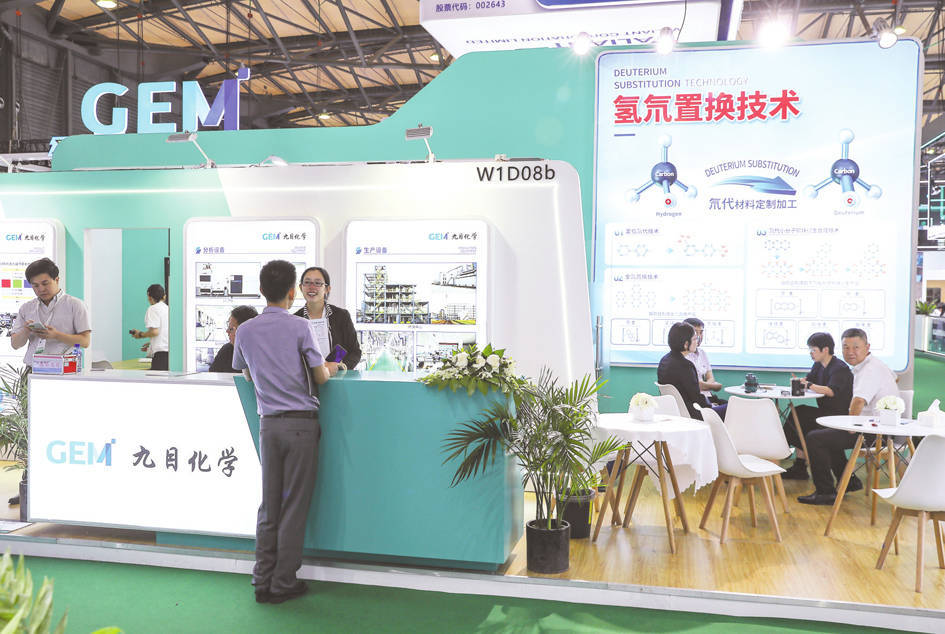
Core Viewpoint - Yantai Jiumu Chemical Co., Ltd. (hereinafter referred to as Jiumu Chemical), backed by Wanrun Co., Ltd., is preparing for an IPO on the Beijing Stock Exchange, but faces concerns regarding its financial performance and inventory levels [1][3]. Company Overview - Jiumu Chemical specializes in the research, production, and sales of OLED (Organic Light Emitting Diode) front-end materials, including OLED sublimation precursor materials and intermediates [4]. - The company was established in 2005 and became a subsidiary of Wanrun Co., Ltd. after its acquisition in 2010, with Wanrun currently holding 45.33% of Jiumu Chemical's shares [4][5]. Financial Performance - Jiumu Chemical's revenue increased from 706 million yuan in 2022 to 962 million yuan in 2024, while net profit rose from 204 million yuan to 254 million yuan during the same period [8]. - However, in the first three quarters of the current year, the company reported a revenue decline of 17.36% year-on-year, totaling 611 million yuan, and a net profit drop of 23.47%, amounting to 154 million yuan [8][9]. Inventory Concerns - The company's inventory has surged to 523 million yuan, a year-on-year increase of approximately 25.12%, raising questions about potential unsold stock [9]. - Inventory accounted for 66.78% of current assets as of the third quarter, up from 58.58% in 2022 [9]. Expansion Plans - Despite the underutilization of production capacity (below 80%), Jiumu Chemical plans to raise 1 billion yuan for expansion, aiming to add 280 tons of OLED front-end materials capacity [3][9]. - The company's production capacity utilization rate has significantly decreased from 108.54% in 2022 to 68.08% in 2023 [9]. Shareholder Activity - Notable shareholders include individuals who have realized substantial profits from their investments, with one individual reportedly cashing out over 300 million yuan [5][6]. - The shareholder structure includes institutional investors, with some having exited their positions shortly after investing [6][8].


涉及设备、薄膜材料,两家韩企获OLED业务订单
WitsView睿智显示· 2025-11-18 08:34
Core Viewpoint - Recent announcements from two South Korean companies regarding new OLED business orders highlight the growing demand for OLED manufacturing equipment and functional film materials for flexible OLED panels [1]. Group 1: FINETEK's OLED Equipment Contract - FINETEK signed a contract worth 15 billion KRW (approximately 73.05 million RMB) with Samsung Display Vietnam for OLED manufacturing equipment, valid until September 30, 2026 [2]. - The new order represents 21.16% of FINETEK's sales from the previous year, indicating significant growth potential [4]. - FINETEK has faced challenges in the first half of the year due to tariff issues but anticipates continued orders related to OLED equipment as tariff negotiations conclude and the downstream industry enters a major investment phase [4]. Group 2: JK Materials' Functional Film Materials Order - JK Materials, a subsidiary of Hanul Materials Science, received an order for functional film materials for flexible OLED panels from a major Chinese OLED manufacturer [5]. - The company previously secured its first order for OLED panel film materials in September, which helped a large panel manufacturer in China significantly reduce production costs [5]. - JK Materials focuses on high-specification film materials for flexible OLEDs, advanced packaging materials, and semiconductor patterning and thermal management materials, breaking the exclusive supply chain previously dominated by Japanese manufacturers [5][6]. Group 3: Production Capacity Expansion - JK Materials is constructing a semiconductor and electronic composite materials factory in Sejong, South Korea, covering approximately 18,000 square meters [6]. - The completion of this project will allow JK Materials to transition from an R&D outsourcing model to direct large-scale production, ensuring stable supply to meet global order demands [6].