育儿补贴

Search documents
@宝爸宝妈 如何申领育儿补贴?操作流程一文说清
Xin Lang Cai Jing· 2025-08-29 00:26
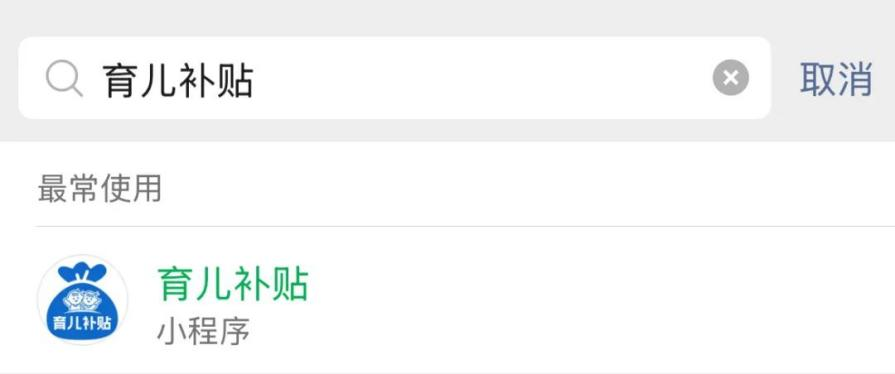
Core Points - The implementation plan for the childcare subsidy system was officially released in July 2023, with subsidies of 3600 yuan per year for each child until they reach 3 years old starting from January 1, 2025 [1][8] - The subsidy is available for all children under 3 years old, including those born before January 1, 2025, with the amount prorated based on the number of eligible months [8][9] Application Process - The application can be made online through third-party platforms such as Alipay and WeChat, with the Alipay application portal starting trial operation on August 19, 2023, and the WeChat portal on August 25, 2023 [1][3] - Users can search for the "childcare subsidy" mini-program on these platforms to begin the application process, which is designed to be completed in about 5 minutes [3][6] - The system allows for temporary storage of application data, enabling users to complete their submissions later if they do not have all required information at once [4][6] Required Documentation - Applicants need to prepare specific documents, which may vary by province, including the household registration book and the first page showing the household number [6][8] - It is advised to review the required materials on the application portal before submission to avoid complications [4][6] Offline Application - An offline application process is also available, allowing individuals to apply at local government offices with the necessary documentation [6][8] - Local officials have been trained to assist applicants and ensure they understand the subsidy process [8] Eligibility and Taxation - The subsidy is available to families with children under 3 years old, and the application must be submitted by one parent or guardian [9] - The childcare subsidy is exempt from personal income tax and does not count as income for those receiving minimum living security or other assistance [9] Fraud Awareness - There have been reports of scams related to the childcare subsidy application process, emphasizing the importance of using official channels and being cautious of requests for personal information or payments [10][11]

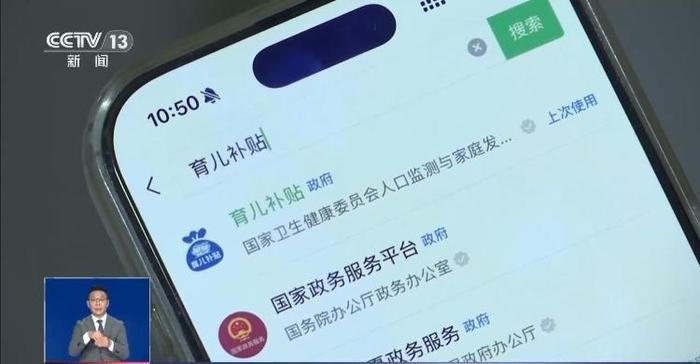
育儿补贴系统试运行启动 首批宝妈已完成填报
Yang Shi Wang· 2025-08-28 09:52
Group 1 - The national childcare subsidy system has officially launched its implementation plan and is currently in the trial operation phase [1] - Parents in Shanghai have started receiving invitations to participate in the trial operation of the subsidy system [1] - The subsidy standard allows parents to claim 3 years of support for infants born on or after January 1, 2023, with an annual subsidy of 3,600 yuan, totaling 10,800 yuan [3] Group 2 - Parents with children born in 2022 can receive a prorated subsidy based on the number of months since birth [3] - The trial operation of the subsidy system is being conducted in phases across different regions, with the official application opening date to be announced by the government [6] - The subsidy program has gained visibility, as evidenced by the appearance of "childcare subsidy" as a trending search term on platforms like Alipay [4]
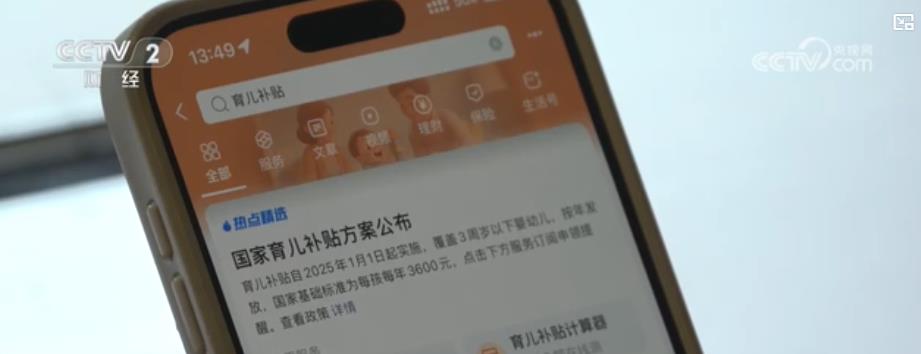
各地即将全面开放育儿补贴申领 微信申请入口已上线
Yang Guang Wang· 2025-08-27 13:26
Group 1 - The "Childcare Subsidy Implementation Plan" was officially released on July 28, providing a subsidy of 3,600 yuan per child per year for infants under three years old who meet legal requirements [1] - The National Health Commission announced that applications for the childcare subsidy will be fully open across the country by August 31 [1] - Residents in eligible areas have begun applying for the childcare subsidy through third-party service platforms like WeChat and Alipay since the plan's release [1] Group 2 - The childcare subsidy can be applied for through a national unified information management system, with dedicated application sections on provincial government service platforms and third-party platforms like WeChat and Alipay [2] - Users can search for "Childcare Subsidy" on WeChat to access the official mini-program and apply by entering their infant's registered province [2] - Subscribed users can complete the online application by clicking "Invited, Try Now" in the WeChat mini-program [3] Group 3 - Non-subscribed users must click "View Invitation" in the WeChat mini-program, select "Not Invited, Subscribe Now," and wait for a service notification to access the application page [5] - Users can track their application progress through the "Progress" section at the bottom of the application page [5] Group 4 - The National Health Commission staff advises individuals to choose official channels for application to avoid scams [7] - Recent scams related to the "Childcare Subsidy" involve fraudsters impersonating government departments and creating fake websites to collect personal information [8] - Police warn that legitimate government departments will not collect information through private links and provide tips to identify scams, such as checking the source and domain of information [10]
育儿补贴没到手就有母婴产品涨价,安儿乐、好奇回应
Xin Lang Ke Ji· 2025-08-27 03:40
Core Viewpoint - The article highlights the recent price increases of baby products such as milk powder and diapers, occurring just before the implementation of childcare subsidies, causing financial strain on families [1] Group 1: Price Increases - Baby formula prices have reportedly increased by over 60 yuan per can within a month [1] - Diaper prices have risen by several to tens of yuan, despite unchanged specifications [1] - Brands affected include Yili's Jinling Crown for milk powder and An'erle and Huggies for diapers [1] Group 2: Brand Responses - Yili has not responded to inquiries regarding the price increase [1] - An'erle's official customer service denied the price hike rumors, attributing price variations to different promotional activities [1] - Huggies' official customer service stated that prices vary based on different promotional periods [1]

南京育儿补贴申领通道开启 系统试运行阶段采用订阅“邀约制”逐步开放
Nan Jing Ri Bao· 2025-08-26 01:57
Core Points - The implementation plan for the childcare subsidy system was officially released in July, with third-party service platforms launching and a deadline for applications set for August 31 [1] - The subsidy provides 3,600 yuan per child per year for children under three years old, with eligibility extending to children born on or after January 1, 2025, who can apply for three consecutive years [1] - Online application has become the primary channel, with parents able to apply through a national unified childcare subsidy information management system and third-party platforms like Alipay and WeChat [1] Summary by Sections - **Application Process**: The system is currently in a trial phase, using a subscription "invitation system" for gradual opening. Parents who subscribed in advance have received notifications to proceed with their applications [2] - **Special Provisions**: For those unable to apply online, offline application channels are available, allowing citizens to apply in person with necessary documents at local administrative offices [2]
警惕育儿补贴被隐性收割
Sou Hu Cai Jing· 2025-08-25 22:49
Core Viewpoint - The recent discussions surrounding "childcare subsidies not yet received and the price increase of maternal and infant products" have garnered widespread attention, with consumers and merchants holding differing views on price hikes, making it difficult to reach a consensus. However, there are concerns that some manufacturers and distributors may exploit the policy benefits through stockpiling practices [1]. Group 1: Price Sensitivity and Consumer Concerns - Consumers are highly sensitive to prices, especially for essential items like milk powder and diapers, leading to widespread reports of price increases in maternal and infant products [3]. - The timing of the recent price adjustments coinciding with the announcement of childcare subsidies has raised public anxiety and speculation about potential exploitation of the policy [3]. - Past experiences with consumer goods subsidies, where some e-commerce platforms raised prices before offering discounts, have contributed to consumer skepticism regarding the effectiveness of the subsidies [3]. Group 2: Market Dynamics and Business Practices - The childcare subsidy is intended to boost consumption in the maternal and infant sector, but some brands are facing backlash for allegedly taking advantage of the situation, which could damage their reputation [4]. - The complexity of promotional activities and frequent price changes can create a perception of arbitrary price increases, necessitating greater transparency and simplification in pricing strategies from brands and platforms [4]. - Regulatory authorities are urged to monitor price trends of essential items like milk powder and diapers closely, and to impose strict penalties on any collusion to raise prices under the guise of policy benefits [4].

育儿补贴申领入口上线!操作方法来了→
蓝色柳林财税室· 2025-08-25 08:37
Core Viewpoint - The article discusses the implementation of the "Childcare Subsidy System," which provides a subsidy of 3,600 yuan per child per year for children under three years old, with applications open until August 31 [1][2]. Group 1: Application Process - The childcare subsidy can be applied for through a nationwide unified information management system, utilizing provincial government service platforms and third-party services like Alipay and WeChat [2][15]. - Users can find the application entry by searching "育儿补贴" on Alipay or WeChat, where the official mini-program is available [2][8]. - The application process involves selecting the relevant province after entering the subsidy system [10][11]. Group 2: Notification and Subscription - Parents who have subscribed for application notifications have already begun receiving alerts about the application process [3][5]. - The Alipay system is currently in trial operation, allowing users to subscribe for application notifications to receive timely updates [2][8]. Group 3: Offline Application - For those unable to apply online, an offline application channel remains available, where individuals can visit local government offices with necessary documents like household registration and birth certificates [18]. - It is advised to follow official channels for both online and offline applications to avoid scams [18]. Group 4: Scam Awareness - The article highlights potential scams related to the childcare subsidy, including impersonation of government officials and fraudulent websites [20][23]. - Parents are warned to be cautious of requests for personal information or payments, as legitimate government processes will not require such actions [20][24].

育儿补贴申领入口上线!操作方法来了→
中国基金报· 2025-08-25 04:47
Group 1 - The core viewpoint of the article is the implementation of the "Childcare Subsidy System," which provides a subsidy of 3,600 yuan per child per year for children under three years old, effective from July [2] - The application for the childcare subsidy can be done through a nationwide unified information management system, with access available on platforms like Alipay and WeChat [4][28] - The application process includes searching for "育儿补贴" on Alipay or WeChat, selecting the relevant province, and filling out the required information [16][19][23] Group 2 - For those unable to apply online, there is an option for offline application, where individuals can visit local government offices with necessary documents [34] - The article warns about potential scams related to the childcare subsidy, advising individuals to be cautious of fraudulent schemes that impersonate government agencies [36][42] - It emphasizes that legitimate information will only be disseminated through official government platforms, and individuals should verify the authenticity of any links or requests for personal information [40][41]
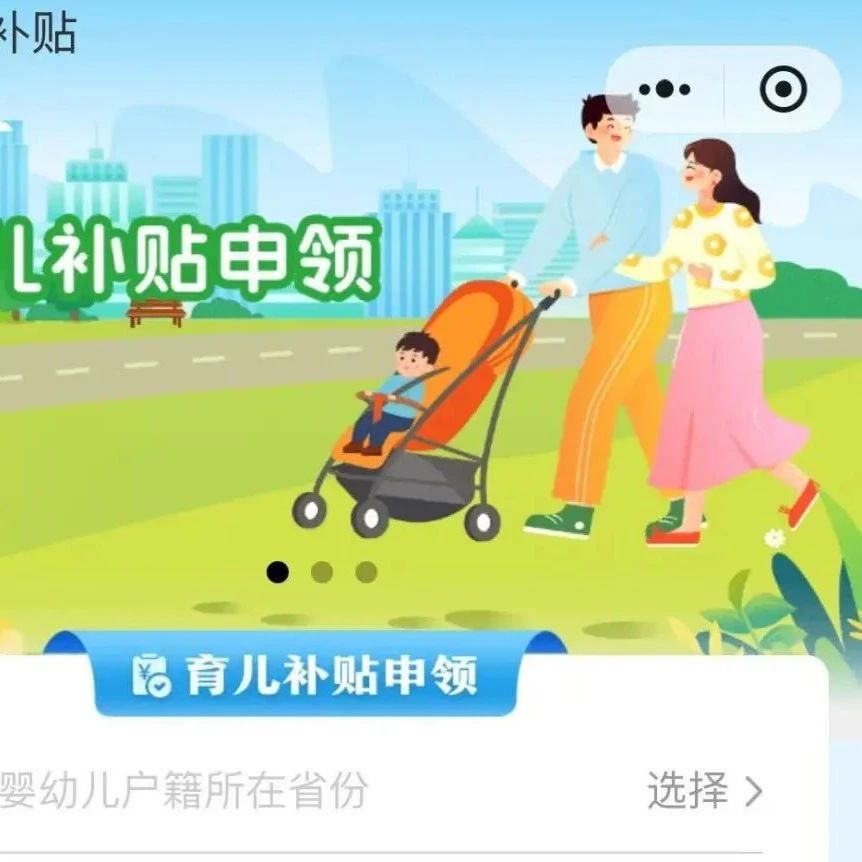
育儿补贴在哪领?申领入口上线 手把手教你操作
Yang Shi Xin Wen· 2025-08-24 08:32
Group 1 - The core point of the article is the implementation of the "Childcare Subsidy System," which provides a subsidy of 3,600 yuan per child per year for children under three years old who meet legal requirements [1] - The National Health Commission announced that the application for childcare subsidies will be fully open by August 31 [1] Group 2 - The subsidy can be applied for through a national unified childcare subsidy information management system, accessible via provincial government service platforms and third-party platforms like Alipay and WeChat [2] - Users can find the official mini-program for the subsidy by searching "育儿补贴" on Alipay or WeChat [2][15] - The Alipay system for childcare subsidies has begun trial operation, allowing users to subscribe for application notifications [6] Group 3 - The application process involves selecting the province, filling in relevant information about the child and applicant, and submitting necessary documents such as the birth certificate [13][21] - For those unable to apply online, there is an option for offline application at local government offices with required documents [22] Group 4 - There are warnings about potential scams related to the childcare subsidy, including impersonation of government officials and creating fake urgency [24][25] - The police advise vigilance against scams that require upfront payments or personal information [28]
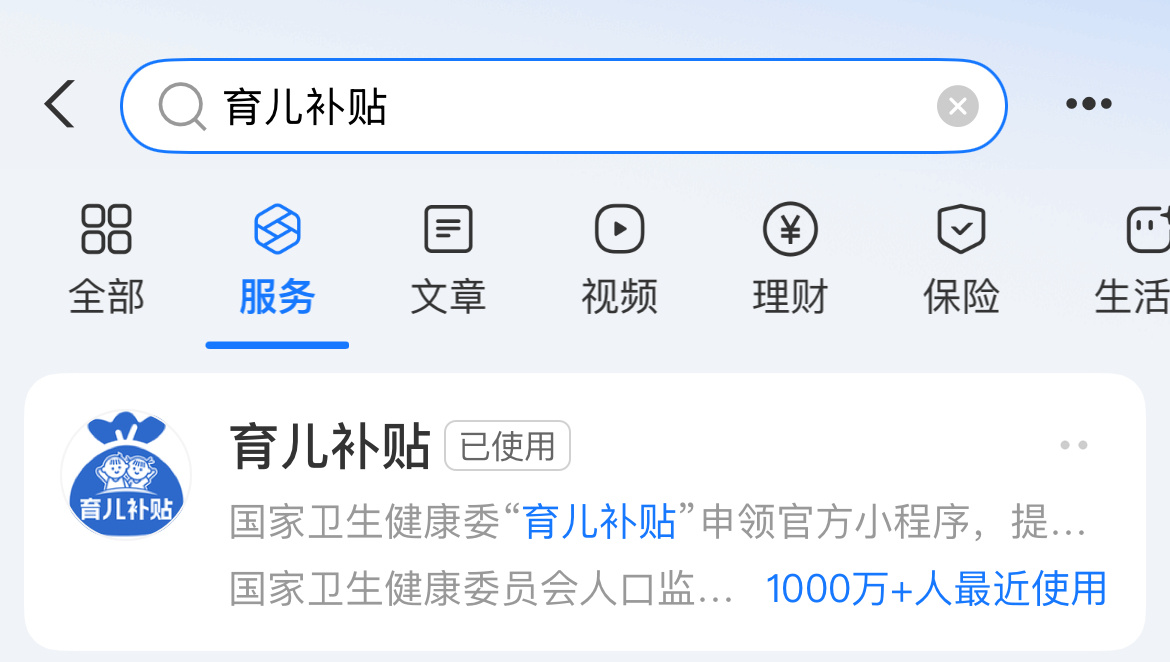
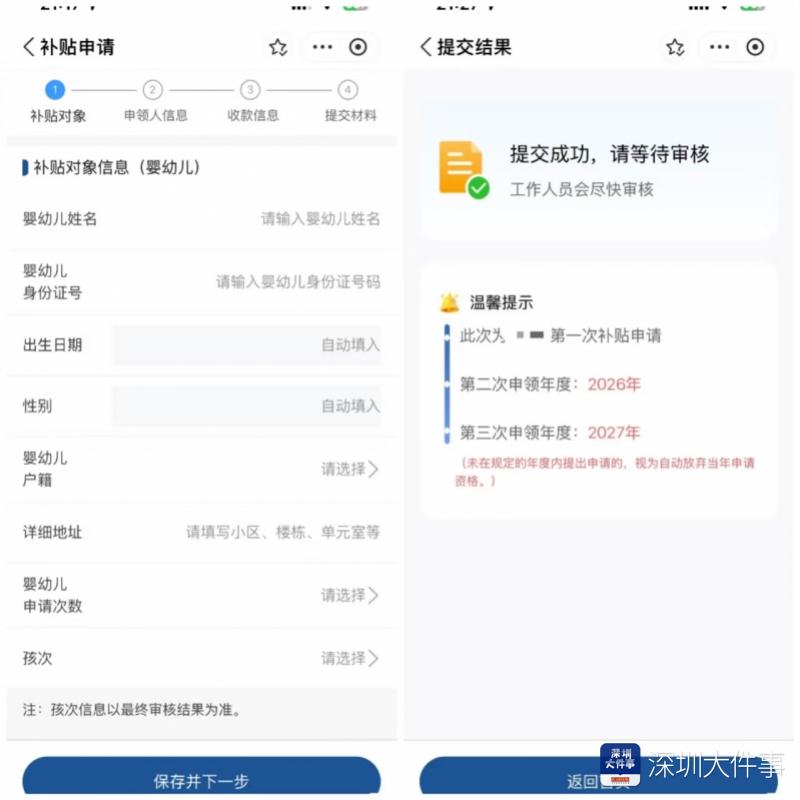
育儿补贴可以申请了?除育儿补贴 深圳生娃还有这么多福利?
Nan Fang Du Shi Bao· 2025-08-24 01:07
Group 1 - The Guangdong province has opened applications for childcare subsidies, as reported by several users on social media [1][3] - The national childcare subsidy program will be implemented starting January 1, 2025, covering children under three years old, with an annual subsidy of 3,600 yuan per child [3][15] - The online application system for the Guangdong childcare subsidy is currently in a trial phase and is only available to a limited number of users [12][15] Group 2 - Users have reported that they are able to fill out the application, indicating that the system is operational for some [1][12] - The application process includes a subsidy calculator to estimate the amount eligible for claim based on the child's birth date [10][11] - The full rollout of the subsidy application system is expected to be completed by August 31, 2023, across various regions [15]