
研发创新

Search documents
远东传动:持续聚焦主业提升核心竞争力
Sou Hu Cai Jing· 2025-11-25 01:12
Core Viewpoint - The company emphasizes its commitment to investor relations and market value management, focusing on core business development and expanding into smart manufacturing and the new energy vehicle market [2] Group 1: Company Performance and Strategy - The company is dedicated to enhancing its core competitiveness by extending its industrial chain and investing in research and innovation [2] - Since its listing, the company has maintained annual cash dividends, totaling 1.285 billion yuan, with a dividend payout ratio exceeding 90% [2] Group 2: Investor Relations and Market Dynamics - The company actively manages investor relations and information disclosure to encourage long-term investment and reward shareholder support [2] - Stock price fluctuations are influenced by various factors, including the company's profitability, development prospects, macroeconomic policies, financial regulations, speculative market behavior, and investor sentiment [2]

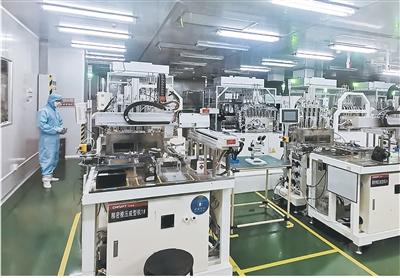
长株潭,工业重镇“霸得蛮”
Ren Min Ri Bao Hai Wai Ban· 2025-11-24 23:08
Core Viewpoint - Hunan's industrial enterprises are focusing on R&D innovation during the "14th Five-Year Plan" period, enhancing product service quality and optimizing production processes to achieve significant advancements in the industrial chain [7][10]. Group 1: Industrial Transformation - Hunan's industrial sector is undergoing significant transformation through technological upgrades, intelligent modifications, and green reforms, revitalizing traditional industries [8]. - The automation and intelligence in production processes have reduced the need for manual labor by over 50% in companies like Xiangtan Steel Group, enhancing product performance and market recognition [8][9]. - Xiangtan Steel has successfully developed over 100 high-end steel varieties, achieving full specification coverage and gaining recognition from major clients [9]. Group 2: Economic Impact - In 2023, Xiangtan City initiated 448 "three reforms and one expansion" projects, with completed projects generating over 37 billion yuan in new annual output value and over 1.9 billion yuan in new tax revenue [10]. - Completed projects have improved overall production efficiency by over 20% and significantly reduced pollution emissions [10]. Group 3: R&D and Innovation - Hunan's industrial and information technology department reports an average annual growth of 7% in industrial added value from 2021 to 2024, surpassing the national average [11]. - The province is fostering a high-tech manufacturing environment, with a focus on smart manufacturing and continuous R&D investment, which is crucial for future growth [14][17]. - Companies like Hunan Saidelete Satellite Technology are prioritizing R&D, with over 75% of their workforce dedicated to research, showcasing the importance of innovation in the industrial landscape [15]. Group 4: Collaboration and Future Directions - The collaboration among industry players is essential for overcoming challenges and achieving technological advancements, as seen in the efforts of companies like CRRC Zhuzhou Electric Locomotive [12][13]. - Hunan aims to enhance its industrial economy by focusing on smart, green, and integrated development, thereby creating a new growth trajectory for its industrial sector [17].

冲刺1500万产值!大龙阳光箱包斩获百万美元订单稳产能
Sou Hu Cai Jing· 2025-11-23 08:56
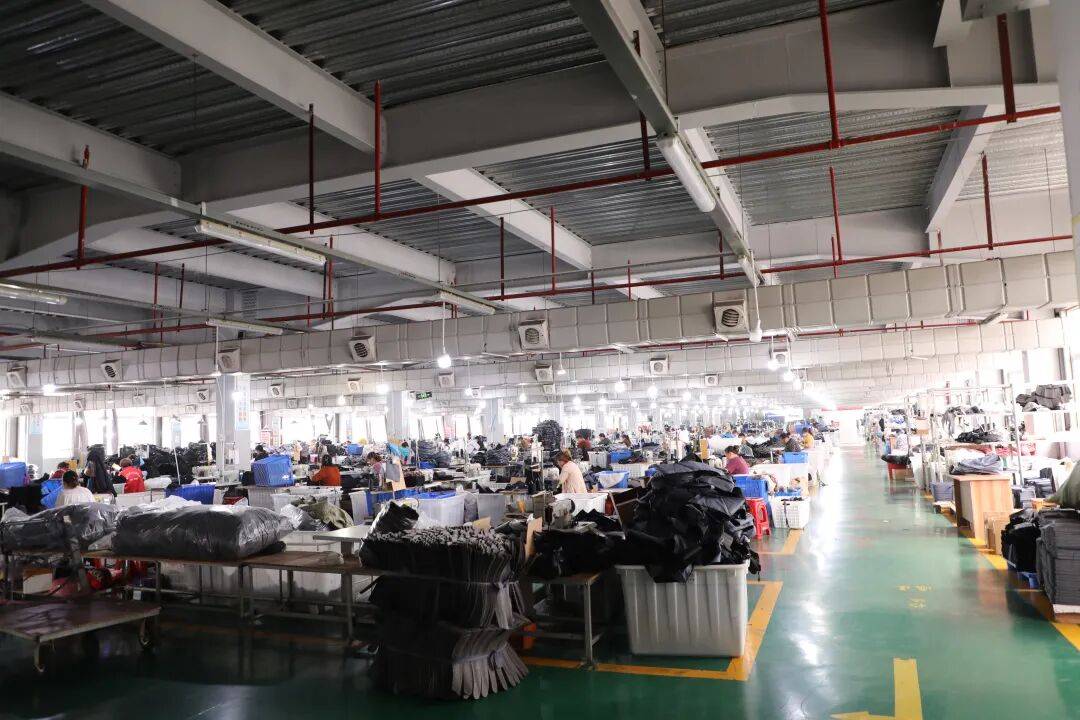
Core Viewpoint - The Dalong Development Zone is experiencing significant industrial activity as companies ramp up production to meet year-end targets, particularly in labor-intensive and high-tech sectors [1]. Group 1: Company Performance - Guizhou Sunshine Bag Company is actively producing 34,500 bags for both domestic and international markets, with an expected annual output of 350,000 bags and a projected revenue of 15 million yuan, reflecting a 36% year-on-year increase [3][5]. - The company has expanded its production lines from four to five this year, enhancing both production scale and efficiency, and has secured a total of 3 million USD in orders from the recent Canton Fair, with 1 million USD in on-site transactions [6]. Group 2: Employment and Community Impact - The company provides numerous stable job opportunities for local residents, contributing to the economic development of the area while ensuring a dual benefit of corporate growth and local employment stability [9]. - The development zone hosts 153 industrial enterprises that collectively support thousands of jobs, demonstrating a symbiotic relationship between business growth and community employment [9]. Group 3: Future Plans - The company aims to expand its international market presence and explore new sales channels, including live e-commerce and new retail formats, while committing 5% of its revenue growth annually to new product development and technology innovation [9].
迈瑞医疗回应投资者:公司未来将持续加大研发创新
Sou Hu Cai Jing· 2025-11-22 09:03
Core Viewpoint - Company maintains a strong commitment to R&D investment, allocating approximately 10% of annual revenue to R&D, which is among the highest in the medical device industry [1][2] Group 1: R&D Investment - Cumulative R&D investment reached 21.556 billion yuan since the company went public in 2018, reinforcing the core R&D foundation for future development [1] - Company emphasizes the importance of R&D innovation as a core driving force, continuously increasing investment to lead the market with cutting-edge products [1] Group 2: Product Development Challenges - The development of medical devices, such as defibrillators, involves a lengthy process, taking ten years from R&D to market, with five years dedicated to establishing certification standards [2] - Company adopts a steady approach to R&D, respecting life and ensuring responsible innovation, while maintaining a leading position in global R&D investment [2] Group 3: Future R&D Directions - Future R&D efforts will focus on developing higher-performance reagents, clearer imaging devices, and more precise minimally invasive instruments to enhance early disease detection and treatment [2] - The company aims to improve healthcare quality and efficiency through digital solutions, ultimately extending quality healthcare to a broader population [2]

如何才能带好团队?不愧是顶级企业家,任正非真的太有眼界了
Sou Hu Cai Jing· 2025-11-21 08:45
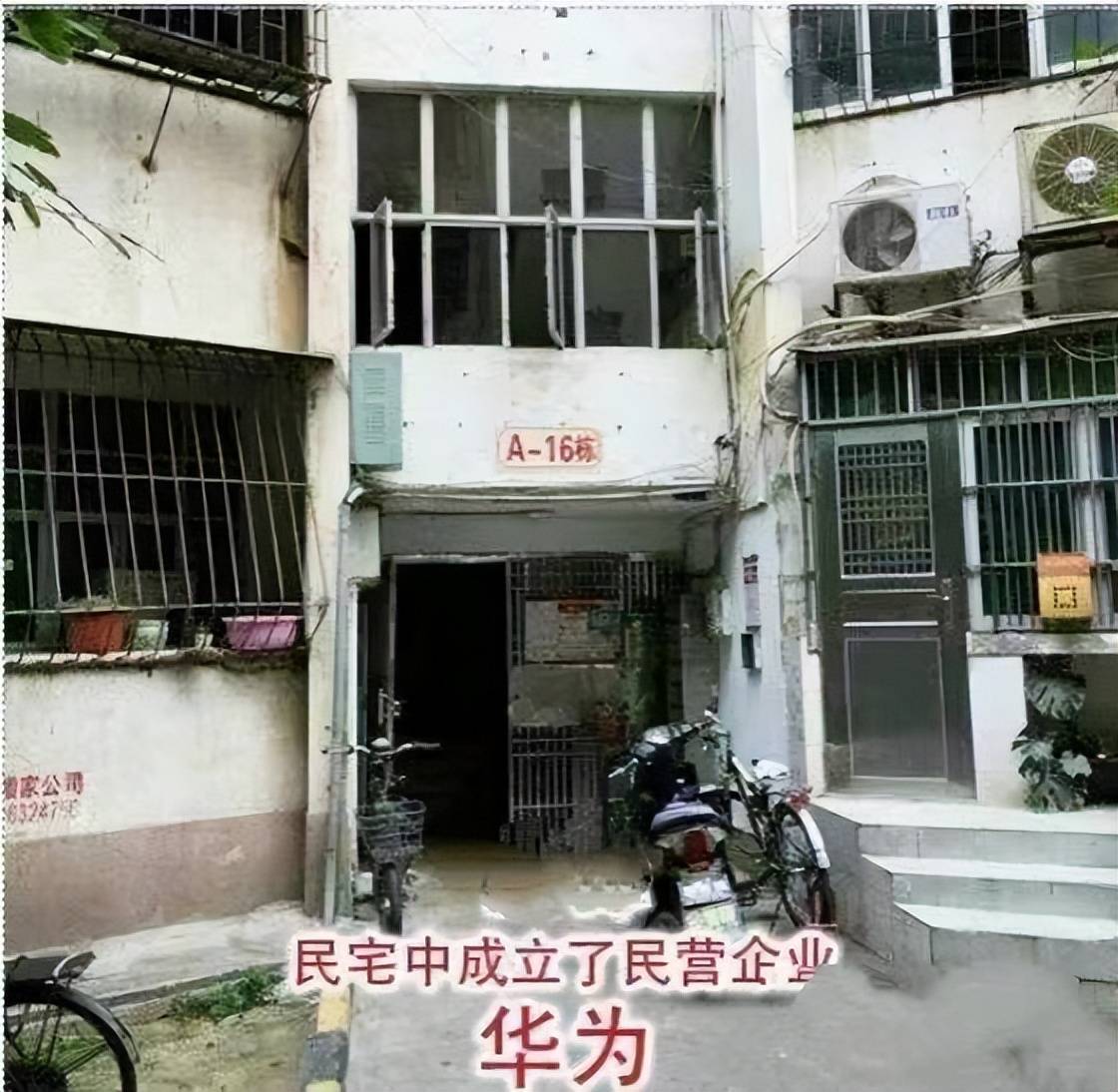
Group 1 - The importance of a reasonable elimination mechanism within teams to maintain vitality and combat bureaucracy, emphasizing that employee longevity is not always a positive indicator [1] - The necessity of having a correct direction for efforts, highlighting that financial gain should not be the sole motivation for entrepreneurship, but rather a pursuit of ideals [3][4] - The critical role of research and development (R&D) in fostering innovation, asserting that both large and small companies need to prioritize R&D to remain competitive in the knowledge economy [4][5] Group 2 - The need to combat entropy through continuous effort, as individuals and teams may become complacent after overcoming challenges [6][9] - The principle of equality among employees and management, stressing the importance of fair assessment and accountability in fostering a respectful work environment [11] - The necessity for decisive leadership, especially in challenging situations, while also promoting collective decision-making to enhance team cohesion [12][13]
迈瑞医疗:研发投入比例和规模均在医疗器械企业中处于领先地位
Jiang Nan Shi Bao· 2025-11-21 08:31
Core Viewpoint - Company maintains a strong commitment to R&D investment, allocating approximately 10% of annual revenue to R&D, which is among the highest in the medical device industry [1][2] Group 1: R&D Investment - Cumulative R&D investment reached 21.556 billion yuan since the company went public in 2018, reinforcing its core R&D capabilities for future growth [1] - The company emphasizes the importance of R&D innovation as a driving force, continuously increasing investment to develop market-relevant products [1] Group 2: Industry Challenges - The development of medical devices, such as defibrillators, involves a lengthy process, taking up to ten years from R&D to market launch, with five years dedicated to establishing certification standards [2] - The company acknowledges that technological breakthroughs in medical devices require a gradual accumulation of knowledge and cannot be achieved through shortcuts [2] Group 3: Future Directions - The company plans to enhance R&D innovation by developing higher-performance reagents and clearer imaging devices for early disease detection, as well as more precise and user-friendly minimally invasive instruments [2] - The goal is to improve healthcare quality and efficiency while reducing costs, ultimately extending quality healthcare to a broader population [2]
康缘药业:公司始终坚定研发创新
Zheng Quan Ri Bao· 2025-11-18 13:41
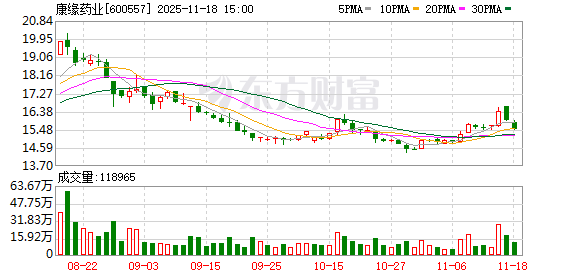
证券日报网讯康缘药业11月18日在互动平台回答投资者提问时表示,公司始终坚定研发创新,各创新药 研发管线稳步推进,希望未来能提供更多满足市场临床需求、具备差异化竞争优势的创新药产品组合, 增强公司市场竞争力。 (文章来源:证券日报) ...

建设工业(002265) - 2025年11月18日投资者关系活动记录表
2025-11-18 09:42
Group 1: Company Overview - The company operates in three main sectors: special products, automotive parts, and strategic emerging industries [2][3] - Special products include lightweight weaponry, with exports to dozens of countries, focusing on modernization through mechanization, informatization, and intelligence [2] - The automotive parts sector includes components like connecting rods and braking systems, adapting to trends in electrification and lightweighting, with a leading market share in connecting rods [2] Group 2: Market Management and Investor Relations - The company emphasizes the importance of market value management, focusing on operational management, strategic planning, and enhancing communication with market participants [3] - There is currently no equity incentive plan, but any future plans will comply with legal disclosure requirements [3] Group 3: Research and Development - In the first half of 2025, the company invested ¥118,603,321.52 in R&D, representing a year-on-year increase of 16.44% [3] Group 4: Financial Management - As of Q3 2025, accounts receivable amounted to ¥1,670,123,877.30, an increase of 24.49% from the beginning of the year, with measures in place for monitoring and collection [3] - The company has made adequate provisions for potential impairment losses in accordance with accounting standards [3] Group 5: Shareholder Information - As of November 10, 2025, the number of shareholders is 90,600 [4]

豪美新材:拟募资不超18.97亿元 用于华东、华南汽车轻量化高性能铝型材及零部件产能扩充项目等
Di Yi Cai Jing· 2025-11-17 14:17
Core Viewpoint - The company plans to issue A-shares to specific investors to raise a total of no more than 1.897 billion yuan for various projects including capacity expansion and technological upgrades [1] Group 1: Fundraising Details - The total amount to be raised is capped at 1.897 billion yuan [1] - The funds will be allocated to projects such as the expansion of high-performance aluminum profiles and components for automotive lightweighting in East and South China, the establishment of a research and innovation center, and the intelligent technology transformation of the South China production base [1] - The issuance will target no more than 35 specific investors, including qualified securities investment fund management companies and securities firms as per the regulations of the China Securities Regulatory Commission [1] Group 2: Issuance Conditions - The issuance price will not be lower than 80% of the average stock price over the 20 trading days prior to the pricing benchmark [1] - There will be a lock-up period of six months starting from the end of the issuance [1]
春立医疗(688236):Q3业绩超预期 全年有望实现收入、利润高增长
Xin Lang Cai Jing· 2025-11-17 00:31
Core Viewpoint - Q3 revenue and profit exceeded expectations, driven by the company's product lines entering a new growth phase after participating in centralized procurement, with domestic business recovering and overseas business maintaining rapid growth [1][2] - Profit growth significantly improved due to refined operational management and optimized resource allocation, leading to a decrease in various expense ratios [1][2] - Q4 is expected to continue the high growth trend, with annual revenue projected to achieve rapid growth and profits potentially doubling due to a low base [1][2] Financial Performance - For the first three quarters of 2025, the company achieved revenue of 756 million yuan (+48.75%) and a net profit attributable to shareholders of 192 million yuan (+213.21%), with a non-recurring net profit of 181 million yuan (+311.07%) [2] - In Q3 alone, revenue reached 268 million yuan (+109.51%) and net profit attributable to shareholders was 77 million yuan (+531.12%), indicating a strong performance [2] - The basic earnings per share stood at 0.50 yuan [1] Expense Management - The gross margin for the first three quarters was 67.27% (-2.03 percentage points), primarily due to price reductions from centralized procurement [3] - Sales expense ratio decreased to 19.34% (-12.82 percentage points), attributed to reduced market development costs following the implementation of centralized procurement [3] - Management and R&D expense ratios also saw significant reductions, with management at 5.10% (-1.07 percentage points) and R&D at 11.44% (-8.17 percentage points), reflecting improved efficiency [3] Cash Flow and Receivables - The net cash flow from operating activities was 175 million yuan, a significant improvement from -17 million yuan in the same period last year, mainly due to increased customer payments [3] - Accounts receivable turnover days decreased to 88.8 days, down 105.9 days year-on-year, indicating faster collection efficiency [3] Future Outlook - Short-term focus is on the domestic business turning a corner and the continued high growth of overseas operations, with expectations for rapid revenue growth and profit doubling due to a low base [4] - Long-term prospects remain strong, with robust R&D and production capabilities, new product approvals in sports medicine, robotics, and oral care expected to drive future growth [4] - Revenue projections for 2025-2027 are 1.129 billion yuan, 1.364 billion yuan, and 1.650 billion yuan, with respective growth rates of 40.0%, 20.9%, and 21.0% [4] - Net profit forecasts for the same period are 278 million yuan, 340 million yuan, and 410 million yuan, with growth rates of 122.4%, 22.5%, and 20.5% [4]
