伊朗核问题

Search documents
俄副外长:金砖国家并非“反美联盟”
Zhong Guo Xin Wen Wang· 2025-07-10 21:03
Group 1 - The Russian Deputy Foreign Minister Ryabkov stated that BRICS is not an "anti-American alliance" and that threats will not have any effect [1] - Ryabkov emphasized the importance of dialogue regarding tariffs and trade conditions, suggesting that negotiations should be conducted calmly to find compromises [1] - There is a significant potential for establishing a grain trading platform within the BRICS framework, with progress already made on conceptual documents [1] Group 2 - Russia is actively participating in seeking a political solution to the Iranian nuclear issue, engaging with various parties including the US, Iran, and the International Atomic Energy Agency [2]
据伊朗新闻机构Mizan:伊朗总统佩泽希齐扬告诉欧洲理事会主席,德黑兰与国际原子能机构的合作取决于该机构“纠正其在伊朗核问题上的双重标准”。如果对伊朗进行重复侵略,回应将会“更加果断且令人遗憾”。
news flash· 2025-07-10 08:43
Group 1 - The core viewpoint is that Iran's cooperation with the International Atomic Energy Agency (IAEA) is contingent upon the IAEA correcting its "double standards" regarding Iran's nuclear issues [1] - Iranian President Pezeshkian warned that any repeated aggression against Iran would be met with a more decisive and regrettable response [1]
内塔尼亚胡:以色列没有处理伊朗浓缩铀问题
news flash· 2025-07-09 14:50
Group 1 - The Israeli Prime Minister Netanyahu expressed ongoing concerns regarding Iran's stockpile of enriched uranium despite a recent 12-day airstrike campaign by the Israel Defense Forces targeting Iranian nuclear facilities and military objectives [1]
伊朗总统对话特朗普“自己人” 不仅谈核武还自曝险遭暗杀
news flash· 2025-07-09 10:05
美国媒体人塔克.卡尔森7日发布了对伊朗总统佩泽希齐扬的线上专访。在采访中,佩泽希齐扬谈到了伊 朗核问题,声称伊朗从未、现在不会、将来也不会寻求核武器;伊朗不反对谈判,但前提是要重建对谈 判进程的信任;还称其本人曾险遭以色列暗杀等细节。伊朗总统为何在此时接受美媒的专访?该专访释 放了什么信号?(央视新闻) ...
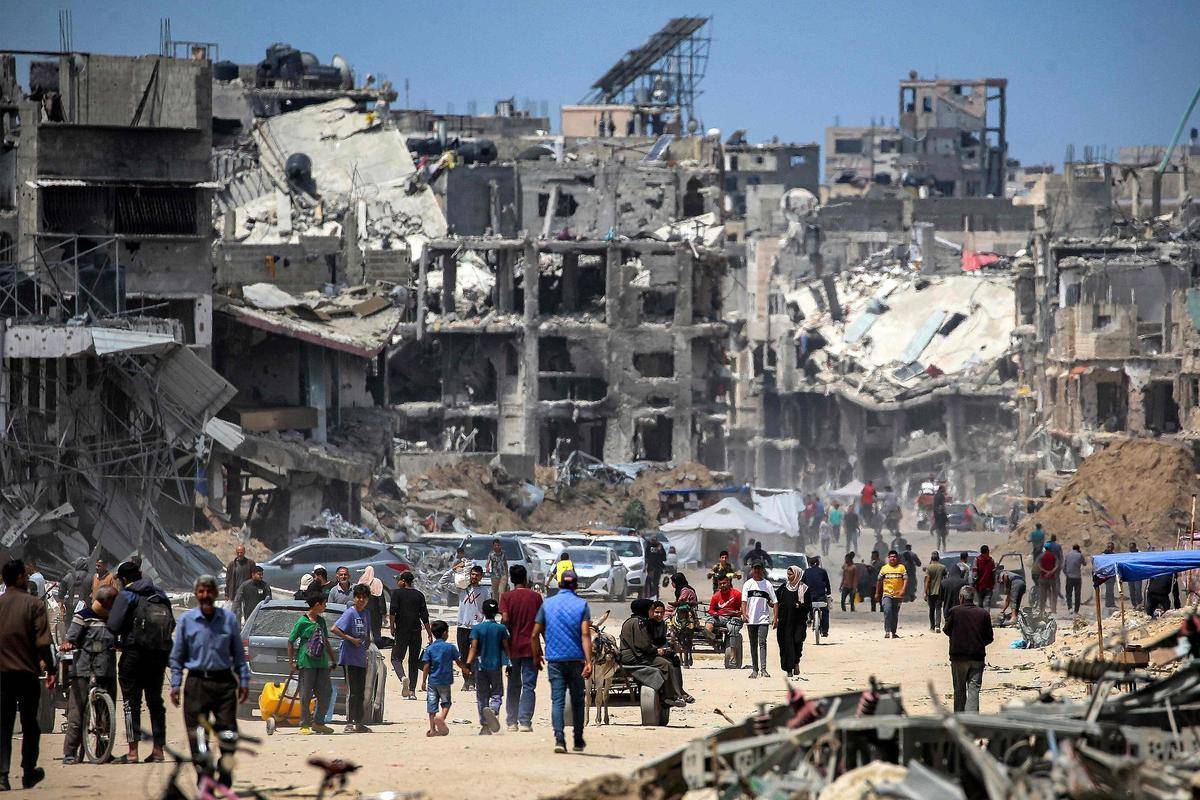
加沙停火谈判再陷僵局,特朗普与内塔尼亚胡会晤能否破局?
Sou Hu Cai Jing· 2025-07-07 10:01
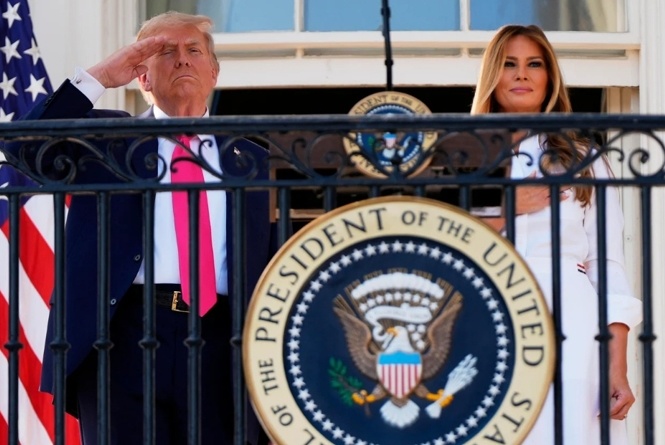
Group 1 - The first round of ceasefire negotiations in Doha, Qatar, ended without agreement due to Israel's lack of sufficient authorization to discuss key issues such as ceasefire duration and prisoner release [2][3] - Israel's negotiating team was only authorized to discuss humanitarian aid distribution, which limited the scope of the talks [3] - The proposed ceasefire plan by Qatar required Hamas to release 10 Israeli captives and return 18 bodies within 60 days, while Israel insisted on retaining the right to resume military actions [3][5] Group 2 - Israeli Prime Minister Netanyahu's meeting with President Trump is focused on the Gaza ceasefire, Iran issues, and normalization of relations with Arab countries, with market attention on potential concessions from Trump regarding tariffs and military aid [2][6] - The meeting is the third between Trump and Netanyahu in six months, with three main focal points: specific terms of the Gaza ceasefire, Iran nuclear issues, and tariff policies [6] - Israel has reportedly rejected Hamas's demand for a "permanent ceasefire," preferring a phased temporary ceasefire instead [6] Group 3 - The upcoming Federal Reserve meeting minutes are expected to be a key market catalyst, with a high probability of maintaining interest rates in July and a significant chance of a rate cut in September [7] - Long-term concerns about the U.S. dollar's credit risk are highlighted by the rising federal debt-to-GDP ratio and the declining share of the dollar in global reserves [9] - Geopolitical developments, including the Gaza ceasefire negotiations and the outcomes of the Trump-Netanyahu meeting, are likely to influence gold price fluctuations in the short term [9]

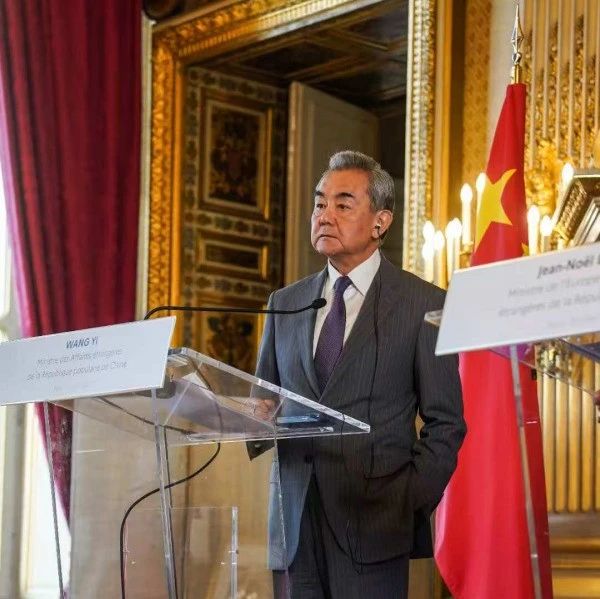
王毅:规则何在?公理何在?难道只能任人宰割?
中国基金报· 2025-07-05 16:19
Group 1 - The core viewpoint emphasizes that the path to peace lies in dialogue and cooperation, rather than relying solely on power and military strength [2][5][6] - The Iranian nuclear issue, which could have served as a model for resolving international disputes through dialogue, is now leading to a new crisis in the Middle East [4][5] - The humanitarian disaster in Gaza and the Palestinian issue must not be marginalized; the "two-state solution" is presented as the only realistic way to break the chaos in the Middle East [5][6] Group 2 - The importance of international cooperation, particularly between China and France as permanent members of the UN Security Council, is highlighted to resolve conflicts through dialogue and oppose double standards [6] - The call for all parties to reflect on their sincerity in pursuing peace and the need for effective actions from the international community to address the core issues in the Middle East [5][6]
王毅称美轰炸伊核设施开创恶劣先例
news flash· 2025-07-05 09:13
Core Viewpoint - Wang Yi criticized the recent U.S. bombing of Iran's nuclear facilities, stating it sets a dangerous precedent and emphasizes that military conflict cannot resolve the Iranian nuclear issue [1] Group 1: U.S. Actions and International Implications - The U.S. bombing of a sovereign nation's nuclear facility is described as a reckless act that could lead to severe global consequences [1] - Wang Yi warned that if a nuclear disaster occurs, the entire world would bear the consequences [1] Group 2: Regional Stability and Conflict - Wang Yi expressed that the recent military conflicts between Israel and Iran should not be repeated, highlighting the need for diplomatic solutions rather than warfare [1] - He reiterated that war is not a viable solution to the Iranian nuclear problem, advocating for dialogue and negotiation instead [1]
特朗普炫耀针对伊核设施“午夜之锤”行动:“名副其实,就是把锤子”
Huan Qiu Wang· 2025-07-05 07:25
Group 1 - The core point of the article highlights the escalation of military actions in the Middle East, particularly the U.S. involvement in the conflict between Israel and Iran, which raises international concerns [1][3]. - President Trump praised the recent U.S. military operation against Iranian nuclear facilities, referring to it as a significant success, indicating a shift in U.S. foreign policy [3]. - The Pentagon's assessment suggests that the military strike has delayed Iran's nuclear program by one to two years, although the International Atomic Energy Agency noted that Iran still possesses uranium enrichment capabilities [3]. Group 2 - The ongoing tensions in the Middle East remain unresolved despite a week-long ceasefire between Iran and Israel following the "12-day war" [3]. - Iranian military leadership has warned of a "more devastating" response if further aggression occurs from adversaries, indicating a potential for future conflict [3].
王毅:通往和平的道路就在脚下,实力带不来真正的和平
Xin Hua Wang· 2025-07-04 23:52
Group 1 - The core viewpoint emphasizes that the Iranian nuclear issue could have served as a model for resolving international disputes through dialogue, but it is now leading to a new crisis in the Middle East [1] - China maintains a clear and consistent stance on the Iranian nuclear issue, valuing Iran's commitment not to develop nuclear weapons and respecting its rights under the Non-Proliferation Treaty [1] - The need for a new international agreement to resolve the Iranian nuclear issue is highlighted, with calls for Iran's nuclear activities to be placed under strict supervision by the International Atomic Energy Agency [1] Group 2 - Recent military conflicts between Israel and Iran should not be repeated, as war cannot resolve the Iranian nuclear issue, and preemptive strikes lack legitimacy [2] - The statement warns that the use of force will only lead to greater conflict and hatred, and emphasizes the dangers of a nuclear disaster affecting the entire world [2] - The resolution of the Iranian nuclear issue cannot ignore the core problem in the Middle East, which is the Palestinian issue, and the humanitarian crisis in Gaza must be addressed [2] Group 3 - The "two-state solution" is presented as the only realistic way to break the chaos in the Middle East, with a call for the international community to take more effective actions [2] - Both China and France, as permanent members of the UN Security Council, are urged to uphold justice and support conflict resolution through dialogue, opposing any double standards [2] - China expresses willingness to work with France to make continuous efforts towards peace [2]
伊朗暂停与国际原子能机构合作:麻杆打狼两头怕
Sou Hu Cai Jing· 2025-07-04 16:32
Core Viewpoint - Iran has announced the suspension of cooperation with the International Atomic Energy Agency (IAEA), following recent armed conflicts with Israel and the U.S., which raises concerns about the monitoring of Iran's uranium enrichment program [1][5]. Group 1: Iran's Nuclear Agreement and IAEA Role - The 2015 Iran nuclear deal (JCPOA) allowed Iran to enrich uranium up to 3.67%, sufficient for civilian nuclear purposes but not for weapons-grade uranium [5]. - The IAEA was established as the main body to verify Iran's compliance with the nuclear agreement, ensuring oversight of Iran's nuclear activities [5][6]. - The U.S. withdrawal from the JCPOA in 2018 under President Trump has led to increased tensions and conflicts in the region, with Iran's uranium enrichment capabilities now reaching 60%, nearing weapons-grade levels [6][7]. Group 2: Impact of Recent Conflicts - The recent U.S.-Israeli military actions have not significantly impaired Iran's nuclear capabilities, and the military strikes may have only delayed Iran's nuclear program by a few months to years [6][10]. - Despite the military actions, diplomatic negotiations regarding the JCPOA were still ongoing, indicating a complex interplay between military and diplomatic efforts [7][8]. Group 3: Iran's Domestic and International Position - Iran's decision to suspend cooperation with the IAEA reflects its dissatisfaction with the agency's role and adds further complications to the JCPOA negotiations [8][9]. - The Iranian government has not fully expelled IAEA inspectors, suggesting that the suspension may be more symbolic than a complete cessation of cooperation [9]. - Iran's leadership faces a dilemma: adopting a hardline stance could lead to further isolation, while yielding to pressure may undermine their domestic authority [9][10]. Group 4: Future Outlook - The current situation suggests a stalemate where neither side can effectively escalate or negotiate, leading to a prolonged period of uncertainty [11]. - Israeli Prime Minister Netanyahu is likely to continue efforts to entangle the U.S. and Iran in a prolonged conflict, which could further complicate the regional dynamics [11].