
新一代信息技术

Search documents
全国专精特新企业齐聚广西寻合作
Guang Xi Ri Bao· 2025-08-22 02:01
Group 1 - The event held on August 21 in Nanning aimed to facilitate cooperation between specialized and innovative enterprises and the Guangxi region, focusing on investment needs and policy support [1] - A delegation of 52 entrepreneurs and over 20 executives from specialized and innovative enterprises gathered to explore collaboration opportunities and expand into the ASEAN market [1] - Guangxi is developing an AI growth strategy that integrates research from major cities with local resources and applications in ASEAN, positioning itself as a hub for AI cooperation between ASEAN countries and China [1] Group 2 - Companies expressed diverse and practical cooperation needs, with plans including investments of 500 million to 1 billion yuan for manufacturing bases targeting ASEAN, and over 300 million yuan for establishing 1,500 grassroots medical stations [2] - There is interest from ecological and environmental enterprises in utilizing Guangxi's coastal port resources to create a "liquid export" transfer station [2] - The event also featured three specialized exchange meetings focused on green low-carbon economy, AI and intelligent manufacturing, and new generation information technology [2]
人这一辈子,一定要去一趟濮阳!
Zhong Guo Xin Wen Wang· 2025-08-20 23:05
Group 1 - Puyang is located at the intersection of Hebei, Shandong, and Henan provinces, known as a historical and cultural city with deep roots tracing back to ancient times [1][3] - The city is recognized as the birthplace of "Chinese Dragon" and has various cultural titles such as "Hua Xia Long Du" and "Chinese Cang Jie Culture Town" [3][9] - Puyang has a rich historical background, with significant events and figures from ancient Chinese history associated with the area, including the legendary Yellow Emperor and Cang Jie [8][9] Group 2 - Puyang is home to the "Chinese Dragon" discovered in 1987, which is over 6,400 years old, pushing the history of Chinese civilization forward by over a thousand years [11][13] - The city has a strong cultural heritage, including the "Three Cao Culture" from the Three Kingdoms period, and is known for its contributions to Chinese calligraphy and literature [18][20] - Puyang has a notable red culture, being a revolutionary base during modern history, with significant events such as the crossing of the Yellow River by the Liu-Deng army in 1947 [29][31][35] Group 3 - The city has transitioned from being heavily reliant on the oil industry, with the establishment of the Zhongyuan Oilfield in 1975, to diversifying its economy into petrochemicals, equipment manufacturing, and green food industries [41][43] - Puyang is focusing on emerging industries, particularly in hydrogen energy and new materials, aiming to transform into a "Hydrogen City" while developing a modern industrial system [45][47] - The city is also enhancing its logistics capabilities, positioning itself as a regional logistics hub with significant agricultural product trading and processing facilities [54][56] Group 4 - Puyang is recognized for its ecological initiatives, aiming to build a livable city with green spaces and sustainable development practices [60] - The city is actively promoting its cultural heritage and tourism, encouraging visitors to explore its historical and natural attractions [60]


湖南首支综合类AIC科创基金落地
Sou Hu Cai Jing· 2025-08-19 04:26
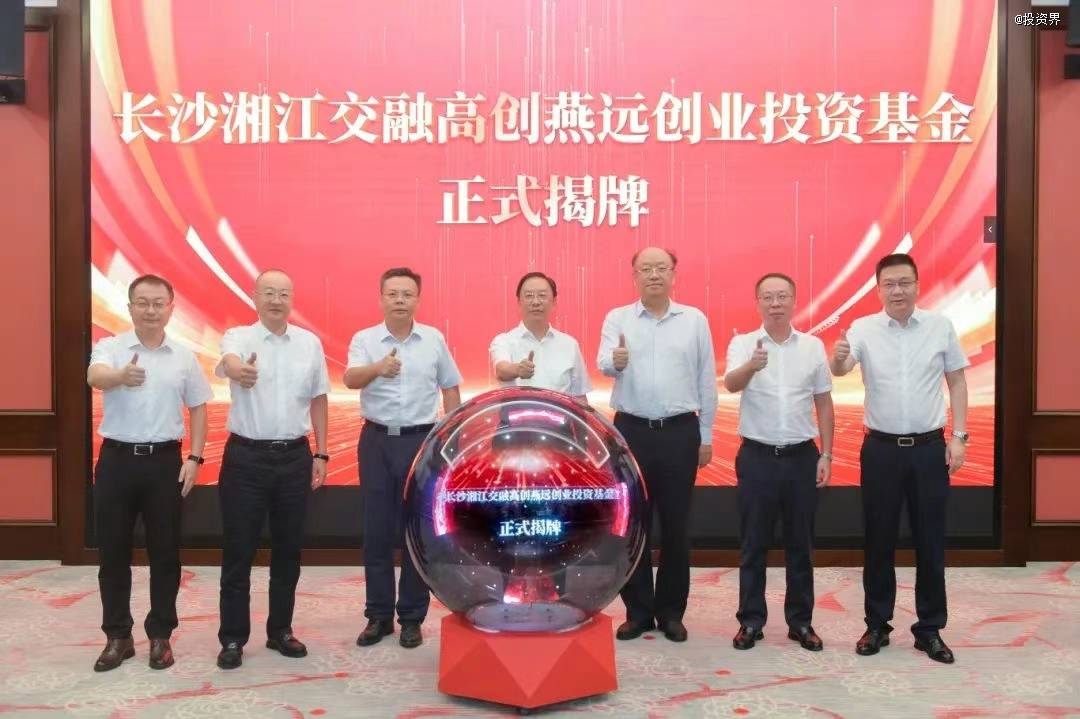
Group 1 - The Changsha Xiangjiang Integration High-tech Yan Yuan Venture Capital Fund was officially launched on August 18, with a total scale of 300 million yuan [1][3] - The fund is a collaboration among Peking University Changsha Institute of Computing and Digital Economy, Bank of Communications Financial Asset Investment Co., Ltd., Hunan High-tech Venture Capital Group Co., Ltd., Changsha Investment Holding Group Co., Ltd., and Hunan Xiangjiang New Area State-owned Capital Investment Co., Ltd. [1] - The fund will be managed by Bank of Communications Capital Management Co., Ltd. [1] Group 2 - This is the first comprehensive AIC technology innovation fund in Hunan and the first technology achievement transformation fund involving a new type of research and development institution in the province [3] - The fund will leverage project resources and research advantages from Peking University Changsha Institute, along with the rich industrial resources and policies of Changsha and Xiangjiang New Area [3] - The focus areas include digital economy, artificial intelligence, and new generation information technology, with a nationwide project selection to promote the development of high-quality technology enterprises in Changsha and Xiangjiang New Area [3]
万润科技:确立大力发展以半导体电子产业为核心的新一代信息技术“主产业”战略
Zheng Quan Ri Bao Wang· 2025-08-15 10:16
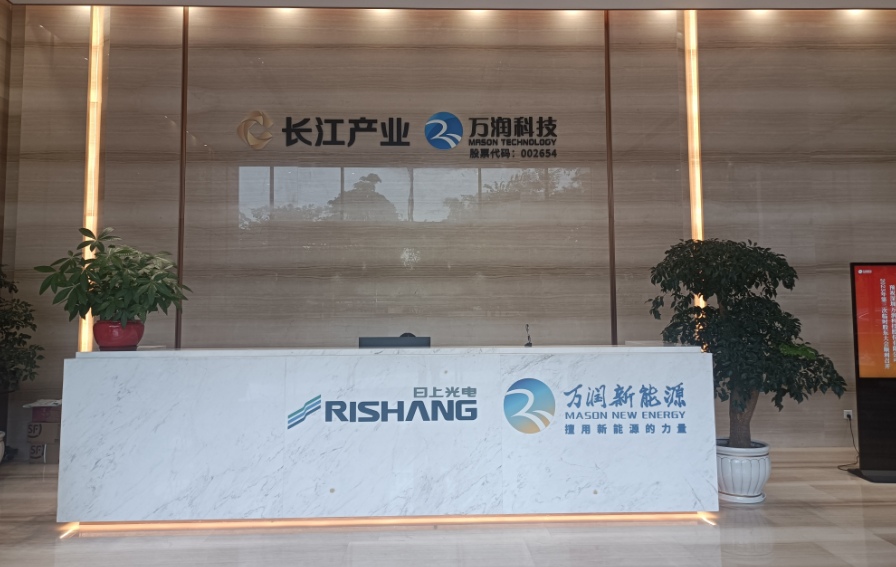
Core Viewpoint - The company is focusing on developing a core strategy centered around the semiconductor electronics industry, aligning with national and provincial industrial development plans [1] Group 1: Business Strategy - The company has established a strategy to develop a new generation of information technology with a focus on semiconductor electronics as its main industry [1] - To effectively control operational management risks, the company is adopting a phased approach with research and sales leading, followed by gradual improvements in manufacturing [1] Group 2: Semiconductor Storage Business - In 2022, the company invested in a subsidiary, Hubei Changjiang Wanrun Semiconductor Technology Co., Ltd., located in Wuhan, focusing on the design, research, and sales of semiconductor storage devices [1] - The subsidiary has developed multiple products including solid-state drives, embedded flash memory, and RAM, applicable in consumer, industrial, and enterprise storage scenarios [1] Group 3: Expansion Plans - The company is constructing a storage module base in Shenzhen to create an integrated industry chain encompassing research, manufacturing, and sales of storage products [1] - There are plans to accelerate talent development for the new storage company to promote its growth [1]

石基信息: 国泰海通证券股份有限公司关于北京中长石基信息技术股份有限公司发行股份购买资产产业政策和交易类型的核查意见
Zheng Quan Zhi Xing· 2025-08-14 13:18
Core Viewpoint - Beijing Zhongchang Shiji Information Technology Co., Ltd. (referred to as "Shiji Information") plans to acquire 13.50% of Shenzhen Sihon Software Co., Ltd. (referred to as "Sihon Software") through a share issuance [1][2]. Group 1: Industry and Company Overview - Shiji Information provides comprehensive information management system solutions for the tourism and large consumer sectors, including hotels, restaurants, retail, and entertainment [1]. - Sihon Software, a subsidiary of Shiji Information, focuses on digital solutions for the retail industry, offering standardized software products and payment technology services to small and medium-sized retail businesses [1][2]. Group 2: Transaction Details - The transaction is classified under the "software and information technology services" industry, aligning with the "electronic information" sector as per the State Council's guidelines [2]. - The acquisition is considered a horizontal merger within the same industry, enhancing Shiji Information's control over Sihon Software and improving operational efficiency in the retail information systems sector [2][3]. Group 3: Regulatory Compliance - The independent financial advisor confirms that the transaction does not constitute a reverse listing, as there will be no change in the actual controller of Shiji Information post-transaction [2][3]. - The transaction involves the issuance of shares to acquire the specified stake in Sihon Software [3].


消费新场景丨社区“小商圈”转动消费“大齿轮”
Yang Guang Wang· 2025-08-12 00:58
Group 1 - The article discusses the rise of community-based consumption models in China, highlighting the integration of technology in enhancing local services and convenience for residents [1][5]. - Various community initiatives are mentioned, such as the "nearby worry-solving" platform in Xiamen and the "neighborhood mutual assistance" module in Inner Mongolia, which aim to improve local service offerings [5]. - The concept of a "quarter-hour convenience living circle" is emphasized, aiming to provide essential services within a short distance for urban residents [6]. Group 2 - The integration of big data and artificial intelligence is transforming community commerce, expanding it into multiple formats and enhancing the quality of services [6]. - The article highlights the innovative use of idle land by universities to establish affordable community services, such as childcare and elderly care centers, which contribute to the overall well-being of residents [6].
万润科技斥资1亿元成立子公司 加码先进存储模组制造
Ju Chao Zi Xun· 2025-08-09 03:07
Group 1 - Company has established a wholly-owned subsidiary, Shenzhen Wanrun Storage Technology Co., Ltd., with a registered capital of 100 million yuan to focus on advanced storage module manufacturing [2] - The strategic focus is on developing the semiconductor electronics industry as the core of the new generation information technology "main industry" strategy [2][3] - In December 2022, the company invested in Hubei Changjiang Wanrun Semiconductor Technology Co., Ltd., which focuses on the design, research, and sales of semiconductor storage devices, achieving a revenue of 128 million yuan in 2023 and projected revenue of 529 million yuan in 2024 [2] Group 2 - The company aims to enhance its business scale and profitability in the new generation information technology sector by leveraging global economic trends and regional advantages in the Guangdong-Hong Kong-Macao Greater Bay Area [3] - The advanced storage module manufacturing project in Shenzhen is expected to improve operational efficiency and quality, enabling the company to better meet the demands of mid-to-high-end customers and increase market competitiveness [3] - The initiative is part of the company's goal to become an influential technology-driven and innovative listed company in the new generation information technology field [3]
ICTS信息展前瞻!数字蝶变·智造新生,9月相约5.2馆开启工业未来式!
半导体行业观察· 2025-08-09 02:17
Core Viewpoint - The 2025 China International Industrial Expo focuses on the theme "Digital Transformation · Intelligent Manufacturing Rebirth," highlighting the integration of new-generation information technology with the manufacturing industry [4]. Group 1: Exhibition Overview - The exhibition will take place from September 23 to 27, 2025, at the National Exhibition and Convention Center (Shanghai), specifically in Hall 5.2 [3][21]. - The New Generation Information Technology and Application Exhibition (ICTS) is a key professional exhibition within the China International Industrial Expo, showcasing cutting-edge results of the deep integration of new-generation information technology and manufacturing [4][6]. Group 2: Key Focus Areas - ICTS will address critical topics such as new-generation mobile communication technology, industrial internet, industrial operating systems and software applications, industrial AI applications, IoT, edge computing, information security, new-generation data storage and chips, digital factories, and digital supply chains [6][8]. - The exhibition aims to serve as a benchmark event for industry professionals, providing a platform for communication and showcasing industrial digitalization developments [8]. Group 3: Exhibition Highlights - Three main highlights will be presented: 1. "The Secret of Computing Power" showcasing breakthroughs in semiconductor industry autonomy and collaborative innovation [9]. 2. "AI's Rebellion" focusing on the digital transformation of industrial software under AI empowerment [9]. 3. "Smart Driving Disassembly" emphasizing a "technology + service" dual-driven approach to create a comprehensive digital service matrix for manufacturing transformation [9]. Group 4: Exhibition Areas - The exhibition will feature several specialized areas: 1. Integrated Circuit Exhibition Area: Showcasing semiconductor manufacturing, key equipment, components, advanced packaging technology, semiconductor materials, and IC design support systems [11]. 2. Digital Technology Exhibition Area: Highlighting new-generation information technology, AI, algorithms, industrial IoT, and operating systems [11]. 3. Industrial Software Exhibition Area: Featuring basic software, industry-specific software, embedded software, and trusted computing software [11]. 4. Industrial Service Exhibition Area: Covering industrial supply chain services, consulting, testing, certification, and education [11]. 5. Application Scenario Exhibition Area: Including sectors like equipment manufacturing, information communication, energy, transportation, logistics, and 3C electronics [11]. 6. Innovation Application Exhibition Area: Focusing on smart cockpits, low-altitude economy, embodied intelligence, and incubation acceleration [11]. Group 5: Concurrent Forums - The event will host several forums, including: 1. Industrial Software and Intelligent Manufacturing Forum 2. Industrial Edge AI Forum 3. Building the Industrial Computing Power "Core" Engine 4. Embodied Intelligence Chip Forum 5. Industrial Control Chip Special Session 6. Integrated Circuit ESG Green Development Forum 7. Semiconductor Equipment Materials Collaborative Innovation Development Forum [15][16].

“青岛制造”行 消费韧性强
Zheng Quan Shi Bao· 2025-08-08 18:02
Group 1 - The resilience of Qingdao's consumption market is supported by a solid manufacturing base, transitioning from a "internet celebrity" city to a "long-lasting" city due to continuous industrial upgrades [1] - The industrial cluster represented by the "Five Golden Flowers" has evolved, with the home appliance and electronics industry achieving an annual output value exceeding 400 billion yuan, and the rail transit equipment industry accounting for 50% of the national high-speed train production [1] - Qingdao Beer has transformed into a "sustainable lighthouse factory," utilizing digital transformation for flexible production, allowing consumers to customize beer with unique designs, and ensuring 24-hour cold chain delivery nationwide [1] Group 2 - Emerging industries are injecting new momentum into consumption, with companies like GoerTek and Bird's Eye leading in virtual reality, and AstraZeneca's inhaler base and Haier's health industry park under construction in the biomedicine sector [2] - Qingdao is building a "10+1" industrial system, focusing on new generation information technology and artificial intelligence as leading industries, while also nurturing emerging sectors like life health and smart connected new energy vehicles [2] - Over 80 listed companies are located in Qingdao, with more than 60 domestic listings, making it the top in the province and third among northern cities, with nearly 40% of these companies related to consumption [2]
万润科技:拟设立全资子公司负责先进存储模组制造项目的建设
Ge Long Hui· 2025-08-08 12:16
Core Viewpoint - Wanrun Technology (002654.SZ) is establishing a wholly-owned subsidiary, Shenzhen Wanrun Storage Technology Co., Ltd., with a registered capital of 100 million RMB to enhance its semiconductor electronics industry focus and expand its main business operations [1] Group 1 - The new subsidiary will be responsible for the construction of advanced storage module manufacturing projects in Guangming District, Shenzhen [1] - Wanrun Storage aims to produce and sell storage module products based on market conditions, thereby increasing market share and profitability [1] - The company plans to acquire advanced automated production and testing equipment to build its own production and testing capabilities for storage modules [1]