全球南方国家

Search documents
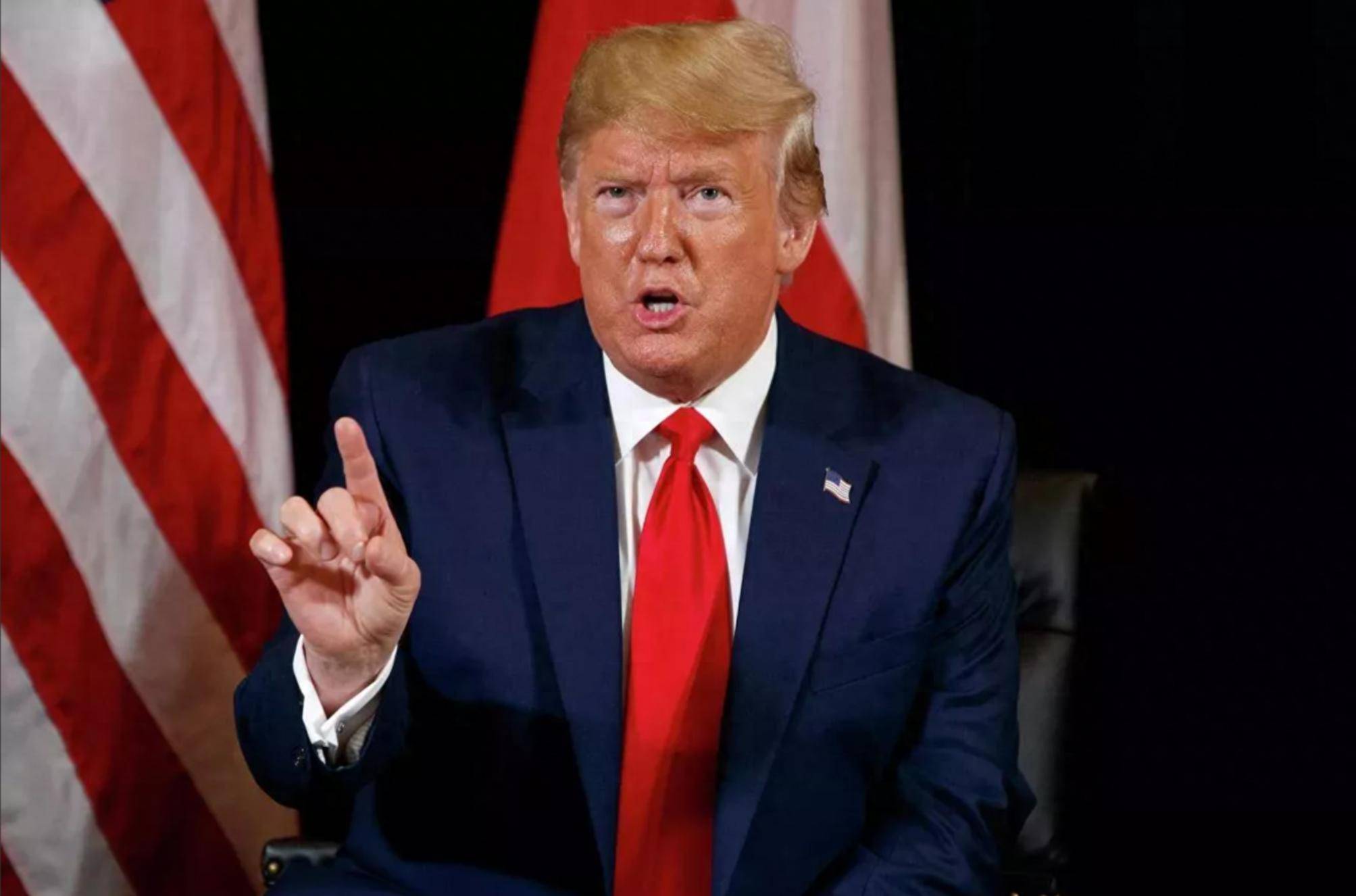
关键时刻,印度投下了赞成票!特朗普摊牌,要全球孤立金砖11国
Sou Hu Cai Jing· 2025-07-07 14:05
Group 1 - The rise of the BRICS mechanism highlights the declining global influence of Western countries, with Global South nations moving from the periphery to the core of global governance [1] - Trump's recent threat to impose an additional 10% tariff on countries aligning with "anti-American policies" signals a direct confrontation with the BRICS mechanism [1][3] - The definition of "anti-American policies" is subjective and can be manipulated by the U.S. to suppress dissenting nations, as seen in the criticism of U.S. tariffs by BRICS nations [3] Group 2 - Trump's tariff strategy aims to isolate BRICS countries and deter other nations from joining this cooperative framework, despite the recent successful BRICS summit in Brazil [5] - India's unexpected support for the joint statement at the BRICS summit indicates a strategic shift towards collaboration within the BRICS framework to counter U.S. pressure [5] - The U.S. tariff threats are part of a broader defense of dollar hegemony, while BRICS initiatives like local currency settlements challenge the dominance of the dollar [7] Group 3 - The successful BRICS summit and India's changing stance signal a united response from the Global South against unilateralism, potentially leading to a new international balance [7]

王辛未:全球南方如何突破“科技小圈子”?
Huan Qiu Wang Zi Xun· 2025-07-06 23:08
Group 1 - The article highlights the U.S. plan to restrict AI chip exports to Malaysia and Thailand, reflecting the increasing polarization in the international tech landscape and the impact on global South countries [1][2] - It discusses the threefold challenges facing international tech development: protectionist political maneuvers, institutional deficiencies in global governance, and reduced cooperation due to factional divides [1][2] - The article emphasizes the need for global South countries to collaboratively build an inclusive and shared tech development ecosystem to overcome these challenges [1][3] Group 2 - The existing tech governance system's functional deficiencies exacerbate the vacuum in international rules, with the U.S. frequently withdrawing from multilateral cooperation, undermining global governance [2] - The article notes that the polarization of tech competition has marginalized the innovation needs of global South countries, leading to increased uncertainty in international cooperation [2][3] - It suggests that global South countries should enhance digital infrastructure cooperation and create a favorable atmosphere for tech collaboration through quality innovation projects [3][4] Group 3 - The article advocates for the establishment of a stable and sustainable international innovation cooperation framework, focusing on mutual recognition of technology standards in key areas like renewable energy [3] - It calls for strengthening collaboration to mitigate tech security risks and enhancing communication under the framework of relevant UN agreements [3] - The essence of international tech cooperation is framed as the co-creation and sharing of development opportunities, emphasizing the need to replace factional confrontation with common development [4]
国际经济形势座谈会在金边举行
Zhong Guo Jing Ji Wang· 2025-07-01 07:53
Group 1 - The "International Economic Situation Seminar" held in Phnom Penh aims to deepen understanding of the current international economic landscape and explore new challenges and opportunities amid rising unilateralism and trade protectionism [1] - The seminar emphasizes the importance of regional cooperation and high-quality development in response to the complex international environment [1][2] - The event serves as a platform for gathering insights and fostering development among Cambodian Chinese and Hong Kong business communities [1] Group 2 - Zhao Haiyan highlighted the accelerated changes in the global landscape, with the rise of global southern countries and the need for international cooperation to address deficits in peace, development, security, and governance [2] - China maintains its position as Cambodia's largest trading partner and foreign investor, contributing significantly to Cambodia's economic development [2] - The relationship between China and its neighboring countries is at its best historically, with a focus on creating a community of shared destiny [2] Group 3 - Hong Kong's economy is impacted by U.S. tariffs and unilateral policies, but it demonstrates strong resilience due to support from the central government and its economic foundation [3] - Hong Kong's strategy focuses on leveraging its connection to the mainland while expanding its global trade network, including establishing trade offices in various countries [3] - Trade with ASEAN has significantly increased, with ASEAN becoming Hong Kong's second-largest goods export market, reaching a bilateral trade total of $165 billion in the previous year, a 14% increase [3] Group 4 - The seminar featured discussions by experts on global macroeconomic trends, emerging market dynamics in Asia, and new opportunities for China-Cambodia economic cooperation [4]
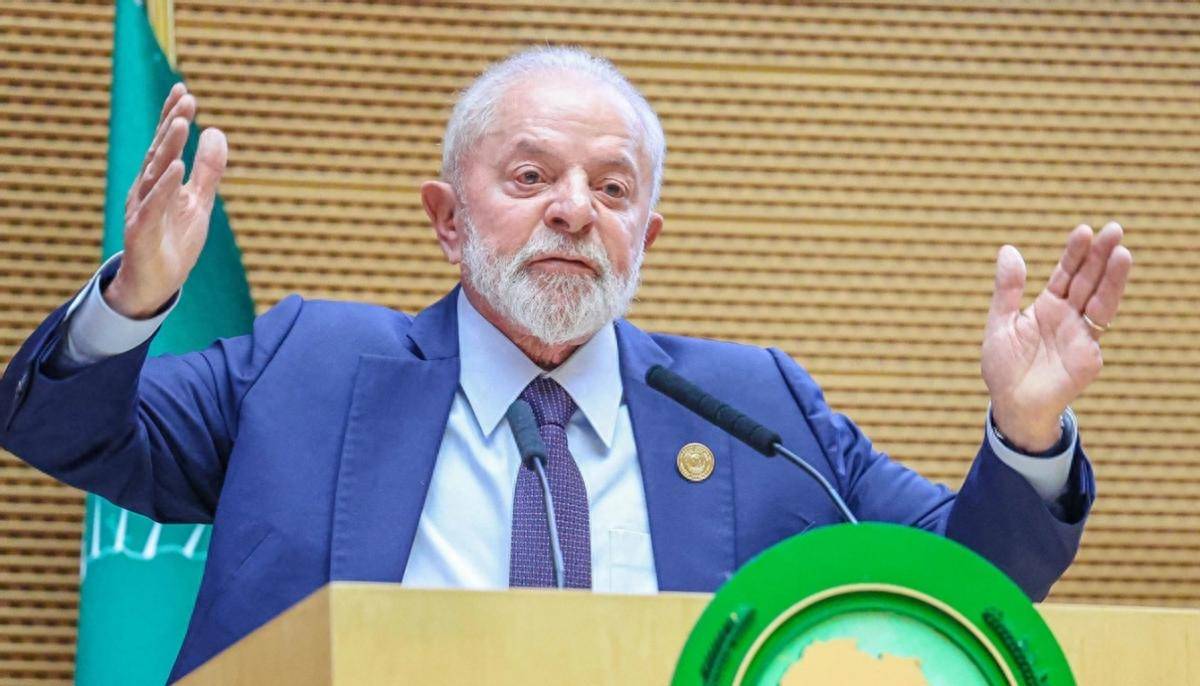
当着王毅的面,巴西总统吐露心声:中方反制“对等关税”令人钦佩
Sou Hu Cai Jing· 2025-05-06 07:30
Core Viewpoint - Brazilian President Lula's strong support for China's response to "reciprocal tariffs" reflects a growing backlash against unilateral trade policies from the U.S. [1][3] Group 1: Brazil-China Relations - Lula emphasized that friendly relations with China are a correct choice for Brazil, highlighting the strategic importance of their partnership [1] - Lula's public endorsement of China's firm stance against U.S. tariffs resonates with many developing countries that oppose U.S. trade practices [3][4] Group 2: U.S. Trade Policies - The U.S. has announced tariffs as high as 145% on Chinese products, prompting a decisive response from China, which views this as a matter of fairness and justice [3] - The U.S. is experiencing internal pressure due to rising dissatisfaction with high tariffs, as evidenced by a 0.3% decline in GDP and significant price increases in e-commerce [6][8] Group 3: Global South Perspective - China's response is seen as a fight for the voice of the "Global South," challenging the dominance of Western economic rules [4] - The sentiment among BRICS nations, including Brazil, is shifting towards advocating for diplomacy and cooperation rather than unilateralism [8] Group 4: Future Cooperation - Lula expressed a desire to work with China to enhance the BRICS mechanism, indicating a strategic alignment in the face of global governance changes [6] - The collaboration between China and Brazil is viewed as a critical support for the reconstruction of a new international order amidst increasing multipolarity [8]