兴边富民

Search documents
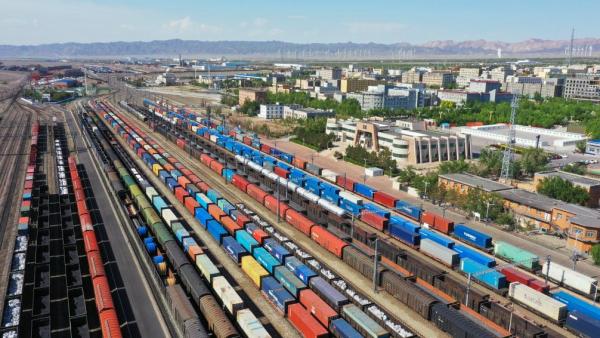
规划建议新看点丨兴边富民!扎实推进边境城镇建设
Xin Hua Wang· 2025-11-26 08:10
Core Viewpoint - The article emphasizes the importance of developing border towns in China as a strategy to enhance economic growth, improve livelihoods, and strengthen national security along its extensive land borders with 14 countries [1][3]. Group 1: Border Town Development - The "14th Five-Year Plan" explicitly calls for solid progress in the construction of border towns, leveraging their geographical advantages through port development, industrial cultivation, and infrastructure connectivity [1][3]. - Border town development is a complex system project that encompasses economic development, livelihood improvement, ecological protection, ethnic unity, and border stability [3][5]. Group 2: Policy Implementation and Regional Focus - Policies are being implemented to promote differentiated development of border towns in Northeast, Northwest, and Southwest China, with a focus on optimizing the layout of border towns in Xinjiang and Tibet [5]. - Support is being intensified for key border cities and nodes with good development foundations and open potential, aiming to create new opportunities for border town development [5]. Group 3: Economic Impact and Tourism Growth - The city of Manzhouli, located at the intersection of China, Russia, and Mongolia, is actively developing a "port economic belt" and enhancing its cross-border tourism industry, with tourist numbers expected to exceed 9 million in 2024, a nearly 40% increase year-on-year [5]. - The article highlights the need for coordinated development among various border towns to enhance overall regional vitality and potential [5][6].

新华鲜报·规划建议新看点|兴边富民!扎实推进边境城镇建设
Xin Hua She· 2025-11-26 05:20
Core Points - The article emphasizes the importance of developing border towns as a strategy for national governance and enhancing economic growth in border regions [1][3] - It highlights China's extensive land border of approximately 22,000 kilometers, sharing borders with 14 countries and having 140 border counties [1] - The development of border towns is seen as a complex system project that involves economic development, livelihood improvement, ecological protection, ethnic unity, and border stability [1] Summary by Sections Border Town Development - The construction of border towns aims to leverage geographical advantages through port development, industry cultivation, and infrastructure connectivity [1] - Specific regions such as Xinjiang, Tibet, and the northeastern, northwestern, and southwestern border towns are targeted for differentiated development [1] Economic Impact - The article mentions the successful economic activities in border towns, such as the China-Laos economic cooperation zone in Yunnan and the increasing trade with ASEAN in Guangxi [1] - In Manzhouli, Inner Mongolia, the city is expected to receive over 9 million tourists in 2024, marking a nearly 40% year-on-year increase, showcasing the potential of border tourism [2] Policy Implementation - A series of policy measures are being implemented to support the development of key border cities and nodes, aiming to create new opportunities for border town growth [1][2]
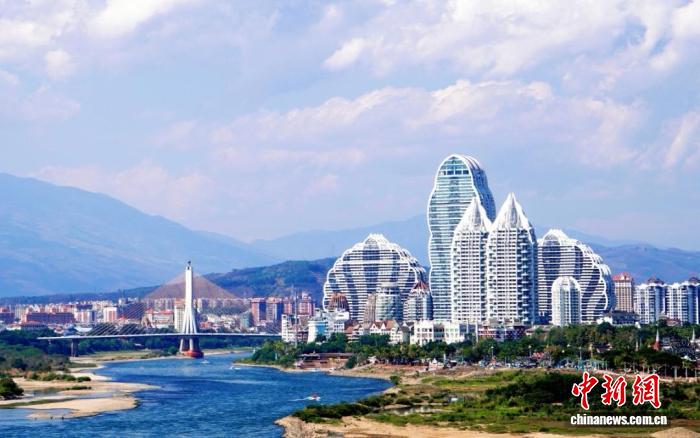
中老铁路“牵引”西双版纳文旅产业驶入快车道
Zhong Guo Xin Wen Wang· 2025-11-25 02:30
Core Insights - The China-Laos Railway has significantly boosted the development of the cultural and tourism industries in Xishuangbanna, Yunnan Province, since its opening in December 2021, transforming the region into a key hub for connectivity [1][2] Transportation and Connectivity - The railway, spanning 1,035 kilometers, has facilitated the movement of over 60 million passengers and more than 70 million tons of cargo by November 2025, enhancing connectivity between China and Southeast Asia [2] - Xishuangbanna has leveraged various transportation networks, including the Lancang-Mekong River and the Kunming-Mohan Highway, to improve its external connections [1] Economic Impact on Local Projects - The "Rainforest Huating" wellness project in Jinghong City has reported sales exceeding 500 million yuan, benefiting from the reduced travel time due to the railway [2] - The ancient Manhe Na Dai Village, with over 1,200 years of history, has developed a tourism industry through a "Party Building + Company + Farmers" model, resulting in 109 guesthouses and 20+ popular shops, with projected visitor numbers reaching 1.1 million in 2024 [2] Cultural Exchange and Tourism Growth - The Aoguan Xishuangjing Night Market has become a cultural exchange platform, featuring around 3,000 stalls, with 37% local and 12% Southeast Asian merchants, and is expected to attract over 20 million visitors in 2024 [3] - Jinghong City anticipates receiving 57.34 million domestic and international tourists in 2024, with total tourism spending reaching 85.69 billion yuan, marking a 63.3% increase in resident travelers [3] Regional Development Strategy - Xishuangbanna is evolving from a remote border area to a regional wellness and tourism destination, exploring unique pathways for local economic development [5]
兴边富民 人才是关键
Jing Ji Ri Bao· 2025-11-21 22:35
Core Viewpoint - The recent initiatives in Heilongjiang Province, such as the "Team-based Aid to Border Areas" and "Thousand-Person Action" programs, aim to enhance local development by sending talented personnel to grassroots levels, thereby promoting economic growth and improving living standards in border regions [1][2]. Group 1: Talent and Resource Allocation - The "Team-based Aid to Border Areas" initiative focuses on addressing critical issues in border regions, particularly in healthcare and education, by sending medical and educational professionals to support local needs [1][2]. - The program has successfully improved local healthcare by establishing specialized clinics and enhancing educational resources, allowing border residents to access services comparable to urban areas [1][2]. Group 2: Economic Development and Industry Support - The dispatched party and government officials, along with industry experts, provide tailored development plans for local industries, leveraging the unique resources of each border area [2]. - Initiatives include establishing standardized agricultural bases and facilitating e-commerce connections, as well as planning cross-border logistics parks to enhance trade [2]. Group 3: Sustainable Development and Talent Retention - The aid programs not only provide immediate support but also foster long-term development by inspiring local youth to return and contribute to their communities [2]. - The combination of "blood transfusion" (immediate support) and "blood production" (sustainable development) creates a lasting talent pool in border regions, enhancing their internal growth potential [2].
黑龙江人才金钥匙开启边疆振兴门
Jing Ji Ri Bao· 2025-11-08 22:22
Core Viewpoint - The article highlights the efforts of Heilongjiang Province in China to revitalize its border areas through targeted talent recruitment and development initiatives, addressing challenges in transportation, education, healthcare, and resource shortages. Group 1: Talent Recruitment and Development - Heilongjiang Province has implemented a "team-style aid to border areas" initiative, sending skilled personnel to support local development and enhance industry revitalization [1][5] - A total of 1,710 university graduates have been recruited to serve in villages and communities as part of the "Ten Thousand Plan," alongside 792 party and government officials and technical experts [5] Group 2: Agricultural Innovation and Support - The aid teams are addressing local agricultural challenges, such as low yields and crop vulnerability, by collaborating with agricultural research institutions to introduce high-yield and resilient crop varieties [1][2] - Specific examples include the introduction of three new sorghum varieties that are well-suited to local climatic conditions, significantly improving local agricultural productivity [1] Group 3: Tourism and Economic Development - The border town of Raohe is experiencing increased attention from southern tourists, leading to the establishment of a tourism alliance to enhance local tourism infrastructure and services [2] - Local initiatives, such as the development of agritourism and specialty dining, have resulted in increased income for local businesses and a boost in community engagement [3][4] Group 4: Community Engagement and Economic Growth - The establishment of local businesses, such as specialty restaurants, has led to a doubling of income for operators and an increase in collective village revenue by over 90,000 yuan [3] - The integration of agricultural and tourism sectors has resulted in an average annual growth of 23.86% in collective village economies since 2021, with per capita disposable income reaching 30,000 yuan [4]
云南民族团结进步示范区建设显成效 兴边富民取得新突破
Zhong Guo Xin Wen Wang· 2025-09-23 05:34
Group 1 - The construction of the Yunnan Ethnic Unity and Progress Demonstration Zone has shown significant results, with the completion of 374 border happiness villages and notable progress in 30 border tourism demonstration villages [1][3] - During the "14th Five-Year Plan" period, Yunnan aims for the economic total of ethnic autonomous areas to reach 1.33 trillion yuan, with per capita disposable income for rural residents at 17,501 yuan, reflecting growth of 24% and 18% respectively compared to 2021 [3][4] - The "Xing Bian Fu Min" initiative has made new breakthroughs, with the establishment of border happiness villages and the development of border tourism demonstrating effective outcomes [3][4] Group 2 - Infrastructure improvements include high-speed rail access to 6 out of 8 ethnic autonomous prefectures, and all 78 ethnic autonomous counties connected to high-grade highways, enhancing regional mobility [4] - The integration of tourism development with ethnic unity has been emphasized, with 162 tourism routes promoting inter-ethnic exchanges and over 3,000 night cultural events held to foster community interactions [4]
西藏筑牢高原边疆幸福线
Ren Min Ri Bao· 2025-08-26 22:09
Infrastructure Development - The construction of infrastructure in Tibet is accelerating, with stable electricity supply and 5G network coverage in border areas, significantly improving the living conditions of local residents [2] - Investment exceeding 5 billion yuan has been made for the reconstruction of key roads, enhancing connectivity and accessibility in remote regions [4] - Public services such as schools and hospitals are being developed, with a notable increase in public water supply coverage to 84.5% in border counties [4][5] Economic Growth - The average income of farmers and herders in the region has increased from 12,000 yuan in 2020 to 25,000 yuan in 2024, reflecting a substantial improvement in economic conditions [2] - The tourism sector has seen a significant boost, with 600,000 visitors recorded in one county, leading to the establishment of numerous homestays and cooperatives [2] - The total trade volume for small-scale border trade and border residents' mutual market trade reached 3.532 billion yuan and 44 million yuan respectively in 2024 [6] Community Development - Public facilities such as communal bathhouses are being established in border villages, enhancing the quality of life for residents [5] - The construction of new housing has improved living conditions, with average living space exceeding 40 square meters per person in some areas [4] - Local agricultural industries, such as kiwi and tea, are thriving, contributing to the income of over 2,000 households [6] Border Security - The community is actively involved in border patrols, with a growing number of local residents taking responsibility for border security [7][9] - The support for border patrol personnel has increased, with annual subsidies rising from 12,000 yuan to 18,000 yuan [9]
(辉煌60载 魅力新西藏)西藏林芝“三位一体”立体交通网络日益完善
Zhong Guo Xin Wen Wang· 2025-08-16 07:13
Core Insights - Linzhi City in Tibet has achieved significant economic growth, with a projected GDP of 26.778 billion RMB in 2024, representing a 128% increase from 2021, and an average annual growth rate exceeding 8% [1] - The city's general public budget revenue is expected to reach 1.851 billion RMB, a 123% increase from 2021, with an average annual growth rate above 7% [1] - Fixed asset investment is projected at 18.01 billion RMB, a 133% increase from 2021, with an average annual growth rate over 10% [1] - Retail sales of consumer goods are anticipated to be 6.81 billion RMB, a 121% increase from 2021, with an average annual growth rate of over 6% [1] - Per capita disposable income for urban and rural residents is expected to reach 49,621 RMB and 27,427 RMB respectively, representing increases of 120% and 126% from 2021, with annual growth rates of over 6% and 8% [1] Infrastructure Development - Linzhi City is actively supporting national major project construction, with the full line of G219 highway underway and the upgrade of G318 from Bomi to Lulang fully initiated, resulting in a total road mileage of 7,462.6 kilometers [1] - The expansion of Linzhi Milin Airport has been completed in its first phase, connecting to over 10 cities, contributing to a comprehensive three-dimensional transportation network [1] Border Area Development - The city is focused on addressing infrastructure gaps in border areas and developing characteristic industries, establishing 28 patriotic education bases and 16 action centers for border prosperity [2] - The per capita disposable income in border counties has reached 26,000 RMB, reflecting the commitment of local residents to protect their homeland and build beautiful communities [2]
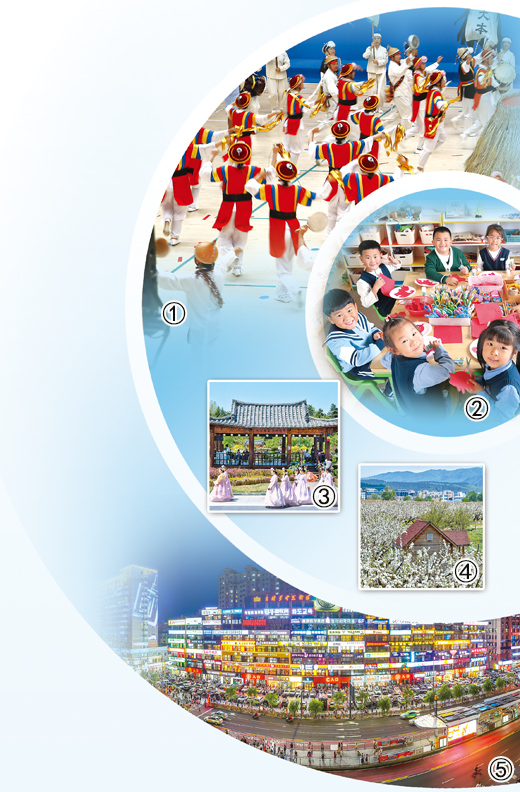
人民日报海外版整版聚焦吉林:各族人民相亲相爱 携手共建美好家园
Ren Min Wang· 2025-08-14 00:46
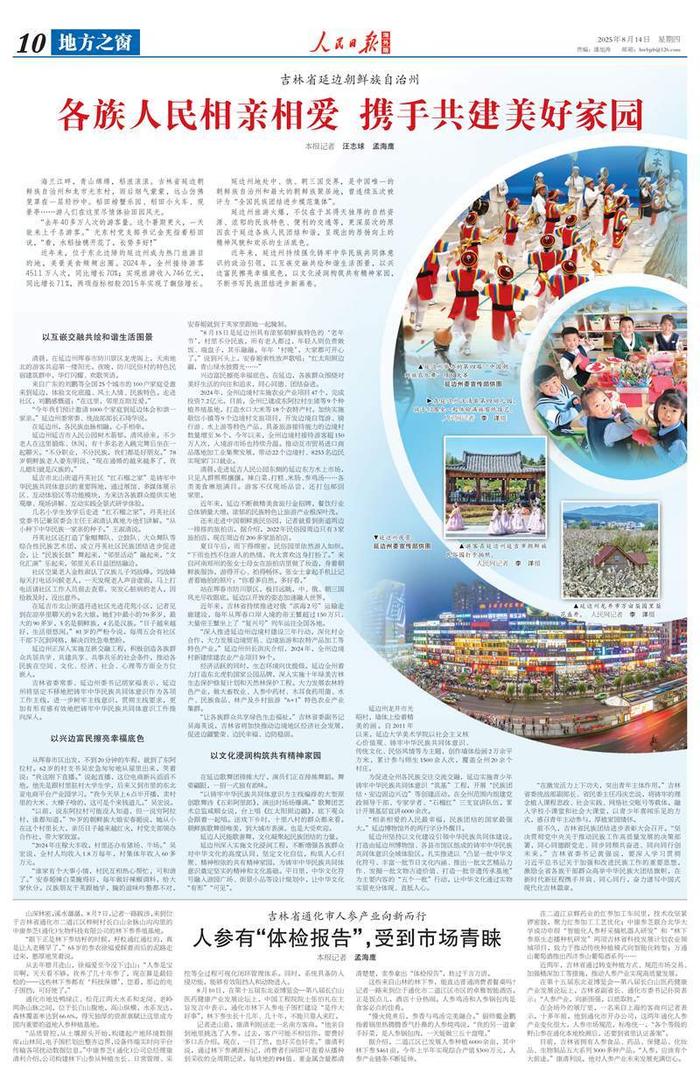
Group 1: Tourism Growth - In 2024, Yanbian Prefecture received 45.11 million tourists, a 70% increase year-on-year, and achieved tourism revenue of 74.6 billion yuan, up 71% from the previous year, with both metrics doubling since 2015 [7][12] - The region's appeal as a tourist destination is attributed to its unique natural resources, rich ethnic culture, and convenient transportation [7][8] - The local government plans to invite 1,000 families from across the country to experience the harmonious community life in Yanbian [8][9] Group 2: Cultural Integration - Yanbian promotes ethnic integration through community activities, fostering friendships across different ethnic groups, as seen in local community centers [8][9] - The "Red Pomegranate Home" initiative in Danying Community serves as a platform for cultural exchange and education, emphasizing the importance of unity among different ethnicities [8][9] - The region has implemented various cultural programs to enhance the sense of belonging and cultural confidence among its diverse population [14][15] Group 3: Economic Development - Yanbian has initiated 47 agricultural projects in border villages with an investment of 720 million yuan, enhancing local economic conditions [12] - The average annual income per person in East Alar Village is 18,000 yuan, with collective income exceeding 6 million yuan [11][12] - The region is focusing on developing border trade and tourism, with over 150,000 tourists visiting border villages this year [12][13] Group 4: Environmental and Cultural Initiatives - Yanbian is actively working on ecological protection and cultural promotion, including the establishment of the Northeast Tiger and Leopard National Park [13][14] - The local government is enhancing cultural identity through various artistic performances and community events, which have gained popularity among residents and visitors alike [14][15] - The province aims to integrate cultural education into youth programs to foster a sense of national unity and pride [15][16]
各族人民相亲相爱 携手共建美好家园
Ren Min Ri Bao Hai Wai Ban· 2025-08-13 21:50
Core Insights - Yanbian Prefecture has become a popular tourist destination, with a projected 45.11 million visitors and a tourism revenue of 74.6 billion yuan in 2024, marking a 70% and 71% increase year-on-year respectively [3][9] - The region's unique cultural and natural resources, along with the harmonious coexistence of various ethnic groups, contribute to its tourism success [3][4] - Yanbian is actively promoting cultural integration and community building among different ethnic groups, enhancing the sense of national unity [5][7][13] Tourism Growth - The number of tourists in Yanbian increased significantly, with over 400,000 visitors last year and thousands visiting daily during peak seasons [3] - The region's tourism revenue has doubled compared to 2015, showcasing its rapid growth and appeal [3] - The establishment of various tourism projects, including agricultural and cultural experiences, has bolstered visitor numbers [9][10] Cultural Integration - Yanbian is implementing initiatives to strengthen the awareness of a shared national identity among its diverse ethnic groups [7][12] - Community programs and cultural events are fostering relationships and mutual support among residents of different backgrounds [5][6] - The promotion of traditional arts and cultural performances is enhancing community engagement and cultural pride [12][14] Economic Development - The region is focusing on agricultural projects and e-commerce to improve local economies, with significant investments in agricultural infrastructure [8][9] - The average annual income per person in some villages has reached 18,000 yuan, reflecting economic improvements [8] - The development of border trade and tourism is creating job opportunities for local residents [9][10] Environmental and Cultural Initiatives - Yanbian is committed to ecological preservation while promoting economic growth, including the establishment of national parks and sustainable agricultural practices [11] - Cultural projects, such as murals and community art initiatives, are being implemented to enhance cultural identity and community spirit [13][14] - The region is actively engaging youth in cultural and community activities to foster a sense of belonging and national pride [14]