
农村土地制度改革

Search documents
集体资产过亿元!这里的土地变身“金疙瘩”,农民当上“小股东”
Yang Shi Wang· 2025-12-18 16:53
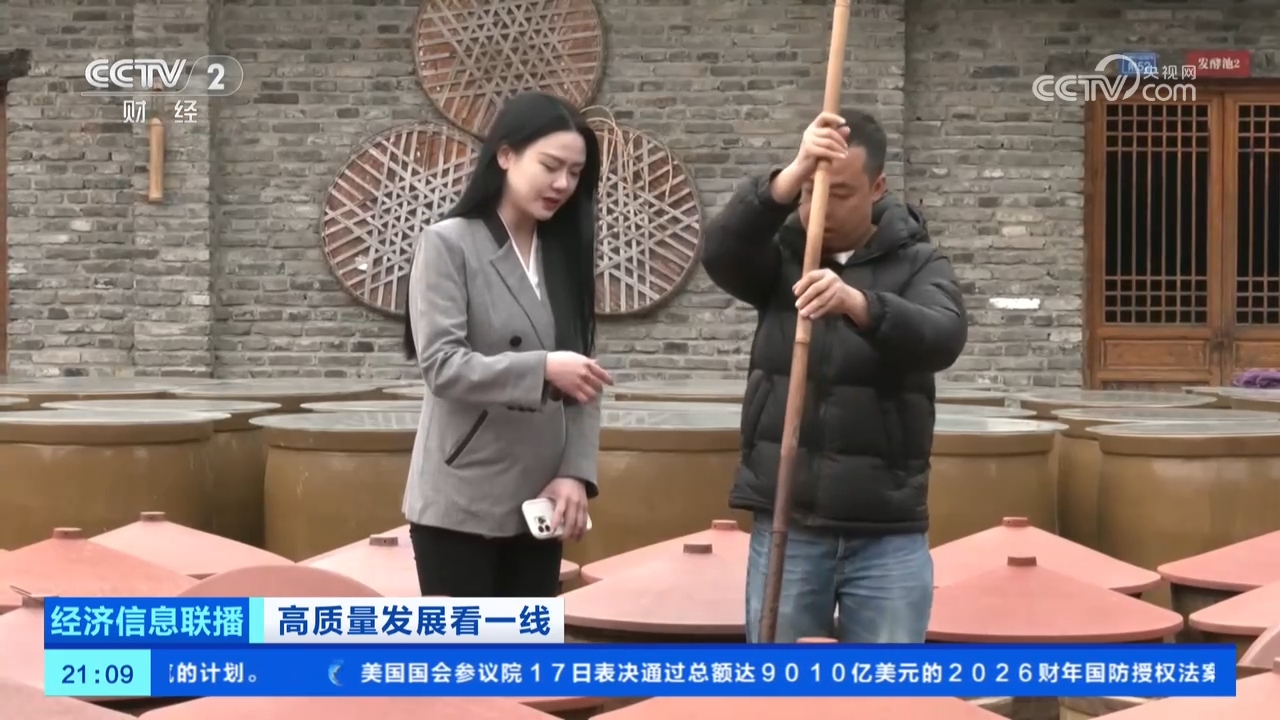
Core Insights - The central economic work conference emphasizes "coordinated development, promoting urban-rural integration and regional linkage" as part of China's strategy for urbanization and rural revitalization [1] Group 1: Land Reform and Economic Impact - The transformation of Zhanqi Village began with the landmark sale of 13.4 acres of collective operational construction land in 2015 for a total of 7.035 million yuan, marking a significant event in Sichuan's rural land reform [5] - The village's collective assets have surpassed 1.19 billion yuan, with over one million annual visitors, establishing it as a model for rural revitalization [7] - The integration of land, capital, and talent has allowed farmers to truly benefit from the reforms, with plans to extend these benefits to surrounding villages [9] Group 2: Local Industry Development - Zhanqi Village has diversified its economy beyond agriculture, engaging in the cultivation of grains, mushrooms, and the processing of Pixian Douban, alongside cultural tourism projects that attract visitors [7] - The village's traditional industries, such as soy sauce production and wine fermentation, have been revitalized, providing local residents with entrepreneurial opportunities [3][5] Group 3: Government Support and Future Plans - The Chengdu Development and Reform Commission is facilitating the orderly market entry of rural collective operational construction land, supporting cross-regional trading of land indicators to convert "sleeping land" into active assets for farmers [11] - Future initiatives will focus on resource integration among neighboring villages to replicate and promote the successful model of Zhanqi Village [9]

2025年我国农村改革持续深化
Xin Hua She· 2025-12-17 15:17
Group 1 - The core viewpoint of the articles emphasizes the continuous deepening of rural reform in China, focusing on key areas and enhancing the vitality of rural development by 2025 [1][2] Group 2 - The basic management system of rural areas is being consolidated and improved, with a steady development of various forms of moderate-scale operations, and the level of land management rights transfer is continuously improving [1] - By the end of 2024, there will be 3.952 million family farms and 2.035 million farmers' cooperatives in China, with 1.111 million operational entities providing agricultural social services, serving nearly 93 million smallholder farmers [1] Group 3 - The reform of the rural collective property rights system is deepening, with the implementation of the Rural Collective Economic Organization Law, leading to the standardized operation of rural collective economic organizations [1] - The supervision mechanism for rural collective "three assets" is being improved, with significant progress in addressing key issues [1] Group 4 - Positive progress is being made in the reform of the rural land system, including the improvement of the cultivated land occupation compensation balance system and the unified management of various types of cultivated land occupation [1] - The management of homesteads is being strengthened to protect farmers' basic residential rights, allowing farmers to legally utilize idle housing through rental, equity participation, or cooperation [1] Group 5 - The agricultural support and protection system is being continuously improved, with increasing support for agricultural and rural development policies, broadening the coverage of these policies [2] - The investment and financing mechanism for rural revitalization is becoming more diversified, with various forms and expanding fields [2] Group 6 - A comprehensive agricultural production support policy system is being established, focusing on food security, with subsidies, pricing, and insurance working together [2] - The minimum purchase prices for major grain crops such as wheat and early indica rice are being continuously increased, enhancing farmers' enthusiasm for grain production [2]
快评丨从“分田到户”到“合田增效”,土地变革重构乡村发展逻辑
Nan Fang Nong Cun Bao· 2025-12-10 07:30
Core Viewpoint - The article discusses a transformative land reform initiative in Guangdong's Qujiang District, which is referred to as China's "third land revolution," aiming to optimize land use and promote rural development through comprehensive land management strategies [2][6]. Group 1: Overview of the Reform - The reform involves a total investment of 3.674 billion yuan and is led by the Guangdong Provincial Natural Resources Department [2]. - It aims to systematically restructure the "production, life, and ecology" spaces to address challenges such as land sourcing, funding, and population aggregation [3][4]. - This initiative represents a historical shift in China's land system from "liberating productivity" to "optimizing production relations" in the context of the new era [6]. Group 2: Key Characteristics of the Qujiang Model - The first characteristic is the emphasis on planning and spatial restructuring to resolve land fragmentation issues, with 1,259 out of 2,125 plots being less than 5 acres [7][8]. - The second characteristic focuses on innovative rights protection and diverse resettlement options, ensuring that the reform prioritizes the rights and preferences of local residents [12][13]. - The third characteristic involves establishing a market-oriented operation and diversified financing system to ensure the sustainability of the model, including a partnership with the Agricultural Development Bank of China for a 3 billion yuan loan [17][19]. Group 3: Historical Context and Future Implications - The article outlines the evolution of China's rural land system, highlighting two previous significant reforms: the land reform that established "land to the tiller" and the household contract responsibility system that enhanced farmers' production incentives [22][23]. - The current reform seeks to address the contradictions between fragmented land management and the needs of modern agriculture, focusing on optimizing land resource allocation and enhancing productivity [25][30]. - The Qujiang model aims to balance historical rights with future development, creating a more efficient, livable, and equitable rural environment for farmers [36][39].
