冬至

Search documents
冬至遇上“阔时节” 人文在自然节律中回响——有一种叫云南的生活之365天
Xin Hua Wang· 2025-12-21 02:09
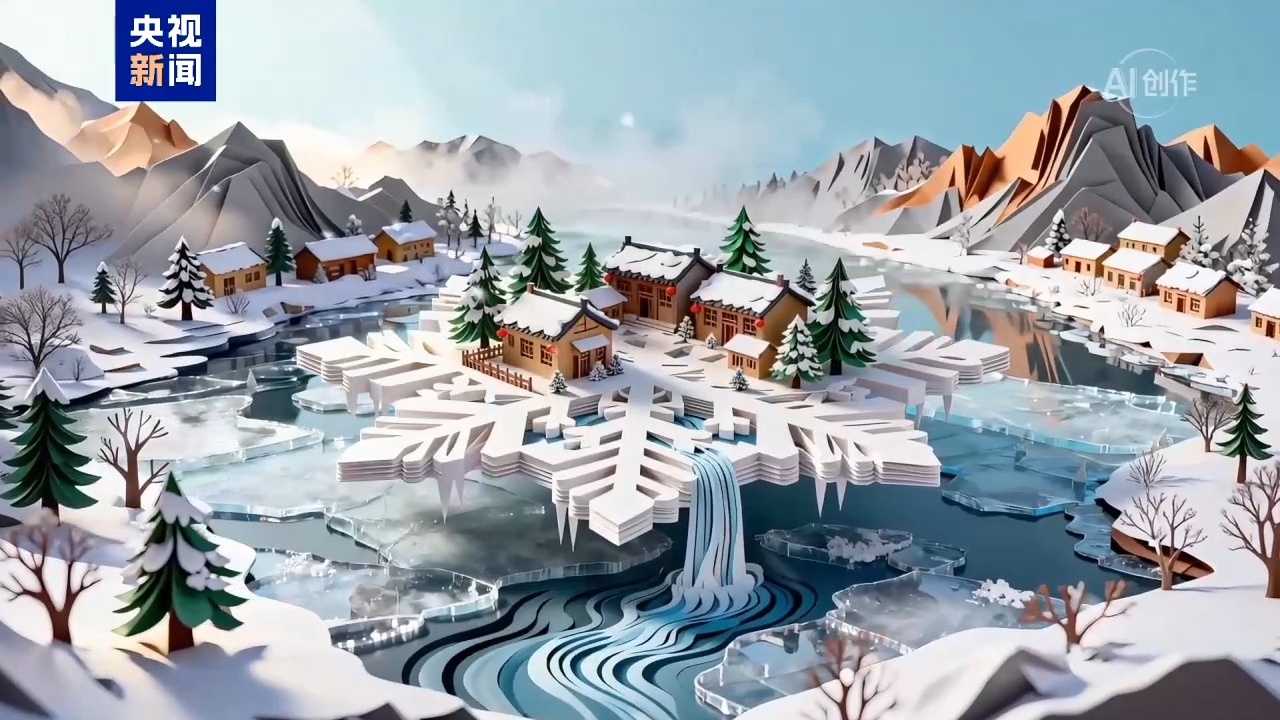
冬至已至,太阳行至最南,冬日的严寒愈发深入。遵循着自然的时钟,在云南省怒江傈僳族自治州 的层峦叠嶂间,民俗正浓、暖意涌动。傈僳族人民欢歌笑语庆贺"阔时节",迎接他们的新年。 在云南,一个民族的佳节,早已是各族人民共同的庆典。各族兄弟姐妹欢聚在一起,冬至的寒,被 人与人之间的暖,彻底驱散。(完) ...
“数九”,为何从冬至开始?
Zhong Guo Xin Wen Wang· 2025-12-21 01:56
Core Viewpoint - The article discusses the traditional Chinese counting method of "Shu Jiu" (数九), which begins on the winter solstice and marks the transition from winter to spring, highlighting its cultural significance and the timing of the 2026 Spring Festival [1][3][4]. Group 1: "Shu Jiu" Overview - "Shu Jiu," also known as "Winter Jiu," starts from the winter solstice and counts every nine days as a unit, culminating in 81 days, which signifies the arrival of spring [3][6]. - The folk song associated with "Shu Jiu" illustrates weather characteristics and agricultural activities during this period, emphasizing its cultural relevance [3][6]. Group 2: 2026 Spring Festival Timing - The 2026 Spring Festival falls on February 17, 2026, which is relatively late compared to previous years, as it coincides with the "Seven Jiu" period from February 13 to February 21 [3][4]. - The delay in the Spring Festival's timing is attributed to the occurrence of a "leap June" in 2025, affecting subsequent festivals like the Mid-Autumn Festival and the Spring Festival [4]. Group 3: Weather and Agricultural Implications - The "Seven Jiu" period is expected to align with the warming trend, potentially allowing for the phenomenon of "river opening" to occur if temperatures remain above zero degrees Celsius [6]. - The article emphasizes the importance of traditional knowledge in understanding seasonal changes and agricultural practices, as reflected in the "Shu Jiu" counting method [6].

中央气象台:冬至日北方大部晴朗 南方云量较多
Xin Lang Cai Jing· 2025-12-21 01:13
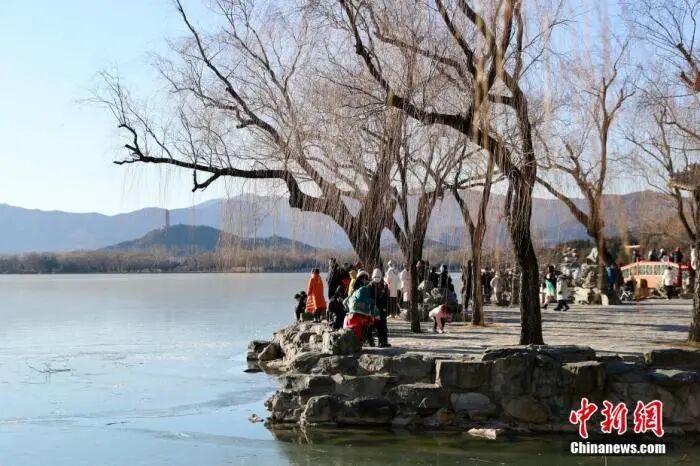
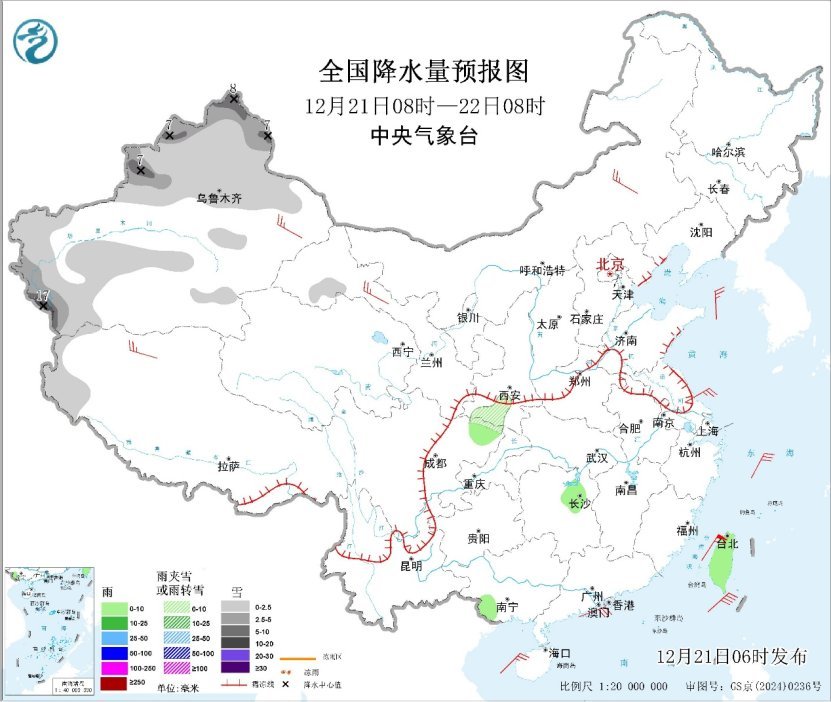
专题:今日冬至 来源:中央气象台 冬至日北方大部晴朗 南方云量较多 昨日,新疆北部和西部、甘肃中部、青海东北部、内蒙古东北部、黑龙江北部等地部分地区出现小雪,局地中雪或大 雪;重庆北部和东南部、贵州东北部、湖北西部和东北部、安徽南部等地部分地区出现中雨或雨夹雪,局地大雨。 今天是二十四节气中的"冬至",也是一年当中昼最长夜最短的时间,过了冬至后,白昼一天将比一天长。预计今天, 全国大部地区雨雪稀少,仅新疆北疆北部、伊犁河谷和南疆西部山区等地部分地区有中到大雪,南疆西部山区局地暴 雪。 今晨,内蒙古东部、西部地区东部、东北地区、华北、黄淮及长江中下游一带出现6~10℃降温,山西东部、黑龙江北 部、吉林东部等局地降幅超过14℃。 预计21日,受冷空气影响,内蒙古东北部、东北地区、江淮东部、江南中东部、华南北部等地部分地区降温4~6℃, 局地8~10℃。 此外,受新一股冷空气影响,22日至25日,长江以北大部地区气温下降4~6℃,局地8~10℃,内蒙古东部、东北地区 局地降温10℃以上;并有4~5级风,部分地区阵风6~8级;甘肃、华北东部、内蒙古东部、东北地区等地有小到中雪 或雨夹雪,东北地区的部分地区有大雪、局地 ...
为啥说冬至大如年
Xin Lang Cai Jing· 2025-12-21 00:07
(来源:环球时报) 【#为啥说冬至大如年#[并不简单]】 #北半球白昼最短夜晚最长的一天#冬至这一天,太阳直射南回归 线,太阳光对北半球最为倾斜,太阳高度角最小,也是北半球白昼最短、黑夜最长的一天。这一天过 后,太阳直射点将走回头路,从南回归线向北移动,北半球所有地区,白昼将会逐日增长。冬至是二十 四节气中最早被测定并记录下来的节气之一。早在新石器时期,我国先民就已经测定出冬至。古人认 为,自冬至起,白昼一天比一天长,阳气回升,天地阳气开始兴作渐强,代表下一个循环开始,是大吉 之日。民间更有冬至大如年的说法。#冬至# (央视网) 转自:环球时报 ...
文化中国行·人间好时节|冬至阳生 春归有期
Xin Lang Cai Jing· 2025-12-21 00:07
本文转自【央视新闻客户端】; 冬至 二十四节气中一个重要的节气 古代民间有"冬至大如年"的说法 古人认为 此时阳气初萌 是充满希望与祥瑞的吉日 自冬至日起 进入"数九"时节 人们"画九""写九" 人们互赠"冬至盘" 沉甸甸的食盒里 记录由冬寒到春暖的时序流转 "好在朱朱兼白白,一天飞雪映山茶。" 冬至清寒 山茶与梅花却悄然盛放 瓣上轻缀新雪 白中点红 诉说着冬日里最坚韧的生机 "天街晓色瑞烟浓,名纸相传尽贺冬。" 盛满糕点与佳酿 传递的不仅是美味 更是节日里流淌的温情 "天时人事日相催,冬至阳生春又来。" 冬至宴席 吃的是饺与圆 一为形似元宝,纳福迎祥 一为团团圆圆,家和事兴 每一种滋味 都寄托着"消寒迎春"的美好期盼 冬至大如年 人间小团圆 制片人丨王薇 申珅 策划丨樊嘉晨 王薇 编辑丨张之鹤 高润 愿一席温暖家宴 守护身心 静待春归 监制丨刘鑫 温露 闫博 ...
冬至,一阳来复
Ren Min Ri Bao· 2025-12-20 23:01
明代沈周的《东庄图册》,是他为同乡好友吴宽所作,描绘了吴氏家族园林"东庄"中的景象。东庄由吴 宽的父亲吴融营建,后传至吴宽之侄吴奕手中,是三代人心血所系。沈周作画之际,吴融已经离世。册 中的"续古堂"一开,绘出一个由墙与门隔出的小院。画面中间的小屋内垂挂着一幅人像,官帽红衣。这 应是吴家人祭祀吴融之所。堂名"续古",更表达了继承祖先遗业,不忘先世清芬的志向。 沈周另有一套4幅的《庐墓图》,后合装为一卷。这4幅图究竟为谁而绘,虽不得而知,其主题却清晰可 辨——从4个不同角度描绘的某家墓园。这样的绘画,正是古人仁孝之思的折射。画家为此匠心营造, 不仅经营位置,调整视角,更将这重要主题与表现四时风光的绘画传统结合起来。第一幅为春景,画的 是清明时节,人们结伴祭扫,正要走到墓道跟前。第二幅为夏景,正面画出了墓亭所在的位置。越过第 三幅的秋山空垅,便到了冬日,满山积雪把世界装点得一片莹白,墓道前的小径也被白雪覆盖,只余朱 红的亭子与一株未及落叶的红树相互映衬,为满山寒色增添了一丝暖意。 古人有着朴素的辩证眼光。所谓"冬至一阳生",从这昼最短、夜最长的一天开始,春意终将随着黄赤交 角的改变,悄悄地、慢慢地,重新回到大地上 ...
明天23时02分!正式迎来冬至!
Xin Lang Cai Jing· 2025-12-20 14:59
(来源:微博沧州) 岁岁冬至 岁至冬至 人间向暖 传/统/二/十/四/节/气 冬至过后 全国各地的气候 都将进入最寒冷的阶段 也就是人们常说的"数九寒天" 每九天为一"九" 从"一九"数到"九九" 就到了冰雪消融、春暖花开时 除了气象上的重要意义 冬至对中国人来说 也是一个重要的节日 在传统观念里 冬至是计算二十四节气的起点 有"冬至大如年"的说法 吃饺子是沧州人多少年来 过冬至的老传统 "冬至到,家家户户吃水饺" 冬至为什么吃饺子 今又冬至 明天(21日)23时02分48秒 我们将迎来冬天的第四个节气 冬至之后,河北天气如何? 今天(12月20日), 受冷空气影响, 下午到夜间, 传/统/二/十/四/节/气 "冬至不端饺子碗,冻掉耳朵没人管" 相传,东汉末年,各地灾害严重,很多人身患疾病。时任长沙太守的"医圣"张仲景毅然辞官回乡,为乡邻百姓把脉问诊。 返乡之时,正是寒冬,乡亲们饥寒交迫,不少人耳朵都冻烂了。张仲景便让弟子支起大锅,把羊肉和一些驱寒药材放在锅里熬煮,然 后将羊肉、药物捞出来切碎,用面包成耳朵形状的"娇耳",煮熟后,分给来求药的人们。 人们吃了"娇耳",喝了"祛寒汤",浑身暖和,两耳发热,冻伤的 ...

冬至丨一阳初生 安身意静
Yang Shi Xin Wen· 2025-12-20 14:02
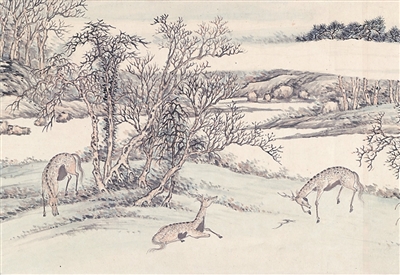
Group 1 - The winter solstice marks the shortest day of the year in the Northern Hemisphere, occurring when the sun reaches a longitude of 270° [1] - The winter solstice is associated with three phenomena: earthworms curling up, deer shedding their antlers, and the movement of water springs, indicating the transition from cold to warmth [3] - Ancient texts describe the winter solstice as a time of great significance, where it is seen as a moment of balance between yin and yang, and is celebrated with rituals for good harvests [4] Group 2 - The longest night of the year is also a time for celebration, with various warm foods being consumed to mark the occasion, such as tangyuan in the south and dumplings in the north, symbolizing reunion and warmth [6]
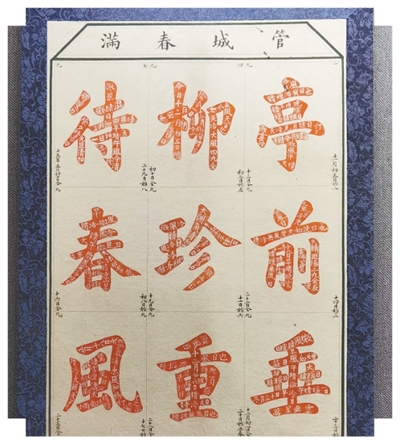
消寒图有几种玩法(文化中国行·二十四节气二十四问)
Ren Min Ri Bao· 2025-12-19 22:10
Group 1 - The winter solstice is the 22nd solar term and the fourth solar term of winter, starting on December 21, 2025 [2] - It marks the shortest day and longest night of the year in the Northern Hemisphere, leading into the coldest period known as "Jin Jiu" [2] - The concept of "counting the nines" begins on this day, which is a method of tracking days and weather for agricultural purposes, lasting 81 days until spring [2] Group 2 - The "counting the nines" custom includes three main forms: "drawing nine," "writing nine," and "filling nine" [3] - "Drawing nine" involves artistic representations, often featuring plum blossoms, where participants color in petals daily until completion [3] - "Writing nine" consists of selecting nine characters to form meaningful phrases, with participants filling in strokes daily, reflecting both weather and anticipation for spring [3] Group 3 - "Filling nine" is a practical form where participants fill in a grid based on weather conditions, creating a record of the 81 days [4] - The evolution from songs to these visual representations illustrates the cultural significance and wisdom of agricultural practices [4] - Despite modern advancements, the cultural depth and life philosophy embedded in these traditions remain valuable for contemporary experiences [4]
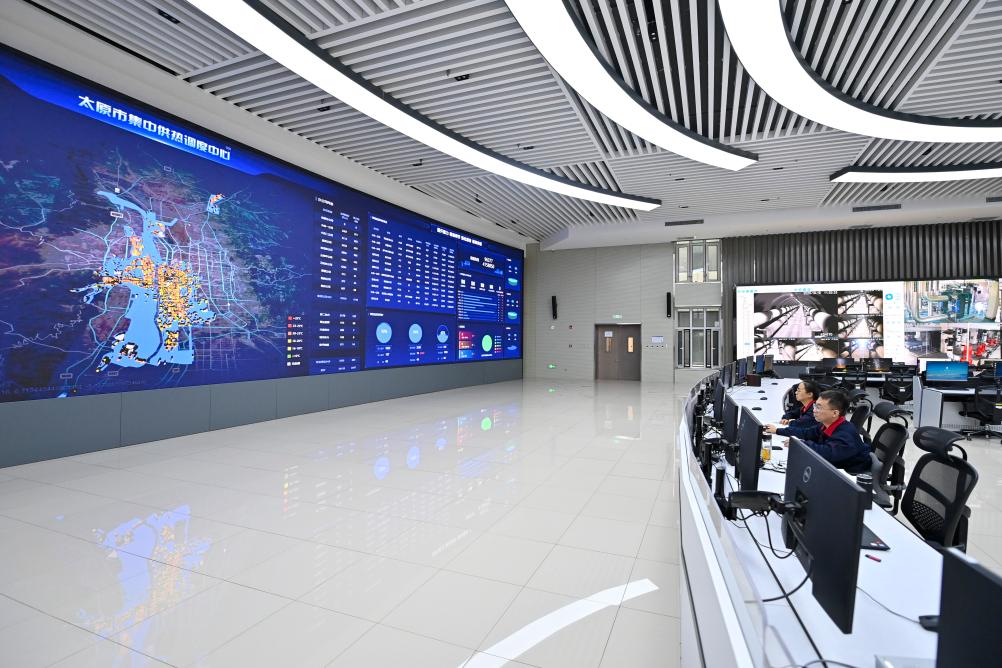
唠“科”话|体感入冬、气象入冬、节气立冬,冬天到底来了没有?
Xin Hua Wang· 2025-10-22 00:27
Core Viewpoint - The onset of winter has been perceived earlier this year in northern China, particularly in Shanxi province, due to a significant drop in temperatures and continuous rainy weather since October, leading to early heating supply in Taiyuan [1][4]. Group 1: Weather Conditions - Northern regions of China, including Shanxi, have experienced continuous rainy weather and a sharp decline in temperatures since October [1]. - Taiyuan began its heating supply on October 19, more than ten days earlier than the same period last year [1]. - The minimum temperature in southern Beijing dropped below freezing on October 20, prompting public comments about an abrupt transition to winter [1]. Group 2: Meteorological Definitions - The term "入冬" (entering winter) is defined meteorologically as the first day when the sliding average temperature falls below 10 degrees Celsius [3]. - "立冬" (Beginning of Winter) and "冬至" (Winter Solstice) are traditional solar terms, with "立冬" fixed around November 7 or 8, and "冬至" marking the shortest day of the year [3]. Group 3: Perception of Cold - Residents in Taiyuan report feeling a stark cold, with comments on the biting wind and sudden temperature drop [4]. - Meteorological experts indicate that while some areas may feel like winter has arrived, actual winter conditions are not met in Taiyuan, where temperatures are expected to remain above 10 degrees Celsius in the coming days [5]. - The discrepancy between perceived and actual temperatures is attributed to factors such as wind speed, humidity, and sudden changes in weather patterns, leading to a psychological feeling of "winter" despite meteorological definitions [6].