
加密寒冬

Search documents
FXGT:银价飙升与供需新格局
Xin Lang Cai Jing· 2025-12-02 10:22
Core Viewpoint - Silver prices surged above $58 per ounce, reaching a historical high due to shrinking inventories, strong investment demand, and uncertainties on the supply side [1][5]. Group 1: Market Dynamics - The market experienced heightened tension due to a 10-hour system outage at CME Group, attributed to a cooling system failure at a data center in Aurora, Illinois, which temporarily halted trading in metals, currencies, and interest rate futures [1][5]. - Market participants emphasized that the system outage's impact on silver prices is limited, with the real driving force being the tightening structure of the physical silver market [1][5]. - FXGT noted that the tightening situation in the physical market is deepening, particularly as Shanghai Futures Exchange inventories have dropped to their lowest levels in nearly a decade [1][5]. Group 2: Demand and Supply Factors - Data indicates a significant willingness for physical delivery of December COMEX silver contracts, although analysts caution that the rapid changes in delivery notices and registered inventories do not necessarily indicate immediate risk [2][6]. - Industrial demand for silver continues to expand in sectors such as solar energy, power electronics, and energy technology, while investor capital flows are identified as a critical yet often overlooked factor [2][6]. - Silver ETFs have seen a return of net inflows since the end of the year, reversing a trend of outflows throughout most of 2024, with global holdings gradually returning to recent highs [2][6]. Group 3: Future Outlook - Clem Chambers, CEO of Online Blockchain PLC, believes the current upward trend in silver prices is just the beginning, stating, "this is not the end, but the prologue," with a price target potentially reaching $95 [1][7]. - FXGT suggests that the ongoing asymmetric supply-demand dynamics could lay the groundwork for future price shocks if they persist [2][6]. - Chambers expressed a preference for investing in copper, platinum, and crude oil over silver for 2026, citing long-term demand driven by global electrification and data center expansion [7].


每日数字货币动态汇总(2025-11-05)
Jin Shi Shu Ju· 2025-11-05 09:51
Group 1 - Arthur Hayes indicates that the liquidity withdrawal due to the U.S. government shutdown is one reason for the current weakness in the crypto market, with the Treasury General Account exceeding its target by approximately $150 billion [1] - Hayes predicts a "stealth QE" by the U.S. Treasury and Federal Reserve, which could act as a catalyst for a new rally in Bitcoin and the crypto market, as the government is expected to issue around $2 trillion in new debt annually [1] - The sentiment among retail investors in Bitcoin is described as "extreme despair," but this may signal a potential market bottom, with institutional support and the growth of crypto ETFs providing a bullish outlook [2] Group 2 - U.S. Senator Lummis advocates for a Strategic Bitcoin Reserve as the only solution to the national debt issue, supporting the Trump administration's initiative [3] - The Independent Community Bankers of America (ICBA) urges the OCC to reject Coinbase's national trust bank charter application, claiming it poses a risk to the banking system [3] - Standard Chartered plans to launch Bitcoin and Ethereum custody services in Hong Kong next year, expanding its digital asset offerings [4] Group 3 - Berachain Foundation announces the recovery of approximately $12.8 million stolen from a vulnerability, with all functions of BEX temporarily restricted to ensure user safety [4] - The SEC's investigation into digital asset treasury strategies has been paused due to the government shutdown, but it is expected to resume once the government reopens [4] - Bitcoin lending platform Lava has raised $200 million in funding to develop its suite of Bitcoin financial tools, with participation from notable investors [5] Group 4 - GoPlus warns that more stablecoins similar to XUSD may face significant risks of de-pegging or insolvency due to market conditions and liquidity issues [6] - BlackRock is set to launch its Bitcoin ETF in Australia, providing a regulated and cost-effective way for local investors to access Bitcoin [7] - The U.S. Treasury has imposed sanctions on North Korean bankers involved in laundering stolen cryptocurrency, highlighting the ongoing issues of cybercrime and illicit financial activities [9]


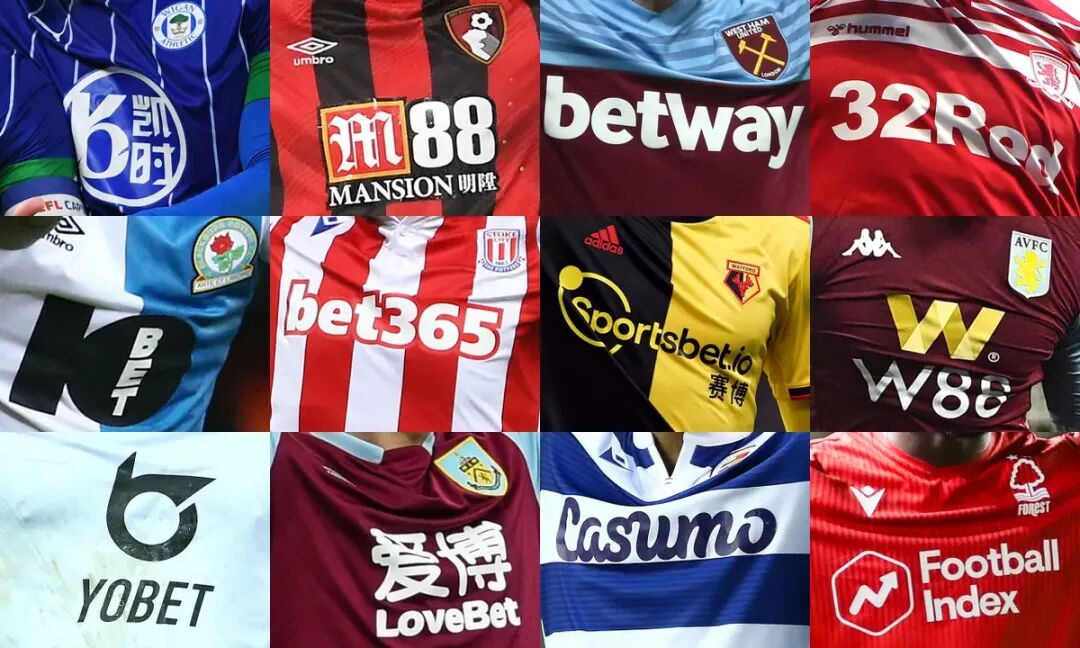
英超20年的博彩时代进入最后一季,下一个大金主会是谁?
3 6 Ke· 2025-09-01 02:05
Core Viewpoint - The English Premier League (EPL) is set to ban gambling sponsorships on team jerseys starting from the 2026-27 season, marking the end of a two-decade era where gambling companies dominated jersey sponsorships. This change raises questions about how clubs, especially smaller ones, will fill the financial gap left by these sponsorships and whether sponsors will find ways to circumvent the new regulations [1][16][20]. Group 1: Historical Context of Gambling Sponsorship - Gambling sponsorship has been a significant source of revenue for EPL clubs, with over half of the clubs featuring gambling brands on their jerseys at the peak of this trend [1][8]. - The history of jersey sponsorship in English football began in 1976, evolving from initial resistance to becoming a crucial part of club financing, especially after the introduction of the Gambling Act in 2005, which allowed gambling advertisements [3][6][18]. - By the 2025-26 season, 11 EPL teams still had gambling brands as their primary sponsors, highlighting the entrenched nature of this sponsorship model [1][9]. Group 2: Financial Implications of the Ban - Gambling companies typically offer higher sponsorship fees, often around 20% more than non-gambling sponsors, making them attractive to clubs, particularly smaller ones that rely heavily on these funds [8][20]. - In the 2022-23 season, the average commercial revenue for the top six EPL clubs was £255 million, while the average for the other 14 clubs was only £31 million, indicating a significant disparity in financial resources [9][12]. - The total market value of EPL jersey sponsorships for the 2025-26 season is estimated at $525.4 million, with gambling brands contributing approximately $129.6 million, underscoring their financial importance [12][9]. Group 3: Future Sponsorship Landscape - The transition away from gambling sponsorships is expected to create a vacuum that other industries will need to fill, with potential new sponsors including cryptocurrency companies, airlines, and B2B tech firms [20][24][28]. - The ban will not eliminate gambling advertising entirely, as these brands may shift to other advertising spaces, such as sleeve sponsorships or training gear, maintaining their presence in the league [28][29]. - Clubs have a three-year transition period to adapt to the ban, allowing them to explore alternative sponsorship opportunities and potentially diversify their revenue streams [21][20].
一个时代的落幕?比特币的“游戏规则”或已被彻底改变!
Jin Shi Shu Ju· 2025-08-08 15:04
Core Viewpoint - The historical "cycle" of Bitcoin is showing signs of being broken, which could significantly impact how investors assess cryptocurrency price trends and potential entry points [1] Group 1: Bitcoin Cycle Overview - The Bitcoin cycle typically revolves around a key event known as "halving," which occurs approximately every four years and reduces mining rewards by half, limiting the total supply to 21 million Bitcoins [1] - Historically, Bitcoin prices tend to rise in the months following a halving event, reaching new all-time highs before experiencing a significant drop of about 70% to 80%, leading to a prolonged period of low prices known as "crypto winter" [2][3] Group 2: Changes in the Bitcoin Cycle - In the current cycle, Bitcoin reached a historical high of over $73,000 in March 2024, approximately one month before the halving, which deviates from the previous pattern where new highs were typically set 12-18 months post-halving [3] - The approval of spot Bitcoin exchange-traded funds (ETFs) in the U.S. has been a major factor driving Bitcoin's price, attracting significant institutional investment and altering traditional cycle dynamics [3][4] Group 3: Factors Influencing the Cycle - The introduction of ETFs has brought in wealthy investors interested in long-term holdings, while other market factors have also evolved [4] - A more favorable macroeconomic environment and regulatory landscape are emerging, with indications that the likelihood of interest rate decreases is higher than increases, which could reduce the risk of future market crashes [5] Group 4: Current Stage of the Cycle - Historically, significant price appreciation for Bitcoin occurs between 500 to 720 days post-halving, suggesting potential price acceleration between Q3 2025 and Q1 2026 [6] - The latest historical high for Bitcoin was recorded on July 14, when it surpassed $123,000, indicating a shift in the traditional four-year cycle [6] Group 5: Market Volatility and Future Predictions - The typical 70%-80% price drop following a halving may no longer be applicable, with the current cycle showing a maximum drawdown of approximately 26% [7] - Market experts believe that while a 30% to 50% correction may occur due to macroeconomic shocks or regulatory surprises, these corrections are expected to be shorter and less severe than in previous cycles [7]