
医养融合

Search documents
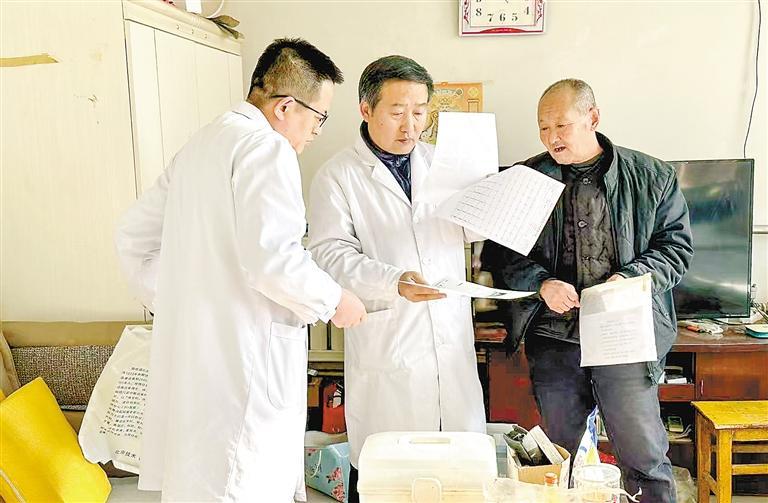
医养融合 筑牢群众健康防线
Xin Lang Cai Jing· 2026-01-22 04:44
Core Viewpoint - The article highlights the innovative model of integrated medical and elderly care services being developed at the Liuqiying Integrated Medical and Elderly Care Service Center in Yongqing County, which aims to provide comprehensive health protection for the elderly through a "three-level linkage" mechanism [3][4]. Group 1: Service Model - The center has transitioned from a simple "hospital + nursing home" model to a comprehensive service station that integrates medical care, elderly care, rehabilitation, and support [3]. - It allows elderly individuals to receive professional medical services while enjoying their later years in a familiar home environment, achieving the goal of "aging in place with expert medical care" [3]. Group 2: Medical Network - A three-tier medical network has been established, connecting county, township, and village levels to ensure timely and effective treatment for severe patients through collaboration with Yongqing County Traditional Chinese Medicine Hospital [3][4]. - The center has set up medical service stations at the township level for common disease management and rehabilitation care, providing convenient medical services close to home [3]. Group 3: Emergency and Health Monitoring - The establishment of a green channel for dual-directional referrals allows for rapid transfer of severe patients to higher-level hospitals, thus saving critical time during emergencies [4]. - Services such as chronic disease follow-up and health monitoring are delivered directly to the elderly's homes, enabling early detection and treatment of health issues [4]. Group 4: Diverse Health Services - The center offers various service models, including health education to improve health awareness, personalized health management plans through electronic health records, and home medical services for the disabled [4]. - Traditional Chinese medicine services, psychological support, and additional elderly care services such as meal assistance and recreational activities are also provided to enhance the quality of life for the elderly [4][5]. Group 5: Future Development - The Liuqiying Integrated Medical and Elderly Care Service Center plans to continue deepening its integrated services and innovating service models to ensure that every elderly individual can enjoy a quality and dignified life in their later years [5].

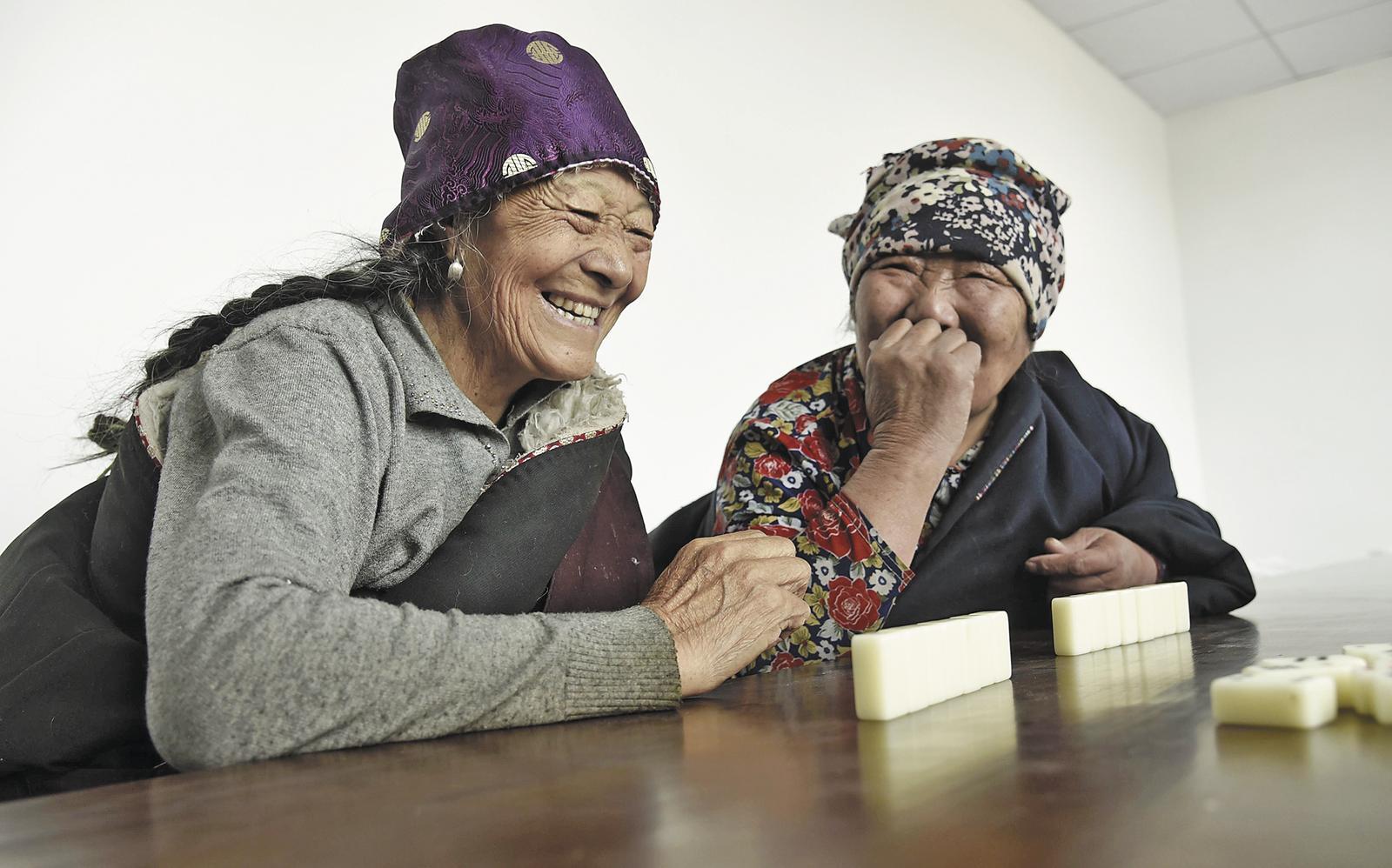
养老变享老 夕阳更惬意
Xin Lang Cai Jing· 2026-01-19 18:10
Core Viewpoint - The article highlights the significant improvements in the elderly care system in Qumalai County, Yushu Tibetan Autonomous Prefecture, particularly through the establishment of the Huanghe Nursing Home, which integrates medical care and community support to enhance the quality of life for elderly residents [2][4][7]. Group 1: Infrastructure and Services - The Huanghe Nursing Home, opened in July 2023, is the most well-equipped elderly care facility in the region, addressing the challenges of remote medical access and care for the elderly in high-altitude areas [2][4]. - The facility features modern amenities, including spacious rooms, stable heating, and comprehensive accessibility features, reflecting a shift in service philosophy from basic care to quality enhancement [5][6]. - A total of 66 elderly residents currently live in the nursing home, supported by a professional team of 17 caregivers, creating a warm and professional environment [7]. Group 2: Medical Integration - The nursing home has implemented an innovative model of "medical care integration + centralized care," collaborating closely with the county's Tibetan hospital to provide on-site medical services, including traditional Tibetan therapies [7]. - This model effectively bridges the gap in access to professional medical resources for the elderly, ensuring continuous health monitoring and support [7]. Group 3: Community and Emotional Support - The facility emphasizes not only physical care but also emotional well-being, offering activities such as social gatherings, haircuts, and festive events to enrich the lives of the elderly [6][7]. - The county's civil affairs bureau is actively exploring new paths for home and community-based elderly care, providing services to 345 homebound elderly individuals through government-funded third-party services [7].
济宁高新区三级养老服务体系建设战略合作协议签约仪式举行
Qi Lu Wan Bao· 2026-01-08 03:08
Core Viewpoint - The signing of the strategic cooperation agreement marks a significant step in building a new elderly care service system in Jining High-tech Zone, focusing on a model that integrates government leadership, social participation, market operation, and medical-elderly care fusion [1][2]. Group 1 - The cooperation aims to promote structural reform in public service supply and establish a new ecological system for elderly care services that is efficient in resource integration and high in service quality [1]. - The three parties involved are Jining High-tech Zone Management Committee, Jining First People's Hospital, and Jining Meimei Medical and Health Care Co., Ltd., focusing on three major projects: high-end medical and health care projects, comprehensive elderly care service center, and home care service projects [2]. - The goal is to achieve a "15-minute elderly care service circle" coverage, enhancing the accessibility of services for the elderly [2]. Group 2 - The ceremony was hosted by Zhu Lei, Deputy Minister of the Municipal Organization Department and Director of the Municipal Party Member Education Center, with participation from district leaders [3].
青海医养融合取得新成就
Xin Lang Cai Jing· 2026-01-01 20:49
Group 1 - The core focus of Qinghai during the 14th Five-Year Plan is to address the core needs of elderly health and elderly care, establishing a comprehensive health support system and promoting innovative breakthroughs in elderly care services [1] - A total investment of 1.27 billion yuan is planned for the construction and renovation of 754 elderly care infrastructure projects, achieving full coverage of county-level comprehensive elderly care service guidance centers [1] - The province aims to expand health management coverage for the elderly, providing free health check-ups for seniors aged 65 and above, with 497,600 elderly individuals included in family doctor signing services [1] Group 2 - 90% of secondary and higher-level comprehensive hospitals have established or independently set up geriatric medicine departments to enhance the diagnosis and treatment of elderly diseases [2] - Since 2020, Qinghai has included palliative care as a key task, gradually improving the service system and establishing a multi-disciplinary service team [2] - The province supports the integration of medical institutions within elderly care facilities, ensuring that these facilities are included in the medical insurance designated points [2]
铸就行业高度 传递民生温度
Xin Lang Cai Jing· 2025-12-31 21:06
Core Insights - The company, as the largest state-owned chain elderly care service provider in Guiyang and Gui'an, is committed to high-quality development, focusing on professional services and diversified expansion, thereby enhancing industry standards and improving public welfare [1][4] Group 1: Company Achievements and Activities - In February, the company's chairman, Xue Renzheng, was recognized as a "2024 Influential Figure in Guizhou's Health and Elderly Care Industry," highlighting the company's growth and leadership in the sector [1] - In April, the company hosted a themed event "Two Years of Blossoming for Silver Age, A New Chapter in Happy Elderly Care" at Baoshan Garden and Xing Shi Road Long-term Care Home [1] - In May, the company organized a staff sports event and celebrated the third anniversary of the Battery Factory Care Home, showcasing the integration of team vitality and service depth [1] - From June to July, the first "Build Wide Fortune Craftsman Cup" elderly care skills competition was held to enhance professional care standards, and the establishment of a dementia care training center marked a step towards standardized and professional care systems [1] Group 2: Strategic Developments and Collaborations - In July, a research team from the National Development Bank visited to support the company's asset transformation into elderly care projects, providing policy and resource backing for industrial transformation [2] - In August, the second phase of Baoshan Garden began construction, and the company launched a "Qian-style Mooncake" production initiative, demonstrating innovative vitality in industry integration [2] - In September, the company released its first self-produced integrity-themed promotional video and celebrated the second anniversary of the Yinpan Road Care Home, reflecting ongoing improvements in service quality [2] Group 3: Future Plans and Goals - In December, the company celebrated the fifth anniversary of the Mine Garden, and it plans to deepen the integration of medical and elderly care services while expanding community home care services in 2026, marking the start of the "15th Five-Year Plan" [4]
第二届首都中西医医养结合发展大会:推动首都医养结合高质量发展
Zhong Guo Jing Ji Wang· 2025-12-31 15:24
Group 1 - The second Capital Integrated Traditional Chinese and Western Medicine Health and Care Development Conference was held on December 27, 2025, focusing on the theme of "penetrating integration and building shared development" to promote sustainable and replicable development in the field of integrated health and care [1] - The conference aimed to establish a consensus on "prevention first, integration of medicine and care," addressing the challenges of an aging population with a systematic "Beijing solution" [2] - The event showcased innovative achievements and practical progress in the integrated health and care sector, creating an open and efficient industry ecosystem for collaboration [1][2] Group 2 - The conference emphasized the need to build a comprehensive health and care service system covering all demographics and life cycles, addressing the "last mile" issue in health and care services [2] - A series of standards related to health and care were released, and the public solicitation for the "Beijing Integrated Traditional Chinese and Western Medicine Comprehensive Service Platform" was initiated, marking significant progress in standardization and informatization [2] - Key reports were presented by experts in various fields, including brain science, chronic kidney disease, and the integration of health and care in community settings, highlighting collaborative approaches and practical experiences [2][3] Group 3 - The conference featured six parallel meetings focusing on key areas such as cancer rehabilitation, kidney disease development, and the integration of traditional and modern health practices [3] - The establishment of a special fund for the transformation of traditional Chinese medicine technology was announced to accelerate the integration of production, education, and research [3] - Initiatives were introduced to promote health consumption and guarantee platforms for veterans and the public, as well as the implementation of service standards for health and wellness tourism [3]
当科技养老成为新趋势,中国如何书写本土答案?
3 6 Ke· 2025-12-31 12:09
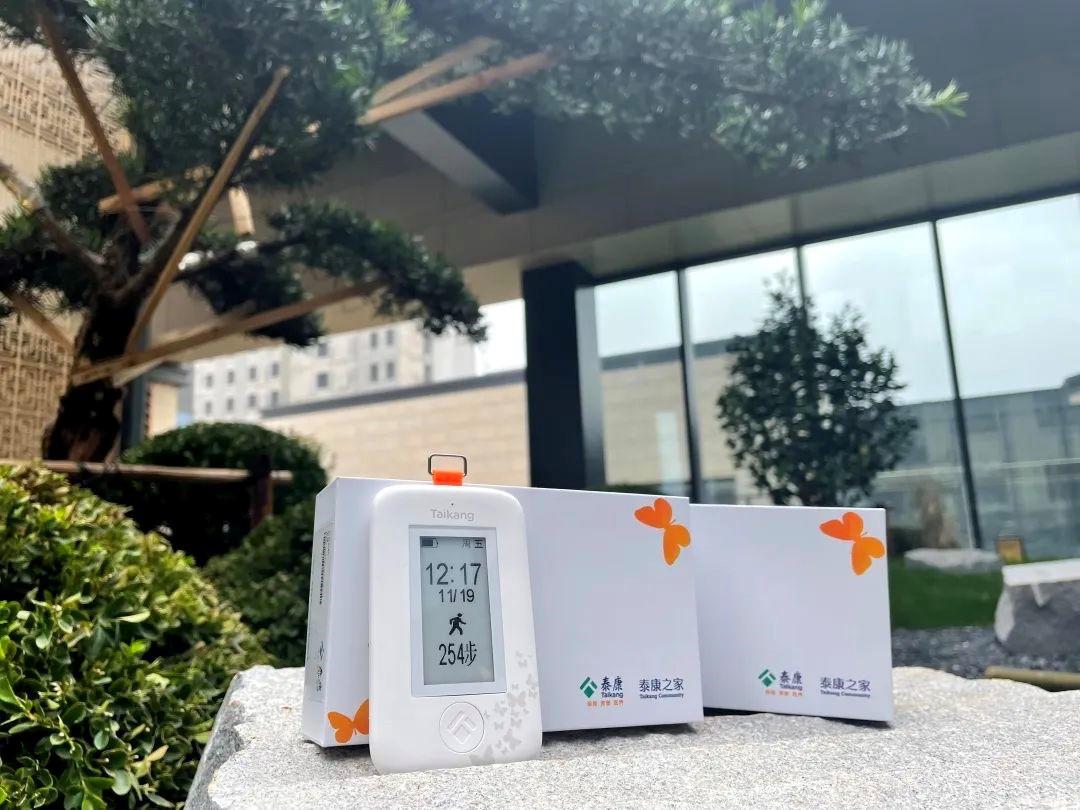
Core Insights - The article discusses the emerging trend of technology in elder care, highlighting the integration of AI and robotics to address key challenges in the industry [1][2][3] Group 1: Technology in Elder Care - Inspiren, a startup in the U.S., has developed an integrated solution that addresses core pain points in elder communities using AI predictive engines [1][2] - The company has rapidly expanded, entering 150 regular elder care communities and 33 dementia care communities within 18 months, raising over $155 million in funding [2] - Japan is also leveraging technology in elder care, with significant government investment in robotic care solutions, including over $300 million by 2018 [2] Group 2: Aging Population in China - By the end of 2024, China's population aged 60 and above is projected to reach 310 million, accounting for 22% of the total population [4] - The proportion of empty-nest elderly individuals has reached 54%, with over 12 million living alone [4] Group 3: Challenges in Healthcare System - China's healthcare system faces challenges such as fragmentation, low chronic disease control rates, and high risks associated with polypharmacy [5] - The need for a comprehensive primary care system is emphasized as a key solution to address aging-related healthcare demands [5] Group 4: Integration of Medical and Elder Care - The concept of "medical-elderly integration" is proposed as a new approach, with high-quality elder care communities increasingly incorporating professional rehabilitation and general hospitals [6] - This integration aims to provide timely medical support within elder care facilities, enhancing overall care quality [6] Group 5: Innovative Payment Models - The "Happiness Appointment" product by Taikang links insurance with elder care community services, allowing seniors to secure long-term care while managing financial pressures [19][24] - This model has seen significant market acceptance, with over 300,000 units sold, addressing the financial concerns of families seeking quality elder care [19] Group 6: Industry Dynamics and Sustainability - The elder care industry is characterized by a disparity between high demand and insufficient quality services, with many institutions struggling financially [21][22] - The article highlights the importance of sustainable business models that balance profitability with social responsibility, particularly in the context of aging populations [25]

当科技养老成为新趋势,中国如何书写本土答案?
36氪· 2025-12-31 09:20
Core Viewpoint - The article discusses the emerging trend of technology-driven elderly care, highlighting innovative solutions that address the core pain points in elderly communities, and emphasizes the need for a differentiated approach in China's aging care industry [3][6]. Group 1: Technology in Elderly Care - Inspiren, a startup in the U.S., has developed an integrated solution that uses AI to predict risks for the elderly, focusing on real-time data analysis rather than historical records [3]. - The company has rapidly expanded, entering 150 regular elderly care communities and 33 dementia care communities within 18 months, raising over $155 million in funding [4]. - Japan has also invested heavily in care robotics, with over $300 million allocated by the government for research and development by 2018, showcasing a global trend towards technology in elderly care [4]. Group 2: Challenges in China's Elderly Care - By the end of 2024, China's population aged 60 and above is projected to reach 310 million, accounting for 22% of the total population, with a significant portion living alone [9][10]. - The current fragmented healthcare system in China struggles to meet the needs of the aging population, highlighting the necessity for a more integrated approach to healthcare and elderly care [10][11]. - The article emphasizes the importance of "predictive" care models that can preemptively address health issues, as seen in innovative practices like those at TaiKang [12]. Group 3: Innovative Solutions and Models - TaiKang has integrated AI, IoT, and big data into its elderly care services, creating a smart healthcare system that includes emergency response features and personalized health management [12][14]. - The introduction of emotional support robots and AI companions is seen as a growing market, with predictions of significant revenue growth in the "AI + emotional companionship" sector [17]. - TaiKang's "Happiness Appointment" product links insurance with elderly care services, allowing seniors to secure future care while managing current financial pressures [25]. Group 4: Economic and Service Accessibility - The current elderly care landscape in China shows a disparity where approximately 90% of seniors rely on home care, while only 3% reside in care facilities, primarily due to cost and service accessibility issues [23]. - The average monthly fees for private elderly care institutions range from 4,000 to 8,000 yuan, which is often beyond the financial reach of many seniors [23]. - The article suggests that technological innovations and strategic partnerships can help reduce costs and improve service quality, making high-quality care more accessible [24][27]. Group 5: Sustainable Business Models - The article argues for a shift in the elderly care industry from a profit-driven model to one that balances social responsibility and commercial viability [29]. - TaiKang's approach combines insurance, service, and investment to create a self-sustaining ecosystem that addresses the long-term needs of the elderly [32]. - The exploration of new insurance models demonstrates that commercial value and social significance can coexist, providing a framework for sustainable elderly care solutions [33].

二〇二五,医疗提质惠民生(年终盘点)
Ren Min Ri Bao Hai Wai Ban· 2025-12-29 22:47
Core Insights - The article discusses the ongoing improvements in China's healthcare system, emphasizing the integration of medical and elderly care services, the expansion of insurance coverage, and the enhancement of accessibility to healthcare services for the population [6][15][20]. Group 1: Healthcare Accessibility - Over 90% of residents can access medical services within 15 minutes, with the number of grassroots medical institutions increasing from 970,000 to 1,040,000 [8]. - The establishment of a unified national medical insurance information platform has enabled instant settlement of medical expenses, covering 1.33 billion insured individuals and 1.14 million designated hospitals and pharmacies [12]. - More than 200 types of medical examination results are now mutually recognized across the country, facilitating easier access to healthcare for patients [9]. Group 2: Insurance and Financial Support - The inclusion of assisted reproductive services in medical insurance aims to alleviate financial burdens for families, with coverage expanding to all provinces and regions by 2025 [6]. - The dynamic adjustment of the medical insurance drug list has added 114 new drugs, increasing the total to 3,253, focusing on urgently needed innovative medications [6]. - Approximately 80 million low-income individuals receive insurance subsidies annually, with a 90% reimbursement rate for hospitalization costs in rural areas [6]. Group 3: Elderly Care Integration - The "Medical and Elderly Care Integration Promotion Action Plan (2025-2027)" aims to address challenges faced by the elderly, such as access to healthcare and quality of life [15]. - The establishment of "15-minute elderly service circles" in cities ensures that elderly individuals receive timely and convenient care [15]. - Long-term care insurance trials are expanding, covering 250 million people, providing home care and rehabilitation services for the elderly [15]. Group 4: Pediatric Healthcare Improvements - Nationwide, 4,845 secondary and tertiary public hospitals now offer pediatric services, addressing the shortage of pediatric care [10]. - Efforts to optimize pediatric healthcare services include appointment systems and extended hours during peak seasons for childhood illnesses [10]. - The average waiting time for pediatric patients has decreased significantly, improving the overall experience for families [11]. Group 5: Traditional Chinese Medicine (TCM) - The number of TCM healthcare institutions has reached 104,000, with 99.6% of community health service centers providing TCM services [20]. - The cultural promotion and international collaboration in TCM have increased public awareness of TCM health culture from 20.69% to 26.85% [20]. - The establishment of expert studios and national laboratories for TCM is enhancing the preservation and innovation of traditional practices [20].
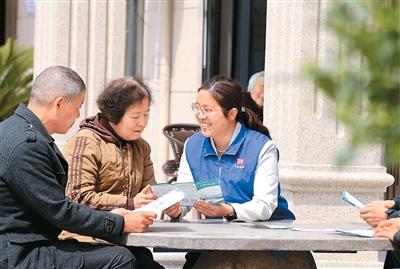
宁夏银川医养融合:为银发族托起幸福晚年
Zhong Guo Xin Wen Wang· 2025-12-09 08:40
Core Insights - The article highlights the integration of medical and elderly care services in Yinchuan, addressing the challenges faced by families in caring for elderly members as the aging population grows in China [1][2]. Group 1: Current Situation and Challenges - The aging population in China is leading to increased demand for diverse elderly care services, with many families struggling to balance work and caregiving responsibilities [1]. - Yinchuan has developed a model of integrated medical and elderly care to alleviate the burden on families, providing professional services that address both medical and daily living needs [1]. Group 2: Service Development and Infrastructure - Yinchuan has 31 elderly care institutions, with 18 transitioning to integrated medical and elderly care facilities, achieving a 73.3% rate of star-rated institutions [1]. - The city has established a comprehensive elderly care service system, including 6,909 operational beds and 3,455 residents, supported by 598 professional caregivers and 292 medical staff [1]. Group 3: Community and Home-Based Services - The integration of medical services extends to community and home settings, with local medical personnel signing contracts with elderly families to provide "zero-distance" care [2]. - Yinchuan is a pilot city for palliative care, with four hospitals offering comprehensive support for terminally ill patients, benefiting over 15,000 elderly individuals in just one district [2]. Group 4: Policy and Talent Development - Local policies have been implemented to enhance elderly care standards and develop quality medical and elderly care projects, resulting in the establishment of six brand institutions [3]. - A four-part talent training model has been created, partnering 15 elderly care institutions with five educational institutions, training over 2,000 personnel, with an 85% certification rate for caregivers [3].