可持续化

Search documents
2025年香水行业的发展现状及趋势,香水行业目前面临的问题
Sou Hu Cai Jing· 2025-06-25 16:39
Market Overview - In Q1 2025, the global perfume market showed steady growth, with Tmall's perfume GMV reaching 658 million yuan, a year-on-year increase of 4.23%, and the average transaction value (ATV) growing by 10.39%, indicating a consumer shift towards high-end perfumes [1][20]. - International brands like Chanel, Dior, and Hermes continue to dominate the market, with Chanel holding a 13% market share, driven by the strong sales of its classic fragrances [1][24]. Brand Performance - Domestic brands such as Guansha and Diptyque have achieved rapid growth through differentiated positioning, becoming new highlights in the market [3][24]. - The concentration of top brands is high, with Tmall International's self-operated sales accounting for over 16% of the market, leveraging supply chain advantages [3][24]. - Diptyque's sales increased by 41% year-on-year, attributed to successful marketing strategies around Valentine's Day and International Women's Day, with its rose and berry fragrances becoming bestsellers [3][24]. - Eurolon flagship store saw a staggering 312.5% year-on-year sales growth, with strong performance in categories like perfumes and car fragrances [25][29]. Consumer Trends - Consumers' perception of perfumes is fundamentally changing, with 57% of users on Xiaohongshu viewing perfumes as tools for emotional relief, and 44% seeking spiritual empowerment, indicating a shift from perfumes as mere social symbols to emotional healing carriers [3][4]. - Scenario-based consumption is becoming a core driver, with dating, commuting, and travel being the top three demands, while emerging scenarios like camping and music festivals are showing significant growth [4]. Sustainability and Innovation - Technological breakthroughs are reshaping product forms, such as Coty Group's molecular fragrance technology extending scent duration by 30%, and carbon capture technology achieving carbon neutrality across the supply chain [4]. - Sustainability is an irreversible trend, with consumer attention to eco-friendly packaging increasing by 36%, prompting brands to adopt biodegradable materials and streamlined designs [4].


百威亚太再陷裁员风波,新CEO能否力挽狂澜?
凤凰网财经· 2025-05-08 13:04
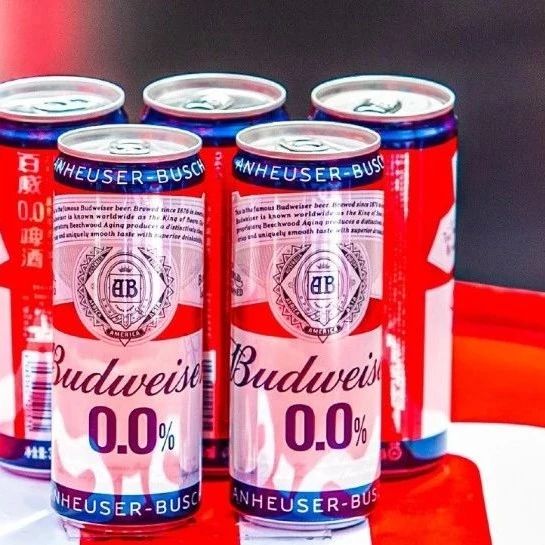
Core Viewpoint - Budweiser Asia Pacific is reportedly planning to cut approximately 15% of its operating costs, including thousands of layoffs, particularly affecting its Chinese operations, which account for over 80% of its total workforce. Despite the company's denial of these claims, market skepticism remains due to its declining performance in the region [2][3][4]. Group 1: Performance Pressure and Layoff Rumors - Budweiser Asia Pacific's 2024 financial report shows a revenue of $6.246 billion, a decrease of 8.9% year-on-year, with gross profit down 8.86% to $3.147 billion and net profit down 14.79% to $726 million [4]. - In the Chinese market, Budweiser's sales plummeted by 11.8%, with revenue and revenue per hectoliter declining by 13% and 1.4%, respectively, leading to a market share drop of 1.49 percentage points [4][5]. - The company employed over 21,000 staff in 2024, down from approximately 25,000 in 2023, indicating a reduction of about 4,000 employees, or 16% [5]. Group 2: Industry Context and Competitive Landscape - The beer industry is entering a phase of stock competition, making cost control a crucial strategy for companies [8]. - The trend towards premiumization in the domestic beer market has intensified competition, with brands like China Resources Beer and Qingdao Beer accelerating their high-end strategies, posing a direct threat to Budweiser's market share [10][11]. - Emerging craft beer brands are also challenging Budweiser by focusing on differentiation and consumer experience, appealing to younger consumers [12]. Group 3: Leadership Change and Strategic Direction - Following a disappointing financial report, Budweiser Asia Pacific announced a leadership change, with Jan Craps stepping down and Cheng Yanjun taking over as CEO [15][16]. - The new CEO aims to refocus on Budweiser and Harbin Beer brands, leveraging the potential of non-immediate consumption channels in China, where only one-third of stores sell Budweiser products [17]. - The success of this strategic shift will depend on balancing global resources with local market insights, particularly in optimizing supply chains and addressing the challenges of a competitive high-end market [17][19].

AI技术普及,或将导致第五消费时代提前到来
创业家· 2025-04-23 10:01
Core Viewpoint - The fifth consumption era is accelerating due to technological changes, particularly the rise of AI [1][6]. Group 1: Definition of the Fifth Consumption Era - The fifth consumption era can be summarized with the "5 S" keywords: Slow, Small, Soft, Sociable, and Sustainable [3]. - "Slow" consumption emphasizes a shift from fast-paced lifestyles to more deliberate and mindful eating, such as slow food that focuses on local produce and home cooking [3][4]. - "Small" consumption indicates a move away from large shopping centers to unique, smaller shops that align with future values [5]. - "Sociable" consumption highlights the importance of communication and interaction, especially in the context of increased isolation during the pandemic [5]. - "Sustainable" consumption focuses on regional economies and a shift from large infrastructure projects to software and community-oriented developments [5]. Group 2: Trends and Predictions - The fifth consumption era is predicted to deepen the "lonely economy," driven by rising single rates, population decline, and aging demographics [6]. - There is a growing interest in new lifestyles and business opportunities in China, inspired by Japan's existing consumption models [7]. - The upcoming study trip to Japan aims to explore the "Japanese model" that has emerged from low-growth conditions, focusing on successful companies in various sectors [7][8].