国家安全风险

Search documents
美媒:特朗普政府以“构成国家安全风险”为由,叫停所有在建大型海上风电项目
Huan Qiu Wang· 2025-12-23 02:45
Core Viewpoint - The Trump administration has announced a halt to all ongoing large offshore wind projects, citing "national security risks" related to radar interference from wind turbine blades [1][3]. Group 1: Government Actions - The U.S. Department of the Interior stated that the Department of Defense completed a classified report identifying offshore wind projects as a "national security risk" due to potential radar interference [1]. - Interior Secretary Doug Burgum confirmed that the Defense Department has "finally" determined that large offshore wind farms pose a real risk to the U.S. by causing radar interference [1]. Group 2: Political Reactions - Democratic Congressman Bobby Scott and Senator Mark Warner criticized the Trump administration for failing to provide new information justifying the halt [3]. - The decision has faced backlash from both clean energy and fossil fuel organizations, with the National Ocean Industries Association urging the government to reverse the halt to avoid harming jobs and investments [3]. Group 3: Market Impact - The announcement led to a significant drop in stock prices for offshore wind companies, including Denmark's Ørsted [3]. Group 4: Expert Opinions - Experts noted that the potential for wind power equipment to interfere with radar detection has been a known issue, which could be addressed through design adjustments of wind farms [3]. - Lara Skinner, Executive Director of the Climate Jobs Institute at Cornell University, pointed out that many European countries have successfully built offshore wind farms without encountering such problems [3].

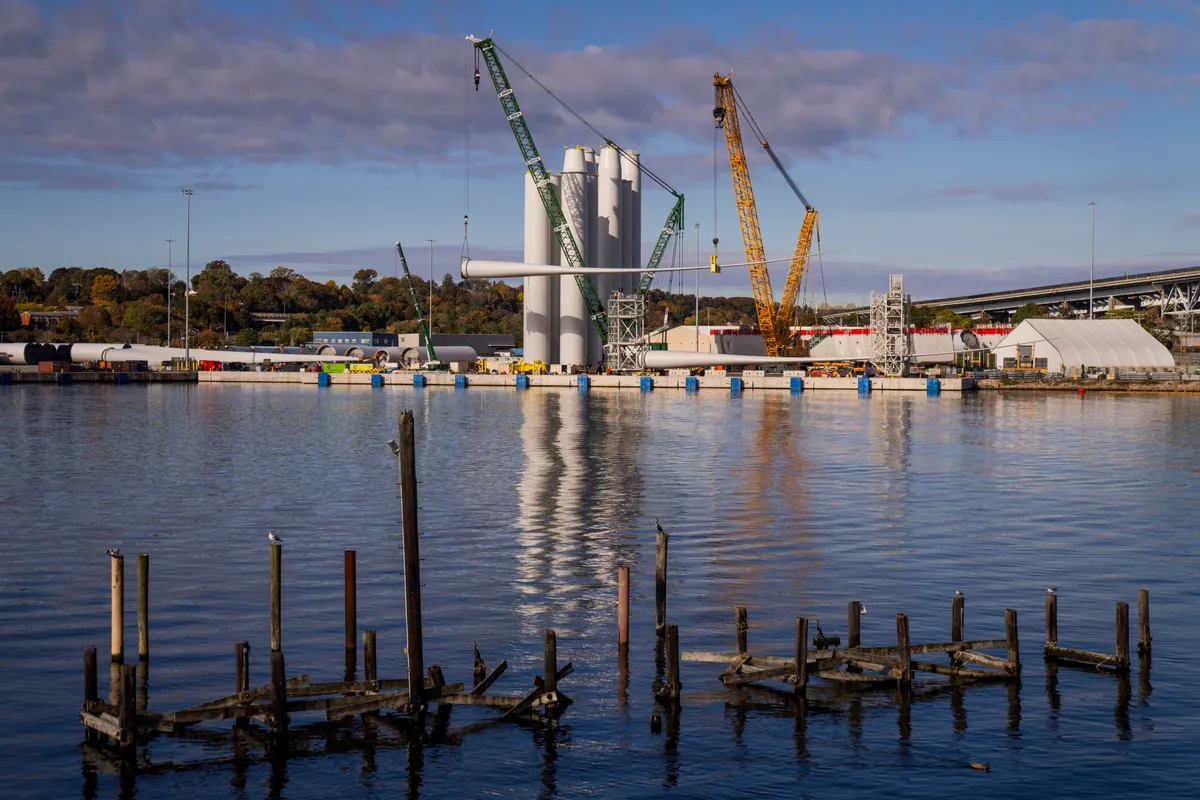
美国最大海上风电项目叫停 欧美再生能源板块跳水
Zheng Quan Shi Bao Wang· 2025-12-23 00:47
Core Viewpoint - The U.S. government has announced a suspension of the largest offshore wind project in Virginia, along with four other offshore wind projects on the East Coast, due to national security concerns raised by the Department of Defense [1] Group 1: Project Suspension - The suspension is attributed to concerns that the wind turbine blades and highly reflective tower structures may interfere with radar signals, potentially obscuring legitimate moving targets and creating false targets [1] - The suspension aims to provide the federal government time to collaborate with leaseholders and state governments to assess whether the national security risks posed by these projects can be mitigated [1] Group 2: Market Impact - Following the announcement, the European and American wind energy sectors experienced downward pressure, with significant stock price declines observed in companies such as Dominion Energy, Ørsted, and Vestas Wind Systems [1] Group 3: Developer's Position - Dominion Energy stated that the large-scale project is crucial for U.S. national security and the growing energy demands of Virginia, particularly for data centers and the artificial intelligence industry in Northern Virginia [1] - The company warned that the suspension could threaten grid reliability, lead to energy inflation, and jeopardize thousands of jobs [1]
特朗普政府叫停美国所有海上风电项目
Xin Lang Cai Jing· 2025-12-22 20:47
Core Viewpoint - The Trump administration has halted all U.S. offshore wind projects, citing national security risks identified in a confidential report by the Department of Defense, marking a significant action against a growing industry [1][4]. Group 1: Impact on Projects - The suspension affects five federal leases for projects from Massachusetts to Virginia, including Vineyard Wind 1, Revolution Wind, Coastal Virginia Offshore Wind, Sunrise Wind, and Empire Wind 1 [1][5]. - The projects are expected to provide nearly 6 gigawatts of power, sufficient to supply Manhattan [5][6]. Group 2: Market Reaction - Shares of Orsted, leading two of the affected projects, fell by over 11%, while Dominion Energy, the chief developer of the Coastal Virginia project, saw a decline of over 5%, making it the worst performer in the S&P 500 [5][6]. Group 3: Industry Response - Oceantic Network's CEO criticized the halt as a veiled attempt to undermine the offshore wind industry, claiming it increases energy costs for millions and threatens thousands of jobs [6]. - The Center for American Progress estimated that approximately 12,000 direct jobs and 5,000 indirect jobs are at risk due to the administration's actions against offshore wind [6]. Group 4: Historical Context - Since Trump's return to the White House, his administration's conflict with the offshore wind industry has intensified, including a series of executive orders that have created uncertainty for the sector [6]. - Previous project suspensions, such as the Empire Wind project, were later reversed after negotiations, indicating a fluctuating regulatory environment [6].

美媒:对华无人机禁令将生效,美国农业州焦虑
Huan Qiu Wang Zi Xun· 2025-12-03 23:08
Group 1 - The upcoming drone ban is causing anxiety among farmers and Republican lawmakers in agricultural states, as commercial drones have become a crucial part of modern agriculture in the U.S. [1] - The core of the dispute revolves around DJI, a Shenzhen-based company that is the largest drone manufacturer globally, holding over 50% of the U.S. commercial drone market [1]. - U.S. lawmakers have expressed concerns about data transmission, surveillance, and national security risks associated with drones [1]. Group 2 - House Republicans, led by Representative Elise Stefanik, have added strict restrictions on the sale of DJI drones in the defense bill, but this move faces resistance in the Senate [2]. - Some Republican senators are worried about the negative impact on U.S. businesses and law enforcement, highlighting that the ban could impose real cost pressures beyond agriculture, affecting sectors like power line inspections and disaster recovery [2]. - The emerging U.S. commercial drone industry is eager for DJI to exit the domestic market, despite the lack of local manufacturers capable of producing comparable consumer and industrial products [2].
美国法官禁止政府官员与社交媒体公司沟通 遭司法部反对
Xin Lang Ke Ji· 2025-11-26 07:56
Core Points - A U.S. judge issued a court order prohibiting certain federal agencies and officials from communicating with social media companies regarding content moderation, stemming from a lawsuit supported by the Republican Party against the Biden administration [1] - The Department of Justice is seeking to suspend the enforcement of this order while appealing it in the Fifth Circuit Court of Appeals [1][3] - The ruling by Judge Terry Doughty indicates that federal agencies, including the Department of Health and Human Services and the FBI, cannot communicate with social media companies if the intent is to suppress protected free speech [1][2] Summary by Sections - **Court Order Details** - The court order specifically mentions officials such as Homeland Security Secretary Alejandro Mayorkas and the Director of the Cybersecurity and Infrastructure Security Agency Jen Easterly [3] - The order is seen as a victory for Republican attorneys general from Louisiana and Missouri, who accused the federal government of unlawfully using the COVID-19 pandemic to suppress dissenting views [1] - **First Amendment Implications** - The court order references the First Amendment of the U.S. Constitution, which prohibits the government from restricting free speech [2] - **Exceptions to the Order** - The latest court ruling allows for some exceptions in communication between government officials and social media companies, particularly concerning national security risks and criminal activities [4]
又拿“国家安全”当借口打压,美政府声称已强制电商平台下架数百万件中国电子产品
Guan Cha Zhe Wang· 2025-10-12 08:19
Core Viewpoint - The FCC has mandated the removal of millions of Chinese electronic products from major e-commerce platforms in the U.S. due to alleged national security risks, particularly concerning surveillance capabilities [1][5]. Group 1: FCC Actions - The FCC has announced a new national security notice, warning companies about banned products, including video surveillance equipment that could allow China to monitor Americans [3]. - The FCC plans to tighten restrictions on telecommunications equipment manufactured by Chinese companies deemed to pose national security risks [5]. - A vote scheduled for October 28 aims to ban devices containing components from a "covered list" and may prohibit the sale of previously authorized devices under certain conditions [6]. Group 2: Impact on E-commerce - Major e-commerce platforms have already removed millions of so-called "prohibited" Chinese electronic products, including those from companies like Huawei, Hikvision, ZTE, and Dahua Technology [1][6]. - Searches for Huawei products on Amazon within the U.S. show that these items are no longer available, while they can still be found when searching from outside the U.S. [3]. Group 3: Broader Context - This action is part of a series of measures taken by the U.S. government against Chinese technology firms across various sectors, including telecommunications, semiconductors, and automotive industries, citing national security concerns [6]. - The Chinese government has criticized the U.S. for politicizing economic and technological issues, claiming that such actions disrupt global supply chains and harm the interests of both countries [6].





美国国安闹剧+1:不能被中国监视....
Guan Cha Zhe Wang· 2025-10-12 08:17
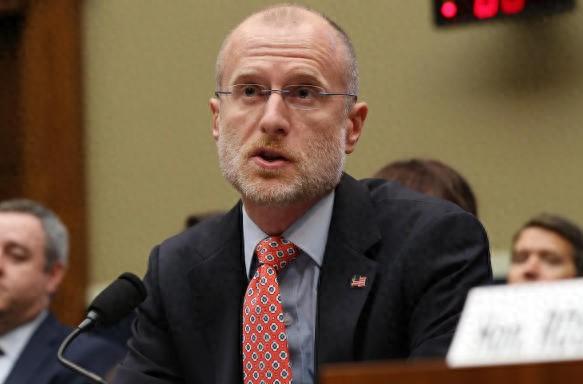
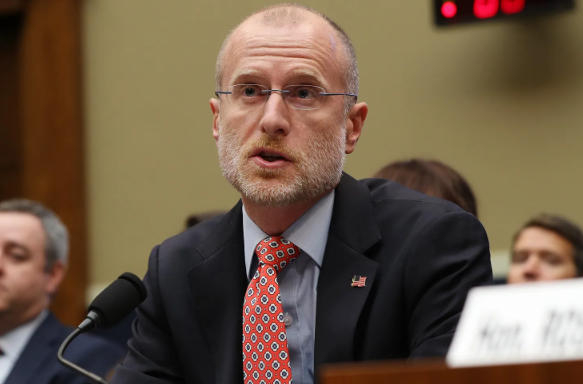
Core Points - The FCC has mandated the removal of millions of Chinese electronic products from major e-commerce platforms, citing national security risks [1][6] - The products affected include those from companies like Huawei, Hikvision, ZTE, and Dahua Technology, particularly home security cameras and smartwatches [1][6] - FCC Chairman Brendan Carr emphasized the need for new procedures to prevent the sale of "prohibited products" in the future [1][3] Summary by Category Regulatory Actions - The FCC is tightening restrictions on telecommunications equipment from Chinese companies deemed to pose national security risks, with a vote scheduled for October 28 [6] - The FCC's updated list includes companies such as Huawei, ZTE, and Hikvision, prohibiting the import or sale of new devices from these firms in the U.S. [6] Market Impact - Major e-commerce platforms like Amazon have already removed products from Huawei, with searches for Huawei smartwatches yielding no results when located in the U.S. [3][4] - The actions against Chinese tech companies are part of a broader trend of U.S. government measures targeting various sectors, including telecommunications and semiconductors, under the guise of national security concerns [6][7] International Relations - China has criticized the U.S. for politicizing economic and technological issues, claiming that such actions disrupt global supply chains and harm the interests of businesses in both countries [7]
库拉索安全局发布首份年度报告
Shang Wu Bu Wang Zhan· 2025-09-10 15:24
Core Insights - The report from the Curaçao National Security Service (VDC) outlines key areas and risks affecting national security in 2024, highlighting increasing challenges from both internal vulnerabilities and changing global dynamics [1] Group 1: Security Challenges - Curaçao's security environment is influenced by international developments, organized crime, and geopolitical tensions, which directly impact national stability [1] - The situation in neighboring Venezuela poses significant risks, with political figures potentially using Curaçao's airspace and financial systems to evade international sanctions [1] - The emergence of "shadow fleets," which are vessels using Curaçao's flag to evade sanctions and engage in illegal trade, is a major concern [1] Group 2: Cybersecurity Threats - There is a growing threat of cyberattacks, prompting VDC to collaborate with government partners to develop a national cyber strategy aimed at protecting critical infrastructure, including telecommunications, energy, and refineries [1] Group 3: Economic Vulnerabilities - Curaçao's heavy reliance on tourism and imports is identified as a structural weakness, with potential economic stability risks from international sanctions, global supply chain disruptions, or climate-related impacts [1] - Climate change is recognized as a long-term security risk that could affect food and energy security [1]
会面后又改口了!特朗普:英特尔CEO“非常成功”
Guan Cha Zhe Wang· 2025-08-11 23:52
Core Points - President Trump praised Intel CEO Pat Gelsinger during a meeting, indicating a shift in his stance towards Gelsinger after previously calling for his resignation due to alleged conflicts of interest related to China [1] - Gelsinger responded to Trump's accusations by stating that he is in communication with U.S. government agencies to clarify the situation and expressed support for the President's commitment to national and economic security [2] - Gelsinger has a strong background in the semiconductor industry, having previously served as CEO of Cadence Design Systems and holding various board positions [2][3] Summary by Sections Meeting with President Trump - Trump met with Intel's CEO Pat Gelsinger and praised his success, marking a notable change from his earlier demand for Gelsinger's resignation [1] - The meeting included discussions with key cabinet members, and Gelsinger is expected to provide further recommendations to the President [1] Response to Allegations - Gelsinger addressed Trump's concerns in an open letter, emphasizing the importance of transparency and communication with government officials [2] - He acknowledged the President's leadership role in advancing national security priorities [2] Background of Pat Gelsinger - Gelsinger was born in Malaysia and raised in Singapore, holding degrees from prestigious institutions including MIT [2] - He has over 20 years of experience in the semiconductor and software sectors and received the Robert Noyce Award from the Semiconductor Industry Association in 2022 [2]

限期120天?加拿大突然对中企下手,中方对加反制的底牌太多了
Sou Hu Cai Jing· 2025-06-30 11:29
Group 1 - Canada is facing increasing trade tensions with the U.S. and China, leading to a narrowing of its economic options [1][3][11] - The Canadian government has implemented a digital services tax of 3% on U.S. tech companies, expected to generate approximately $2 billion in revenue [3] - Canada has ordered Chinese tech company Hikvision to cease operations in the country within 120 days, citing national security risks, which has drawn strong criticism from China [7] Group 2 - The Canadian lithium mining industry is heavily reliant on China for processing, with 60% of global capacity located there, raising concerns about potential supply chain disruptions [11] - The Canadian government has previously imposed tariffs on electric vehicles from China, leading to retaliatory measures affecting Canadian agricultural exports [7][11] - Canadian leaders are calling for a diversification of trade relationships to reduce dependence on the U.S. amid escalating tensions [3][11]