
外摆经济

Search documents
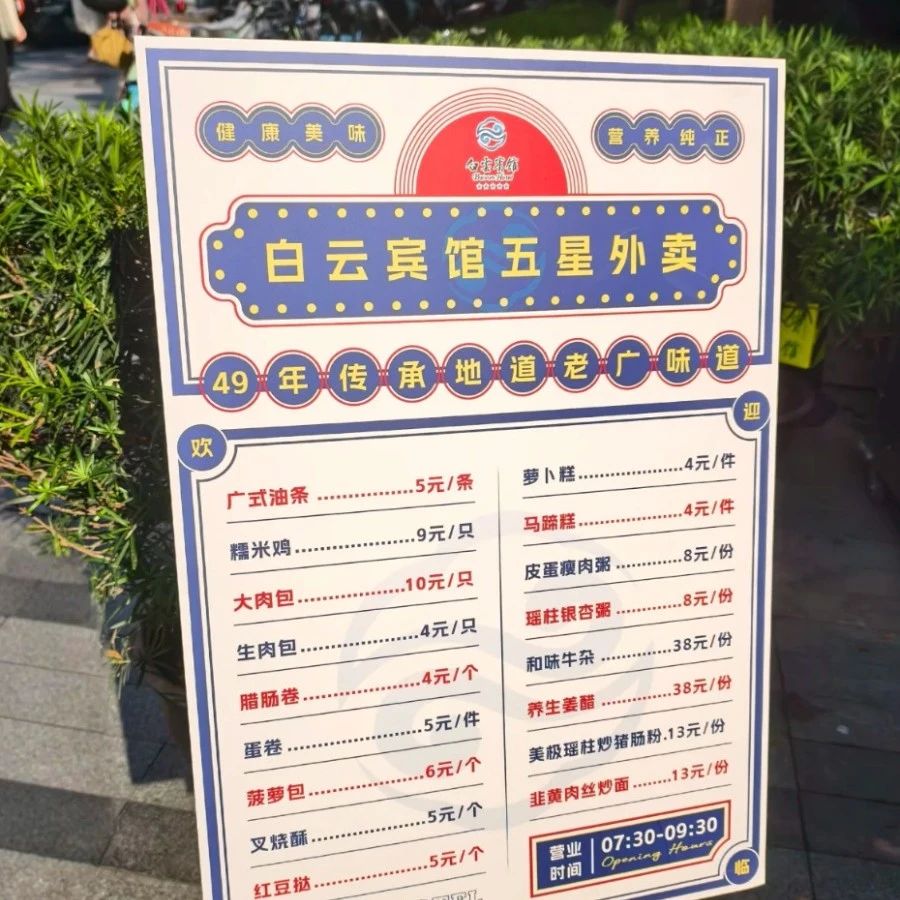
五星酒店摆摊自救,一天能卖6万元
21世纪经济报道· 2025-08-08 05:01
Core Viewpoint - The hotel industry is facing intense competition and is at a critical juncture where transformation is necessary for survival, leading to the emergence of street food stalls by luxury hotels as a new revenue stream [4][5][8]. Group 1: Industry Challenges - The hotel industry is experiencing oversupply, with major hotel groups rapidly expanding their presence, leading to a situation where more hotels are competing for fewer customers [5][8]. - Key performance indicators for major hotel chains have declined, with Jinjiang Hotels reporting a 5.78% drop in RevPAR and a 11.19 yuan decrease in ADR [5][7]. - The high-end hotel sector has seen a significant reduction in revenue from dining services, which were previously a major income source, as traditional banquet bookings have decreased [6][8]. Group 2: Transformation Strategies - Hotels are increasingly adopting street food stalls as a strategy to diversify income and attract customers, leveraging their brand reputation and supply chain advantages [9][12]. - The average daily revenue from these street food operations ranges from 10,000 to 60,000 yuan, indicating a potential but limited revenue source compared to traditional banquet services [11]. - The shift towards street food is seen as a temporary measure to generate additional revenue while hotels continue to focus on their core business of meetings and banquets [12][13]. Group 3: Consumer Perception and Market Response - Consumers appreciate the hygiene and quality associated with food from luxury hotels, which is a significant advantage over traditional street vendors [9][11]. - There are concerns regarding food safety and the sustainability of outdoor food stalls, prompting hotels to consider indoor setups and delivery options to enhance customer experience [11][12]. - Regulatory support is emerging to facilitate outdoor operations, indicating a potential for the "outdoor economy" to become a more structured part of the hotel industry [12][13].


放下身段摆摊自救,五星酒店们的必由之路?
2 1 Shi Ji Jing Ji Bao Dao· 2025-08-08 03:53
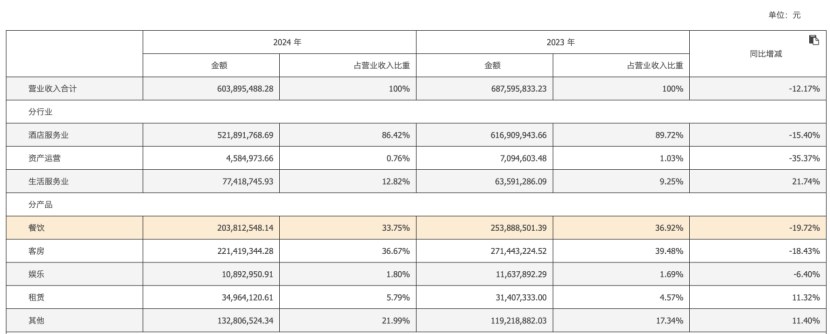
Core Insights - The hotel industry is facing intense competition and many traditional five-star hotels are at a critical juncture where transformation is necessary to avoid closure [1][6] - The rapid expansion of large hotel groups has led to an oversupply in the market, particularly in first and second-tier cities, resulting in declining key performance indicators for established hotels [2][6] - High-end hotels have seen a significant reduction in revenue from dining services, which were previously a major income source, further exacerbating financial challenges [3][4] Industry Trends - The number of five-star hotels in China has decreased from 850 in 2020 to 736 by the third quarter of 2024, indicating a contraction in the market [6] - Average room prices for five-star hotels have dropped to 599.72 yuan, a year-on-year decrease of 4.78%, with an average occupancy rate of only 60.73% [6] - Hotels are increasingly diversifying their services, with a focus on life services such as laundry and catering, as part of their transformation strategy [6] Revenue Insights - For Huatian Hotel, dining revenue fell by 19.72%, which was a larger decline than the 18.43% drop in room revenue, highlighting the struggles in both segments [4] - Daily revenue from hotel street stalls ranges from 10,000 to 60,000 yuan, but this is seen as insufficient compared to lost business from traditional banquet services [8] - The overall revenue for Huatian Hotel in 2024 was 603.90 million yuan, a decrease of 12.17% from 2023 [5] Consumer Perception - Consumers appreciate the hygiene and quality of food offered by five-star hotels compared to street vendors, which has contributed to the popularity of hotel street stalls [7] - However, concerns about food safety due to outdoor conditions have been raised, indicating a need for hotels to address these issues [8] Future Outlook - Hotels are exploring ways to sustain their street stall operations, including potential indoor setups and delivery services, while recognizing that these initiatives are supplementary to their core business [9] - The concept of "street economy" is expected to become more prevalent in the hotel industry, with regulatory support from local governments to facilitate this trend [9][10]
下沉市场走访:从南到北,高级餐厅/宾馆纷纷加入外摆阵营
Sou Hu Cai Jing· 2025-08-05 15:00
Core Viewpoint - The rise of outdoor dining, or "外摆经济," is a response to economic pressures, allowing traditional high-end restaurants and hotels to adapt by offering quality food at affordable prices to attract a broader customer base [1][8]. Group 1: Observations from Field Visits - The trend of outdoor dining is becoming increasingly popular across various regions, with establishments from high-end hotels to local eateries adopting this model to survive [1][2][3]. - A notable example is the Meidia Hotel in Hangzhou, which has embraced outdoor dining even during peak tourist seasons, showcasing adaptability in challenging times [2][3]. - In Shanxi, a local restaurant named "Most Loved Mom's Cooking" attracted long queues for its affordable offerings, contrasting sharply with the lack of customers in many high-end dining venues [5]. - In the Beijing-Tianjin-Hebei region, vendors are selling crayfish at prices as low as 1 yuan each, demonstrating the affordability and appeal of outdoor dining [6]. Group 2: Benefits of Outdoor Dining - Outdoor dining benefits both supply and demand sides, acting as a tool for businesses to reach new customer segments while providing consumers with high-quality food at lower prices [9][10]. - For businesses, outdoor dining allows them to tap into previously unreachable consumer groups, thus enhancing their market reach [9]. - For consumers, outdoor dining offers a convenient and cost-effective way to enjoy quality meals without the formalities of traditional dining [10]. Group 3: Policy Recommendations - The outdoor dining model is not new and has historical precedents, yet some regions remain hesitant due to concerns about aesthetics and safety [11][12]. - To promote outdoor dining, regions should adopt a more open approach, simplifying approval processes and establishing clear guidelines for businesses [13][14]. - Effective management strategies should be implemented to balance urban aesthetics with the vibrancy of outdoor dining, ensuring it becomes a valued part of urban life rather than a nuisance [13][14].
引导商业街区探索“外摆经济”,济南城管局长“双月”例会召开
Qi Lu Wan Bao Wang· 2025-05-22 05:03
Group 1 - The Jinan Urban Management Bureau held a bi-monthly meeting to discuss the progress of key work in various districts and counties, focusing on urban management and safety production [1] - The meeting emphasized the importance of green development and safety production, especially with the upcoming flood season, highlighting the need for thorough inspections and rectifications of potential hazards [1] - The bureau decided to extend the "cleaning up garbage dead corners" initiative for an additional three months, requiring districts to create a problem ledger for concentrated complaints and enhance enforcement against illegal dumping [2] Group 2 - The Urban Management Bureau aims to improve the quality and efficiency of household waste classification, ensuring that demonstration communities meet standards and significantly increase kitchen waste processing [2] - The bureau will strengthen the "one case, three checks" approach, holding construction units accountable and exploring cross-district collaboration to enhance urban management [2] - The meeting also discussed the development of outdoor economy in commercial areas while maintaining city appearance, and the optimization of urban parking and lighting management [3]