数字孪生城市

Search documents
科技赋能国土空间智慧治理——国土空间规划和遥感测绘领域科技创新学术交流会扫描
Zhong Guo Zi Ran Zi Yuan Bao· 2025-06-05 03:18
Core Insights - The conference focused on the integration of technology in land spatial planning and remote sensing, discussing innovative applications and policy recommendations to enhance natural resource management [1][3][10]. Group 1: Technological Innovations - AI plays a crucial role in urban planning and management, enhancing decision-making and public service [3]. - Geographic spatial models are being developed to transition land governance from "data silos" to "intelligent integration," improving scientific and intelligent governance capabilities [3]. - A comprehensive carbon space control technology system has been established, integrating data platforms and carbon assessment models to optimize ecological value and carbon sink functions [5]. Group 2: Collaborative Approaches - Experts discussed the collaborative path of multi-source data integration, spatial intelligence technology, and systematic governance applications [5]. - The development of a digital governance platform in Chongqing integrates multi-source data for precise planning and dynamic updates, addressing unique challenges in mountainous urban areas [10][11]. Group 3: Remote Sensing Applications - The establishment of a comprehensive monitoring technology system for farmland integrates remote sensing, ground surveys, and IoT data, enabling full-process digital management from resource investigation to law enforcement [8]. - Innovations in marine measurement equipment and applications have been developed, filling gaps in marine environmental monitoring technology [11][12]. Group 4: Future Directions - Experts emphasized the need for continuous research in modernizing land governance systems and capabilities, focusing on breakthroughs in key technologies [12]. - Future efforts will strengthen business exchanges, talent cultivation, and result transformation to enhance technological support for national strategies and high-quality development of natural resources [12].
杭州城投,新在哪里?
Hang Zhou Ri Bao· 2025-04-29 02:31
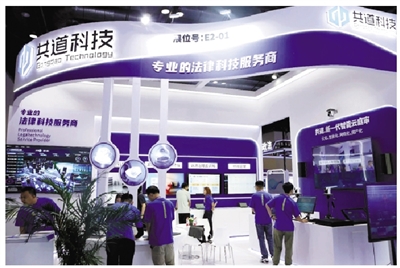
Core Insights - Hangzhou Urban Investment has significantly transformed its investment strategy, reducing real estate investment from over 60% to below 20% by the end of 2024, while increasing industrial investment from less than 10% to over 30% in three years [10][11] - The establishment of a 10 billion yuan industrial fund has enabled the company to invest in key sectors such as new energy, new infrastructure, and digital technology, acting as a "super lever" for industrial transformation [11][12] - The company emphasizes a dual approach of investing in industries while also fostering an innovation ecosystem, as seen in its strategic investments in companies like Gongdao Technology and Chicheng Technology [13][15] Investment Strategy - The industrial fund has made decisions on 8 projects within 18 months, with a total investment of nearly 1.2 billion yuan, attracting over 6.36 billion yuan from government and social capital [11] - The fund adopts an "80-20" investment strategy, allocating 80% of funds to stable projects and 20% to strategic emerging industries, ensuring both steady returns and support for transformation [12][16] - Collaborations with universities and research institutions are a key part of the strategy, focusing on the commercialization of research outcomes [12][16] Industry Collaboration - Strategic partnerships with companies like Zhonghe Technology have been established, leveraging Hangzhou Urban Investment's resources in urban infrastructure to enhance technological capabilities [11][12] - The company is also involved in developing smart city applications through collaborations with AI firms, enhancing traditional sectors like public transport and water management [12][15] - The establishment of a joint laboratory for digital twin cities demonstrates the commitment to integrating technology into urban development [14][15] Urban Development - Hangzhou Urban Investment is creating three major industrial hubs: Qianjiang New City, Chengdu Future Star, and Shitang Special Cooperation Park, to integrate industry and urban development [17][19] - The company is actively engaging in cluster-based investment strategies to attract headquarters and international organizations to enhance the economic landscape of Hangzhou [18][19] - The Future Star project aims to create a comprehensive ecosystem for innovation, connecting scientists, entrepreneurs, and investors to foster high-tech enterprise growth [19][20]