
毒品犯罪

Search documents
中缅双方联手打击,缅北白家犯罪集团被提起公诉
Huan Qiu Shi Bao· 2025-07-11 22:49
Group 1 - The core issue revolves around the significant crackdown on the "White Family" crime syndicate in Northern Myanmar, which has been linked to extensive illegal activities including fraud, drug trafficking, and gambling [1][2] - The White Family crime group has been deeply entrenched in the Kokang region, leveraging its influence in politics, military, and economy to establish numerous illegal gambling and fraud operations since 2015 [1] - The Chinese authorities have initiated a special case against the White Family, leading to the arrest and prosecution of 21 key members, including the leaders Bai Suocheng and Bai Yingcang, for various serious crimes [1] Group 2 - The historical context of the White Family's power struggle in the Kokang region dates back to the 2010 Myanmar elections, with Bai Suocheng becoming the regional chairman and establishing a vast criminal network focused on telecom fraud [2] - Following the COVID-19 pandemic, illegal gambling operations transitioned to online platforms, indicating a shift in the operational methods of these crime groups [2] - A collaborative effort among Myanmar, China, and Thailand has been ongoing to combat telecom fraud, with recent meetings aimed at enhancing prevention systems and repatriating individuals involved in such activities [2]
去年全省一审审结毒品犯罪案件596件
Xin Hua Ri Bao· 2025-06-25 21:46
Group 1 - The core viewpoint of the articles highlights the increasing prevalence of drug-related crimes in Jiangsu province, with a significant rise in new types of drugs, particularly those disguised as everyday items, posing a serious threat to public safety [1][2] - In 2024, the provincial courts received 640 new drug crime cases and concluded 596 cases, resulting in 973 individuals being sentenced [1] - The trend of younger individuals being involved in drug crimes is alarming, with a notable increase in cases involving minors, who are often targeted through social media platforms [1] Group 2 - The courts maintain a strict enforcement approach, with a significantly higher rate of severe penalties for drug-related offenses compared to other criminal cases, including death sentences for serious drug trafficking [2] - There is a comprehensive effort to combat drug-related crimes across the entire supply chain, including harsher penalties for upstream production and trafficking, as well as for downstream money laundering activities [2]
青岛毒品犯罪案件十年来年均降32%
Qi Lu Wan Bao· 2025-06-25 21:09
Core Insights - The number of drug-related criminal cases in Qingdao has significantly decreased from 2,148 cases in 2015 to 51 cases in 2024, with an average annual decline of 32% [1][2] - The proportion of drug-related cases among all criminal cases has dropped from 25.36% in 2015 to 0.73% in 2024, indicating effective anti-drug measures [1][2] Summary by Categories Drug Crime Trends - Over the past decade, Qingdao courts have adjudicated 6,903 drug-related cases involving 8,263 individuals [1] - The majority of drug crimes are concentrated in three categories: smuggling, trafficking, and manufacturing, which account for 56.83% of total drug cases [2] - The crime of drug trafficking is predominant, while the crime of allowing others to use drugs constitutes 38.93% of cases [2] Demographics and Characteristics - There is a noticeable trend of younger individuals being involved in drug crimes, with over 80% of new drug offenders being under 35 years old [2] - The types of drugs involved have evolved from traditional substances to a variety of new synthetic drugs, often disguised in forms appealing to youth, such as e-cigarette liquids and candy [2] Criminal Methods and Impact - Online drug trafficking has become prevalent, with criminals using internet communication tools and online payment platforms for transactions, and delivery via courier services [2] - Secondary crimes related to drug use, such as murder and public safety threats, have increased, posing significant risks to societal safety [2] - There is a growing trend of drug-related issues in rural areas, with 28 cases of illegal cultivation of drug plants being adjudicated, indicating a shift of drug crimes towards these regions [2]
传统毒品犯罪数量下降 精准打击新型毒品犯罪
2 1 Shi Ji Jing Ji Bao Dao· 2025-06-25 06:50
Core Viewpoint - The Supreme People's Procuratorate emphasizes the effectiveness of drug control efforts in China, highlighting a decrease in drug crime prosecutions while addressing the challenges posed by new types of drugs and cross-border drug trafficking [1][2]. Group 1: Drug Crime Statistics - From January 2024 to May 2025, over 53,000 individuals were arrested for drug-related crimes, representing a 14% year-on-year decrease [1]. - Approximately 65,000 individuals were prosecuted for drug crimes during the same period, showing a stable trend compared to previous years [1]. - The number of arrests for drug-related money laundering reached over 700, with over 1,300 prosecutions, marking a 2.1% increase year-on-year [2]. Group 2: New Drug Crime Trends - New types of drug crimes are on the rise, particularly involving medical narcotics and addictive substances, with a notable increase in cases linked to the abuse of these drugs [3][4]. - Criminals are increasingly using non-contact methods for drug transactions, such as "internet + logistics + electronic payment," making detection more challenging [4]. Group 3: Law Enforcement Strategies - The procuratorial authorities are enhancing their focus on the investigation and prosecution of drug-related money laundering, employing a dual investigation approach to tackle both drug and money laundering offenses [2][3]. - There is a concerted effort to strengthen the regulatory framework surrounding medical narcotics to prevent their diversion into illegal channels [4]. - The authorities are collaborating with logistics and delivery companies to enforce strict compliance with regulations to mitigate drug trafficking through delivery services [4].

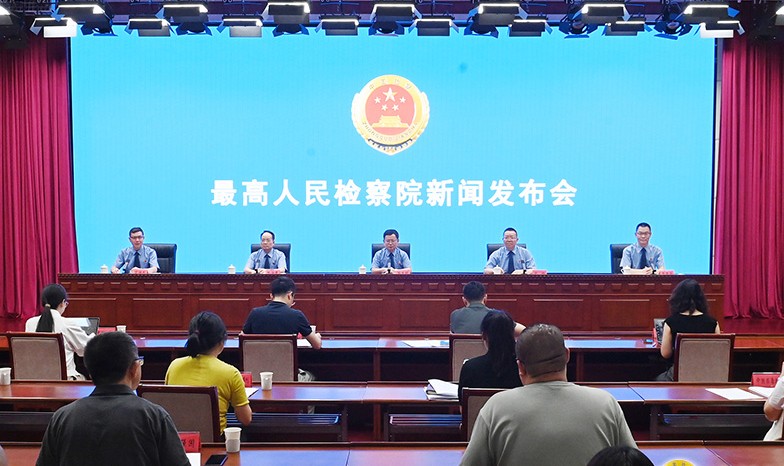
男子利用口令红包收取漂洗毒资被判刑 最高检发布典型案例
Nan Fang Du Shi Bao· 2025-06-25 06:34
Core Viewpoint - The article highlights a case of drug trafficking and money laundering involving the use of social media platforms and new payment methods, emphasizing the legal consequences faced by the accused [1][3][4] Group 1: Case Details - The accused, Ye Mou Bin, born in 2005 and unemployed, was involved in selling controlled substances via a foreign social media platform [3] - Ye Mou Bin sold 10 pills of the controlled substance triazolam to a buyer in Beijing, using a third-party payment tool in the form of a password-protected red envelope for payment [3] - The transaction involved multiple steps, including sending a password to an overseas contact who then generated a new password for Ye Mou Bin to collect the payment [3] Group 2: Legal Proceedings - On September 27, 2024, the Beijing Chaoyang District People's Procuratorate filed charges against Ye Mou Bin for drug trafficking and money laundering [3] - On October 28, 2024, the Beijing Chaoyang District People's Court sentenced Ye Mou Bin to one year and three months in prison and imposed a fine of 20,000 yuan [3] - Ye Mou Bin did not appeal the verdict, which has since become effective [3] Group 3: Investigative Insights - The case illustrates the use of mobile payment tools in drug-related crimes and money laundering, prompting proactive involvement from the Beijing Chaoyang District People's Procuratorate [4] - Investigators collected evidence from domestic and foreign platforms, including communication records and payment transaction logs, to build a comprehensive case against Ye Mou Bin [4] - The Supreme People's Procuratorate emphasized the need for strict legal accountability in cases involving cross-border drug trafficking and money laundering, advocating for thorough evidence collection and prosecution [4]
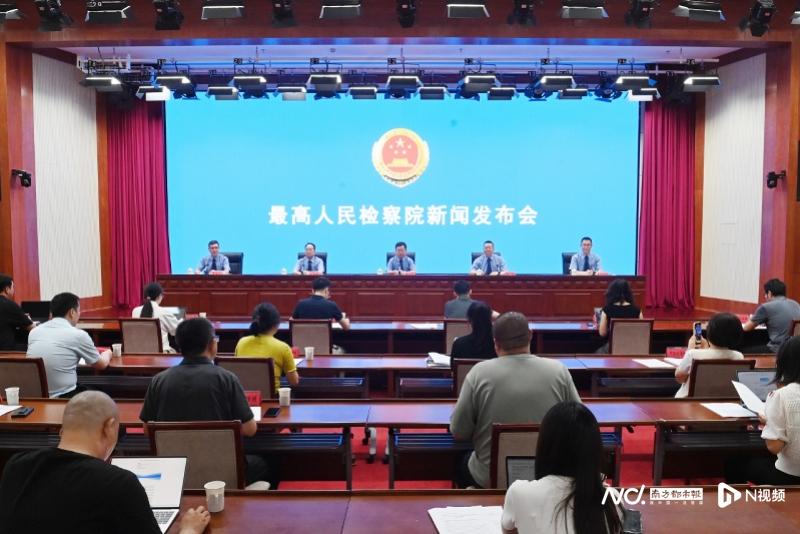
全国法院一审审结毒品犯罪案件同比下降近三成
Ren Min Ri Bao· 2025-06-23 22:10
Group 1 - The core viewpoint is that drug crime cases in China have been declining over the past decade, with a significant drop of 29.31% in the first five months of this year compared to the previous year, indicating a positive trend in the drug situation [1] - In 2024, the courts are expected to conclude 35,859 drug crime cases, with 49,177 defendants receiving legally effective judgments, and a heavy sentencing rate of 16.94% for those sentenced to five years or more [1] - New types of drug crimes are on the rise, particularly involving minors, with a notable increase in cases surpassing traditional drug crimes, highlighting the need for stricter legal measures [1][2] Group 2 - The Supreme Court has released 10 typical cases of drug crimes to demonstrate its firm stance on severe punishment for serious drug offenses and to emphasize the legal response to new types of drug crimes [2] - Specific cases include individuals exploiting minors for drug trafficking and selling controlled substances, with severe penalties including the death sentence for offenders [2] - The Supreme Court aims to enhance the effectiveness of drug control through rigorous criminal trials and continuous improvement in judicial guidance [2]
38万片杜冷丁从公立医院流向毒品市场,院长被判死缓
Xin Jing Bao· 2025-06-23 06:12
Core Viewpoint - The Supreme People's Court highlighted the increasing issue of the abuse of narcotic and psychotropic drugs, particularly the illegal diversion of medical drugs into the drug market, as exemplified by the case of a hospital director involved in the illegal sale of a controlled substance [1][2][3] Group 1: Case Details - The defendant, Su, served as the director of a public hospital and exploited his position to illegally acquire and sell 536,180 tablets of a narcotic drug, with profits exceeding 1 million yuan [1][2] - Su sold approximately 380,000 tablets at prices ranging from 1.5 to 7 yuan each, primarily to unemployed individuals, facilitating the drug's entry into the illegal market [1][2] - The court found Su's actions constituted drug trafficking, given his awareness of the potential for abuse and the significant social harm caused by his actions [2][3] Group 2: Legal Consequences - Su was sentenced to death with a two-year reprieve, stripped of political rights for life, and ordered to forfeit all personal property due to the severity of his crimes [2][3] - The case underscores the serious legal repercussions for individuals in positions of authority who engage in illegal drug distribution, particularly in the context of increasing government crackdowns on drug-related crimes [2][3] Group 3: Industry Implications - The case reflects a broader trend where traditional drugs are becoming harder to obtain, leading some drug users to seek out medical narcotics as substitutes, raising concerns about the integrity of the healthcare system [2][3] - The dual nature of substances like fentanyl, which can be both a medication and a drug, poses significant risks to public health when diverted into illegal markets [3]
最高法:毒品犯罪案件数量呈下降趋势 严惩新型毒品犯罪
news flash· 2025-06-23 02:49
Core Points - The Supreme People's Court held a press conference to discuss the anti-drug efforts and the effectiveness of measures against new types of drug crimes in 2024 [1] - In 2024, courts nationwide concluded 35,859 drug crime cases in the first instance [1] - From January to May 2025, courts concluded 9,343 drug crime cases, representing a year-on-year decrease of 29.31% [1] - Over the past decade, the overall number of drug crime cases has shown a declining trend, indicating an improvement in the drug situation [1] - However, new types of drug crimes are increasingly prominent, with a rapid growth rate that surpasses traditional drug crime cases [1] - There is a noticeable trend of younger demographics involved in drug abuse and criminal activities [1]