电梯安全

Search documents
新疆乌苏市市场监管局进社区开展电梯安全宣传
Zhong Guo Shi Pin Wang· 2025-12-09 02:30
Core Viewpoint - The Xinjiang Uygur Autonomous Region's Urumqi City Market Supervision Administration is actively promoting elevator safety awareness through community engagement activities, including an "Elevator Open Day" event that provides immersive safety experiences for the public [1][2]. Group 1: Event Overview - The "Elevator Open Day" initiative aims to enhance public understanding of elevator safety by bringing educational resources directly to communities, featuring hands-on demonstrations and interactive sessions [1][2]. - The event includes a practical rescue demonstration for individuals trapped in elevators, allowing attendees to witness the entire rescue process, which helps alleviate fears associated with elevator malfunctions [2]. Group 2: Educational Components - The event features a series of real-life case videos that illustrate the dangers of unsafe behaviors in elevators, such as overcrowding and improper use [1]. - Attendees are educated on the functions of various elevator components through a 3D model, making complex technical terms more accessible and understandable [1]. Group 3: Stakeholder Engagement - The Urumqi City Market Supervision Administration collaborates with property management and elevator maintenance representatives to discuss quality supervision and feedback mechanisms for elevator issues, emphasizing shared responsibilities [2]. - The initiative is seen as a significant step towards making safety education more heartfelt and effective, with plans to expand similar activities to more communities in the future [2].
老旧小区电梯更新改造,有哪些新举措(政策问答·回应关切)
Ren Min Ri Bao· 2025-12-07 21:57
Core Viewpoint - The article discusses the ongoing efforts and measures taken in China to update and renovate elevators in old residential communities, highlighting the importance of safety and modernization in urban infrastructure [1][2][3]. Group 1: Current Situation and Statistics - China currently has 12 million elevators in use, which is equivalent to the total number of elevators in the rest of the world combined [1]. - During the "14th Five-Year Plan" period, over 240,000 old urban residential communities have been renovated, and 129,000 elevators have been added [1]. - More than 1.1 million elevators in use are over 15 years old, indicating a significant number of aging elevators that may pose safety risks [2]. Group 2: Regulatory Measures and Initiatives - The State Administration for Market Regulation has implemented the "Defective Special Equipment Recall Management Rules," leading to the recall of over 53,000 elevators to eliminate safety hazards [2]. - A collaborative approach is being taken to promote the renovation of old residential elevators, with over 160,000 elevators included in the special bond funding program as of July this year [3]. - The introduction of a new elevator lifecycle insurance model aims to address the financial challenges associated with elevator updates, alongside the establishment of an emergency use mechanism for residential maintenance funds [3]. Group 3: Future Plans and Safety Initiatives - The market regulatory department plans to continue enhancing elevator safety through increased supervision and inspections, as well as addressing competitive issues within the elevator sector [3]. - There is an ongoing effort to improve the regulatory framework, including the revision of safety technical standards and the establishment of a coordinated mechanism for safety standards in the elevator industry [3].
90万台老旧电梯,为何总是修不好?
Hu Xiu· 2025-09-11 14:02
Core Insights - The article highlights the increasing frequency of elevator malfunctions in China, particularly focusing on the aging infrastructure and the associated safety risks [1][9][21]. Group 1: Elevator Safety Concerns - China has the highest number of elevators globally, with a total of 11.69 million elevators expected by Q1 2025, but over 900,000 are considered old, having been in use for more than 15 years [1][11]. - Elevator accidents accounted for 19.72% of all special equipment accidents in 2023, with 41 reported incidents resulting in 27 fatalities in 2024 [9][10]. - Residential elevators are particularly prone to accidents, comprising 59.83% of elevator incidents from 2019 to 2021 [10]. Group 2: Maintenance and Management Issues - The aging of elevators leads to frequent malfunctions, often due to core component deterioration such as oil leaks and rusted cables [12][21]. - Maintenance practices are often inadequate, with reports of maintenance records being falsified and routine inspections being superficial [23][24]. - A significant gap exists between the demand for elevator maintenance and the availability of qualified maintenance personnel, with a shortage of 500,000 to 700,000 workers in the industry [29]. Group 3: Financial and Structural Challenges - The cost of replacing an elevator can reach several hundred thousand yuan, making it a significant financial burden for many residential communities [31]. - Government subsidies for replacing old elevators exist, but the application process is complex and often leads to missed opportunities for upgrades [32][33]. - Homeowners often face challenges in reaching a consensus on funding for elevator replacements, particularly between high-rise and low-rise residents [42]. Group 4: Broader Implications - The issues surrounding elevator safety reflect broader problems in aging urban infrastructure, with over 220,000 old residential communities in China affecting more than 400 million residents [40]. - The article suggests that exploring owner responsibility systems and regular mandatory inspections could be potential solutions to improve elevator safety and maintenance [43][44].

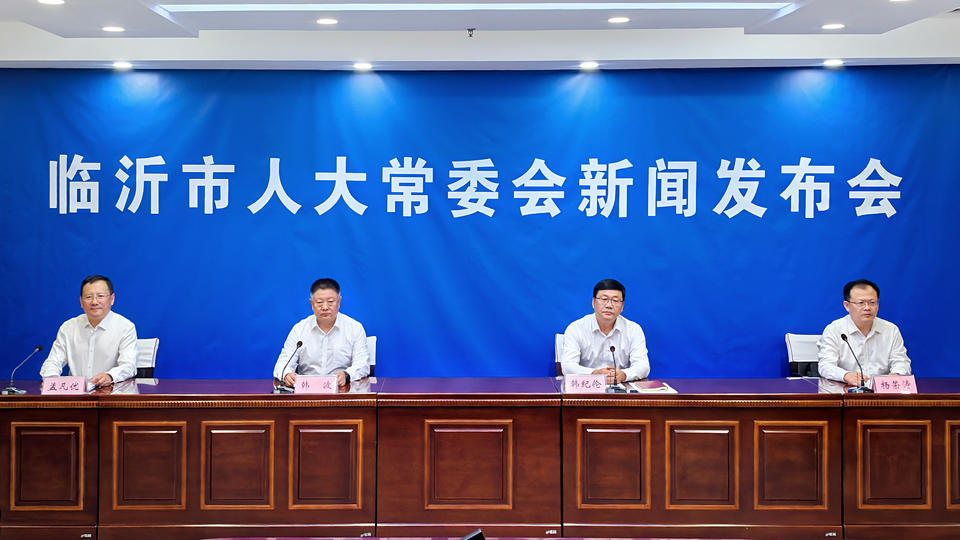
10月1日起,《临沂市电梯安全条例》正式施行
Qi Lu Wan Bao Wang· 2025-08-15 03:17
Core Viewpoint - The "Linyi City Elevator Safety Regulations" will be implemented starting October 1, 2025, aiming to enhance elevator safety, prevent accidents, and protect personal and property safety through legal measures [1]. Group 1: Legislative Framework - The regulations consist of 34 articles, addressing key issues based on the principle of solving prominent problems [3]. - Articles 1-6 outline the legislative purpose, basis, scope, principles, government and departmental responsibilities, and safety promotion [3]. - Articles 7-9 focus on the application of elevator information technology, "insurance + service" models, and industry self-discipline [3]. Group 2: Installation and Maintenance - Articles 10-15 detail the installation, addition, quality assurance, and configuration of elevator-related facilities [3]. - Articles 16-19 specify the identification, obligations, and changes related to elevator operating units [3]. - Articles 20-23 define the responsibilities and prohibitive actions for elevator users and maintenance units [3]. Group 3: Inspection and Compliance - Articles 24-30 cover inspection, safety assessment, funding for repairs and modifications, supervision, and emergency response [3]. - Articles 31-33 establish legal responsibilities for violations of the regulations [3]. - Article 34 states the implementation date of the regulations [3].