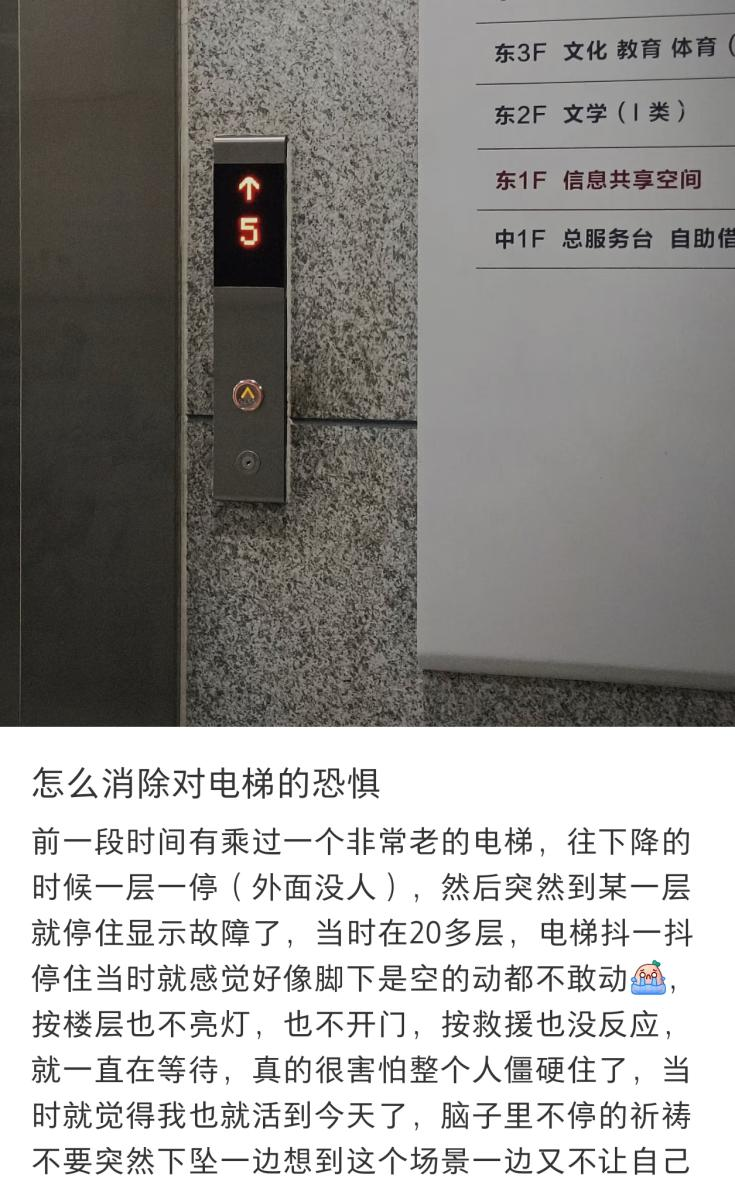
电梯老化

Search documents
有专家说出实话:10年后,二三十层的高层住宅,将面临3大难题
Sou Hu Cai Jing· 2026-02-08 14:16
Core Viewpoint - High-rise residential buildings, once desirable, are facing significant challenges that may lead to their obsolescence in the coming decade due to issues like high shared areas, elevator maintenance, and overall building aging [1][26]. Group 1: Shared Area Issues - The problem of shared area is often overlooked when purchasing a home, with many high-rise buildings having up to 25% of the total area as shared space, resulting in only 75 square meters of usable space from a 100 square meter purchase [3][5]. - The financial burden of these shared areas accumulates over time, leading to additional costs for heating, property management, and waste disposal, which can amount to tens of thousands over the years [5][7]. - The market is becoming increasingly resistant to properties with high shared areas, as low usable space not only affects current living conditions but also diminishes future resale value [7]. Group 2: Elevator Challenges - Elevators, initially a source of convenience, become a significant concern as they approach the end of their 15-20 year lifespan, leading to frequent malfunctions and costly repairs [8][10]. - The cost of major elevator repairs can start at 300,000 yuan, with complete replacements costing upwards of 500,000 yuan, which can total over a million for multiple elevators in a building [10][12]. - The rising proportion of elderly residents in high-rises exacerbates the issue, as elevator failures can severely impact their mobility and quality of life [14]. Group 3: Building Aging Crisis - Concerns about building safety, particularly in emergencies like fires, are growing, as many high-rises are not equipped to handle such situations effectively [16][19]. - The internal structure of high-rises can create a "chimney effect" during fires, rapidly spreading smoke and making evacuation difficult [16][17]. - External building maintenance issues, such as deteriorating facades and aging infrastructure, pose additional risks, with residents often left to manage these problems themselves due to insufficient support from property management or government [19][21]. Group 4: Recommendations for Future Management - To mitigate risks, potential buyers should focus on properties with lower shared areas and higher usable space, as well as closely monitor elevator conditions and maintenance records [22][24]. - Awareness of government policies supporting elevator maintenance and updates can help reduce financial burdens on residents [24]. - Community involvement in safety practices, such as keeping fire exits clear and participating in fire drills, is crucial for enhancing overall safety in high-rise living environments [24][26].

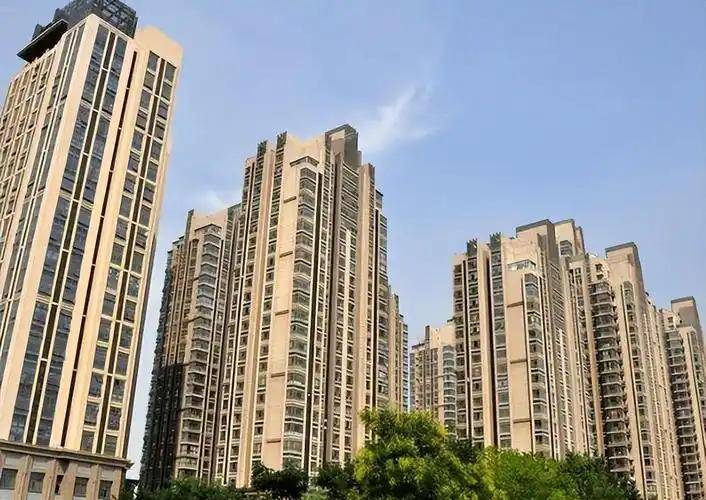
90万台老旧电梯,为何总是修不好?
Hu Xiu· 2025-09-11 14:02
Core Insights - The article highlights the increasing frequency of elevator malfunctions in China, particularly focusing on the aging infrastructure and the associated safety risks [1][9][21]. Group 1: Elevator Safety Concerns - China has the highest number of elevators globally, with a total of 11.69 million elevators expected by Q1 2025, but over 900,000 are considered old, having been in use for more than 15 years [1][11]. - Elevator accidents accounted for 19.72% of all special equipment accidents in 2023, with 41 reported incidents resulting in 27 fatalities in 2024 [9][10]. - Residential elevators are particularly prone to accidents, comprising 59.83% of elevator incidents from 2019 to 2021 [10]. Group 2: Maintenance and Management Issues - The aging of elevators leads to frequent malfunctions, often due to core component deterioration such as oil leaks and rusted cables [12][21]. - Maintenance practices are often inadequate, with reports of maintenance records being falsified and routine inspections being superficial [23][24]. - A significant gap exists between the demand for elevator maintenance and the availability of qualified maintenance personnel, with a shortage of 500,000 to 700,000 workers in the industry [29]. Group 3: Financial and Structural Challenges - The cost of replacing an elevator can reach several hundred thousand yuan, making it a significant financial burden for many residential communities [31]. - Government subsidies for replacing old elevators exist, but the application process is complex and often leads to missed opportunities for upgrades [32][33]. - Homeowners often face challenges in reaching a consensus on funding for elevator replacements, particularly between high-rise and low-rise residents [42]. Group 4: Broader Implications - The issues surrounding elevator safety reflect broader problems in aging urban infrastructure, with over 220,000 old residential communities in China affecting more than 400 million residents [40]. - The article suggests that exploring owner responsibility systems and regular mandatory inspections could be potential solutions to improve elevator safety and maintenance [43][44].