白酒营销

Search documents
舍得郎酒老窖等赞助川超;大珍·珍酒已回款3.7亿元|观酒周报
2 1 Shi Ji Jing Ji Bao Dao· 2025-09-22 03:24
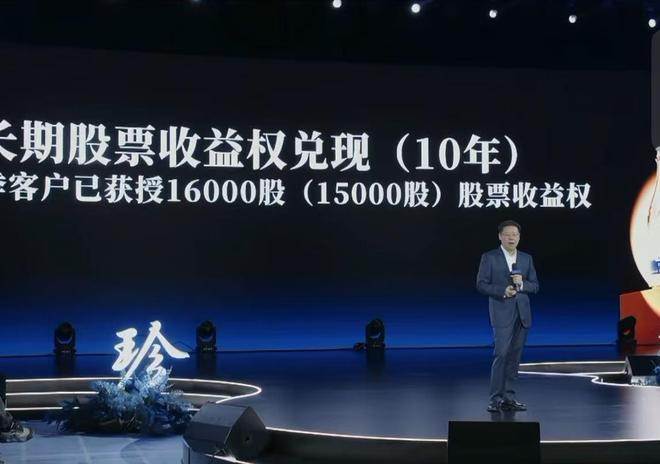
Group 1: Marketing and Sponsorship Activities - Sichuan liquor companies, including Langjiu and Shede, have joined the sponsorship of the Sichuan Super League, marking a new marketing strategy as the peak season approaches [1][2] - Shede has become the naming sponsor for the Suining team and announced its status as an official supporter of the inaugural Sichuan Super League [2] - Langjiu has launched over 20 "Sichuan Super League co-branded city versions" and plans to implement a comprehensive marketing strategy across 21 cities in Sichuan [2] Group 2: Financial Performance and Business Models - Zhenjiu Li Du Group announced that its new product "Dazhen Zhenjiu" has achieved a revenue of 3.7 billion yuan through a group purchasing model [4][6] - The company has attracted over 7,000 clients to its "Wanshang Alliance," with more than 2,860 clients signing contracts, resulting in sales exceeding 100,000 boxes [6] - Yingjia Gongjiu reported a decline in revenue and profit for the first half of the year, with a target of 7.6 billion yuan in revenue for 2025, reflecting a 3.49% year-on-year growth [8][9] Group 3: Industry Developments and Changes - The China Alcohol Industry ESG Rating Platform 2.0 has been launched, expanding its coverage to include over ten categories of alcoholic beverages [3] - The appointment of Haiying Cheng to the board of Water Jiufang indicates a strategic move to enhance financial oversight, given her background in major beverage companies [12] - The investigation of Zhou Zhenqian from Kweichow Moutai for serious violations highlights ongoing regulatory scrutiny within the industry [13]

营销翻车!洋河光瓶酒卖爆,"劲敌"今世缘急了
Guo Ji Jin Rong Bao· 2025-07-31 06:28
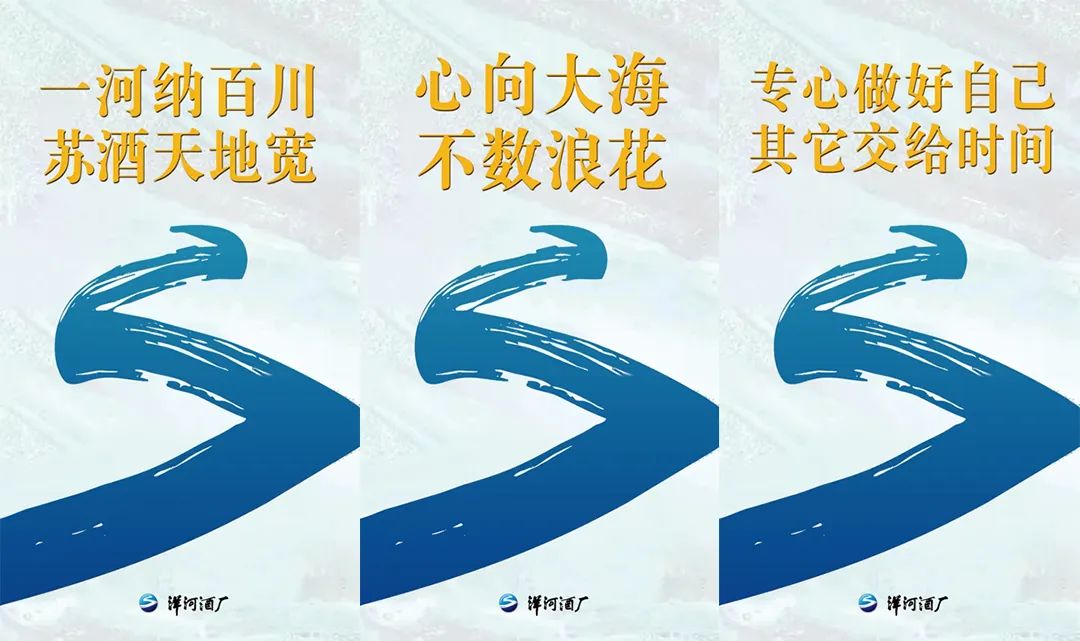
Core Viewpoint - The article discusses a marketing conflict between two Chinese liquor companies, Yanghe and Jinshiyuan, sparked by provocative advertising campaigns that target each other, indicating a competitive landscape in the liquor industry. Group 1: Marketing Strategies - Yanghe's recent marketing campaign features a poster with the message emphasizing self-improvement and patience, which is seen as a response to Jinshiyuan's earlier ads that contained pointed references to Yanghe [1][3]. - Jinshiyuan's two recent ads focus on the quality of their liquor, questioning the importance of aging and promoting a communal drinking experience, which are perceived as direct jabs at Yanghe's offerings [5][8]. - The controversy escalated when it was revealed that Jinshiyuan's ads were not officially sanctioned, leading to internal communications about managing the fallout and avoiding negative comments about competitors [7][8]. Group 2: Financial Performance and Goals - Jinshiyuan's flagship brand, Guo Yuan, achieved over 10.84 billion yuan in revenue last year, accounting for 94.5% of the company's total revenue, highlighting its significance in the company's national expansion strategy [9]. - The company aims to increase its market share outside its home province, with a target of over 20% by 2025, but current progress suggests this goal may be difficult to achieve [15]. - Despite a revenue increase of over 27% in provincial markets last year, Jinshiyuan's overall market share remains below 9%, indicating challenges in scaling operations [15]. Group 3: Cost and Profitability Challenges - Jinshiyuan's push into the high-end liquor market has resulted in increased costs, with the cost of goods sold rising significantly compared to revenue growth, leading to a decline in gross margins for its premium products [15]. - The projected gross margins for Jinshiyuan's premium products are lower than previously anticipated, indicating potential profitability challenges in the near future [15].

往瓶里塞钱的老村长,中国白酒的营销奇才
Sou Hu Cai Jing· 2025-05-19 07:29
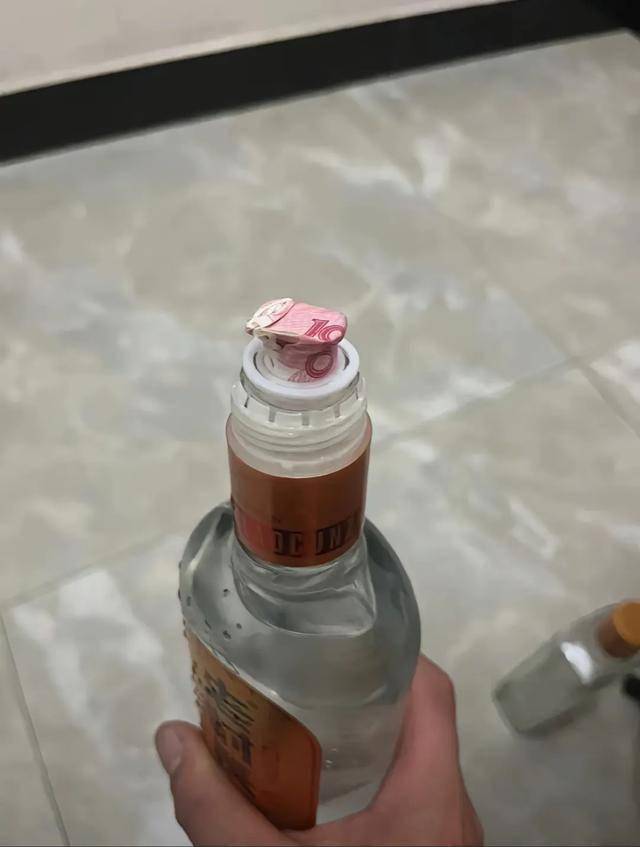
Core Viewpoint - The marketing strategy of Laozhuangzhang liquor, which includes inserting cash and vouchers into bottle caps, has become a viral sensation on social media, showcasing a unique blend of nostalgia and modern marketing tactics [3][12][50]. Marketing Strategy - Laozhuangzhang has been inserting cash, primarily in the form of RMB and occasionally USD, into bottle caps for many years, creating a buzz among consumers [4][6][8]. - The marketing approach is described as both innovative and retro, appealing to a wide audience by providing immediate rewards that resonate with everyday life [10][30]. - The brand has successfully created a subculture around its promotional activities, with consumers sharing their experiences of finding cash in bottles, thus enhancing its social media presence [12][50]. Consumer Engagement - The excitement of potentially finding cash or valuable prizes in a low-cost product has attracted not only regular drinkers but also younger consumers who may not typically purchase alcohol [60][63]. - The marketing strategy taps into the emotional and social aspects of consumption, where finding cash can lead to family happiness and shared joy [63][64]. Historical Context - Laozhuangzhang liquor was established in 2001 and has focused on being a low-cost, accessible product, avoiding the high-end market [70]. - The brand's marketing has evolved alongside China's urbanization, reflecting the changing dynamics of consumer behavior and societal trends [74][76]. Sales Performance - At its peak, Laozhuangzhang's sales reached 6 billion RMB, making it one of the largest liquor brands in China, although recent years have seen a decline in revenue [76].