
洋河大曲高线光瓶酒

Search documents
酒行业周度市场观察-20260125
Ai Rui Zi Xun· 2026-01-25 03:02
Investment Rating - The report does not explicitly provide an investment rating for the industry Core Insights - The Australian wine market is reshaping the Chinese imported wine market after a year and a half of absence, with a significant initial increase in imports followed by a decline in sales due to inventory issues and economic pressures [2] - The low-alcohol beverage category is rapidly growing, appealing to younger consumers, but faces challenges such as brand homogenization and declining repurchase rates [2] - The white liquor industry is experiencing a shift in market dynamics, with top brands competing fiercely and some companies facing their first quarterly negative growth in nearly a decade [4] - New beverage products are emerging, with brands like Xiaojin Wine and Guoli Fang successfully capturing market share through innovative approaches [5] - The industry is expected to return to rationality in 2026, focusing on consumer needs and product quality, while smaller companies may face elimination [6] Industry Environment - The Australian wine market is seeing a resurgence in China due to the removal of anti-dumping taxes, but initial sales have not met expectations, leading to inventory issues and price reductions [2] - The low-alcohol market is projected to grow from 20 billion yuan in 2020 to 57 billion yuan by 2024, but faces challenges in brand differentiation and consumer loyalty [2] - The white liquor market is undergoing structural changes, with companies like Shanxi Fenjiu surpassing others in revenue, indicating a competitive landscape [4] - The introduction of innovative products is crucial for the industry's transformation, with a focus on low-alcohol and health-oriented offerings [5] - The industry is moving towards a more rational approach, emphasizing product quality and consumer experience, as it transitions from a bubble phase to a healthier growth period [6] Top Brand Dynamics - Guizhou Zhenjiu is upgrading its "Dazhen" product to enhance quality and market positioning, aiming to compete with top brands like Moutai [8] - Wuliangchun is celebrating its 30th anniversary with a marketing campaign that deepens emotional connections with consumers [9] - Xifengjiu is focusing on quality and cultural empowerment to drive its revival in the competitive white liquor market [10] - Moutai is launching a new product structure to meet diverse consumer needs and stabilize its market presence [14] - Niulanshan is evolving its product strategy to maintain its position in the mass market while enhancing emotional connections with consumers [18]






2026年第3周:酒行业周度市场观察
艾瑞咨询· 2026-01-21 00:07
Industry Environment - After a year and a half, Australian wine is reshaping the Chinese imported wine market as China terminates anti-dumping and countervailing duties on Australian imported wine starting March 29, 2024, leading to an initial surge in imports, followed by a significant decline in sales due to inventory buildup and economic pressures, with declines ranging from 20% to 70% [2][3] - Despite challenges, Australian wine is seen as having product strength, prompting the industry to streamline brands and enhance promotions to reshape market dynamics [3] Low-Alcohol Beverage Market - The low-alcohol beverage market has rapidly grown, increasing from 20 billion yuan in 2020 to an expected 57 billion yuan by 2024, with global market projections surpassing 740 billion yuan by 2025, driven by young consumers and a trend towards "tipsy enjoyment" [4] - Traditional liquor companies and retail brands are entering the low-alcohol space, but the market faces challenges such as brand homogenization and declining repurchase rates, indicating a need for innovation to establish long-term competitiveness [4] New Product Innovations in Alcohol Industry - In 2025, leading liquor companies are leveraging product innovation to navigate challenges, with notable new products like Moutai's 1935 premium version and Wuliangye's youth-oriented design gaining market traction [5] - The industry is witnessing a trend towards low-alcohol and youth-oriented products, with a focus on value reconstruction across all price ranges, indicating a shift in consumer preferences and competitive dynamics [5] Changing Landscape of Baijiu Industry - The baijiu industry is undergoing significant changes, with Shanxi Fenjiu surpassing Luzhou Laojiao and Yanghe in revenue, marking a competitive shift among leading brands [6] - The overall industry is under pressure, with many mid-sized companies experiencing declines, while top brands like Moutai and Fenjiu show slight growth, indicating a potential gradual recovery in 2026 [6] New Beverage Trends - The new beverage sector is experiencing growth, with brands like Xiaojinjiu and Guolifang successfully filling market gaps through innovative products that cater to younger consumers and diverse consumption scenarios [7] - The success of these new products is attributed to their ability to meet specific consumer needs and drive emotional consumption, positioning them as mainstream options in the market [7] Marketing Strategies of Leading Brands - Major liquor companies are optimizing inventory and enhancing marketing strategies to adapt to the current industry adjustment period, focusing on consumer-centric approaches and diversified consumption scenarios [9] - Companies are employing a pyramid product structure to solidify core offerings while exploring niche markets, indicating a shift from scale expansion to refined operations [9] Brand Dynamics - Guizhou Zhenjiu is upgrading its "Dazhen" product to enhance quality and packaging, aiming to establish it as a classic product in the market [10] - Wuliangchun is deepening emotional connections with consumers through its 30th-anniversary marketing activities, showcasing a shift towards more profound brand engagement [11] Value Competition in Baijiu Industry - The baijiu industry is entering a phase of value competition, with brands like Xifengjiu focusing on quality and cultural empowerment to drive their revival [12][13] - The emphasis on quality and innovation is seen as essential for long-term success in a competitive market [12][13] Retail Innovations - Sam's Club is restructuring its display of aged baijiu by grouping products by production year, aiming to enhance value perception and broaden consumption scenarios [23] - This adjustment reflects a collaborative effort between distributors and retailers to address market challenges and improve product value expression [23]


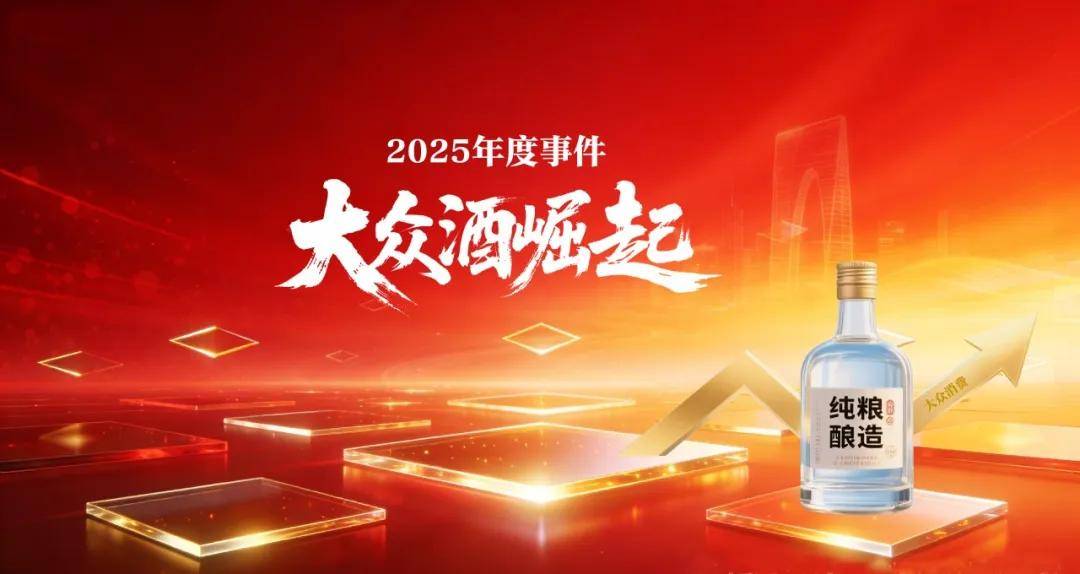
2025年度事件⑤ | 大众酒崛起
Sou Hu Cai Jing· 2026-01-09 02:46
Core Insights - The Chinese liquor industry is undergoing a restructuring phase in 2025, characterized by price fluctuations, changes in consumption scenarios, and channel model transformations, leading to a new period of value consolidation [2][4] - The rise of mass-market liquor is not merely a result of consumer downgrading but reflects a systemic value return in liquor consumption logic amid significant changes in the era [5][6] Industry Events - Event 1: "Prohibition Order" impacting consumption patterns [4] - Event 2: Liquor production recognized as a "historical classic industry" [4] - Event 3: Fluctuations in liquor prices affecting market dynamics [4] - Event 4: Collective reduction in alcohol content across products [4] Market Dynamics - The mass-market liquor segment is experiencing a significant rise, with companies launching products priced around 100-300 yuan, indicating a shift towards more affordable options [4][5] - By 2024, the overall revenue from mass-market liquor is expected to exceed 150 billion yuan, with over 70% of sales volume coming from this price range by mid-2025 [4][5] Consumer Behavior - Consumers, particularly the younger generation, are prioritizing quality over brand prestige, leading to a preference for affordable yet high-quality liquor [5][6] - The mass-market segment is becoming a necessity in daily consumption, focusing on high-frequency, essential, and cost-effective products [5][6] Industry Trends - The mass-market liquor sector is projected to maintain a growth rate exceeding 15%, driven by major liquor companies enhancing their offerings in this category [6] - The competition within the 100-300 yuan price range is intensifying, with established brands pushing for better quality and product diversity [6][7] Strategic Implications - The shift towards mass-market liquor signifies a transition from channel-driven to consumer-driven dynamics in the industry, reflecting a maturation process [7] - Companies are compelled to invest more in product innovation, quality enhancement, and consumer engagement, leading to a potential reshaping of the industry landscape [7]
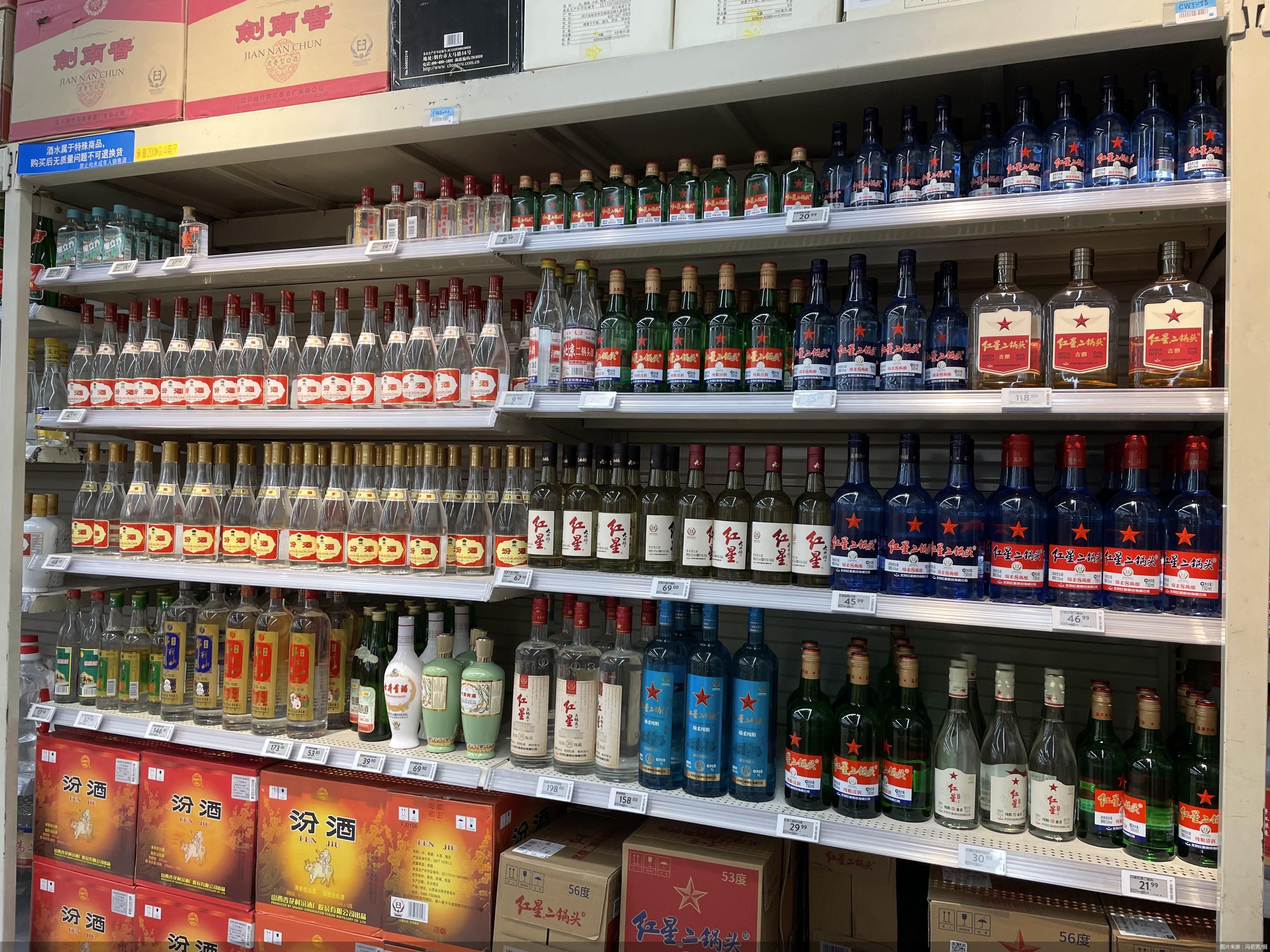
产品“拥挤”、利润空间低 光瓶酒新生态重构进行时
Bei Jing Shang Bao· 2025-11-18 13:50
Core Insights - The light bottle liquor market is becoming one of the hottest segments in the liquor industry, with a growing number of new products entering the market while profit margins remain challenging [1][5][8] - The competition in the light bottle liquor sector is intensifying, leading to a potential reshuffling of market dynamics as new consumption logic and ecosystems emerge [1][10] Market Dynamics - Major brands in the light bottle liquor market include Niulanshan, Hongxing, Fenjiu, and Tuopai, with a significant focus on the 50 yuan price range [2][5] - Approximately 30% of light bottle liquor products are priced below 40 yuan, 50% between 40-100 yuan, and only 20% above 100 yuan [2] Competitive Landscape - The entry of numerous participants into the light bottle liquor market is driven by the contraction of high-end liquor consumption and a shift towards mass-market consumption [6][7] - Retailers are also entering the light bottle liquor space, with Walmart and Hema launching their own products, indicating a crowded market [6][7] Growth Potential - The light bottle liquor market is projected to exceed 150 billion yuan in 2024, with a compound annual growth rate of 17%, significantly outpacing the overall industry [7][8] - Companies like Shanxi Fenjiu are seeing substantial revenue growth, with the "other liquor" category, including light bottles, expected to reach 93.42 billion yuan in 2024 [7] Profitability Challenges - Despite the market's growth, light bottle liquor products face low profit margins, with many products below 50 yuan having gross margins of 40% or less, compared to the industry average of 67.32% [9][10] - The intense competition and low pricing strategies may lead to the elimination of some smaller liquor companies [9] New Ecosystem Development - The light bottle liquor market is transitioning from a low-price volume strategy to a focus on quality, creating a new industry ecosystem and pricing structure [10][11] - High-end light bottle products are becoming increasingly important, with a significant shift in consumer preferences towards products priced between 50-100 yuan [10][11] Marketing Evolution - The marketing strategies for light bottle liquor are evolving from traditional promotional tactics to more sophisticated, systematized approaches that emphasize brand and digital marketing [12] - A comprehensive and refined marketing management system is essential for the future development of light bottle liquor brands [12]
洋河股份:行业调整中积极蓄势长期发展潜力获券商看好
Xin Lang Cai Jing· 2025-11-18 07:38
Core Viewpoint - The article highlights the strong performance of Yanghe Co., Ltd. in the first half of the year, despite the challenges faced by the liquor industry, emphasizing the company's focus on quality and brand strength [1] Financial Performance - Yanghe Co., Ltd. reported a revenue of 14.796 billion yuan and a net profit of 4.344 billion yuan for the first half of the year [1] - The company achieved a gross margin of 76.2%, an increase of 1.1 percentage points year-on-year [1] Market Strategy - The company is focusing on its core products and key markets, particularly in Jiangsu province, where it generated 7.121 billion yuan in revenue [1] - Yanghe has increased its number of distributors in the domestic market to 3,010, up from the beginning of the year, while the number of distributors outside the province stands at 5,599 [1] Marketing and Product Development - Yanghe launched the seventh generation of its "Sea Blue" product and introduced a high-value "Yanghe Daqu" light bottle wine, achieving over 10,000 pre-sales within 48 hours [1] - The company is leveraging "sports marketing + cultural IP" collaborations to enhance brand recognition [1] Industry Outlook - Analysts believe that while the liquor industry is undergoing a cyclical adjustment, the long-term value of Yanghe Co., Ltd. remains intact [2] - The company is expected to stabilize its operations in the domestic market while gradually improving its performance in the provincial markets [2] - Yanghe's strong brand and channel network, along with its production capacity, are seen as key competitive advantages for future growth [2]
光瓶酒逆势预涨超10%
Nan Fang Du Shi Bao· 2025-11-06 23:10
Core Viewpoint - The Chinese liquor industry is undergoing a deep adjustment period, while the light bottle liquor segment is experiencing strong growth, with products like Guo Fen from Shanxi Fenjiu showing over 10% sales growth in the first three quarters of the year, indicating a shift in consumer preferences from "face consumption" to "substance consumption" [1][2]. Industry Overview - The market size of light bottle liquor has grown from 35.2 billion yuan in 2013 to over 150 billion yuan in 2024, with projections to exceed 200 billion yuan by 2025, reflecting a compound annual growth rate of 13.8% from 2013 to 2021 [1][2]. Company Performance - Shanxi Fenjiu is one of the few companies showing growth, with a reported revenue of 32.924 billion yuan in the first three quarters of the year, a 5% increase year-on-year, and a net profit of 11.405 billion yuan, a slight increase of 0.48% [1][2]. Product Contribution - The Guo Fen product line has been a significant contributor to Shanxi Fenjiu's growth, with analysts noting that it achieved over 10% growth in the first three quarters, contrasting with the declining sales of many other products [2][3]. Competitive Landscape - The rapid growth of the light bottle liquor market has attracted numerous companies to increase their investments in this segment, with brands like Yanghe and Luzhou Laojiao launching new products aimed at capturing market share [3][4]. Market Dynamics - Despite overall growth in the light bottle liquor market, there is increasing differentiation among brands. Traditional brands like Niulanshan are facing significant challenges, with reported revenue declines of nearly 20% year-on-year [4][5]. Consumer Trends - The shift in consumer behavior is evident, with younger consumers moving from luxury packaging to a focus on quality and cost-effectiveness, prompting companies to adapt their strategies to meet the demand for high-value products [3][6]. Future Outlook - The light bottle liquor segment is expected to continue expanding, but competition is intensifying, leading to a clear differentiation among brands. Companies that can adapt to changing consumer preferences and market conditions are likely to thrive [6][7].
洋河放宽回款进度要求后渠道信心回升
Cai Jing Wang· 2025-11-05 13:50
Core Viewpoint - The relaxation of payment collection requirements by Yanghe has led to a recovery in channel confidence, suggesting that the upcoming Spring Festival may serve as a turning point for the industry [2][3]. Group 1: Company Performance - Yanghe reported a revenue of 18.09 billion yuan and a net profit of 3.975 billion yuan for the first three quarters of 2023 [3]. - The company's contract liabilities at the end of Q3 reached 6.42 billion yuan, reflecting a quarter-on-quarter increase of 5.5 billion yuan, indicating a warming trend compared to previous quarters [3][4]. - The average price of core products has slightly increased since the beginning of the year, with the gross profit margin for distributors improving compared to regional competitors [3][4]. Group 2: Industry Trends - The white liquor industry is experiencing a release of reporting pressure as companies begin to clear their inventory, with a consensus emerging around the recovery of mid-tier products [2][4]. - The industry is expected to see a turning point in demand during the upcoming Spring Festival, driven by positive sentiment around inventory replenishment [2][5]. - The overall market has shown signs of improvement since August, with some brands reporting positive sales growth during the Mid-Autumn Festival and National Day periods [6]. Group 3: Strategic Initiatives - Yanghe has implemented strict quota controls on its products to maintain price stability and has focused on enhancing its product offerings, including the launch of the seventh generation of its Hai Zhi Lan product line [3][7]. - The company has invested nearly 4 billion yuan in base liquor production capacity since 2011, which has strengthened its supply chain capabilities and product quality [7]. - Yanghe's strategy to leverage its base liquor reserves for product upgrades aims to address consumer preferences and improve channel profitability [7][8].
预计逆势涨超10%!消费风向变了,光瓶酒成了“香饽饽”?
Nan Fang Du Shi Bao· 2025-11-05 10:29
Core Viewpoint - The overall performance of the liquor industry, particularly the baijiu sector, is declining, with only a few companies like Guizhou Moutai and Shanxi Fenjiu showing slight growth, while the majority face significant revenue drops [1][2]. Industry Overview - In the third quarter of 2025, 20 listed baijiu companies reported their earnings, with only Guizhou Moutai and Shanxi Fenjiu achieving minor increases, while 18 others experienced varying degrees of decline [1]. - The baijiu industry is undergoing a deep adjustment period due to changing consumer environments and high channel inventories [1]. Market Trends - Despite the overall downturn, the light bottle liquor segment is experiencing robust growth, with products like Shanxi Fenjiu's Guo Fen showing over 10% sales growth in the first three quarters [1][5]. - The market size of light bottle liquor has expanded from 35.2 billion yuan in 2013 to over 150 billion yuan in 2024, with projections indicating it will surpass 200 billion yuan in 2025 [1][5]. Company Performance - Shanxi Fenjiu reported a revenue of 32.924 billion yuan in the first three quarters of 2025, marking a 5% year-on-year increase, with a net profit of 11.405 billion yuan, a slight increase of 0.48% [2]. - The growth in Shanxi Fenjiu's performance is attributed to its light bottle products, particularly Guo Fen, which has shown significant sales increases [2][5]. Competitive Landscape - The rapid growth of the light bottle liquor market has prompted many liquor companies to increase their investments in this segment, with notable entries from Yanghe and other brands [6][8]. - Analysts indicate a shift in consumer preferences from luxury packaging to quality and cost-effectiveness, driving the growth of light bottle liquor [8]. Market Challenges - Despite the overall growth in the light bottle liquor market, there is increasing differentiation among brands, with traditional brands like Niulanshan facing severe challenges [10][12]. - Niulanshan's revenue dropped by 19.79% to 5.869 billion yuan in the first three quarters, with a net profit decline of 79.85% [10][12]. - The competitive landscape is intensifying, with many companies facing challenges due to changing consumer habits and market dynamics [13][16].
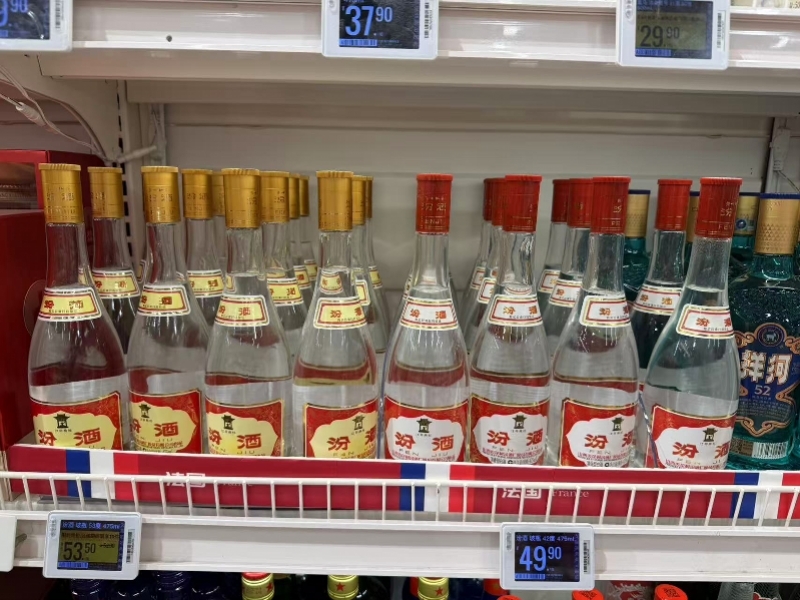
洋河放宽回款进度要求后渠道信心回升,明年春节或成行业好转拐点
Cai Jing Wang· 2025-11-05 07:09
Core Viewpoint - The white liquor industry is experiencing a recovery in channel confidence, with Yanghe showing signs of channel repair and a positive trend in contract liabilities, indicating a potential turnaround for the company and the industry as a whole [1][2]. Company Summary - Yanghe's revenue for the first three quarters of 2023 reached 18.09 billion yuan, with a net profit of 3.975 billion yuan [2]. - As of the end of Q3, Yanghe's contract liabilities amounted to 6.42 billion yuan, reflecting a quarter-on-quarter increase of 5.5 billion yuan, indicating a recovery in channel confidence [2]. - The company has implemented a strategy to control inventory and stabilize prices, leading to a slight increase in the prices of core products compared to the beginning of the year [2][6]. - Yanghe's focus on quality has led to significant investments in production capacity, totaling nearly 4 billion yuan since 2011, resulting in a robust supply chain and a strong foundation for product quality [6]. Industry Summary - The white liquor industry is expected to see a shift in demand dynamics, with a consensus emerging around the recovery of mid-tier products and positive sentiment for the upcoming Spring Festival [1][4]. - The industry has faced significant pressure in recent years, but the third quarter of 2023 marks a turning point as companies begin to release reporting pressures and adjust their strategies [3][4]. - There is a notable improvement in sales performance for mid-tier products, with some brands reporting positive growth in sales volume compared to last year [5]. - The industry is anticipated to experience a recovery in sales during the 2026 Spring Festival, with the end-of-year reporting and subsequent sales growth serving as critical indicators of the industry's bottoming out [6].
洋河股份(002304):继续出清 重塑动能
Xin Lang Cai Jing· 2025-11-05 00:42
Core Viewpoint - The company reported significant declines in revenue and net profit for the first three quarters of 2025, primarily due to industry-wide pressures and strategic inventory control measures [1][2]. Financial Performance - For the first three quarters of 2025, the company achieved revenue of 18.09 billion, a year-on-year decrease of 34.26% - The net profit attributable to shareholders was 3.98 billion, down 53.66% year-on-year - In Q3 2025, revenue was 3.30 billion, a decline of 29.01% year-on-year, while the net profit was -369 million, a drop of 158.38% year-on-year [1][2]. Operational Challenges - The decline in performance is attributed to the impact of a ban on alcohol sales since Q2, alongside the company's proactive inventory control - The company is focusing on optimizing its brand matrix, including maintaining stable prices for key products and launching new offerings [2]. Profitability and Cost Structure - In Q3 2025, the company's gross profit margin decreased by 12.72 percentage points to 53.52%, driven by a shift in product structure and increased discounting - Sales and management expense ratios increased by 10.23 percentage points and 2.76 percentage points, respectively, indicating volatility in cost management - The net profit margin recorded -11.19%, down 24.80% year-on-year [2]. Cash Flow and Liabilities - The company's cash receipts from sales and net operating cash flow decreased by 27.41% and 75.25% year-on-year, respectively - As of the end of Q3 2025, contract liabilities amounted to 6.42 billion, reflecting a quarter-on-quarter increase of 5.46 billion and a year-on-year increase of 1.46 billion [2]. Dividend Policy and Investment Outlook - The company has committed to a dividend payout of no less than 70% for the years 2024-2026, with a minimum dividend amount of 7 billion (including tax), resulting in a current dividend yield of at least 6.6% - Despite the current challenges, the company maintains a strong brand and distribution network, with expectations for future performance recovery post-cleanup of financial statements - Revenue forecasts for 2025-2027 are adjusted to 18.70 billion, 19.53 billion, and 20.87 billion, with net profits projected at 3.11 billion, 3.48 billion, and 4.09 billion, respectively [3].