组合投资

Search documents
大变局!单一融资模式终结,非标信托将迎哪些变化?
Xin Lang Cai Jing· 2025-08-28 02:23
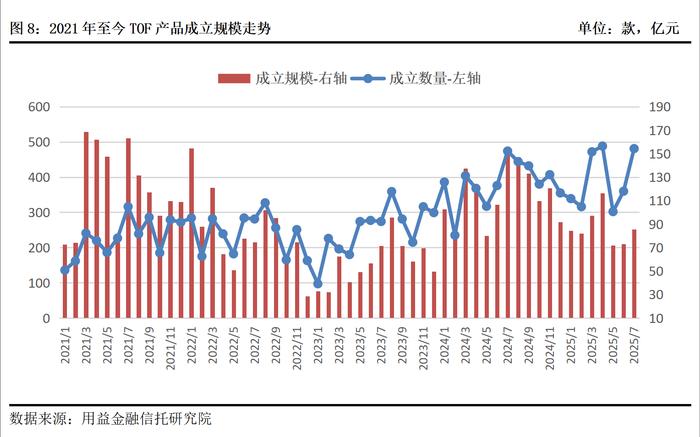
Core Viewpoint - The new regulations from China Trust Registration Co., Ltd. will phase out single non-standard financing trust products, pushing the industry towards a combination investment model [1][4][7]. Group 1: Regulatory Changes - Starting September 1, 2023, the new "Trust Registration Business Guidelines (Version 3.0)" prohibits trust companies from conducting trust business that essentially provides financing to a single borrower [1]. - The regulatory stance has been consistent since the "Three Classification Notification" was issued in March 2023, emphasizing the reduction of non-standard assets in the trust industry [4][5]. Group 2: Market Response - Following the announcement of the new regulations, there was a notable increase in the issuance of non-standard trust products, with a recorded scale of 5.34 billion yuan in the third week of August, marking a 9.25% increase [2]. - Despite the increase in issuance, the performance benchmark for non-standard products fell to 5.21%, a decrease of 0.08 percentage points [3]. Group 3: Industry Transition - The shift towards combination investment products is seen as a long-term trend, with expectations for more diverse combinations of non-standard and standard products in the market [3][8]. - The combination investment model presents challenges for trust companies, including the need for enhanced asset management capabilities and a shift in their traditional business models [7][8]. Group 4: Future Outlook - The industry anticipates that the combination investment model will become mainstream, with regulatory requirements becoming stricter and necessitating higher compliance standards [3][6]. - The upcoming "Asset Management Trust Management Measures" is expected to provide further clarity on the implementation of combination investments [6][8].

2025年9月起信托新规终结单一融资模式
Sou Hu Cai Jing· 2025-08-19 23:47
Core Viewpoint - The new trust pre-registration review standards implemented by China Trust Registration Co., Ltd. will require asset management trusts to adopt a portfolio investment approach starting from September 1, 2025, marking the end of the single financing model for non-standard trusts [1]. Policy Impact and Industry Adjustment - The new registration standards will directly impact non-standard asset management trusts, shifting from a simple project model centered around a single quality financing party to a more complex portfolio investment model [3]. - Trust companies have begun adjusting their business structures, with some exploring non-standard product portfolio investment models since June, leading to the gradual exit of traditional single-target trust products from the market [3]. - China Trust Registration requires comprehensive disclosure of transaction chains, nested information, underlying assets, and fundraising entities when trust funds are directed to underlying assets through special purpose vehicles, enhancing product transparency [3]. Business Transformation and Development Prospects - The implementation of the portfolio investment model presents new challenges for trust companies, requiring higher professional standards in managing different financing projects [4]. - Trust companies face difficulties in implementing portfolio investments due to factors such as regional, industry, and term matching, as well as the need for strong research and valuation capabilities [4]. - Industry insiders believe that the comprehensive implementation of portfolio investment requirements will accelerate the transformation of trust companies, necessitating enhanced research capabilities and risk control systems [4].

非标信托单一融资模式自9月起终结,行业竞争格局将重塑?
Guo Ji Jin Rong Bao· 2025-08-14 05:40
Core Viewpoint - The new trust pre-registration review standards issued by China Trust Registration Co., Ltd. will take effect on September 1, 2025, marking a shift from the traditional single financing model of non-standard trusts to a diversified, standardized, and net value-oriented asset management approach [1][2][5]. Summary by Relevant Sections New Guidelines - The updated "Trust Registration Business Guidelines (V3.0)" will enforce new pre-registration review standards, requiring trust companies to implement portfolio investment requirements for asset management trusts and prohibiting the provision of financing that effectively serves a single financing party [2][5]. - Trust funds must disclose comprehensive information about the transaction chain, including details on special purpose vehicles (SPVs) and the final underlying assets [2][3]. Transition from Single Financing Model - The traditional single financing model of non-standard trusts is seen as a product of specific historical conditions, characterized by high efficiency in meeting funding needs but leading to passive risk management and high concentration of risk [3][4][6]. - The transition to portfolio investment is already underway, with previous notifications emphasizing that asset management trusts should operate through collective funding trust plans [5][6]. Impacts on the Industry - The shift to portfolio investment will transform trust companies' business models, requiring them to diversify investments across multiple assets and reduce reliance on single financing parties [7]. - Enhanced risk management practices will be necessary, as portfolio investment can mitigate non-systematic risks through diversification of underlying asset types and counterparties [7]. - The restructuring of the industry ecosystem will encourage innovation in business models, pushing trust companies to return to their core asset management functions [7].
信托业重磅:单一非标资产的时代结束
Jing Ji Guan Cha Bao· 2025-08-13 03:12
Core Insights - The era of single non-standard asset investment in the trust industry has ended, as mandated by the China Trust Registration Company, requiring trust companies to implement portfolio investment strategies starting September 1 [1][2] - This shift indicates a significant transformation in the wealth management industry, necessitating upgrades in product design, risk management, and customer service systems [1] - The new policy aims to mitigate systemic risks and promote industry standardization, marking a critical step towards proactive management transformation in the trust sector [2] Industry Changes - Trust companies must transition from relying on single financing entities to diversified portfolio investments, which will increase complexity and management challenges for non-standard trust products [1] - The move towards portfolio investment is seen as a response to regulatory guidance aimed at returning the trust industry to its foundational principle of fiduciary responsibility [2] - Although the transition may lead to short-term business contraction and transformation pains, it is expected to foster a more stable and sustainable industry in the long run [2]
单一融资模式即将终结 非标信托需全面落地组合投资
Zheng Quan Shi Bao Wang· 2025-08-12 23:26
Core Viewpoint - The new trust pre-registration review standards set to be implemented by China Trust Registration will end the single financing model for non-standard trust products starting September 1, 2025, requiring trust companies to adopt a diversified investment approach [1][2] Group 1: New Regulations - China Trust Registration will enforce new pre-registration review standards from September 1, 2025, which will impact non-standard asset management trusts significantly [1] - The updated guidelines mandate that asset management trusts must implement a combination investment requirement, prohibiting the practice of providing financing to a single borrower [1][2] Group 2: Impact on Trust Companies - The new guidelines will primarily affect non-standard trust products, while standard asset management trusts will not face substantial changes [2] - Trust companies will need to disclose complete transaction chains, including information on special purpose vehicles (SPVs) and the final underlying assets [2] Group 3: Industry Implications - The shift to combination investments in non-standard trusts is expected to reduce non-systemic risks and enhance the overall risk management of trust assets [2] - This change is anticipated to realign the role of trust companies back to asset management, focusing on maximizing beneficiary interests rather than solely serving financing parties [2]
9月起执行!单一非标信托产品不予预登记 组合投资分散风险
Hua Xia Shi Bao· 2025-08-12 15:42
Core Viewpoint - The new trust registration regulations from China Trust Registration Co., Ltd. (CITIC) will impose stricter requirements on single non-standard trust businesses, compelling trust companies to adjust their business structures and move away from reliance on single financing parties [1][2][5]. Summary by Sections New Regulations - CITIC has issued the "Trust Registration Business Guidelines (Version V3.0)" to various trust companies, which includes requirements for asset management trusts to implement portfolio investment and prohibits the provision of financing to a single borrower [1][2]. Impact on Single Financing Business - Historically, trust companies have primarily focused on single financing party non-standard products, which poses inherent risks due to lack of diversification. The new guidelines will enforce stricter reporting requirements across various aspects of trust products, including basic information, transaction structure, and risk control [2][3]. Requirements for Reporting - The updated guidelines specify that trust product names must not include misleading terms such as "guaranteed" or "safe," and detailed information about the underlying assets and their uses must be disclosed [2][4]. Shift to Portfolio Investment - The requirement for portfolio investment is seen as a move to mitigate risks and encourage trust companies to transition towards being professional investment trustees rather than relying on traditional non-standard financing [3][6]. Challenges and Opportunities - The transition to a portfolio investment model presents challenges for trust companies, as it requires enhanced research and risk management capabilities. However, it also offers an opportunity for these companies to upgrade their business models and improve their competitive edge [7][8]. Regulatory Background - The new regulations are part of a broader regulatory trend initiated by the China Banking and Insurance Regulatory Commission, which has emphasized the need for trust companies to diversify their investments and limit single asset exposure to no more than 25% [6][7]. Industry Outlook - The comprehensive implementation of portfolio investment is expected to optimize the industry structure, enhance overall professional standards, and improve risk resilience, ultimately leading to a more regulated and sustainable trust industry [8].
9月起执行!单一非标信托产品不予预登记,组合投资分散风险
Sou Hu Cai Jing· 2025-08-12 15:29
Core Viewpoint - The new trust registration regulations in China will impose stricter requirements on single non-standard trust businesses, compelling trust companies to adjust their business structures and move towards a model of diversified investment [2][6]. Group 1: New Regulations Overview - The China Trust Registration Company has issued a new version of the trust registration business guidelines, which will take effect on September 1, 2025 [2]. - Trust companies are now required to implement portfolio investment requirements for asset management trusts, prohibiting the provision of financing to a single borrower [3][4]. - The updated pre-registration review standards include detailed reporting requirements on product information, transaction structure, underlying assets, and risk control measures [3][4]. Group 2: Impact on Trust Companies - Trust companies have historically relied on single financing parties, which poses inherent risks in diversification [3]. - The new regulations will challenge trust companies to enhance their research and risk control capabilities as they transition to a portfolio investment model [4][8]. - The requirement for portfolio investment aims to reduce reliance on traditional non-standard financing and guide trust companies towards becoming professional investment trustees [4][6]. Group 3: Industry Response and Future Outlook - The push for portfolio investment is seen as an opportunity for trust companies to upgrade their business models and improve core competitiveness [9]. - The industry is expected to optimize its structure and enhance overall professional standards and risk resilience, promoting a more regulated and sustainable development of the trust sector [9]. - Investors will need to reassess the risk and return characteristics of trust products and adjust their asset allocations accordingly [9].

重磅招募!手把手教你打造"攻守兼备"的投资组合 | 3天投教特别训练营
Sou Hu Cai Jing· 2025-05-27 01:01
Core Viewpoint - The article promotes a three-day investment training camp aimed at helping investors improve their financial literacy and adopt rational investment strategies, particularly in the context of fluctuating market conditions [2][6][11]. Group 1: Training Camp Details - The training camp will take place from May 28 to May 30, focusing on value investing and rational investment methods [2][9]. - The camp will cover key strategies for aggressive and defensive portfolio management, as well as the use of ETFs for rebalancing [6][7]. - Registration for the camp is free, with a limited time to sign up on May 27 [9][21]. Group 2: Target Audience - The program is designed for investors holding multiple funds with unsatisfactory returns, older investors looking to reduce portfolio volatility, and beginners interested in systematic ETF allocation [13]. - The camp aims to create a community of like-minded investors for shared learning and support [13]. Group 3: Course Features and Benefits - The course will include rich content in a graphic format and provide real-time Q&A through an interactive community [11]. - Participants will have opportunities for rewards through daily interactions in the learning group and can win prizes upon completion of the camp [15]. - The course is accessible at no cost, with no product promotions involved, ensuring a focus on valuable content [17].

摆脱线性思维,接纳不确定
雪球· 2025-05-20 08:04
Core Viewpoint - The article emphasizes the importance of accepting market uncertainty and adopting a diversified investment strategy to achieve long-term asset appreciation [3][18]. Group 1: Addressing Market Uncertainty - Investors should reduce the dangers of linear thinking, which can lead to poor investment outcomes when trends are assumed to continue indefinitely. Recent market trends showed a rapid increase of 20%-30% from September 24 to September 30, followed by adjustments from October 8 to October 17 [4][11]. - Accepting market volatility as a norm is essential for investors. Historical data indicates that after significant market rallies, adjustments typically occur, ranging from 10% to 30% [7][8]. Group 2: Investment Strategies - Avoiding concentrated investments is crucial during market fluctuations. Heavy investments can lead to emotional decision-making and increased pressure, especially if investors lack deep research and long-term capital [14][15][16]. - Emphasizing a diversified investment approach can enhance tolerance for market volatility. Investors should cultivate a mindset for asset allocation and avoid focusing solely on one investment style [17]. Group 3: Conclusion on Investment Approaches - There is no absolute superiority between concentrated and diversified investments; the effectiveness depends on the investor's understanding and ability to identify opportunities. Given recent extreme market risks, the necessity of asset allocation has become increasingly apparent [18][19].