经济独立

Search documents
特朗普关税已推高物价?美银调查:半数年轻人约会都不愿花钱
Feng Huang Wang· 2025-07-31 05:44
Core Insights - The survey conducted by Bank of America reveals that Generation Z adults are becoming increasingly frugal in their dating habits due to rising living costs influenced by tariffs under the Trump administration [1][2] - Over 50% of respondents reported spending no money on dates, while among those who do spend, 25% of males and 30% of females spend less than $100 per month [1] - More than half of the respondents are saving more money, and 24% are paying off debts to improve their financial situations [1] Financial Attitudes - 55% of respondents feel that their earnings are insufficient to live the lifestyle they desire, and a similar percentage lacks enough emergency savings to cover three months of expenses [2] - The proportion of Generation Z respondents receiving financial support from parents and family has decreased from 46% to 39% over the past year, with the amount received also declining [2] Economic Independence - Despite facing economic challenges and high daily expenses, Generation Z is striving for financial independence [3]
日本5500亿美元进贡,换美国关税松绑,石破茂辞职背后谁才是赢家
Sou Hu Cai Jing· 2025-07-27 06:18
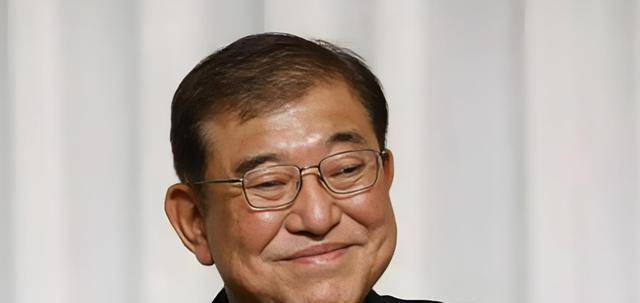
Group 1 - Japan is facing significant pressure from the United States, reminiscent of the Plaza Accord, with a trade agreement involving $550 billion in investment and a 15% tariff on various goods, leading to widespread public dissatisfaction [2][4] - The Nikkei index surged over 800 points and Toyota's stock rose by 10% following the agreement, but this has heightened anxiety among ordinary citizens, farmers, and small business owners due to increased competition from U.S. agricultural products [4][9] - The 15% tariff, while lower than the initially threatened 25%, poses a substantial risk to Japan's economy, which heavily relies on exports to the U.S., amounting to ¥21.3 trillion [4][6] Group 2 - The political fallout from the trade agreement has led to the downfall of Prime Minister Shinzo Abe, who faced internal party pressure and public backlash, resulting in his intention to resign shortly after the agreement was signed [7][9] - The agreement reflects Japan's long-standing structural dependency on the U.S., limiting its diplomatic autonomy and negotiation power, despite holding significant U.S. debt [6][9] - The future of Japan's economic independence and its ability to navigate international negotiations remains uncertain, with the potential for a new leader to change the current trajectory [9]

缺钱的女生,往往是这4种,希望你没有
Sou Hu Cai Jing· 2025-05-01 08:20
Core Viewpoint - Economic independence is a crucial pursuit for individuals, especially women, yet many face financial difficulties due to internal habits and attitudes rather than external circumstances [1] Group 1: Types of Financial Challenges - The first type of financially challenged individuals are those who engage in excessive spending and lack financial literacy, often indulging in impulsive purchases without considering necessity [3][4] - The second type includes individuals who are lazy and procrastinate, lacking ambition and failing to seek better job opportunities or skill enhancement, which leads to missed chances for income improvement [8] - The third type consists of those with a severe dependency mentality, relying on others for financial support and lacking the ability to manage their own finances, which can lead to crises when external support is withdrawn [10] - The fourth type involves individuals who lack long-term planning and focus only on immediate gains, neglecting future financial stability and failing to save or invest wisely [12][13]