考古发现

Search documents
考古新发现!山西永济七社遗址发掘取得重要收获
Xin Lang Cai Jing· 2025-12-27 10:26
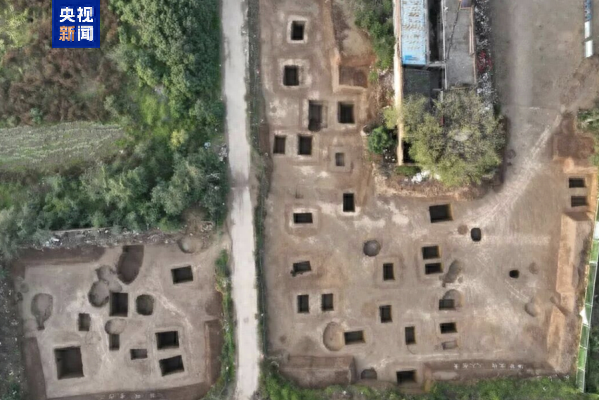
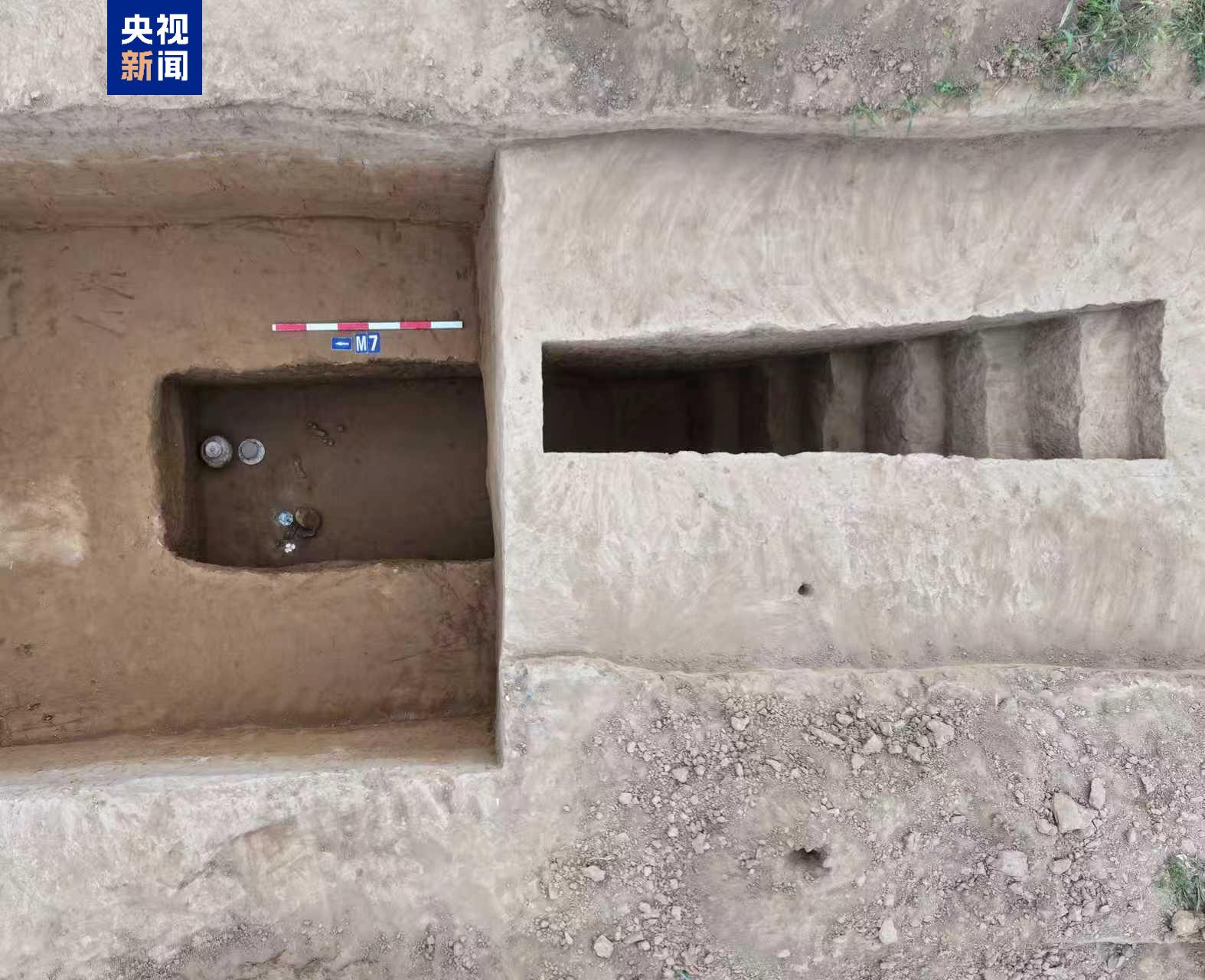
Core Insights - The Shanxi Provincial Archaeological Research Institute announced significant archaeological findings at the Qishe site in Yongji City, Shanxi Province, revealing artifacts from the Yangshao late middle period, early Shang, and Eastern Zhou periods [1] Group 1: Archaeological Findings - A large number of artifacts from various periods, including Yangshao, Longshan, Shang, and Eastern Zhou, have been discovered, indicating that the area may have been a densely populated region during the pre-Qin period in southwestern Shanxi [1] - The majority of pottery found consists of mud-based and fine sand red pottery, with gray pottery and painted pottery being less common [3] - The discovered pottery types include bowls and pots, with decorative features such as line patterns and various forms of vessels like pointed-bottom bottles and gourd-shaped bottles [3] Group 2: Burial Sites and Artifacts - A total of 35 Eastern Zhou tombs were excavated, which were undisturbed and showed no signs of being looted, with some modern disturbances noted [5] - The tombs are primarily small to medium-sized vertical pit graves, characterized by a funnel shape and smooth walls, with burial goods including ceramics and small artifacts like copper hooks and bone hairpins [5] - The artifacts reflect a timeline from the late Spring and Autumn period to the mid-Warring States period, with significant pottery types including ding, gu, and various vessels [5][6]

科学圆桌会·趣谈2025|古人类学家:“我们从哪里来”之问有了新答案
Xin Hua She· 2025-12-27 07:39
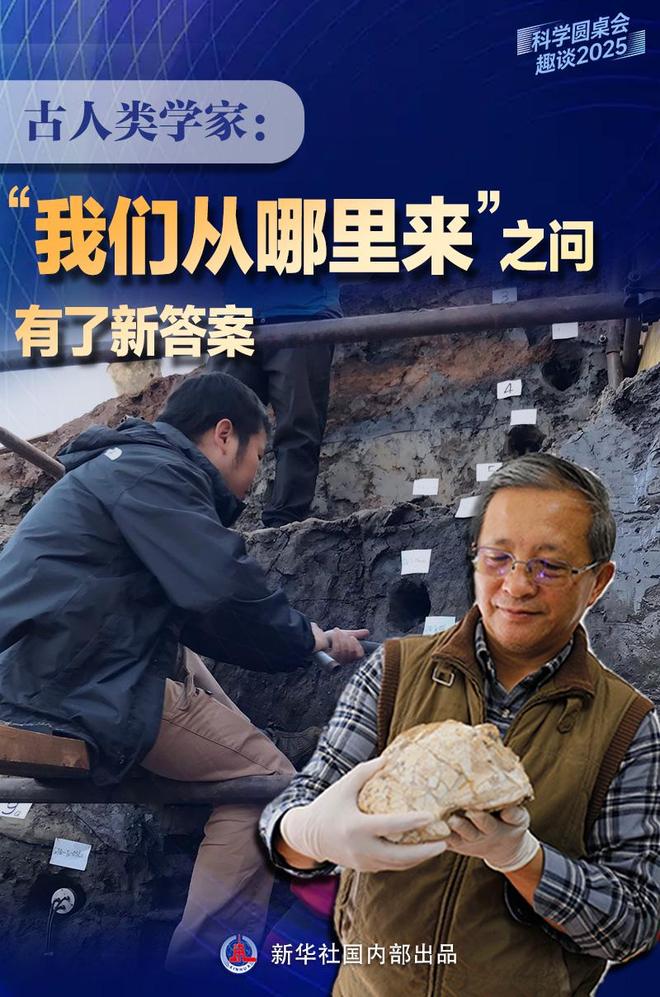
Core Insights - The article discusses significant archaeological findings related to ancient human ancestors, particularly focusing on the discovery of the "Dragon Man" and the implications of these findings for understanding human evolution and dietary practices [4][8]. Group 1: Discovery of "Dragon Man" - The "Dragon Man" fossil, a nearly complete skull found near Harbin, China, dates back to no later than 146,000 years ago and is linked to the Denisovans, a previously mysterious ancient human group [4][7]. - The identification of "Dragon Man" provides insights into the interactions of ancient human populations in East Asia and raises questions about their role as ancestors of modern East Asians [8]. Group 2: Dietary Practices of Ancient Humans - A significant archaeological discovery at the Jiangchuan site in Yunnan revealed 35 well-preserved wooden tools dating back approximately 300,000 years, alongside stone tools and animal remains, indicating a diverse diet and advanced tool-making capabilities [9][11]. - The analysis of these wooden tools suggests that ancient humans not only hunted but also engaged in gathering activities, showcasing a balanced diet that included both animal and plant sources [12]. Group 3: Winter Survival Strategies - Research on small bone tools from the Water Cave site indicates that ancient humans had developed techniques for processing animal hides, essential for making winter clothing and shelter [14][15]. - The findings suggest that these ancient populations employed a sophisticated resource management strategy, preparing multiple types of resources to improve living conditions and ensure survival during harsh winters [17].
【省文物局】2025年度国内十大考古新闻发布 陕西2项入选
Shan Xi Ri Bao· 2025-12-26 00:37
Group 1 - The core viewpoint of the news is the recognition of two archaeological discoveries from Shaanxi province in the 2025 annual list of top domestic archaeological news by the Central Radio and Television Station [1] - The first discovery involves the ancient DNA research from the Shimao site, which analyzed 169 nuclear genomes, confirming the cultural and population continuity of the Shimao culture originating from the late Yangshao people in northern Shaanxi [1] - The second discovery pertains to the identification of a new species of extinct gibbon, named "Imperial Gentleman Gibbon," based on ancient DNA sequencing from teeth found in the tomb of Empress Dowager Xia, the grandmother of Qin Shi Huang [1] Group 2 - The 2025 annual list of top international archaeological news includes significant findings such as the discovery of 1.5 million-year-old bone tools in Tanzania and the use of ancient DNA to confirm the existence of a matriarchal society in prehistoric China [2] - Other notable international discoveries include a 3,500-year-old city site in Peru, a large Bronze Age settlement in Kazakhstan, and rare giant murals found in the ancient city of Pompeii, Italy [2] - The list also highlights the use of artificial intelligence to decipher lost Babylonian hymns in Iraq and the discovery of core structures of the Tiwanaku civilization in Bolivia [2]
青海尕日塘发现秦代刻石入选2025国内十大考古新闻
Xin Lang Cai Jing· 2025-12-25 19:23
Core Viewpoint - The discovery of the Qiritang Qin inscriptions in Qinghai has been recognized as one of the top ten archaeological news stories in China for 2025, highlighting its significant historical, artistic, and scientific value [1] Group 1: Discovery and Significance - The Qiritang Qin inscriptions are located on the north shore of Zhaling Lake in Mado County, Guoluo Tibetan Autonomous Prefecture, Qinghai Province [1] - The inscriptions were confirmed as Qin Dynasty artifacts during a press conference held by the National Cultural Heritage Administration on September 15, marking them as the only known Qin inscriptions at their original site and at the highest altitude in China [1] - The inscriptions are part of the important results from the fourth national cultural relics census, with the text being mostly clear and containing complete dates, which are not found in historical records, thus holding substantial value for research on Qin Dynasty political structure, cultural forms, geographical understanding, and ancient transportation routes [1] Group 2: Protection and Management - To enhance the protection and management of the Qiritang Qin inscriptions, the Qinghai Provincial Government has designated them as a provincial-level cultural heritage unit, including them in the 11th batch of provincial cultural heritage protection unit listings [1]
青海尕日塘秦刻石入选2025年度国内十大考古新闻
Xin Lang Cai Jing· 2025-12-25 19:23
Core Insights - The Gari Tang Qin Inscription has been recognized for its unique historical and academic significance, making it one of the top archaeological news stories in China for 2025 [1] - The discovery of the Gari Tang Qin Inscription is pivotal for understanding the political landscape, cultural forms, geographical knowledge, and ancient transportation routes of the Qin Dynasty [2] Summary by Categories Archaeological Discoveries - The top ten archaeological news stories for 2025 include significant findings such as the discovery of wooden artifacts from 300,000 years ago in Yunnan, carbonized small beans from 9,000 years ago in Shandong, and the earliest known Jiangnan site dating back 8,100 years in Jiangsu [1] - Other notable discoveries include an 8,000-year-old wooden coffin at the Jiahu site in Henan, ancient DNA research revealing genetic relationships from the Neolithic era at the Shimao site, and the first high-level sacrificial site of the Yue Kingdom in Shaoxing, Zhejiang [1] Cultural and Historical Significance - The Gari Tang Qin Inscription is the only known Qin inscription that remains at its original site and is located at the highest altitude [2] - The inscription documents the dispatch of officials and alchemists by Emperor Qin Shi Huang to collect medicinal herbs in the Kunlun Mountains of Qinghai [1][2] Government Recognition - The Qinghai Provincial Government has officially designated the Gari Tang Qin Inscription as a provincial cultural heritage protection unit and included it in the 11th batch of provincial cultural heritage protection units [2]
河北考古新发现:确认真定国国都即东垣古城
Xin Lang Cai Jing· 2025-12-25 14:15
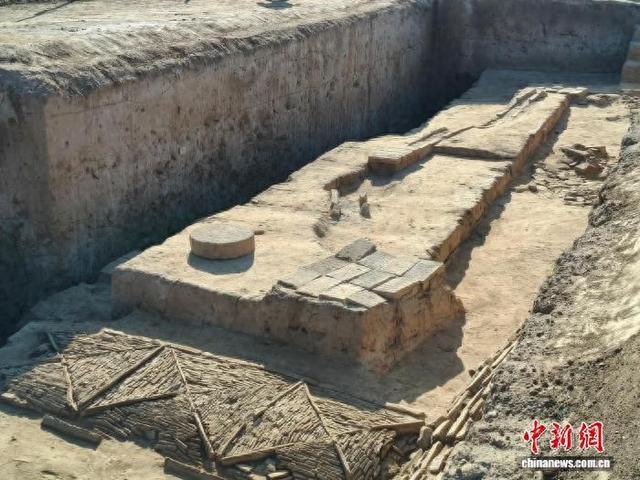
Core Viewpoint - The archaeological work at the Dongyuan Ancient City site has confirmed its identification as the capital of the Zhen Ding Kingdom, which was previously undocumented in historical texts [1][3]. Group 1: Archaeological Findings - The Dongyuan Ancient City site is a national key cultural relic protection unit located in the northern part of Chang'an District, Shijiazhuang City, near the Taihang Mountains and the Hutuo River [3]. - The archaeological investigations have clarified the scale of the city site, the location of the moat, and the distribution of important building foundations [3]. - A significant discovery includes a large palace foundation in the northern part of the ancient city, characterized by its grand scale and meticulous materials, indicating a well-organized layout [3]. Group 2: Historical Context - The discovered architectural remains span three phases: the late Western Han, early Eastern Han, and late Eastern Han to Wei-Jin periods [3]. - The late Western Han architecture is partially exposed, extending over a hundred meters, with remnants such as drainage systems, platform bases, and column bases [3]. - The early Eastern Han structures were built upon the late Western Han foundations, showcasing a larger scale and better preservation, marking the peak of urban development in Dongyuan [3]. Group 3: Artifacts and Evidence - The unearthed artifacts primarily consist of various architectural components, with floor tiles made of regular square and rectangular bricks, featuring plain and diamond patterns [3]. - The discovery of inscribed tiles such as "Zhen Ding Chang Le" and "Fu Chang Chang Le" provides clear evidence for determining the nature of the Zhen Ding Kingdom's capital during the Han Dynasty [3].
河南三门峡发掘出45座古墓 时代跨度从战国到清朝
Yang Shi Xin Wen· 2025-12-02 02:59
Group 1 - Archaeological personnel discovered 45 tombs in the northwest of Sanmenxia City, dating from the Warring States, Northern Dynasties, Tang, and Qing dynasties [1] - The excavation revealed artifacts including a pagoda-shaped jar, tri-colored pot, bronze mirror, bronze ornaments, copper coins, and a ceramic inkstone [1] - The Tang dynasty pagoda-shaped jar consists of three parts: a lid, jar, and base, featuring a white ceramic coating with remnants of black, red, and orange decorations [3] Group 2 - The bronze mirror is shaped like an eight-petal flower with bird and floral patterns around the circular knob [6] - The copper hairpin is U-shaped, made from a bent copper wire, while the copper ring is well-preserved but shows some rust [8] - The copper ring is significantly corroded, with a width of 1.2 cm and a diameter of approximately 1.7 cm [9] Group 3 - The archaeological site is located near the ancient city of Shanzhou, approximately 400 meters from the Yellow River, suggesting the tombs may belong to residents of Shanzhou during the Warring States, Northern Dynasties, Tang, and Qing dynasties [9] - This discovery provides valuable materials for studying burial customs in the Sanmenxia region during these historical periods [9]
在周原探寻中华文明的光芒(现场评论)
Ren Min Ri Bao· 2025-08-17 22:01
Core Points - The discovery of three layers of city walls at the Zhouyuan archaeological site enhances the understanding of the structure and architectural techniques of Western Zhou cities, providing clarity on the urban development process during that period [2][3] - Zhouyuan is recognized as a significant site for understanding the cultural and historical foundations of Chinese civilization, showcasing the values and cultural genes that have persisted through time [3][4] Summary by Sections Archaeological Discoveries - The Zhouyuan archaeological team has made significant findings since 2020, including the discovery of palace city, small city, and large city walls, marking a breakthrough in settlement archaeology [1][2] - The site has yielded various artifacts, including bronze vessels and oracle bones, which reflect the daily life and production activities of the early Zhou people [2][3] Cultural Significance - Zhouyuan is seen as a pivotal location for the development of Chinese ceremonial culture, with its artifacts illustrating a shift in societal values from the Shang to the Zhou dynasty [3] - The site is linked to historical narratives, such as the "Prohibition of Alcohol" issued by Duke Zhou, which emphasizes the moral and ethical standards of the time [3] Historical Context - Zhouyuan serves as a historical marker, connecting various ancient sites like Liangzhu, Erlitou, and Yin Ruins, which collectively highlight the enduring legacy of Chinese civilization [4] - The ongoing archaeological work at Zhouyuan is crucial for preserving and transmitting the rich cultural heritage of China, ensuring that the historical narrative continues to thrive [4]
看汉代幽燕大地的日常烟火(上新了)
Ren Min Ri Bao· 2025-07-07 22:28
Core Viewpoint - The article highlights the rich archaeological discoveries from the Han Dynasty in the Beijing region, showcasing the social life and daily activities of the people during that era through various artifacts and exhibitions [5][7]. Group 1: Archaeological Discoveries - Recent archaeological work in the Beijing area has led to significant findings from the Han Dynasty, including artifacts that reflect the social life and aspirations of the people [5]. - The exhibition "Sunrise in Youyan - Social Life in the Han Dynasty in the Beijing Area" features artifacts transferred to the Renmin University Museum, emphasizing the collaboration between the Beijing Cultural Relics Bureau and the university [5][7]. Group 2: Daily Life and Industry - The Han Dynasty saw a rapid development in agriculture and handicrafts, with archaeological evidence indicating an expansion in production scale and specialization within industries [6]. - Artifacts such as pottery, textiles, and tools illustrate the daily routines and cultural practices of the people, including their culinary habits and social interactions during meals [6][7]. Group 3: Exhibition and Educational Impact - The exhibition is characterized by a unique collaboration model between the university and the community, with many artifacts sourced from construction sites in the Tongzhou campus area [7]. - The planning of the exhibition by students and faculty aims to enhance professional skills and academic interest while providing an engaging experience for the public [7].
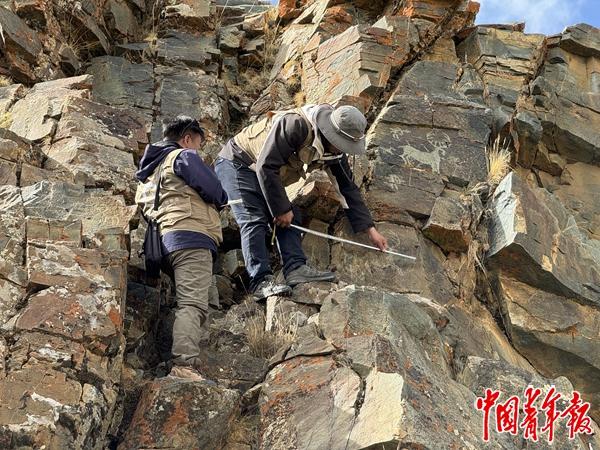
在青藏高原腹地,探寻千年文明印记
Zhong Guo Qing Nian Bao· 2025-06-25 04:25
Core Insights - The excavation of the Marnot site in Tibet has been recognized as one of the top ten archaeological discoveries in China for 2024, providing significant insights into early human adaptation and evolution in high-altitude environments [1][2] - The findings at the Marnot site, including evidence of fishing and trade networks, challenge previous assumptions about the lifestyle of highland populations and highlight the complexity of early human settlements [2][4] Group 1: Archaeological Discoveries - The Marnot site is the highest and oldest Neolithic lakeside site discovered in the Tibetan Plateau, dating back over 4,000 years, and has revealed a continuous cultural sequence [2][4] - Artifacts such as fish bones, pottery shards, and charcoal have been analyzed to reconstruct the living conditions of early humans in the region [2] - The discovery of seeds from crops that are difficult to grow at high altitudes suggests that trade networks existed in the Marnot area around 4,000 years ago [2] Group 2: Cultural Significance - The research from the Marnot site contributes to understanding the multi-faceted nature of Chinese civilization and the historical interactions among various ethnic groups [1][4] - The findings fill gaps in the study of cultural exchanges in high-altitude regions, providing a unique perspective on human adaptability and continuity in extreme environments [4] Group 3: Preservation Efforts - The ongoing work of the Qiangtang Women's Survey Team highlights the challenges and dedication involved in documenting and preserving cultural heritage in remote areas of Tibet [6][8] - The team has conducted extensive surveys, discovering over 460 new archaeological sites, emphasizing the richness of the region's historical landscape [8] - The preservation of ancient texts, such as the "Bey Leaf Scriptures," is being approached through innovative methods, including the development of plant-based repair materials and digital recognition systems [10]