财富规划

Search documents
拥有100万存款是什么水平?能否站在财富“金字塔”上层?
Nan Fang Du Shi Bao· 2025-07-01 08:02
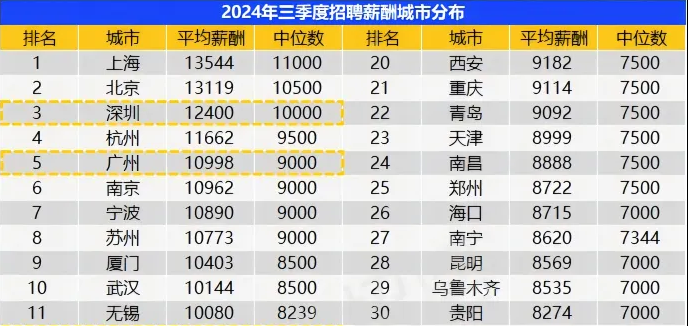
Core Viewpoint - The article discusses the perception and reality of having a million yuan in savings in China, highlighting the challenges of low interest rates and the socio-economic implications of reaching this financial milestone [1][4][12]. Group 1: Financial Reality of Million Yuan Savings - Achieving a savings of 1 million yuan is considered difficult, with over 90% of bank clients not reaching this threshold [4][8]. - In Shenzhen, a city known for its high cost of living, the average salary is around 10,000 yuan, making it challenging for many to accumulate 1 million yuan in savings [4][6]. - The average monthly salary in Shenzhen is reported at 12,400 yuan, ranking third in the country, which reflects the competitive financial landscape [6]. Group 2: Wealth Distribution and Class Structure - The proportion of individuals with savings exceeding 1 million yuan is estimated to be around 2% based on data from major banks [8][11]. - According to the 2024 Hurun Wealth Report, only about 1% of Chinese households have assets exceeding 6 million yuan, indicating that million-yuan savers are part of a small elite [11][12]. - The article notes the "olive-shaped effect" in wealth distribution, where middle-aged individuals hold a significant portion of wealth, while younger and older demographics lag behind [12]. Group 3: Banking Services and Client Segmentation - Banks categorize clients based on their asset levels, with "platinum" services typically starting at 500,000 yuan, indicating a tiered approach to wealth management [7][9]. - The criteria for becoming a "platinum" client vary among banks, with some requiring a minimum of 100,000 yuan in average financial assets [9][10]. - The article emphasizes the importance of financial planning and the potential benefits that come with higher savings, such as access to exclusive banking services [12].

定期存钱到底算不算财富规划
Sou Hu Cai Jing· 2025-06-26 16:58
Core Insights - Saving money alone is insufficient for wealth planning, as traditional savings rates often do not keep pace with inflation, leading to a real loss in purchasing power [1][4] - A diversified approach to financial management is essential, including emergency savings, investments, and skill development to enhance income potential [3][5][9] Group 1: Importance of Wealth Planning - Regular savings can help with immediate financial needs, but they do not address long-term wealth accumulation [1][4] - The current interest rates on savings accounts are often lower than inflation rates, resulting in a decrease in real value over time [1][4] - Wealth planning should focus on ensuring that savings are sufficient to meet future financial goals, rather than just accumulating funds [1][4] Group 2: Recommended Financial Strategies - Allocate 30% of funds to emergency savings for unexpected expenses, while investing the remaining 70% in higher-yielding assets [3][9] - Utilize savings to leverage investments, such as purchasing index funds or real estate, which can provide higher returns compared to traditional savings [5][9] - Invest in personal development and skills to increase earning potential, which can significantly enhance financial stability over time [5][9] Group 3: Real-Life Examples and Outcomes - Individuals who save and invest wisely can significantly increase their net worth over time, as demonstrated by various income scenarios [6][9] - The importance of not solely relying on savings is highlighted by examples where inflation outpaces savings growth, leading to financial shortfalls [4][9] - A balanced approach to finance, including savings, investments, and skill enhancement, is crucial for achieving true financial freedom [7][9]

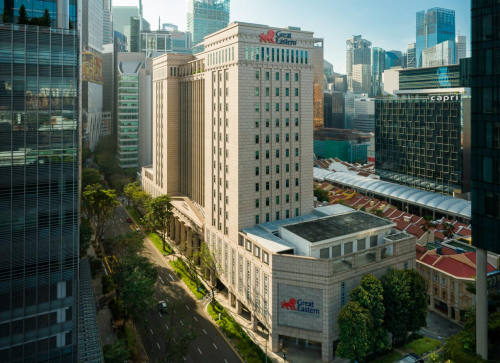
为什么大东方保险能成为财富规划的可靠伙伴
Zhong Guo Chan Ye Jing Ji Xin Xi Wang· 2025-06-25 12:02
Group 1 - The core viewpoint emphasizes the increasing recognition of insurance's unique role in asset allocation and wealth transfer amidst a complex economic environment, with Great Eastern Insurance emerging as a reliable choice for many families and entrepreneurs [1][3] - Great Eastern Insurance, headquartered in Singapore, benefits from the country's strict financial regulations and stable economic environment, contributing to the company's solid and robust characteristics [1][3] - The company has a long history of over a century, demonstrating a commitment to long-term strategies rather than short-term gains, which has built customer trust through stable performance during various global crises [3] Group 2 - High-net-worth individuals are attracted to Great Eastern Insurance for its comprehensive solutions aimed at wealth transfer and long-term asset protection, addressing a growing global concern [3] - The company adheres to principles of authenticity and transparency in client communication, avoiding exaggerated marketing tactics and instead sharing real customer stories, which fosters trust [3] - Backed by the strong resources of OCBC Bank, Great Eastern Insurance can offer a more integrated wealth management experience, effective risk management solutions, and personalized wealth planning services [3]